

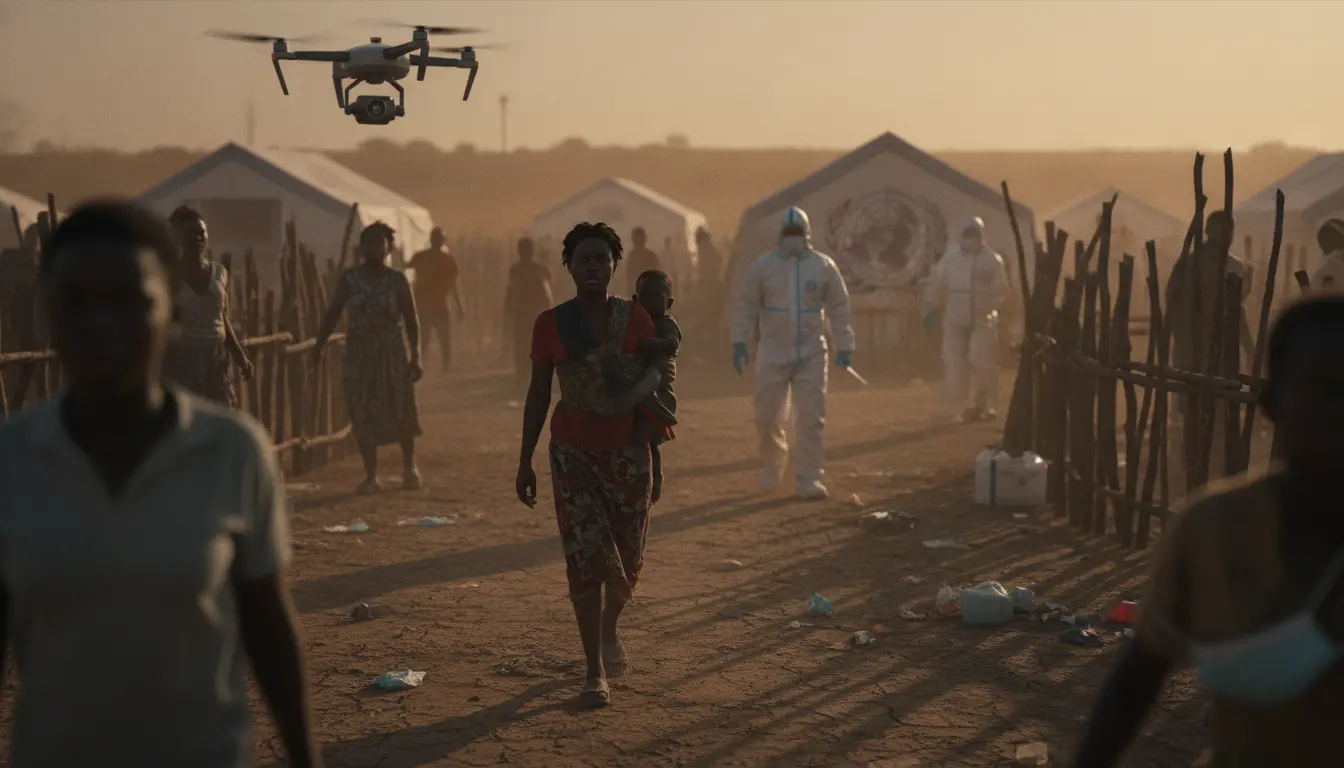
WHO Under Scrutiny Amid Protracted Ebola Outbreak in DR Congo; International Community on Alert
The World Health Organization (WHO) faces increasing pressure over the persistent Ebola outbreak in the Democratic Republic of Congo (DRC), as health authorities grapple with a complex and evolving crisis. The situation, marked by recurrent flare-ups and significant challenges in surveillance and response, has garnered heightened international attention following a confirmed case in France involving a doctor who had worked in the DRC. This development underscores the potential for global spread and the intricate difficulties in achieving definitive containment in a region plagued by instability and distrust.
Ebola has a long and tragic history in the DRC, with the country experiencing more outbreaks than any other nation. These recurring epidemics are often exacerbated by underlying factors such as armed conflict, population displacement, and limited access to healthcare infrastructure in remote areas. The current outbreak, while not reaching the scale of the devastating 2018-2020 epidemic in eastern DRC, presents its own unique set of obstacles. Community resistance to health interventions, often fueled by misinformation and historical grievances, remains a significant barrier to effective contact tracing, vaccination efforts, and safe burial practices. The WHO, in partnership with national health ministries and numerous humanitarian organizations, has been instrumental in deploying rapid response teams, establishing treatment centers, and rolling out vaccination campaigns using highly effective new vaccines.
Despite these concerted efforts, achieving a definitive declaration of containment by the WHO is a complex process, far more nuanced than simply counting zero new cases. Such a declaration hinges on stringent criteria, including a sustained period without new confirmed cases (typically 42 days, representing two incubation periods of the virus), robust surveillance systems in place, and the capacity to swiftly respond to any potential re-emergence. The challenge in the DRC is compounded by porous borders and ongoing population movements, making it difficult to fully track and isolate every potential chain of transmission. The recent detection of an imported case in France, while quickly managed, serves as a stark reminder of the global interconnectedness and the imperative for sustained vigilance and robust international collaboration.
The global health community remains wary of the pathogen's ability to resurface, even after apparent containment. The WHO's strategy emphasizes not only rapid response but also long-term strengthening of health systems and community engagement to build resilience against future outbreaks. This includes investing in local healthcare worker training, enhancing laboratory capabilities, and fostering trust between communities and health responders. However, the socio-political landscape in affected areas of the DRC often undermines these efforts, with security concerns sometimes limiting access for health teams and disrupting critical public health campaigns.
What is at stake for the WHO and its partners is not just the health of the Congolese population, but also the credibility of global disease surveillance and response mechanisms. A protracted outbreak, particularly one that shows signs of international reach, can erode public trust and divert critical resources from other pressing health challenges. The organization’s ability to coordinate a comprehensive, equitable, and effective response in the face of complex humanitarian crises is under constant evaluation. The timeline for declaring containment remains uncertain, deeply intertwined with the unpredictable realities on the ground in a country where conflict and disease frequently intersect.
International bodies and donor countries continue to provide financial and logistical support, recognizing that Ebola containment in the DRC is a global public health priority. The focus remains on reinforcing front-line defenses, ensuring vaccine equity, and fostering sustainable health infrastructure. The ultimate goal is to reach a point where the virus no longer poses a significant public health threat, but the path to that declaration is fraught with medical, logistical, and socio-political hurdles that demand unwavering commitment and adaptable strategies from all stakeholders involved.
Stay Informed. Act Smarter.
Get weekly highlights, major headlines, and expert insights — then put your knowledge to work in our live prediction markets.
Related News
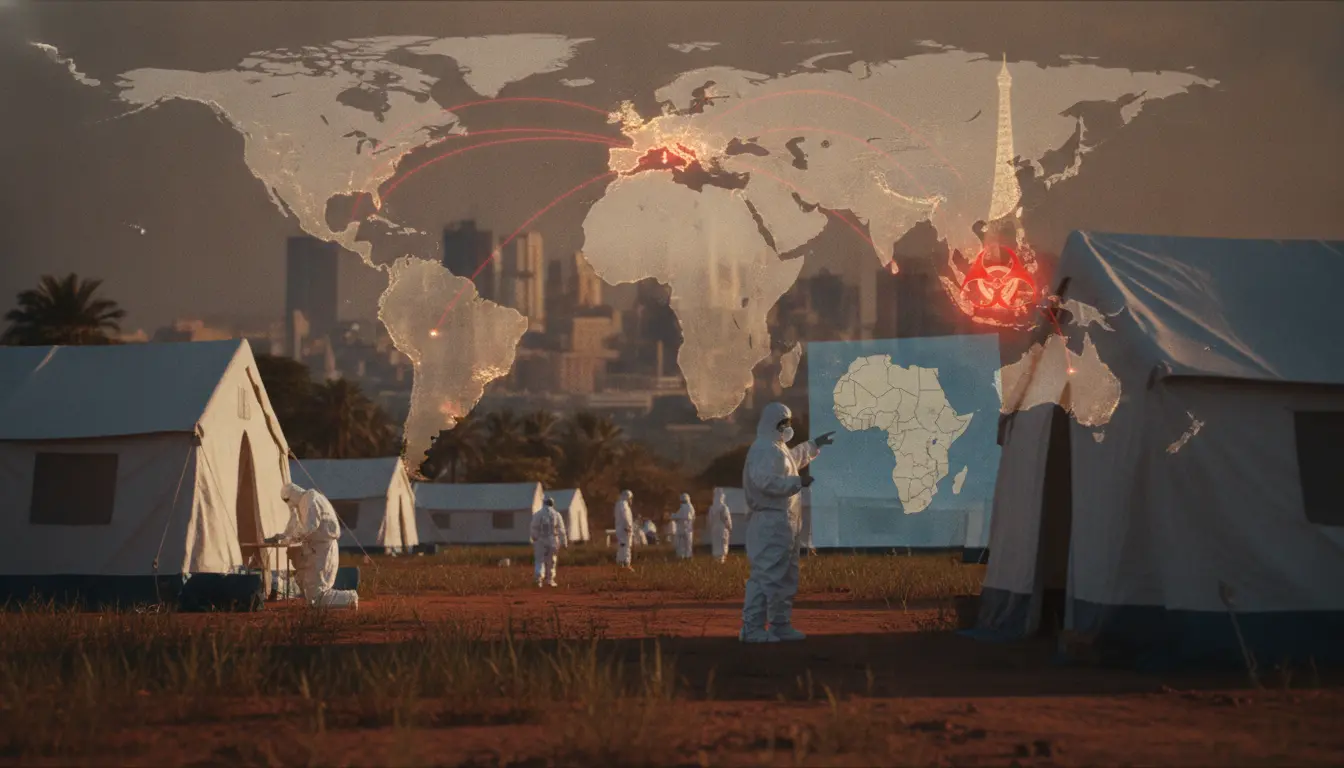
Ebola Outbreak in DRC and Uganda Escalates to International Emergency, Sparks Global Monitoring After French Case
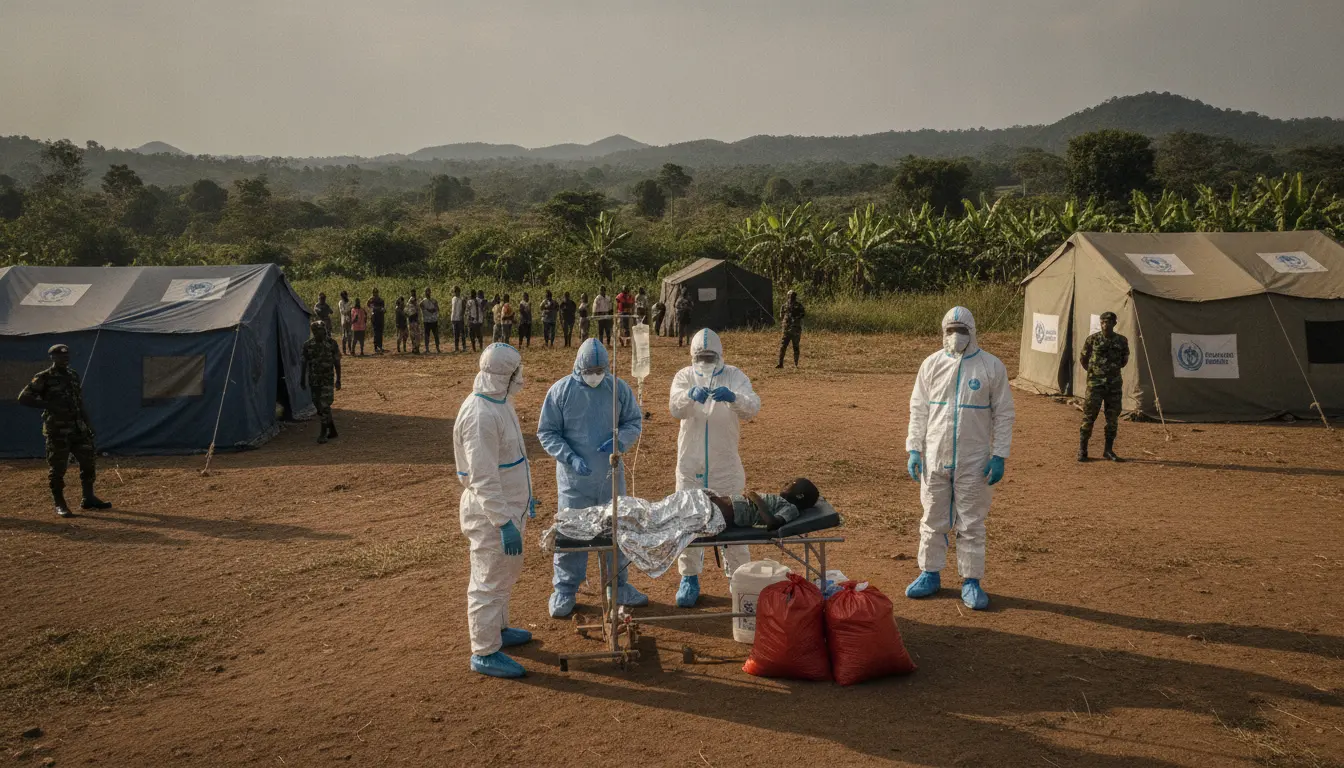
Democratic Republic of Congo Confronts Unprecedented Ebola Outbreak Amidst Regional Health Crisis
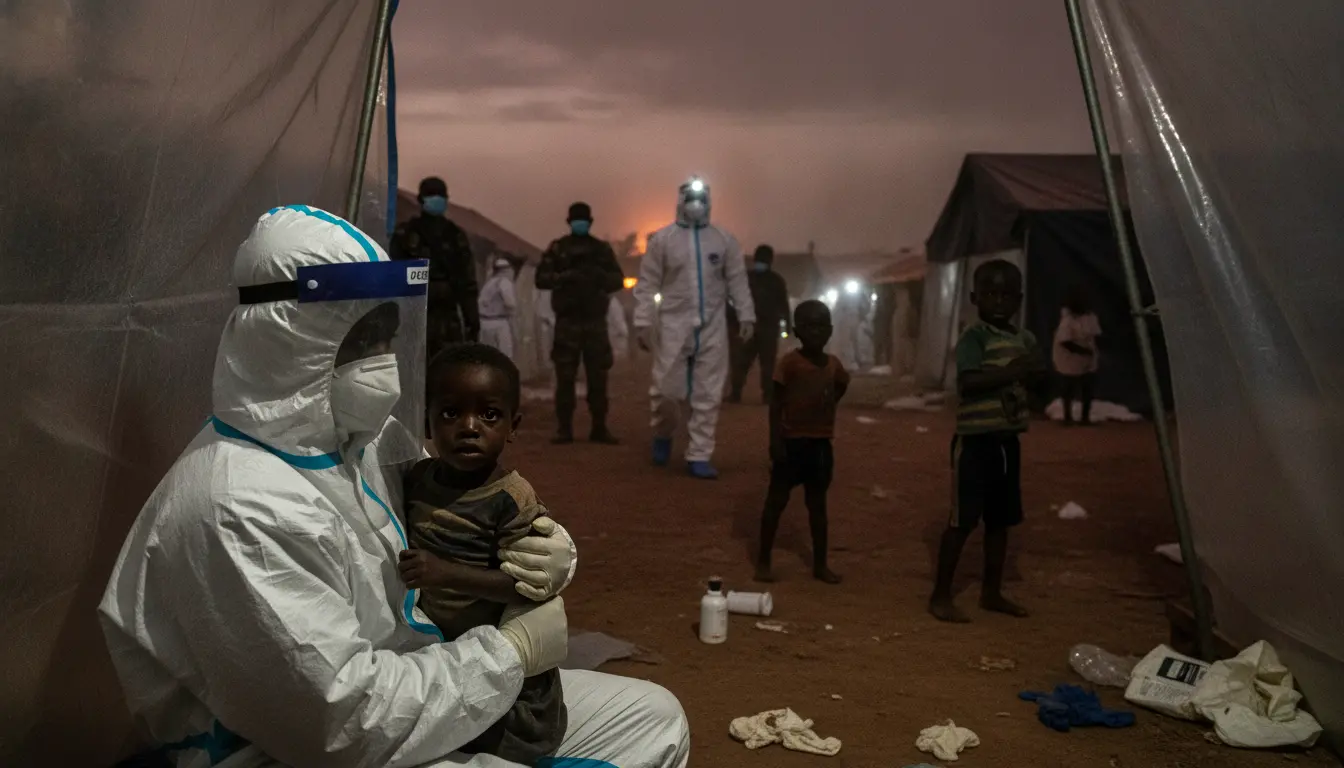
Democratic Republic of Congo Battles Rapidly Escalating Ebola Outbreak Amid Warnings of Child Infection Spike
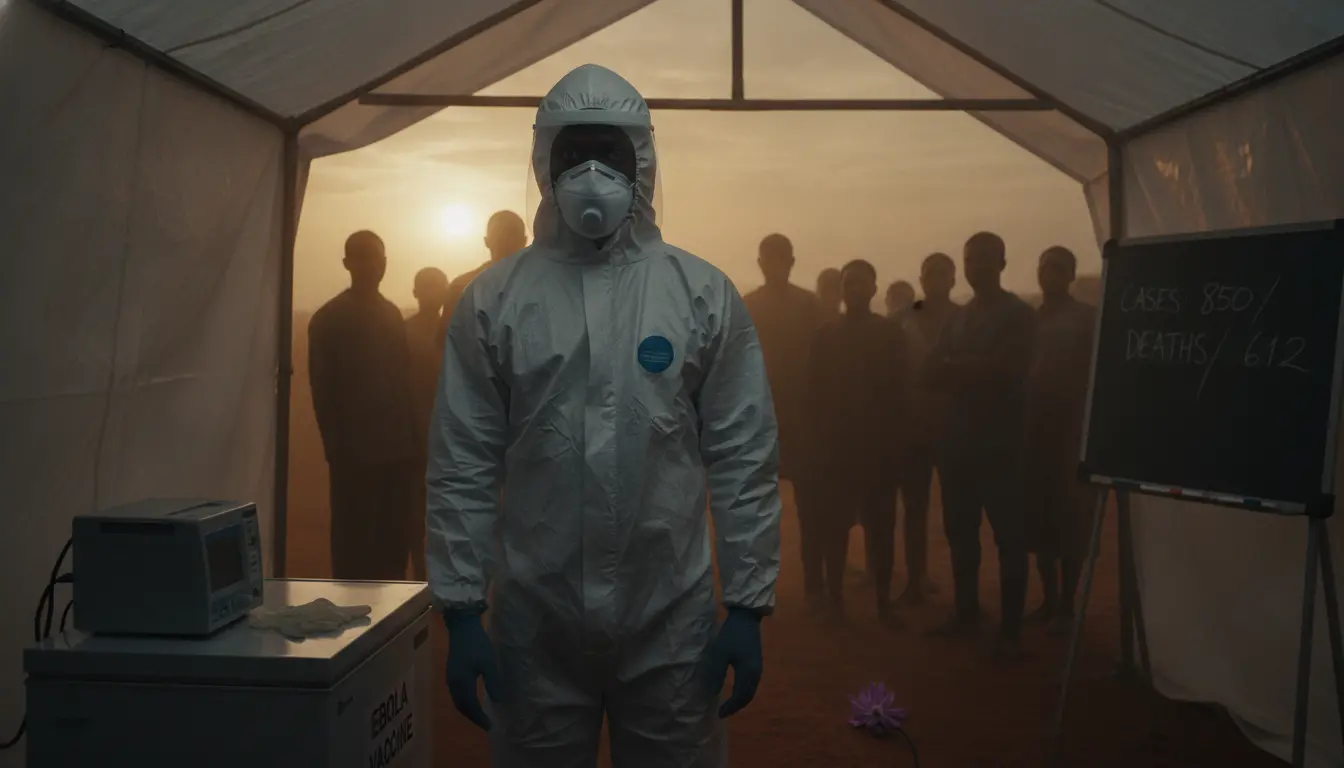
Africa CDC Warns of Unprecedented Ebola Spread as DR Congo Death Toll Climbs Past 600

France Confirms First Ebola Patient Following Doctor's Return from DRC Outbreak Zone
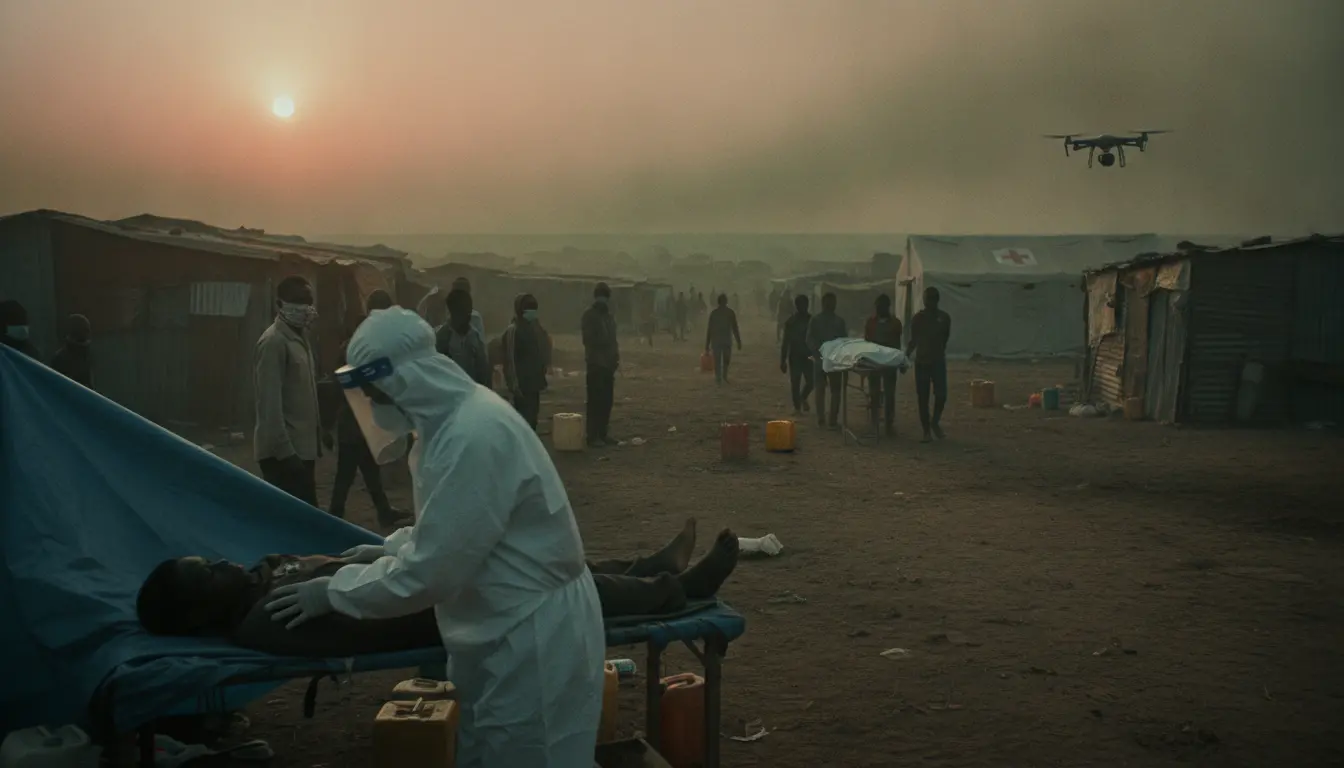
Africa Grapples with 'Fastest-Growing Ever' Ebola Outbreak Amidst Rising Death Toll
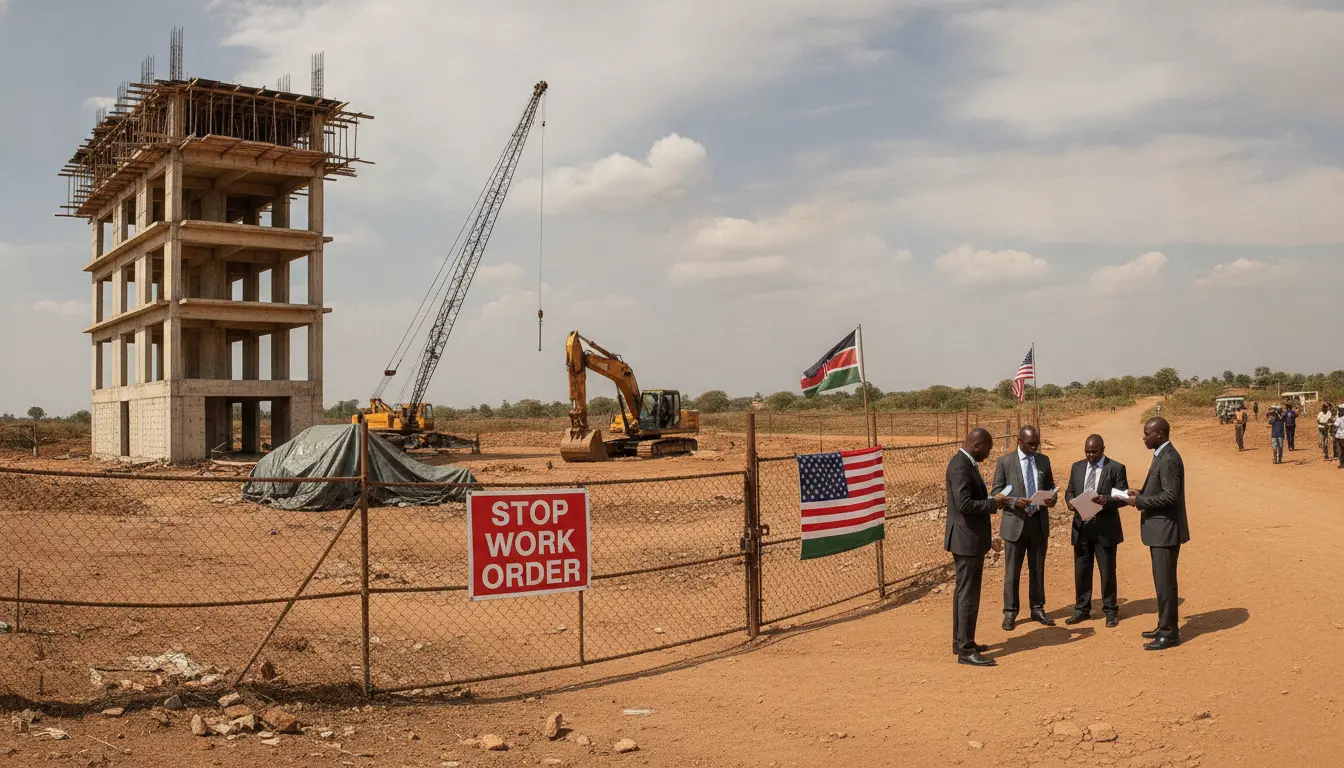
Kenyan Court Order Halts Construction of Crucial US-Backed Infectious Disease Facility
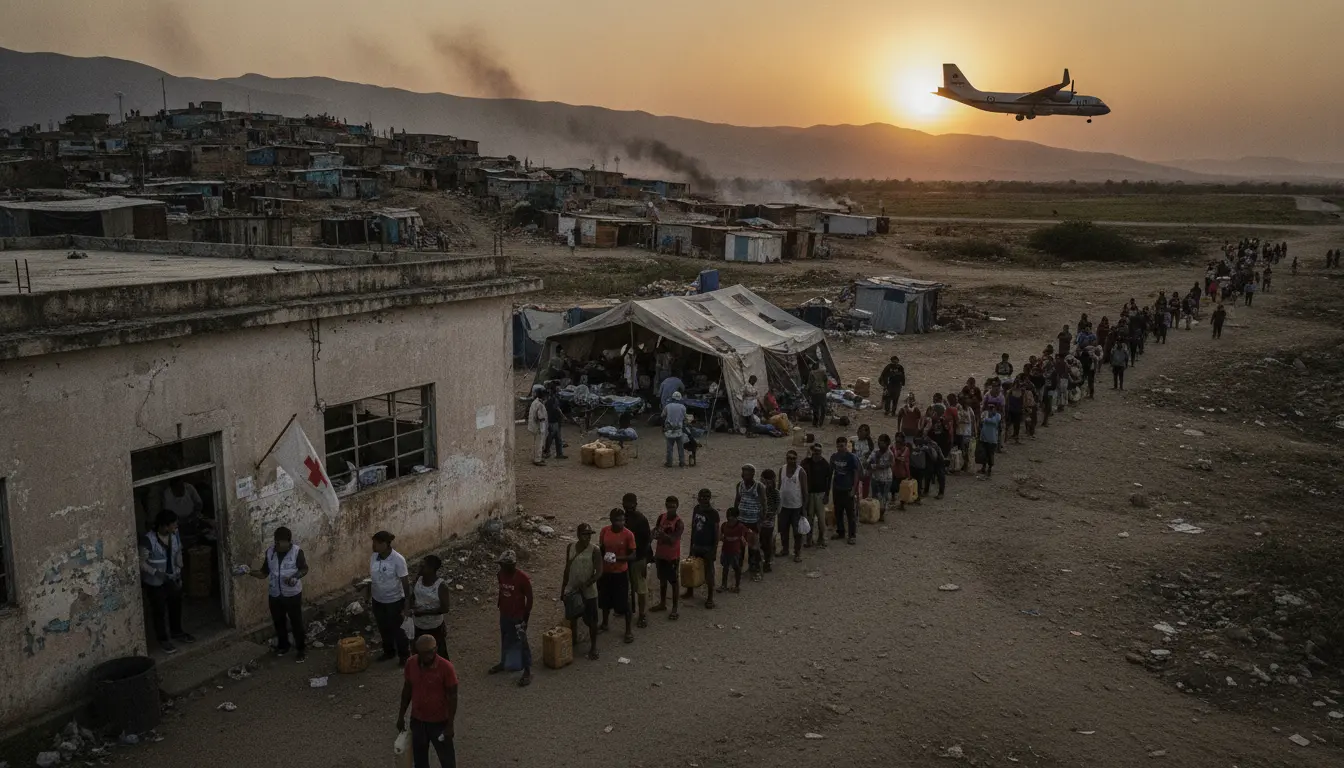
Venezuela's Humanitarian Crisis Prompts Renewed Push for Major International Aid
Australia Records First Mainland H5N1 Bird Flu Case Amid Global Pandemic Watch

French Government Under Constant Threat of Collapse From Opposition No-Confidence Votes