

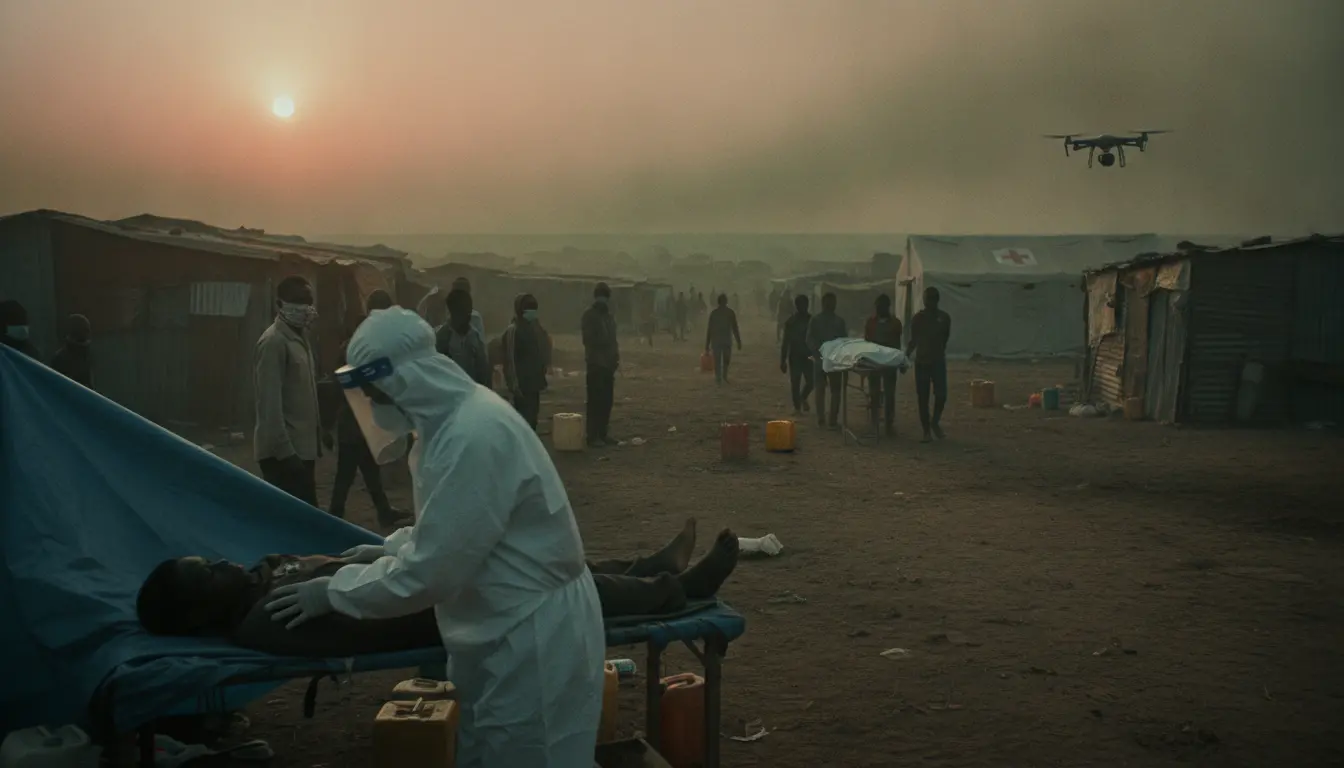
Africa Grapples with 'Fastest-Growing Ever' Ebola Outbreak Amidst Rising Death Toll
Africa is currently confronting a severe and rapidly escalating Ebola outbreak, which the Africa Centres for Disease Control and Prevention (Africa CDC) has starkly described as the "fastest-growing ever." This alarming declaration comes as the highly contagious viral disease has claimed over 600 lives since mid-May, prompting urgent calls for intensified global and regional response efforts. The sheer speed of transmission and the growing number of fatalities underscore the monumental challenge faced by public health authorities in containing a pathogen known for its devastating impact and complex containment requirements.
The Ebola virus, a member of the filovirus family, causes a severe, often fatal illness in humans. It is transmitted to people from wild animals and spreads in the human population through direct contact with the blood, secretions, organs or other bodily fluids of infected people, and with surfaces and materials contaminated with these fluids. The current surge in cases, particularly noted in regions like the Democratic Republic of Congo and Uganda, follows a pattern of recurrent outbreaks that have plagued the continent for decades. While previous outbreaks, most notably the devastating West African epidemic of 2014-2016, tested the limits of international health capabilities, the "fastest-growing ever" designation by Africa CDC signals a new, concerning trajectory in the fight against the virus, demanding a re-evaluation of existing strategies and resource allocation.
In response to the escalating crisis, both the World Health Organization (WHO) and the Africa CDC are working closely with national health ministries to coordinate an aggressive public health campaign. This includes rapid deployment of emergency response teams, 강화된 disease surveillance and contact tracing protocols to identify and monitor individuals who may have been exposed, and the establishment of isolation and treatment centers. Significant strides have been made in vaccine development since the last major epidemic, with several effective vaccines now available and being deployed in affected areas to protect frontline health workers and at-risk populations. However, logistical hurdles, including cold chain requirements and access to remote communities, continue to pose substantial challenges to widespread vaccination efforts.
The fight against Ebola is further complicated by a confluence of factors unique to the affected regions. Weak health infrastructure, often exacerbated by chronic underfunding and a shortage of skilled personnel, struggles to cope with the sudden influx of critically ill patients. Community mistrust, fueled by misinformation and historical grievances, can lead to resistance against public health interventions, making contact tracing and safe burial practices difficult. Moreover, ongoing political instability and conflict in some areas can impede access for health workers, disrupt supply chains, and displace populations, creating fertile ground for the virus to spread unchecked. These multifaceted challenges not only hinder immediate containment but also threaten the long-term health security and socio-economic stability of the affected nations.
The human cost of this outbreak extends beyond the tragic loss of life, encompassing profound psychological trauma for survivors and communities, and significant economic disruption. Essential services are strained, trade is impacted, and the fear of infection can paralyze daily life. International solidarity and sustained funding are paramount, not only to bolster immediate response mechanisms but also to invest in resilient health systems that can detect, prevent, and respond to future health emergencies. The current outbreak serves as a stark reminder of the persistent threat posed by infectious diseases and the critical importance of a robust, collaborative global health architecture capable of rapid and effective intervention.
As the world watches, the ultimate goal remains the full containment of the virus and the declaration of the outbreak's end. This requires not only scientific innovation and rapid logistical deployment but also a deep understanding of local contexts and unwavering commitment from governments and international partners. The lessons learned from previous epidemics must be rigorously applied to prevent this "fastest-growing ever" outbreak from becoming one of the most devastating, safeguarding the health and future of millions across Africa.
Stay Informed. Act Smarter.
Get weekly highlights, major headlines, and expert insights — then put your knowledge to work in our live prediction markets.
Related News
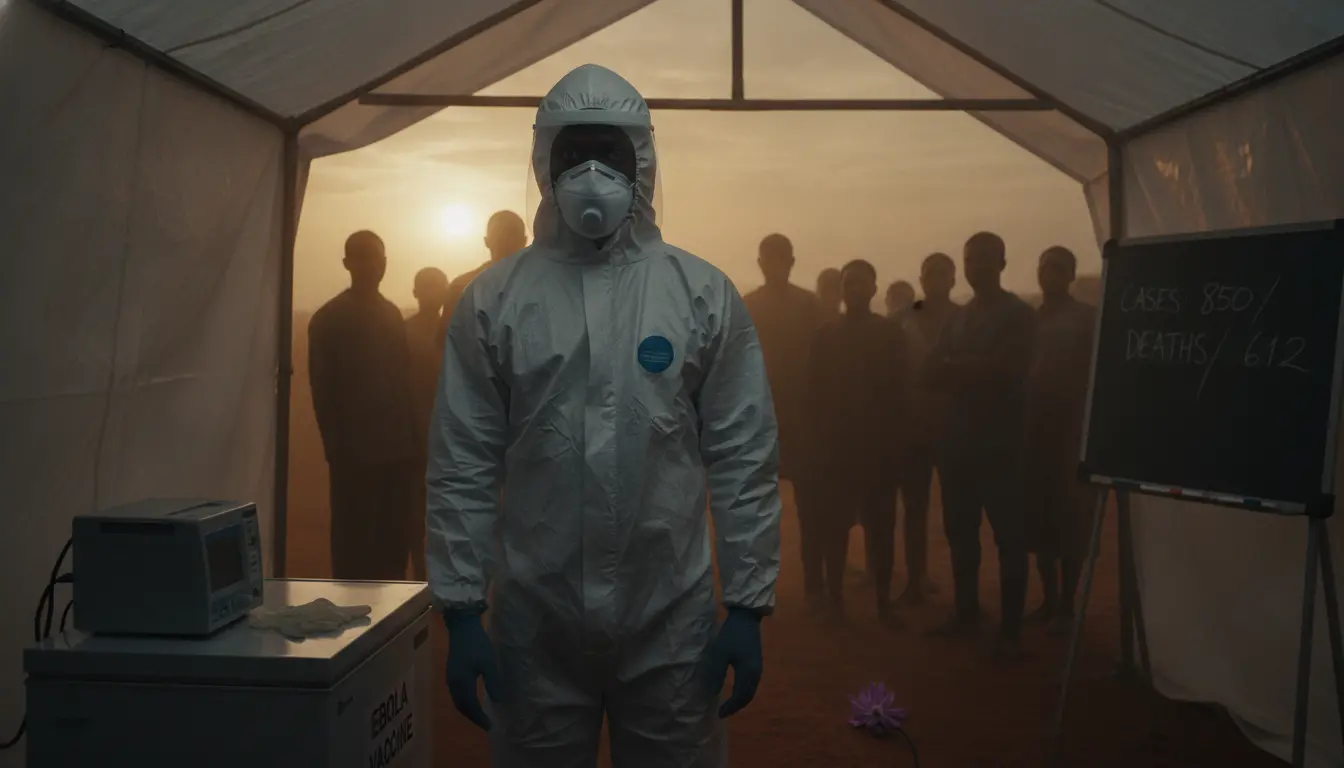
Africa CDC Warns of Unprecedented Ebola Spread as DR Congo Death Toll Climbs Past 600
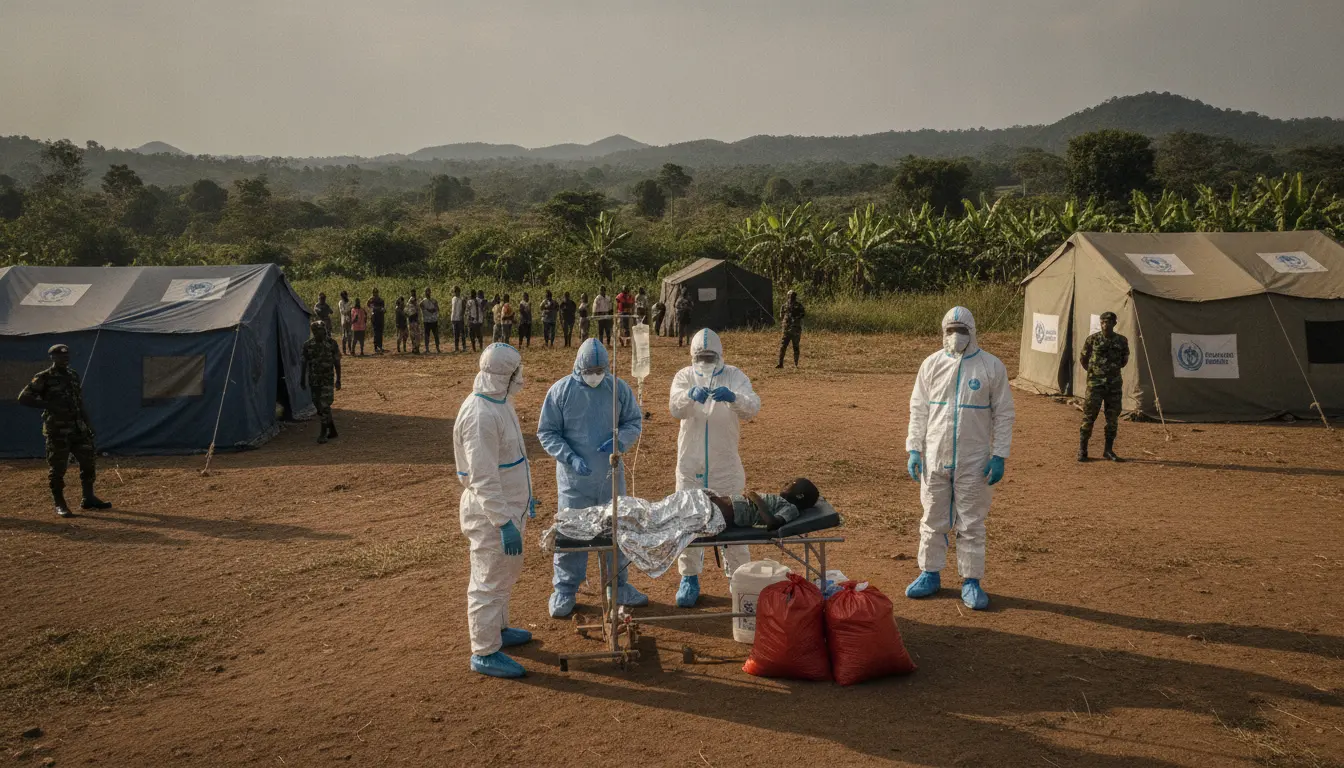
Democratic Republic of Congo Confronts Unprecedented Ebola Outbreak Amidst Regional Health Crisis
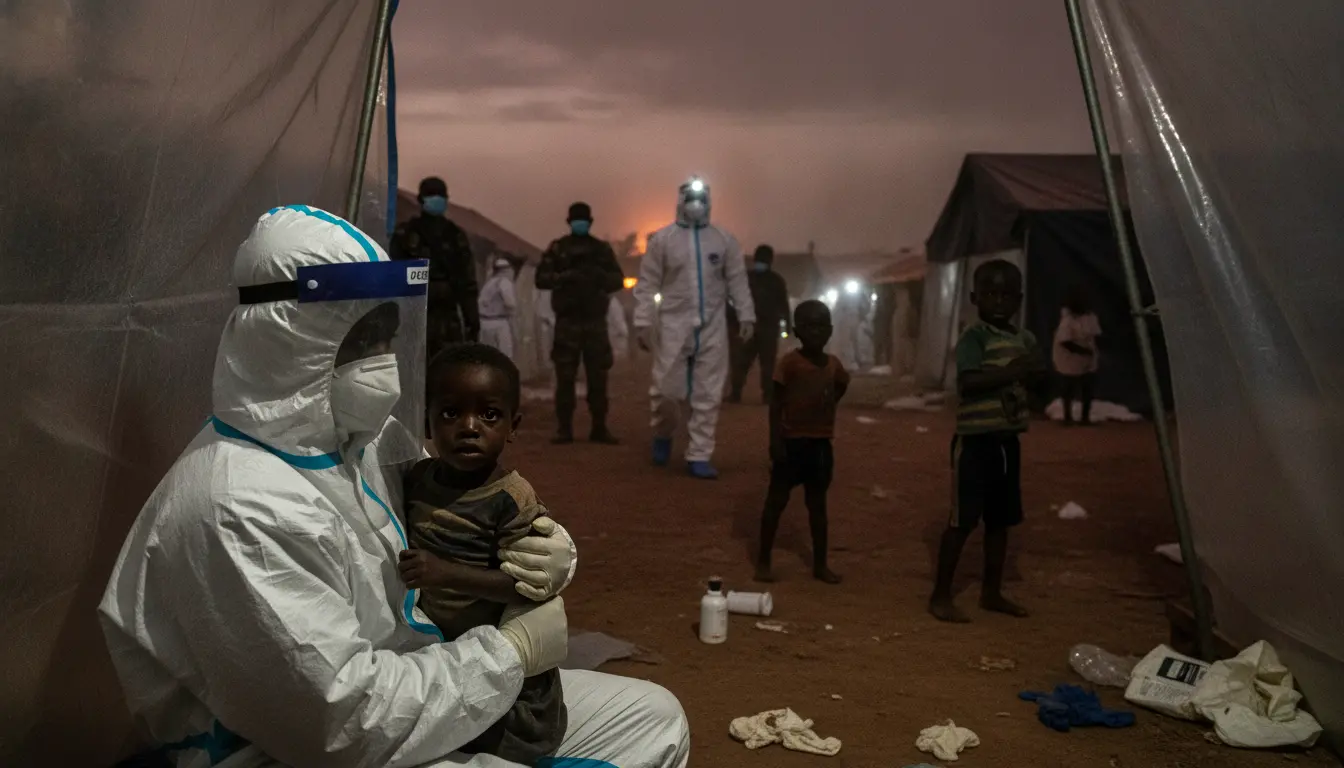
Democratic Republic of Congo Battles Rapidly Escalating Ebola Outbreak Amid Warnings of Child Infection Spike
Ebola Outbreak in DRC and Uganda Escalates to International Emergency, Sparks Global Monitoring After French Case

France Confirms First Ebola Patient Following Doctor's Return from DRC Outbreak Zone
WHO Under Scrutiny Amid Protracted Ebola Outbreak in DR Congo; International Community on Alert
Australia Records First Mainland H5N1 Bird Flu Case Amid Global Pandemic Watch
Kenyan Court Order Halts Construction of Crucial US-Backed Infectious Disease Facility

Humanitarian Crisis Deepens at Ceuta Border as Migrant Death Toll Mounts

Deadly Earthquakes Strike Venezuela, Casualties Mount as Rescue Efforts Continue