

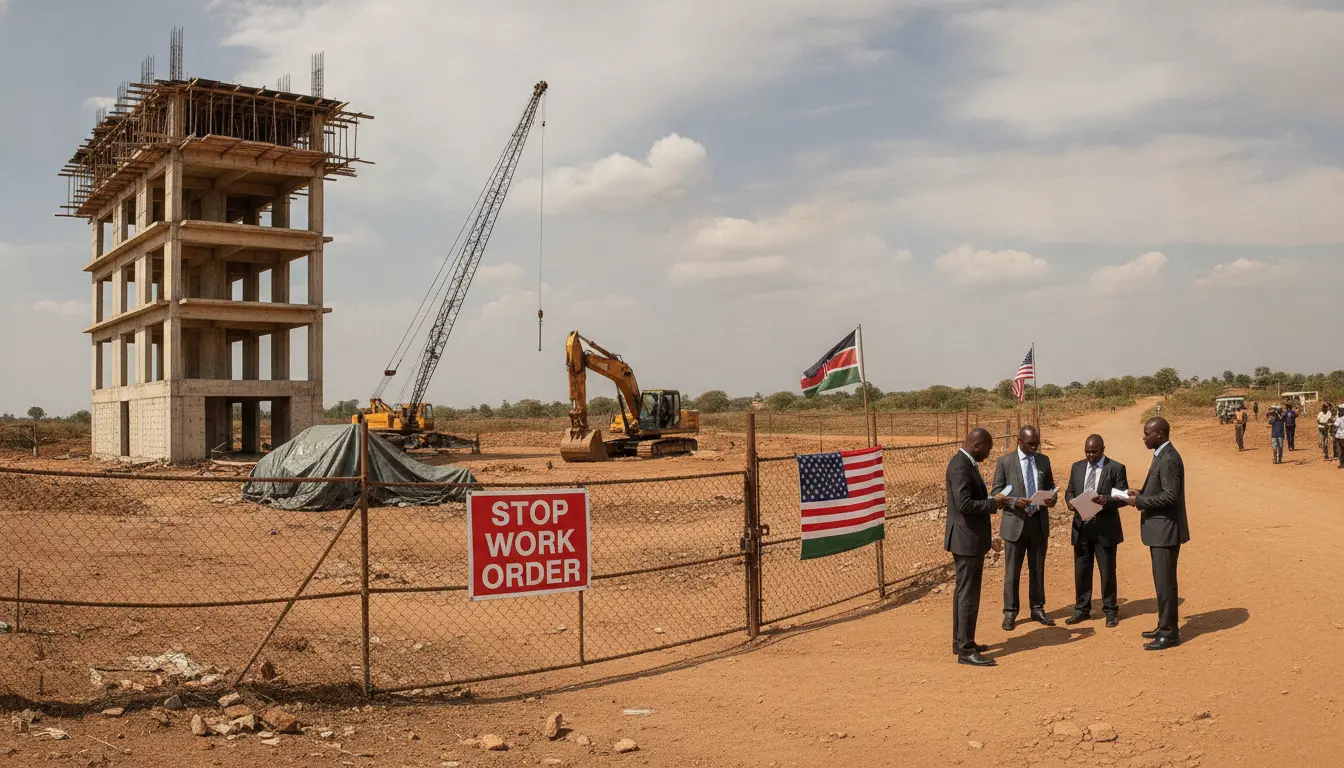
Kenyan Court Order Halts Construction of Crucial US-Backed Infectious Disease Facility
Construction of a vital US-backed infectious disease research facility in Kenya has been brought to a standstill following a court order, a move confirmed by a Kenyan minister. The project, intended to bolster East Africa’s capacity for pathogen research and pandemic preparedness, represents a significant investment in public health infrastructure and its indefinite halt raises concerns about regional health security and international collaboration.
Spearheaded by the U.S. Centers for Disease Control and Prevention (CDC) with substantial funding from Washington, the facility was earmarked for Kisumu County in western Kenya. Its primary objective was to serve as a cutting-edge hub for studying highly pathogenic viruses like Ebola, Marburg, and Lassa fever, alongside other prevalent infectious diseases. The initiative sought to enhance diagnostic capabilities, develop vaccines, and improve response mechanisms for future outbreaks, drawing on Kenya’s existing strong partnership with the CDC, which has a long-standing presence in the country. The project underscored a shared commitment to global health security, particularly in a region frequently vulnerable to emerging and re-emerging infectious diseases.
The stoppage was precipitated by a court injunction, reportedly issued after concerns were raised regarding the project's adherence to local environmental regulations and land acquisition protocols. While specific details of the legal challenge remain under judicial review, reports suggest that local community groups and environmental activists filed petitions, questioning the thoroughness of the Environmental Impact Assessment (EIA) and the fairness of the land procurement process. The Kenyan government, through its relevant ministries, had initially endorsed the project, viewing it as a strategic asset for national and regional health, but is now bound by the judiciary’s directives, necessitating a re-evaluation of the project’s compliance with domestic legal frameworks.
This judicial intervention highlights a recurring challenge for large-scale international development projects in emerging economies: navigating complex local legal landscapes, community interests, and environmental safeguards. For the United States, the delay represents a setback for its global health agenda and its strategic partnerships in Africa. Beyond the financial implications of a stalled multi-million dollar venture, there are concerns about the ripple effect on public health readiness in a region still recovering from various disease outbreaks. The facility was poised to provide employment, skill transfer, and advanced research opportunities, making its halt a multi-faceted blow to both health and economic development aspirations.
Key players now face a delicate path forward. The Kenyan government is tasked with ensuring the court's requirements are met, which may involve commissioning new environmental assessments, renegotiating land agreements, or engaging in extensive public consultations. The U.S. side, through its diplomatic and health agencies, will likely collaborate closely with Kenyan authorities to address the legal and procedural hurdles, seeking to find a resolution that respects local laws while safeguarding the strategic importance of the facility. The resolution of this impasse will not only determine the future of this specific project but also serve as a crucial test case for the feasibility and operational resilience of similar international health security initiatives across the continent.
The timeline for resumption remains highly uncertain, with the legal process potentially extending over months, if not longer, depending on the nature of the court's demands and the pace of corrective actions. The delay pushes back critical advancements in infectious disease research and preparedness for Kenya and its neighbors, leaving a gap in the collective defense against future health crises. The incident underscores the intricate interplay between international development goals, national sovereignty, local governance, and community rights, a dynamic that profoundly influences the success of even the most well-intentioned global initiatives.
Stay Informed. Act Smarter.
Get weekly highlights, major headlines, and expert insights — then put your knowledge to work in our live prediction markets.
Related News
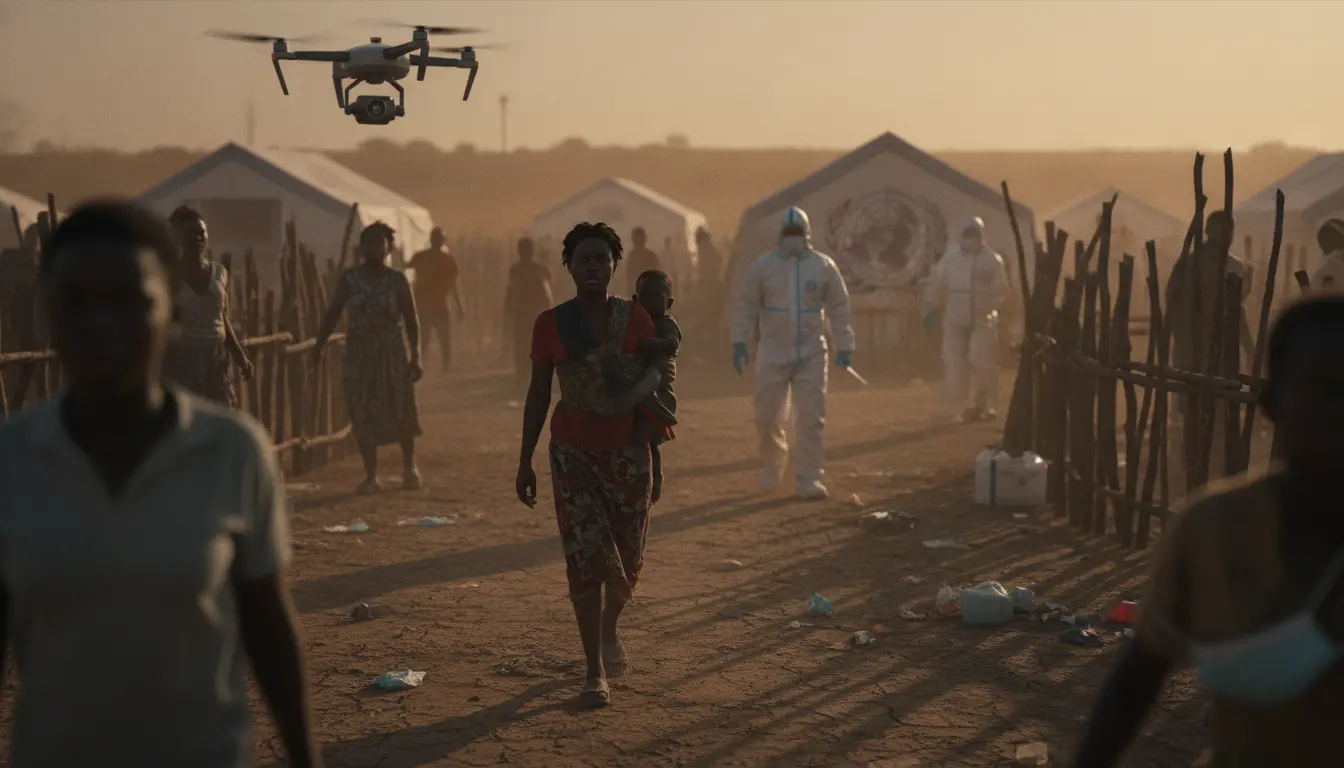
WHO Under Scrutiny Amid Protracted Ebola Outbreak in DR Congo; International Community on Alert
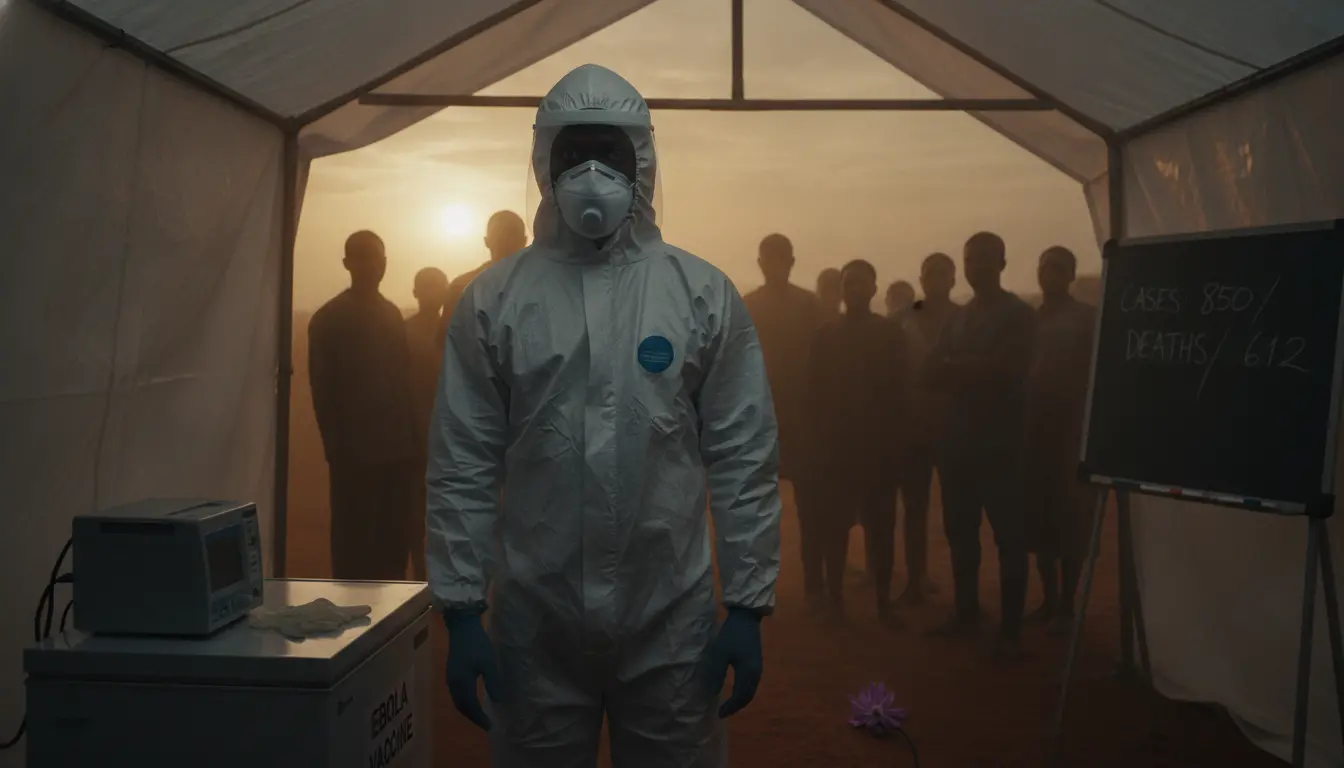
Africa CDC Warns of Unprecedented Ebola Spread as DR Congo Death Toll Climbs Past 600
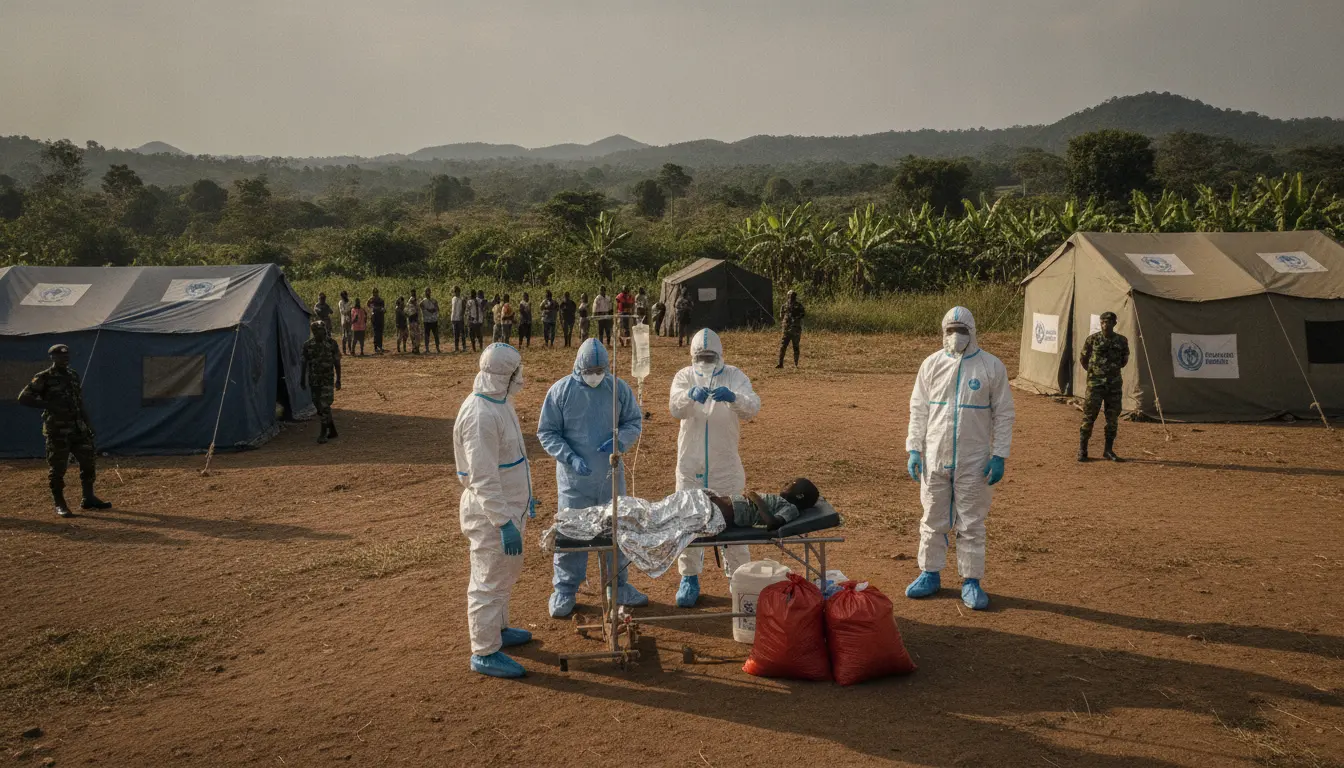
Democratic Republic of Congo Confronts Unprecedented Ebola Outbreak Amidst Regional Health Crisis
Africa Grapples with 'Fastest-Growing Ever' Ebola Outbreak Amidst Rising Death Toll
Democratic Republic of Congo Battles Rapidly Escalating Ebola Outbreak Amid Warnings of Child Infection Spike
Ebola Outbreak in DRC and Uganda Escalates to International Emergency, Sparks Global Monitoring After French Case

US-Iran Nuclear Diplomacy Stalls Amid Envoy Delays and Regional Volatility
Australia Records First Mainland H5N1 Bird Flu Case Amid Global Pandemic Watch

France Confirms First Ebola Patient Following Doctor's Return from DRC Outbreak Zone

Vance Delays Trip to Switzerland for Direct Talks on Iran Deal