

- News
- Science
- Democratic Republic of Congo Confronts Unprecedented Ebola Outbreak Amidst Regional Health Crisis
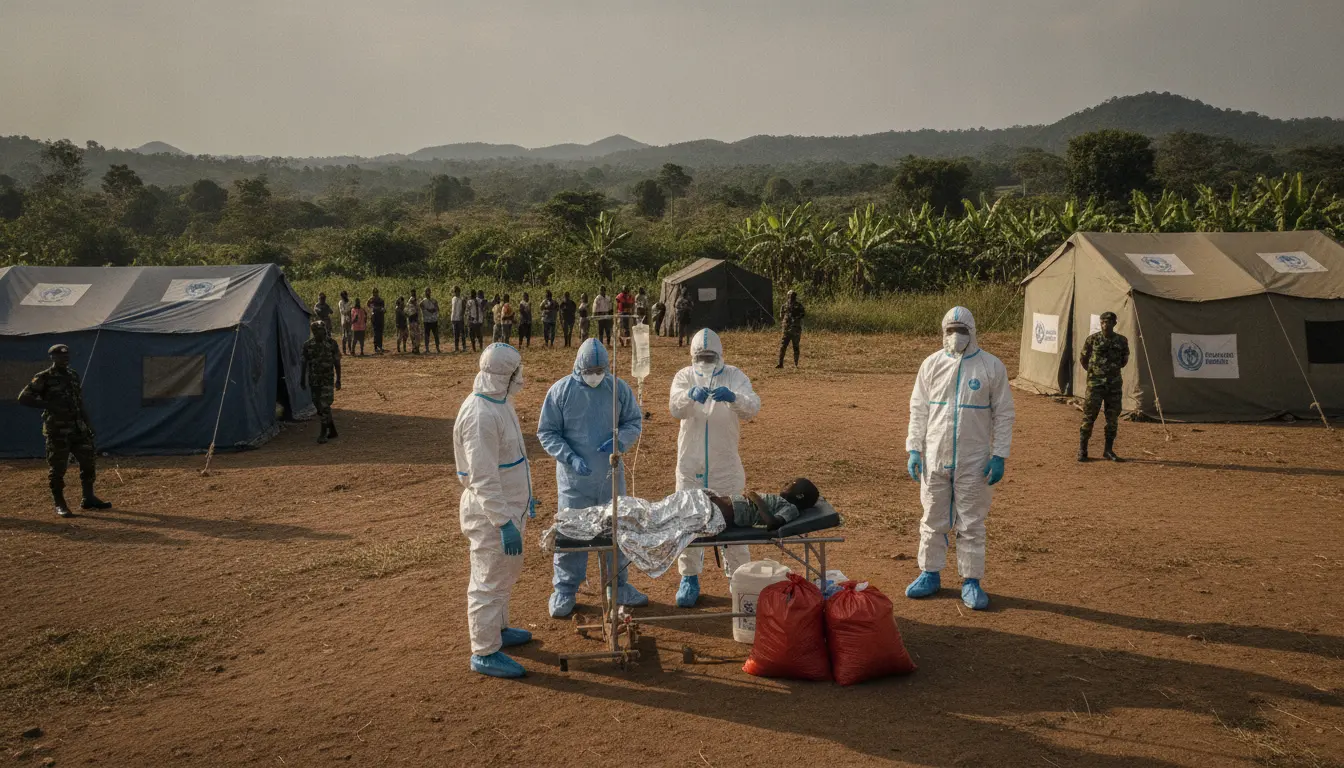
Democratic Republic of Congo Confronts Unprecedented Ebola Outbreak Amidst Regional Health Crisis
The Democratic Republic of Congo (DRC) is once again at the epicenter of a severe Ebola virus outbreak, grappling with what health authorities are describing as its fastest-growing epidemic on record. This latest resurgence of the deadly hemorrhagic fever poses a profound and complex challenge for both national public health infrastructure and international humanitarian efforts, threatening to destabilize an already vulnerable region. The sheer speed of transmission and the geographical spread of cases are amplifying the urgency of containment strategies, placing immense strain on resources and personnel battling the highly infectious disease.
The DRC has a long and tragic history with Ebola, having endured more than a dozen outbreaks since the virus was first identified near the Ebola River in 1976. Each recurrence presents unique hurdles, often compounded by factors such as armed conflict, population displacement, deep-seated public mistrust in authorities, and inadequate healthcare access in remote areas. The current outbreak is particularly concerning due to its rapid proliferation across diverse communities, making contact tracing and effective isolation incredibly difficult. The dynamic movement of populations, driven by internal displacement from ongoing conflicts, inadvertently aids the virus in finding new hosts and spreading across wider territories, complicating an already intricate epidemiological landscape.
International organizations, led by the World Health Organization (WHO), are working in close coordination with the DRC’s Ministry of Health to mount a robust response. This multifaceted approach includes enhanced surveillance, rapid diagnostic testing, isolation and treatment of confirmed cases, and community engagement initiatives aimed at promoting safe burial practices and preventing person-to-person transmission. Vaccination campaigns, utilizing proven vaccines, are also a critical component of the strategy, targeting frontline health workers, contacts of confirmed cases, and high-risk populations. However, logistical challenges, including maintaining the cold chain for vaccines in remote and often insecure areas, remain significant obstacles.
The socioeconomic ramifications of this escalating crisis are substantial. Beyond the immediate threat to life, the outbreak disrupts essential health services, diverts already scarce resources, and instills fear that can cripple local economies and social cohesion. Schools may close, markets may face reduced activity, and the general movement of people can be curtailed, all of which contribute to a broader humanitarian crisis. The psychological toll on communities repeatedly scarred by Ebola, coupled with the stigma associated with the disease, further complicates recovery and long-term public health initiatives.
Addressing the outbreak's rapid growth requires not only an accelerated medical response but also a concerted effort to tackle the underlying vulnerabilities. This includes strengthening the DRC's primary healthcare systems, fostering trust between communities and health responders, and ensuring sustainable funding for preparedness and response mechanisms. The international community's sustained commitment is crucial, not just in providing emergency aid but also in supporting long-term capacity building to enable the DRC to better manage future health emergencies independently. Without comprehensive and sustained interventions, the cycle of outbreaks and humanitarian crises risks perpetuating, with severe consequences for regional stability and global health security.
The battle against Ebola in the DRC is a stark reminder of the persistent threats posed by infectious diseases, particularly in fragile settings. While medical advancements have provided powerful tools like vaccines and treatments, their efficacy hinges on equitable access, robust delivery systems, and community buy-in. The current unprecedented growth rate of this outbreak underscores the critical need for an agile, adaptive, and deeply collaborative global response to bring the epidemic under control and mitigate its devastating impact on the Congolese people and beyond.
Stay Informed. Act Smarter.
Get weekly highlights, major headlines, and expert insights — then put your knowledge to work in our live prediction markets.
Related News
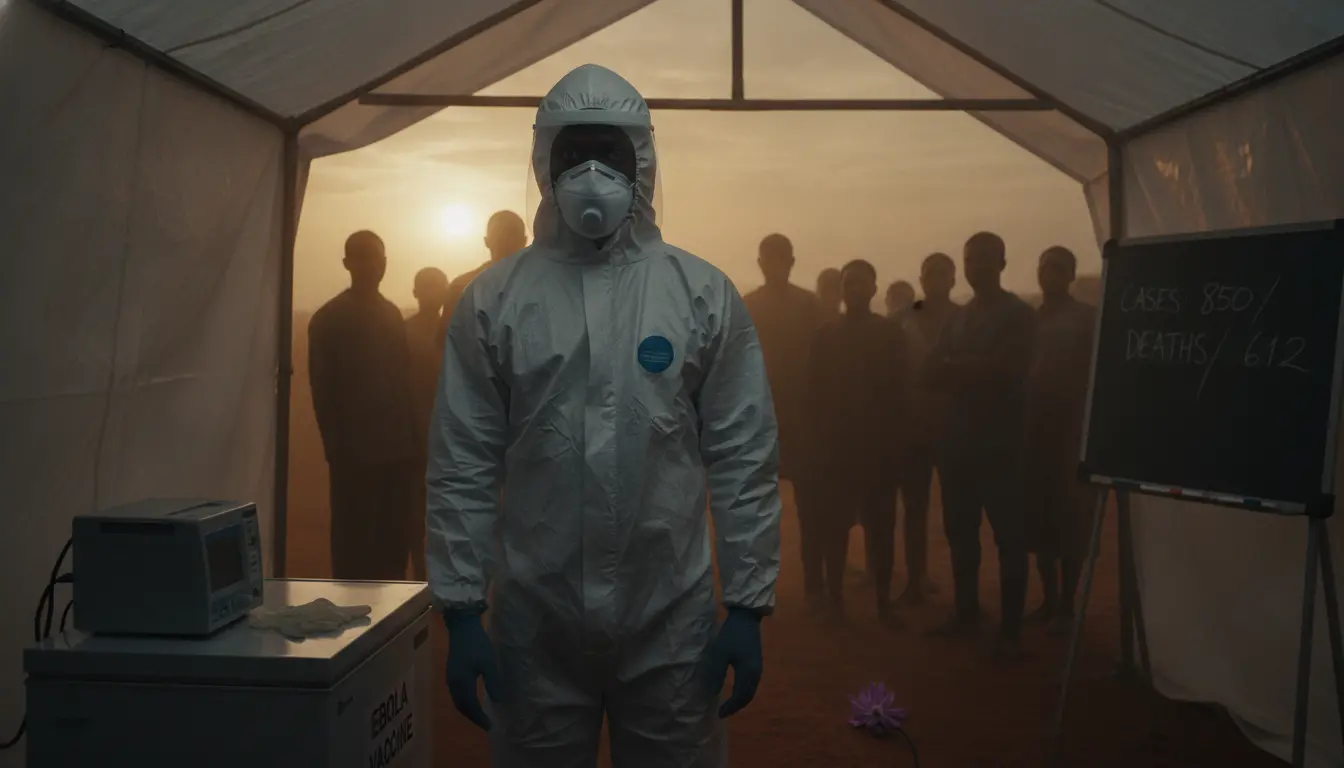
Africa CDC Warns of Unprecedented Ebola Spread as DR Congo Death Toll Climbs Past 600
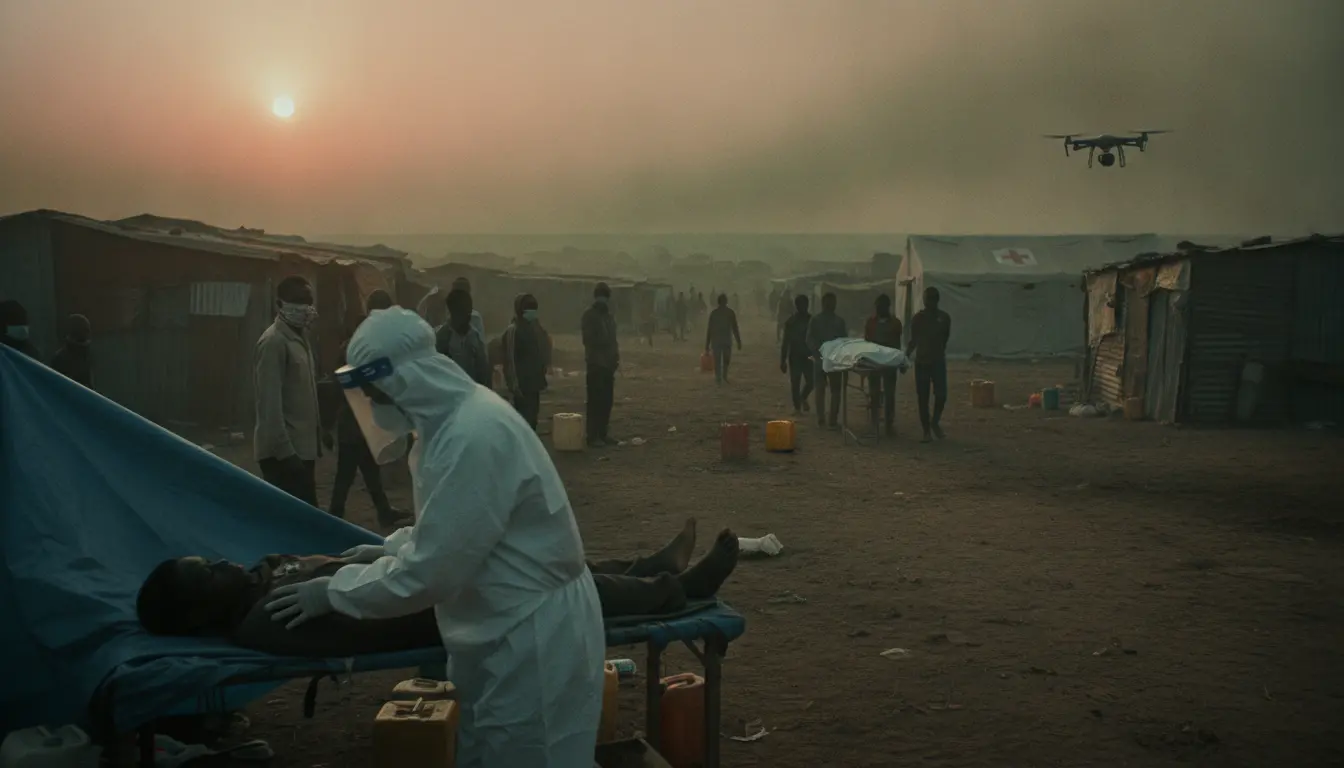
Africa Grapples with 'Fastest-Growing Ever' Ebola Outbreak Amidst Rising Death Toll
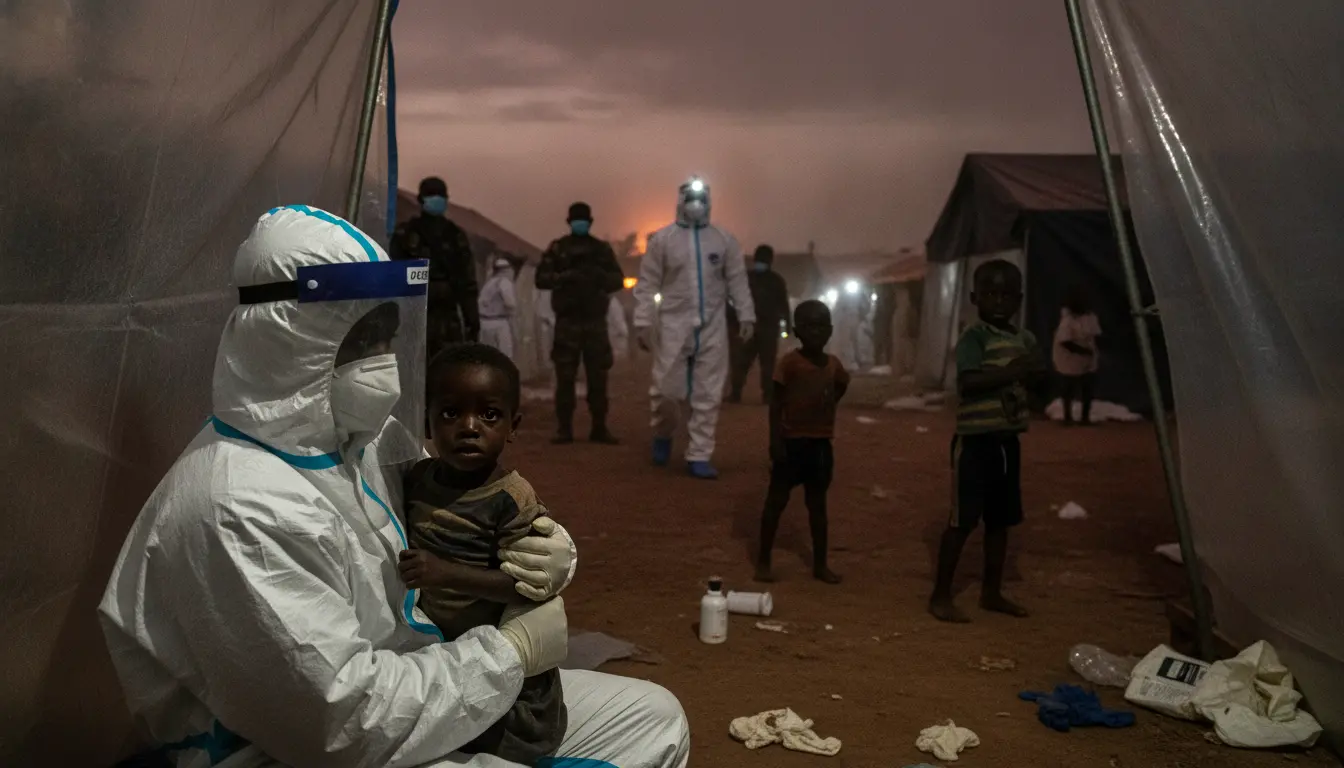
Democratic Republic of Congo Battles Rapidly Escalating Ebola Outbreak Amid Warnings of Child Infection Spike
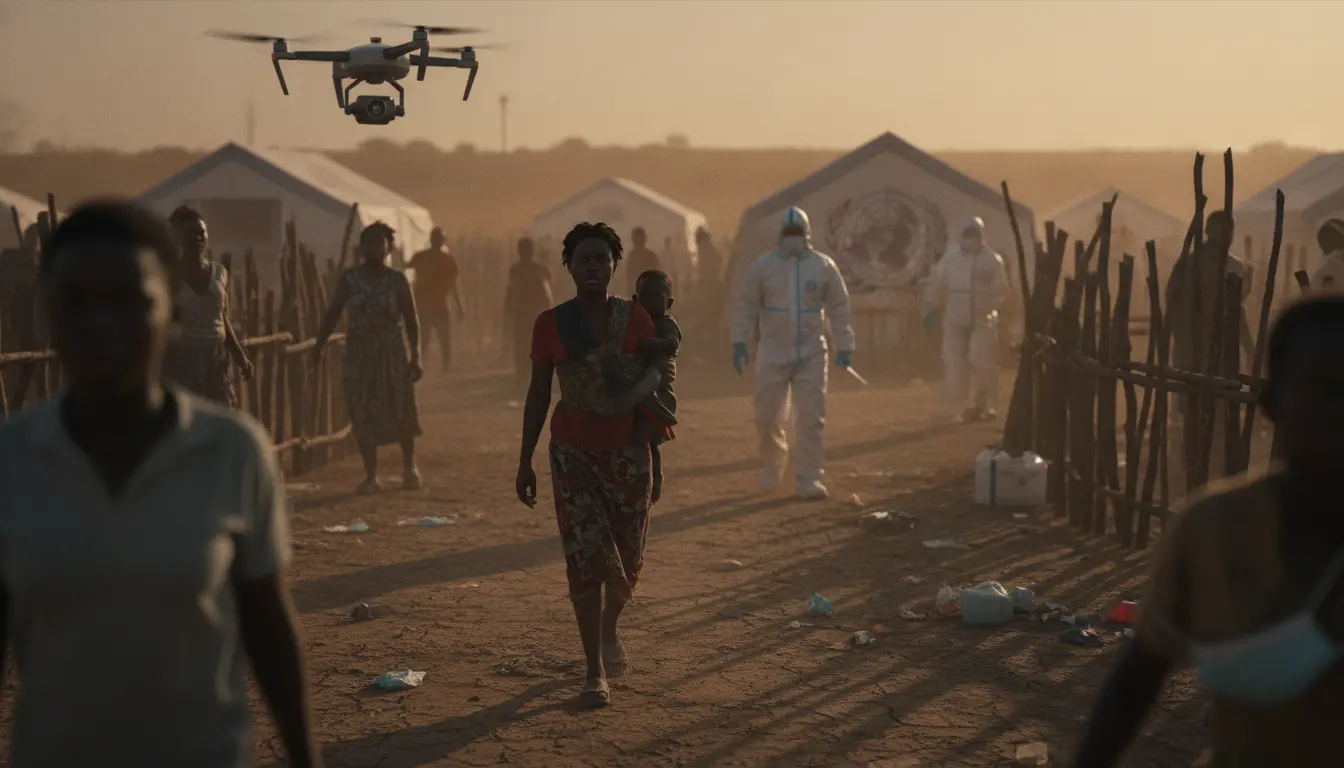
WHO Under Scrutiny Amid Protracted Ebola Outbreak in DR Congo; International Community on Alert

Ebola Outbreak in DRC and Uganda Escalates to International Emergency, Sparks Global Monitoring After French Case

France Confirms First Ebola Patient Following Doctor's Return from DRC Outbreak Zone
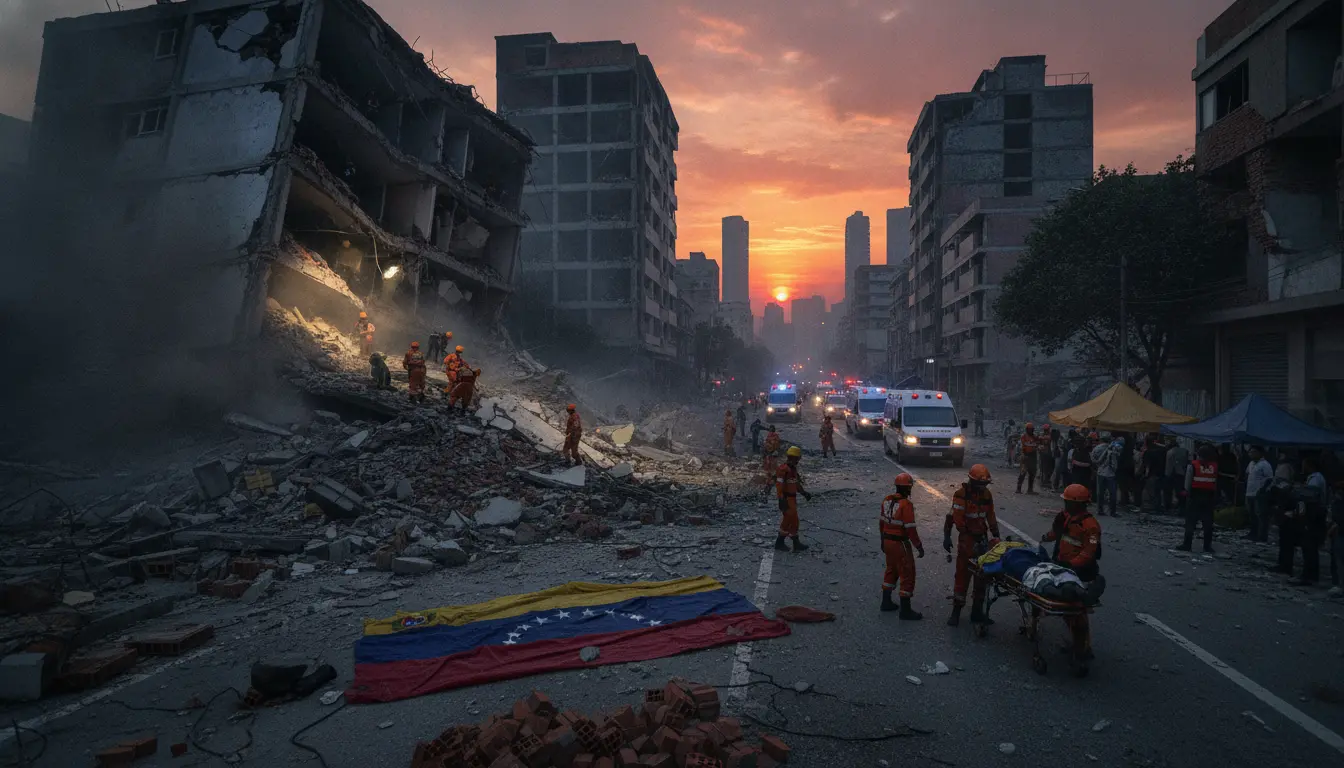
Deadly Earthquakes Strike Venezuela, Casualties Mount as Rescue Efforts Continue
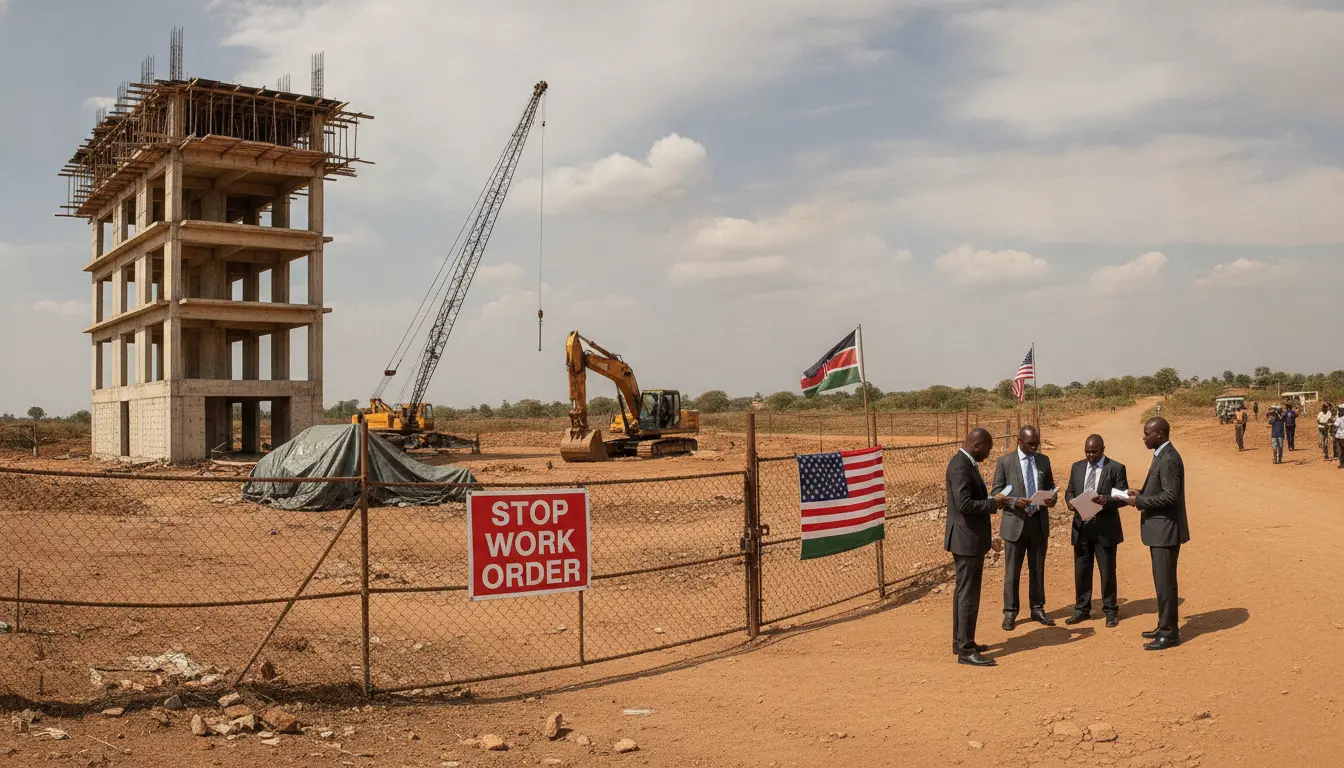
Kenyan Court Order Halts Construction of Crucial US-Backed Infectious Disease Facility
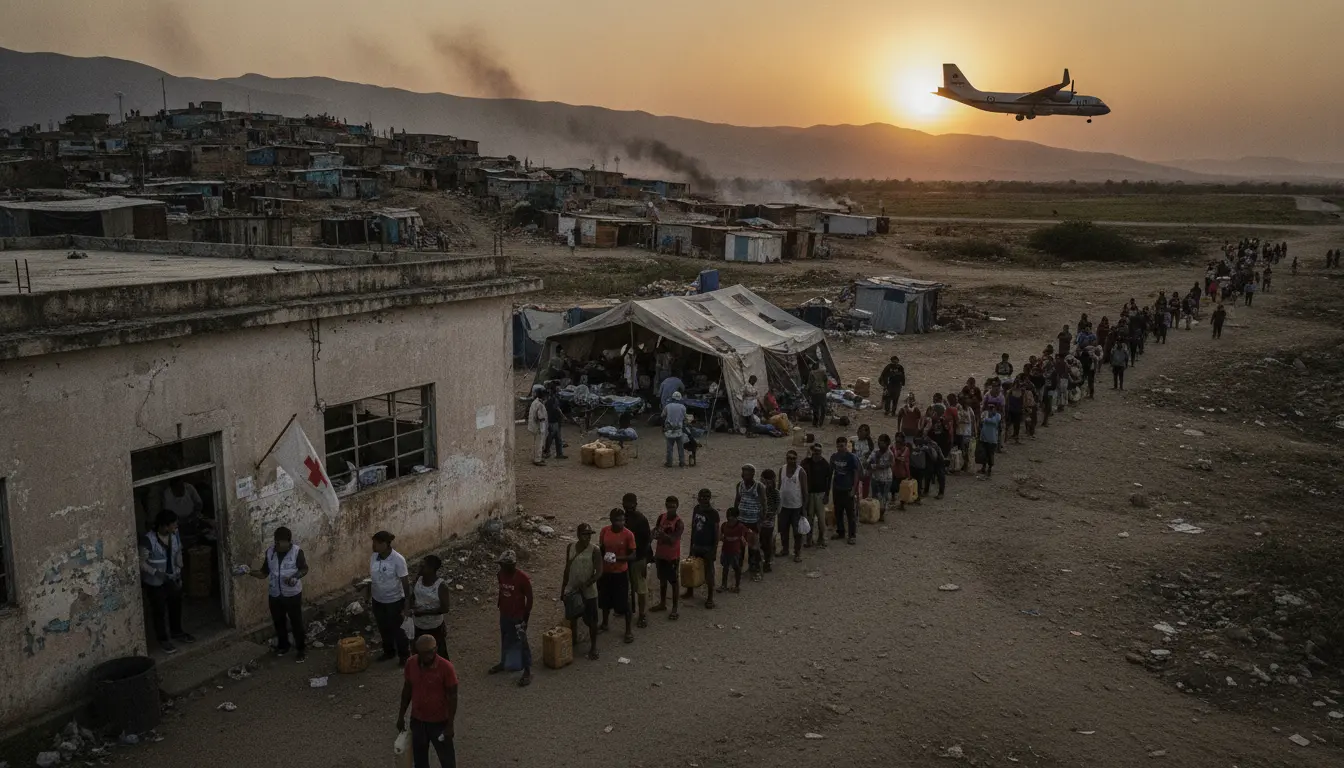
Venezuela's Humanitarian Crisis Prompts Renewed Push for Major International Aid
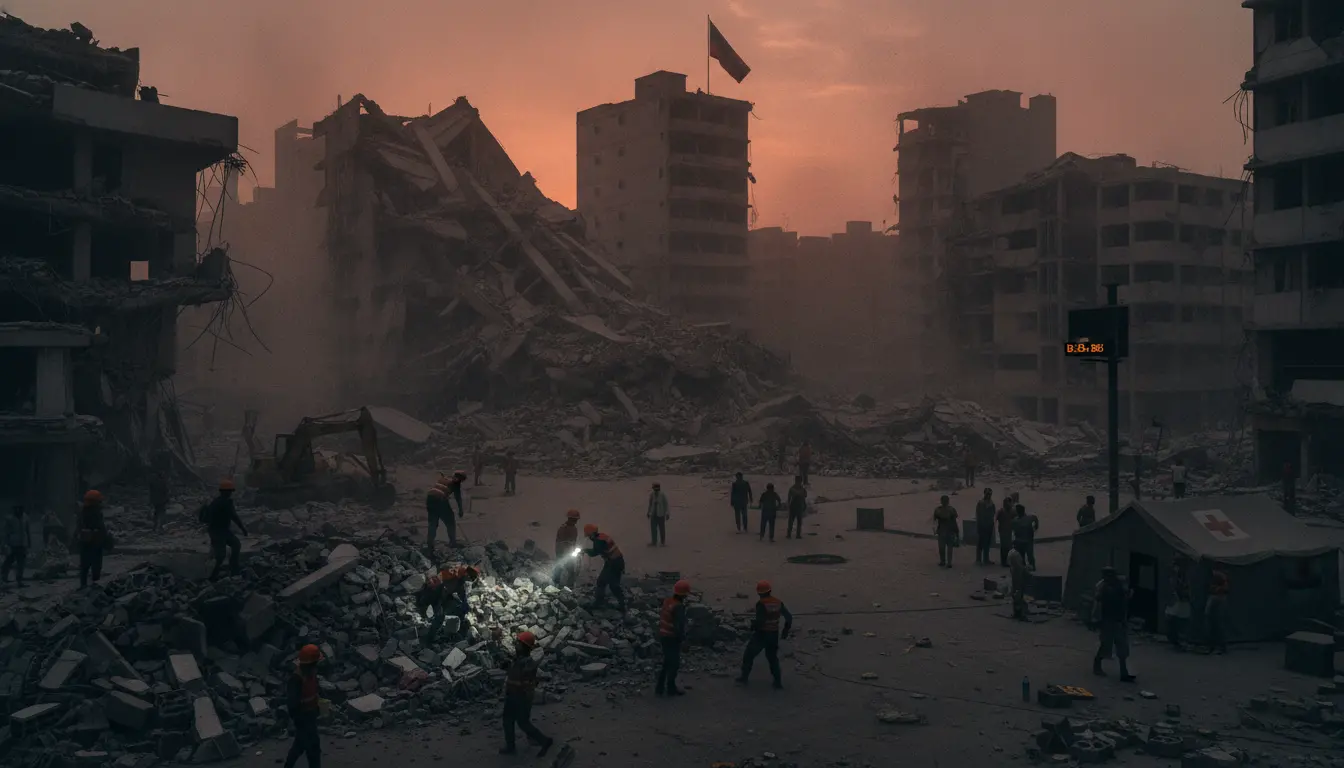
Devastating Earthquake Rocks Venezuela, Initial Death Toll Reaches 32 Amid Intense Rescue Efforts