


France Confirms First Ebola Patient Following Doctor's Return from DRC Outbreak Zone
French health authorities have confirmed the nation's first laboratory-identified human case of Ebola virus disease, raising immediate concerns and activating stringent public health protocols. The patient is a medical doctor who recently returned from a humanitarian mission in the Democratic Republic of Congo (DRC), where a significant Ebola outbreak has been ongoing. This development underscores the persistent global health challenge posed by the highly virulent pathogen and the intricate interconnectedness of international travel and disease transmission. The individual is reportedly isolated and receiving specialized care, while an aggressive contact tracing effort is underway to identify and monitor anyone who may have come into contact with the patient since their return.
The confirmation in France comes amidst a challenging period for public health, with international health organizations closely monitoring several outbreaks across Africa. The Democratic Republic of Congo, in particular, has been grappling with recurrent Ebola epidemics for decades, with the most recent outbreaks in its eastern provinces proving particularly difficult to contain due to a confluence of factors including conflict, population displacement, and logistical complexities. Healthcare workers, often on the front lines in remote and underserved areas, face elevated risks of exposure, making their safe return and monitoring paramount to preventing wider international spread. The doctor's repatriation and subsequent diagnosis highlight the critical need for robust screening and isolation procedures for individuals returning from high-risk zones.
Ebola virus disease, caused by the Ebola virus, is a severe, often fatal illness with symptoms including fever, severe headache, muscle pain, weakness, fatigue, diarrhea, vomiting, stomach pain, and unexplained bleeding or bruising. The virus is transmitted to humans from wild animals and then spreads through human-to-human transmission via direct contact with the blood, secretions, organs or other bodily fluids of infected people, and with surfaces and materials (e.g. bedding, clothing) contaminated with these fluids. The incubation period, the time interval from infection to onset of symptoms, is typically between 2 and 21 days. This wide window necessitates extended monitoring periods for potentially exposed individuals, adding complexity to contact tracing efforts. Despite its severity, early diagnosis and supportive care significantly improve survival rates, emphasizing the importance of rapid medical intervention.
The immediate response from French health officials has focused on containing any potential secondary transmission. The patient was identified quickly due to their medical background and awareness of the risks, leading to prompt isolation. Contact tracers are diligently working to map the individual's movements and interactions since entering France, reaching out to family members, colleagues, and anyone else who might have been in close proximity. This meticulous process is a cornerstone of outbreak management, aiming to break chains of transmission before the virus can establish a foothold within the wider community. Public health agencies are also issuing guidance to healthcare providers on vigilance and reporting protocols for any suspected cases, reinforcing the collective effort to safeguard public health.
This incident serves as a stark reminder that infectious disease outbreaks, wherever they occur, are a global concern. The rapid movement of people across continents means that local epidemics can quickly evolve into international health challenges, demanding coordinated global responses. International collaboration, sharing of epidemiological data, and continuous investment in vaccine development and rapid diagnostics are crucial tools in the arsenal against such threats. While the situation in France is currently contained to a single imported case, the vigilance and proactive measures taken will be critical in ensuring that the virus does not spread further, protecting both the French population and contributing to global health security efforts against Ebola.
Ultimately, the ability of countries like France to quickly identify, isolate, and manage imported cases of highly infectious diseases like Ebola reflects the strength and preparedness of their national health systems. Lessons learned from past outbreaks, coupled with ongoing scientific advancements, provide a framework for managing such events. However, the persistent outbreaks in regions like the DRC highlight the continuous need for humanitarian support, stable governance, and robust public health infrastructure in the countries where these diseases are endemic, as global health remains only as strong as its weakest link.
Stay Informed. Act Smarter.
Get weekly highlights, major headlines, and expert insights — then put your knowledge to work in our live prediction markets.
Related News

Ebola Outbreak in DRC and Uganda Escalates to International Emergency, Sparks Global Monitoring After French Case
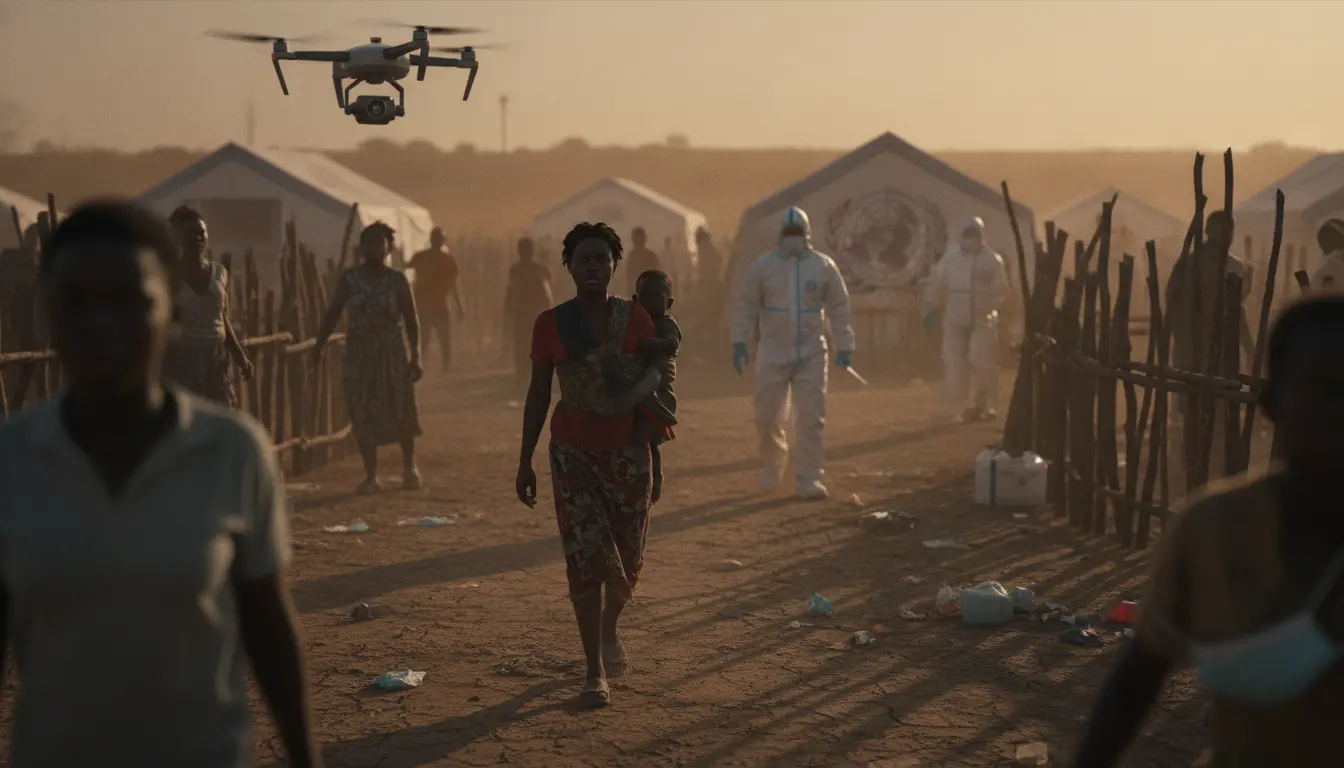
WHO Under Scrutiny Amid Protracted Ebola Outbreak in DR Congo; International Community on Alert
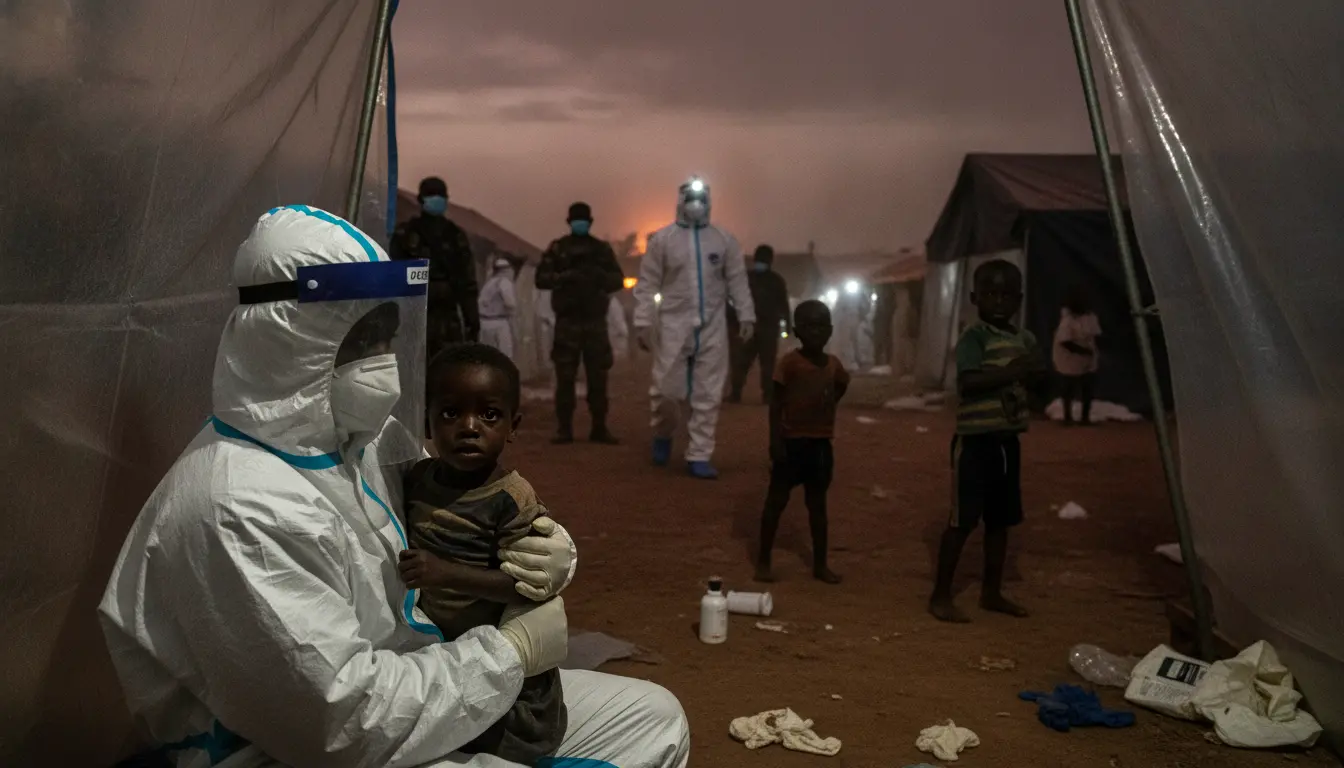
Democratic Republic of Congo Battles Rapidly Escalating Ebola Outbreak Amid Warnings of Child Infection Spike
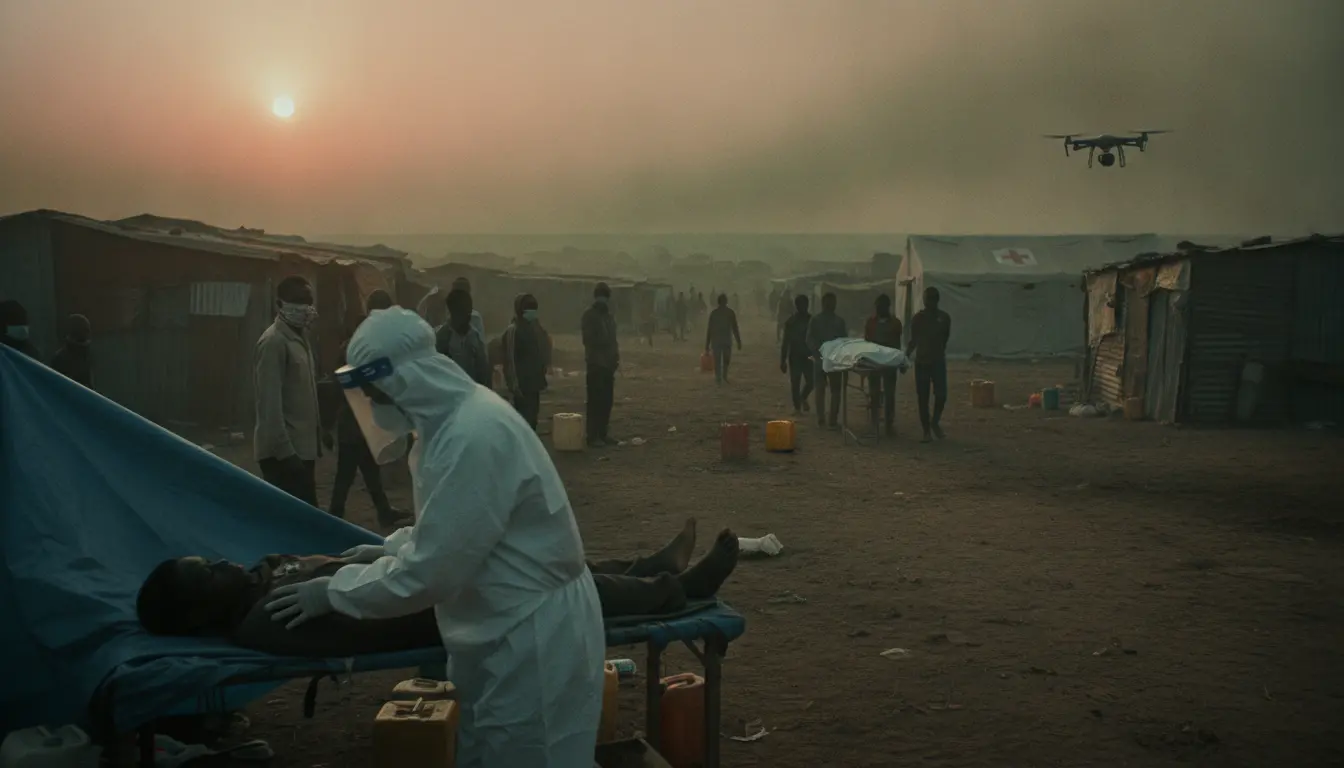
Africa Grapples with 'Fastest-Growing Ever' Ebola Outbreak Amidst Rising Death Toll
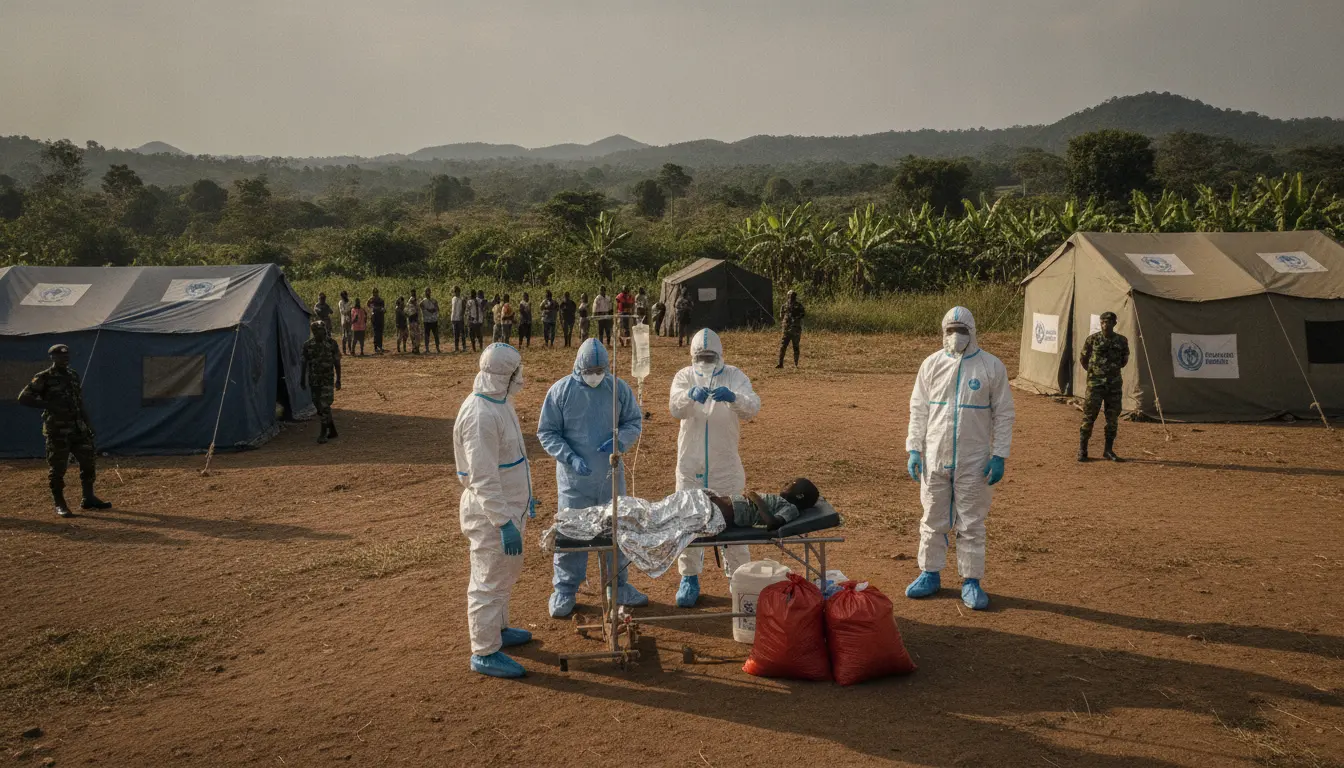
Democratic Republic of Congo Confronts Unprecedented Ebola Outbreak Amidst Regional Health Crisis
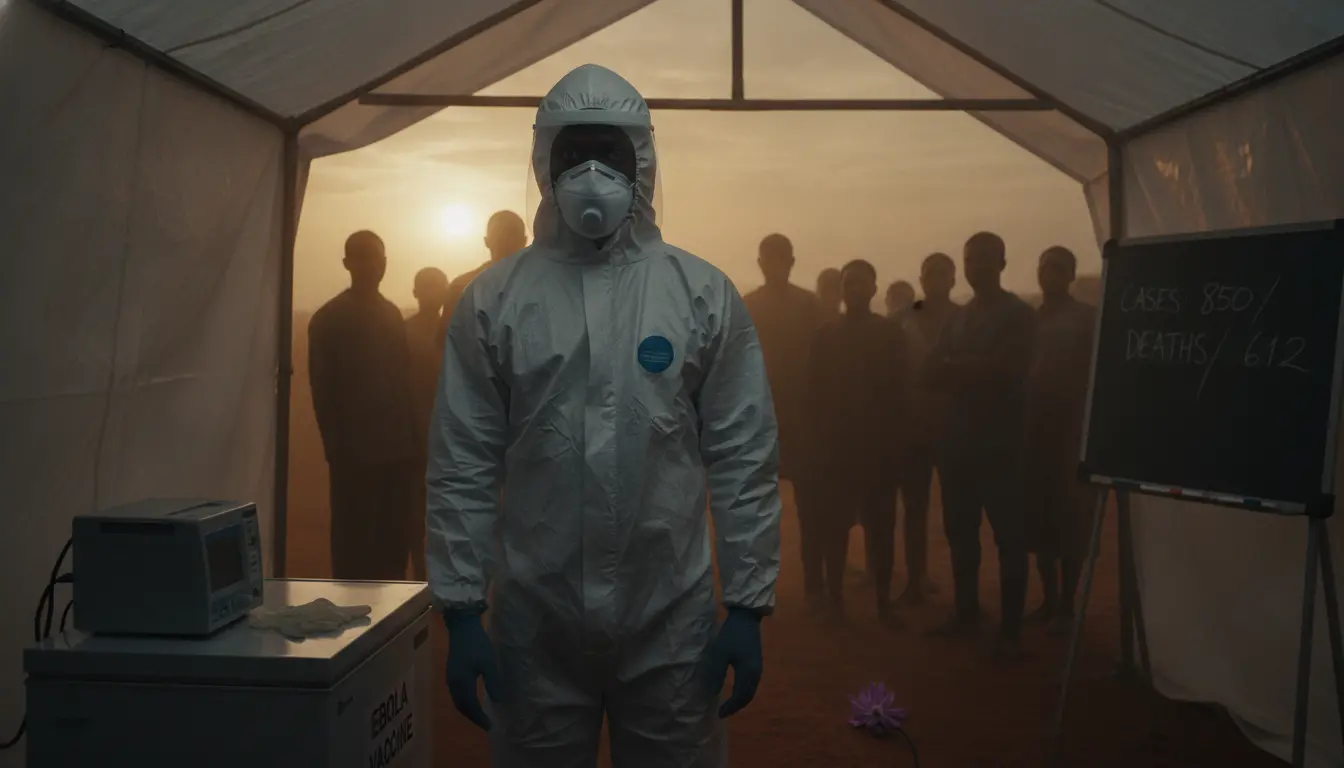
Africa CDC Warns of Unprecedented Ebola Spread as DR Congo Death Toll Climbs Past 600

Australia Records First Mainland H5N1 Bird Flu Case Amid Global Pandemic Watch

Macron Government Navigates Instability Amid Persistent Early Election Speculation

French Government Under Constant Threat of Collapse From Opposition No-Confidence Votes
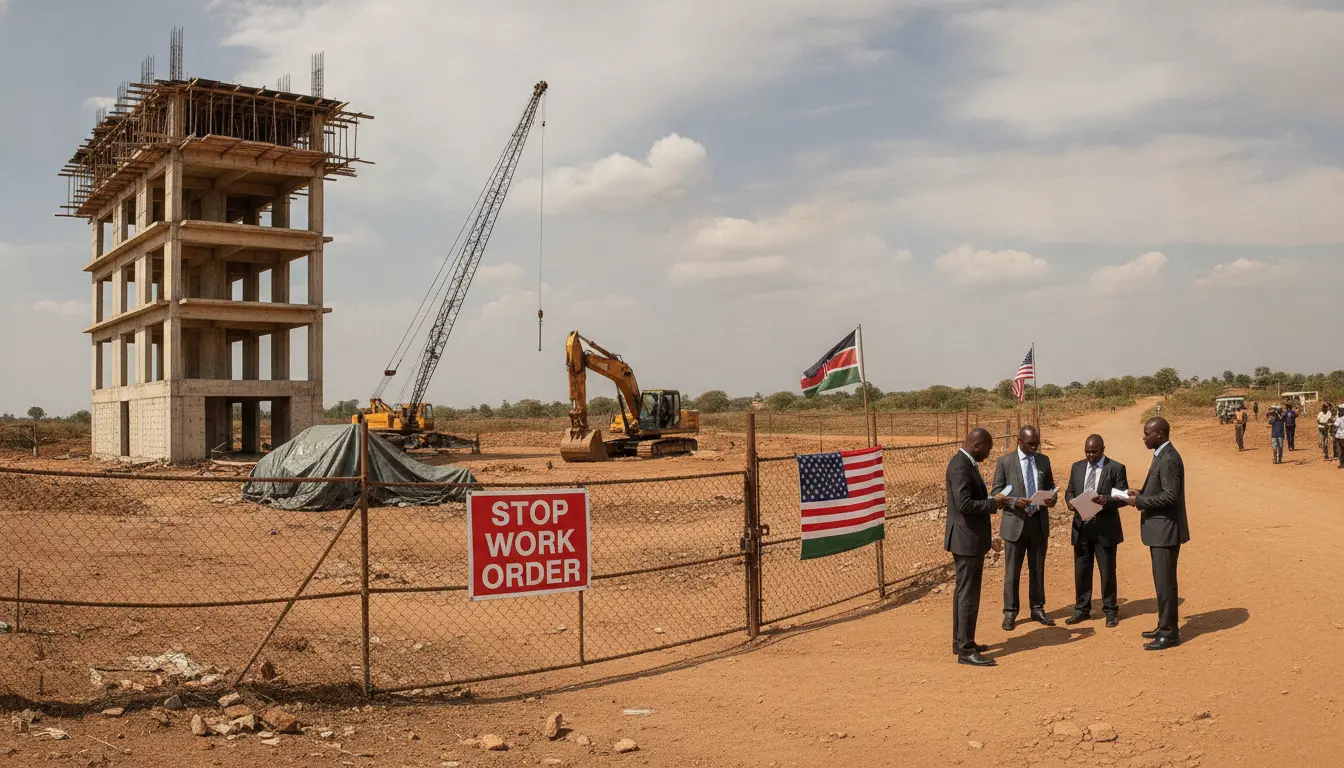
Kenyan Court Order Halts Construction of Crucial US-Backed Infectious Disease Facility