

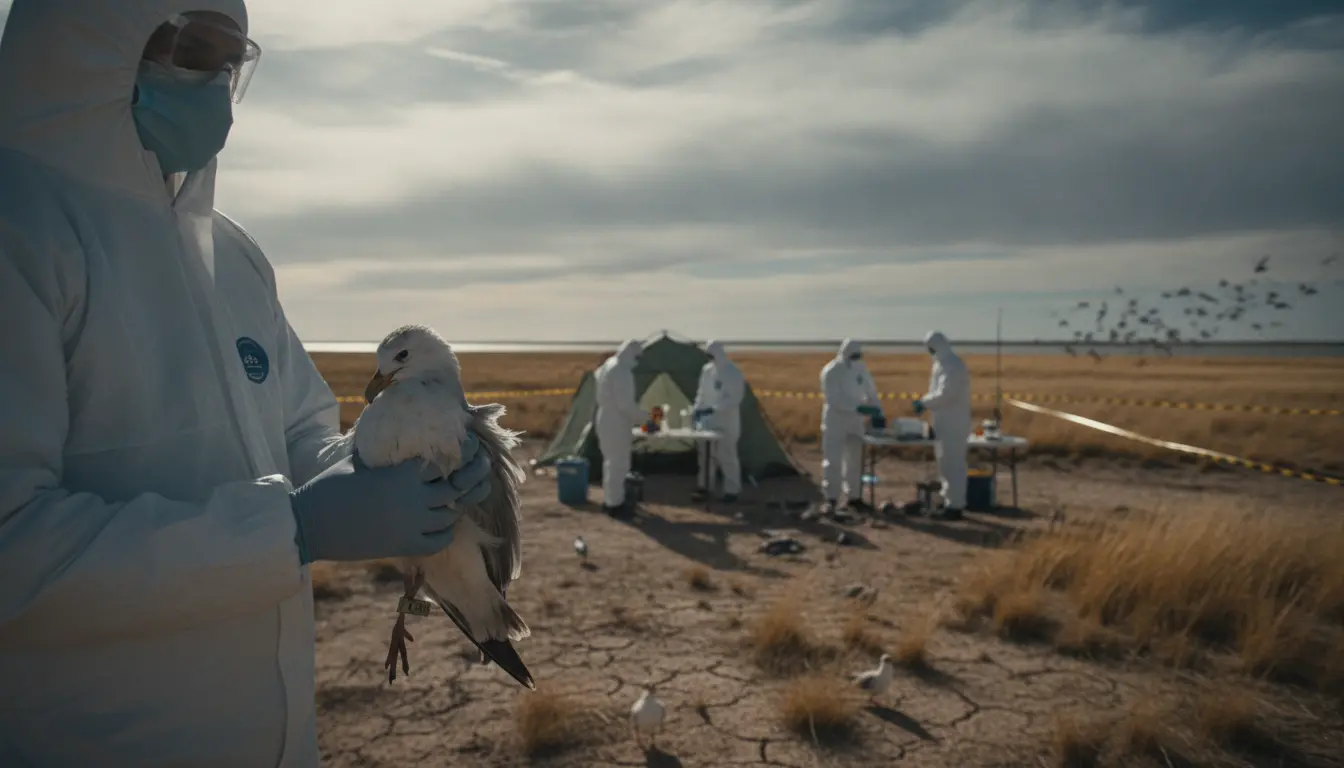
Australia Records First Mainland H5N1 Bird Flu Case Amid Global Pandemic Watch
Australia has officially reported its inaugural H5N1 avian influenza case on its mainland, a development that significantly escalates global health vigilance surrounding the highly pathogenic virus. The confirmation, stemming from a human infection linked to overseas travel, immediately triggers intensified surveillance and biosecurity measures across the continent, prompting concerns among public health officials worldwide about the virus's potential for broader human spread and the implications for pandemic preparedness. This isolated detection, while not signaling human-to-human transmission within Australia itself, spotlights the persistent and evolving threat posed by H5N1 as it continues to circulate among avian populations globally and occasionally spill over into other mammals and humans. The incident underscores the critical need for robust international cooperation and proactive strategies to monitor and contain what many experts consider one of the most serious infectious disease threats currently facing humanity.
For decades, the H5N1 strain of avian influenza has been a significant concern, but its recent resurgence and unprecedented global spread among wild birds and poultry have heightened anxieties. Originating primarily in Asia, the virus has now become endemic in many parts of the world, devastating bird populations and leading to significant economic losses in the agricultural sector. More recently, there has been a worrying trend of H5N1 spilling over into various mammal species, including cattle in the United States, raising new questions about its adaptability and zoonotic potential. While human infections remain rare, they are often severe, with a high mortality rate, fueling fears that the virus could mutate to acquire the ability for efficient human-to-human transmission, a critical step towards triggering a full-scale pandemic. International health organizations, including the World Health Organization (WHO) and the Centers for Disease Control and Prevention (CDC), have continuously monitored the virus, emphasizing the need for robust surveillance systems and rapid response protocols.
The Australian case, identified in Victoria, involved a child who had recently returned from overseas, indicating an imported infection rather than local human-to-human spread. This distinction is crucial, as it suggests the virus was contracted abroad and detected upon arrival, demonstrating the effectiveness of existing public health monitoring systems. However, the discovery of H5N1 in a poultry farm in Victoria shortly after the human case, though a different strain (H7N3) that also causes avian influenza, illustrates the heightened alert status and the immediate biosecurity responses being implemented. Australian authorities moved swiftly to cull affected flocks, establish quarantine zones, and intensify surveillance in surrounding areas to prevent further animal-to-animal spread. The nation's long-standing geographic isolation and stringent biosecurity measures have historically protected it from many exotic diseases, making this H5N1 detection a particularly salient event for its public health framework.
Scientists globally are meticulously tracking the genetic evolution of H5N1, particularly focusing on any mutations that could enhance its ability to bind to human receptors and transmit between people. While current strains primarily infect birds and require close contact for human infection, the sheer volume of virus circulating worldwide increases the statistical likelihood of such a mutation emerging. Experts warn that a strain capable of sustained human-to-human transmission, especially given the virus's virulence, could pose an unprecedented global health catastrophe. Research efforts are underway to develop more effective vaccines and antiviral treatments, but the dynamic nature of influenza viruses means these tools must be continuously updated and readily deployable. The Australian incident, therefore, serves as a stark reminder that no country is entirely immune from global pathogen threats, reinforcing the universal call for enhanced pandemic preparedness, including robust diagnostic capabilities, rapid vaccine development platforms, and coordinated international responses.
The immediate focus for Australian health authorities remains on containing the current outbreaks in poultry and maintaining vigilant surveillance for any signs of further human infections or local transmission. The incident has spurred a review of existing national biosecurity protocols and public health emergency plans, ensuring they are adequately robust to address evolving threats. Internationally, the H5N1 situation continues to highlight the need for greater transparency in reporting animal outbreaks, seamless data sharing between countries, and equitable access to resources for disease control. The prospect of human-to-human transmission, while not yet a reality for H5N1, remains a paramount concern for infectious disease experts. The global scientific community is working collaboratively to understand the virus's ecology, epidemiology, and pathogenesis, aiming to anticipate and mitigate the risks before they escalate. The coming months and years will be crucial in determining the trajectory of this evolving public health challenge, with every new detection reinforcing the urgency of preparedness.
Stay Informed. Act Smarter.
Get weekly highlights, major headlines, and expert insights — then put your knowledge to work in our live prediction markets.
Related News

France Confirms First Ebola Patient Following Doctor's Return from DRC Outbreak Zone

Africa Grapples with 'Fastest-Growing Ever' Ebola Outbreak Amidst Rising Death Toll

Ebola Outbreak in DRC and Uganda Escalates to International Emergency, Sparks Global Monitoring After French Case
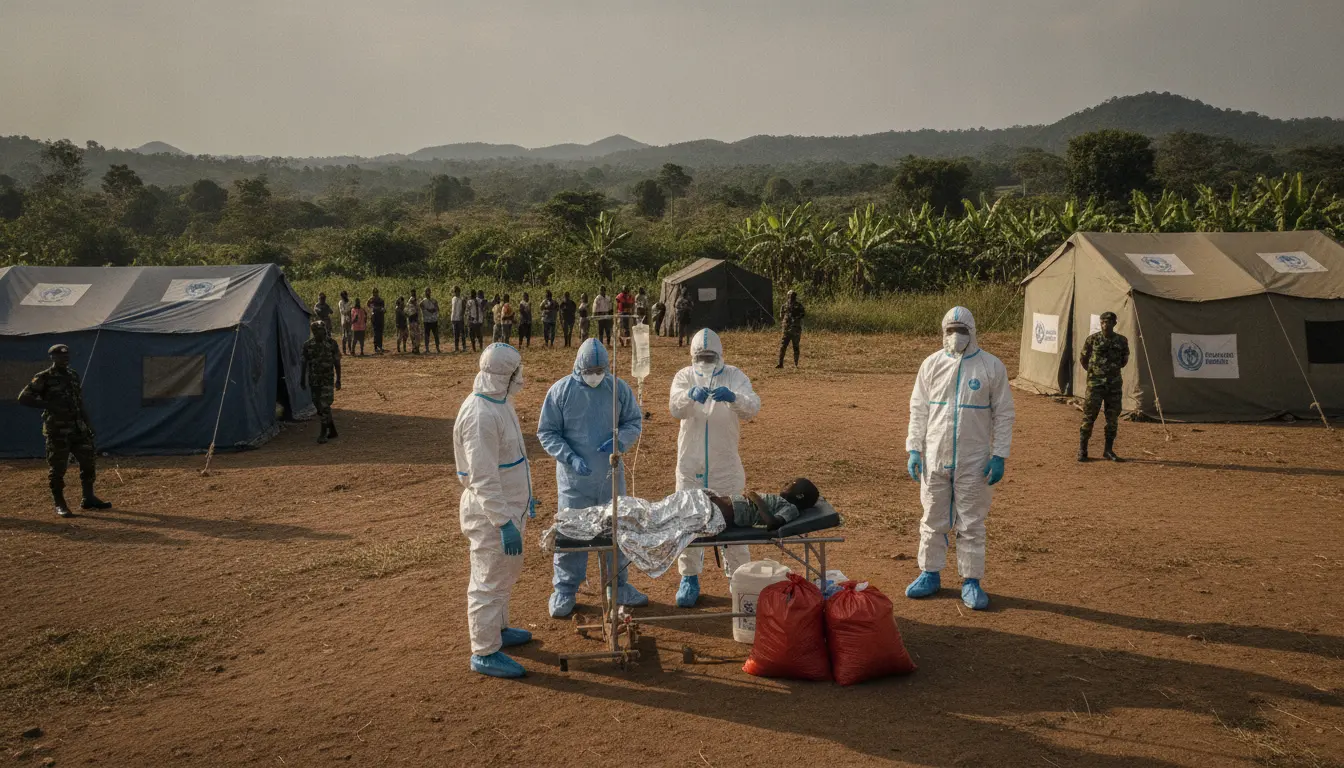
Democratic Republic of Congo Confronts Unprecedented Ebola Outbreak Amidst Regional Health Crisis

Africa CDC Warns of Unprecedented Ebola Spread as DR Congo Death Toll Climbs Past 600
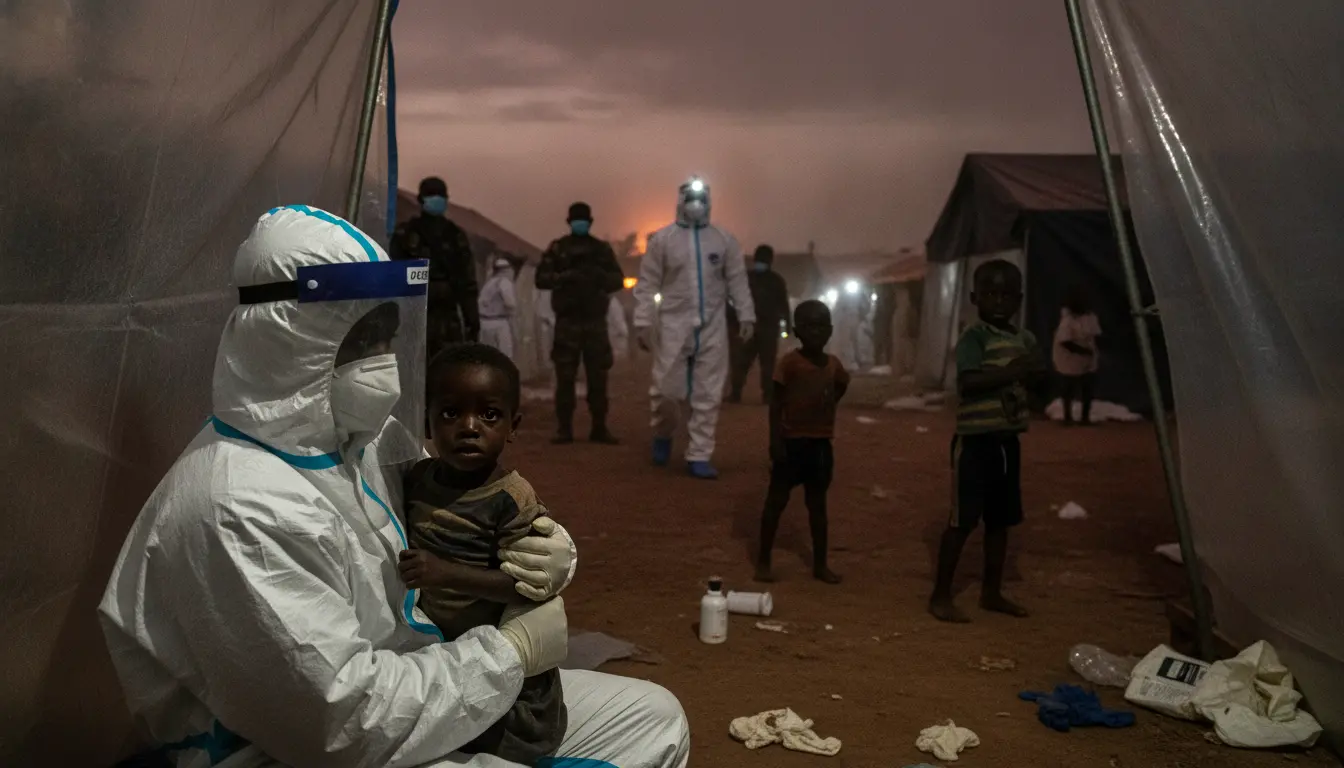
Democratic Republic of Congo Battles Rapidly Escalating Ebola Outbreak Amid Warnings of Child Infection Spike
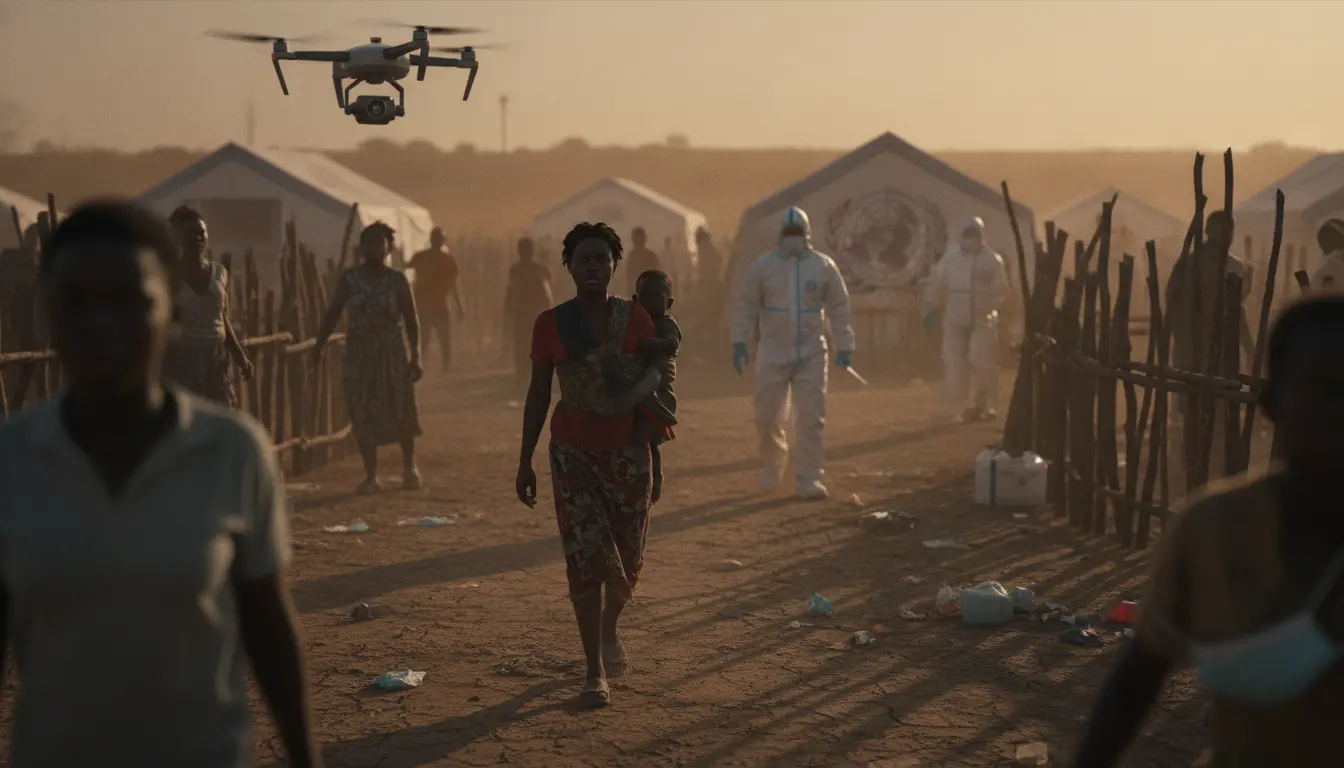
WHO Under Scrutiny Amid Protracted Ebola Outbreak in DR Congo; International Community on Alert

Hawaii Braces for Potential Historic Direct Hit as Potent Hurricane Lala Approaches

Kenyan Court Order Halts Construction of Crucial US-Backed Infectious Disease Facility

Oldest known plague outbreak killed hunter-gatherer children