

- News
- Politics
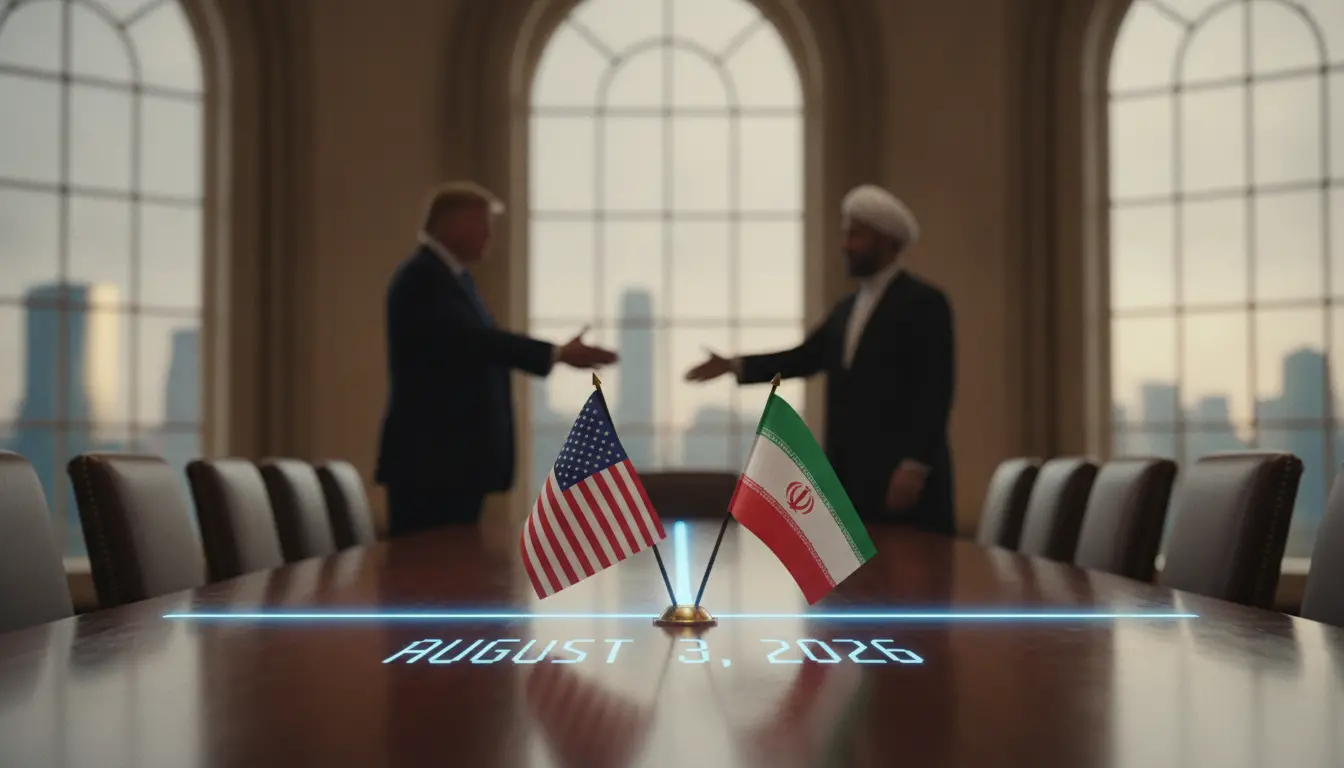
- Trump Administration Announces Intent to Resume Formal Nuclear Negotiations with Iran on August 3, 2026
Trump Administration Announces Intent to Resume Formal Nuclear Negotiations with Iran on August 3, 2026
In a dramatic shift in foreign policy, the Trump administration has signaled its intent to resume formal nuclear negotiations with Iran, with talks slated to commence on Monday, August 3, 2026. The announcement follows President Trump's decision to call off a series of planned military strikes targeting Iranian facilities, a move that has temporarily defused a rapidly escalating crisis in the Persian Gulf. This development marks a pivotal moment for US-Iran relations, potentially opening a diplomatic pathway after years of heightened tensions and a confrontational "maximum pressure" campaign.
The decision to re-engage diplomatically comes after a period of intense brinkmanship that saw both nations teetering on the precipice of direct military confrontation. While the specifics of the proposed talks remain largely undisclosed, the very prospect of Washington and Tehran sitting at the negotiating table represents a significant departure from the aggressive posture that has defined their interactions since the US unilaterally withdrew from the Joint Comprehensive Plan of Action (JCPOA) in 2018. That withdrawal, orchestrated by the Trump administration during its previous term, dismantled a multilateral agreement designed to curb Iran's nuclear ambitions in exchange for sanctions relief, ushering in an era of renewed sanctions and Iranian acceleration of its nuclear program.
Since the JCPOA's collapse, Iran has steadily exceeded the agreement's limits on uranium enrichment, stockpile size, and advanced centrifuge development, raising proliferation concerns among international watchdogs and Western allies. The "maximum pressure" policy, which saw the imposition of sweeping sanctions targeting Iran's oil exports, financial sector, and key individuals, aimed to compel Tehran to negotiate a broader deal encompassing its ballistic missile program and regional activities. However, critics argued this approach only pushed Iran closer to nuclear breakout capabilities and fueled regional instability, leading to proxy conflicts, attacks on shipping, and cyber warfare.
President Trump's current move to initiate direct talks suggests a recalibration of strategy, acknowledging the limits of coercive measures alone and perhaps recognizing the urgent need to prevent a wider conflict. For Iran, the offer of negotiations, especially if it hints at potential sanctions relief, presents a complex dilemma. Hardliners within the Iranian leadership have long viewed direct talks with the US with deep suspicion, advocating for resilience against external pressure. Any engagement would require careful navigation of domestic political currents and a clear understanding of the parameters of a potential new agreement, particularly concerning economic benefits and security assurances.
International stakeholders, including European powers, China, and Russia—all signatories to the original JCPOA—are likely to cautiously welcome any de-escalation and a return to diplomacy. These nations have consistently urged both Washington and Tehran to find a diplomatic resolution, though their capacity to mediate effectively has been limited by the bilateral nature of the current stand-off. Their involvement in any renewed negotiations would be crucial for ensuring legitimacy and broad international support for a revised accord.
The path ahead for these negotiations, if they indeed materialize formally on August 3rd, is fraught with challenges. Deep mistrust persists on both sides, and the gaps between their respective demands remain vast. The US seeks a deal that is "longer and stronger," addressing issues beyond the scope of the original JCPOA, while Iran demands an end to crippling sanctions and guarantees that any future agreement will not be unilaterally abandoned again. The immediate task will be establishing a framework for dialogue that can bridge these divides and lay the groundwork for a comprehensive resolution, potentially averting a major regional and global crisis.
Success in these talks hinges not only on the willingness of leaders to compromise but also on the ability of technical teams to craft verifiable agreements on nuclear parameters and a credible pathway for sanctions relief. The stakes are immense, encompassing regional stability, global non-proliferation efforts, and the future trajectory of US-Iran relations. The world watches keenly to see if this announced diplomatic opening will lead to a substantive breakthrough or merely a pause in a protracted and dangerous confrontation.
Stay Informed. Act Smarter.
Get weekly highlights, major headlines, and expert insights — then put your knowledge to work in our live prediction markets.
Related News

Future of US-Iran Diplomacy Under Scrutiny Amid Reports of Potential High-Level Talks

Diplomatic Efforts Mount to Salvage US-Iran De-escalation Agreement Amid Rising Regional Tensions
US and Iran Intensify Negotiations for Comprehensive Nuclear Deal Amid Regional Tensions
President Trump Poised to Announce New Iran Sanctions Amid Escalating Regional Tensions
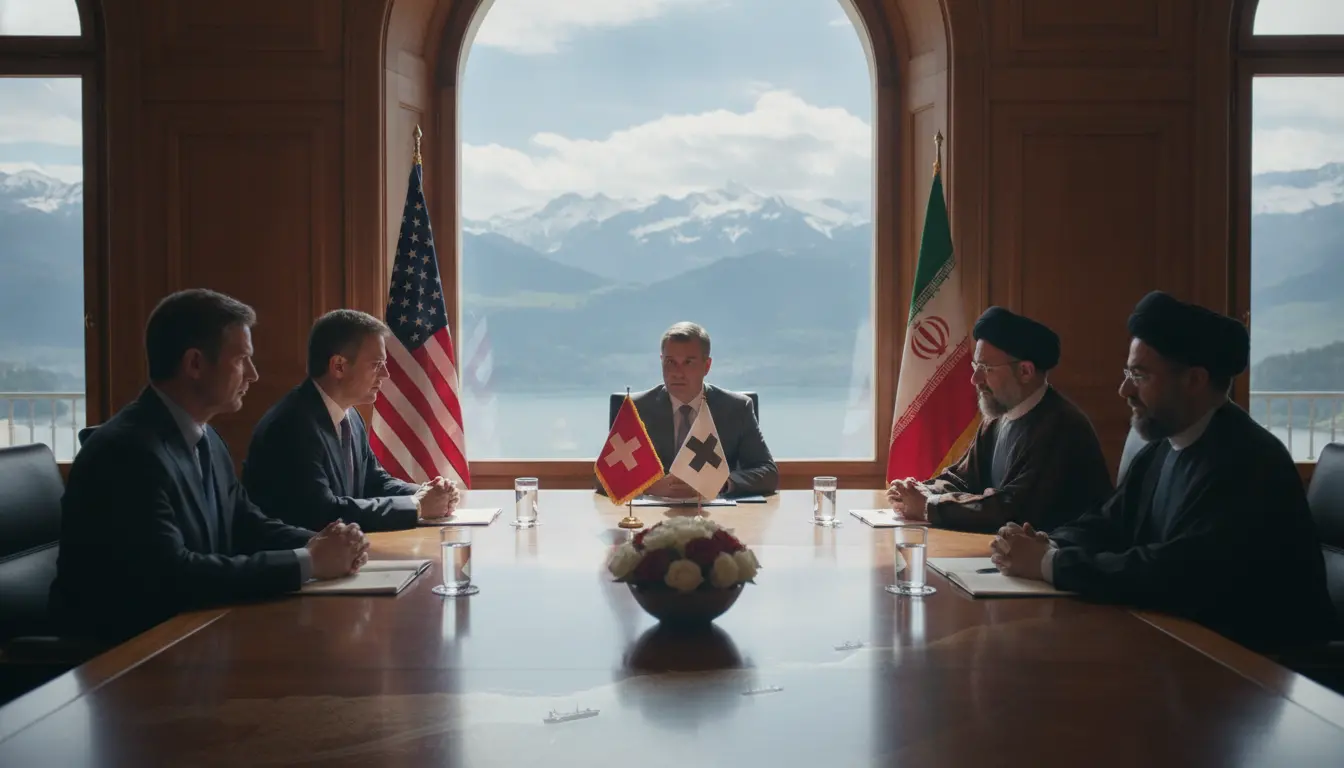
US and Iran Engage in Critical Swiss Talks Amidst Strait of Hormuz Tensions
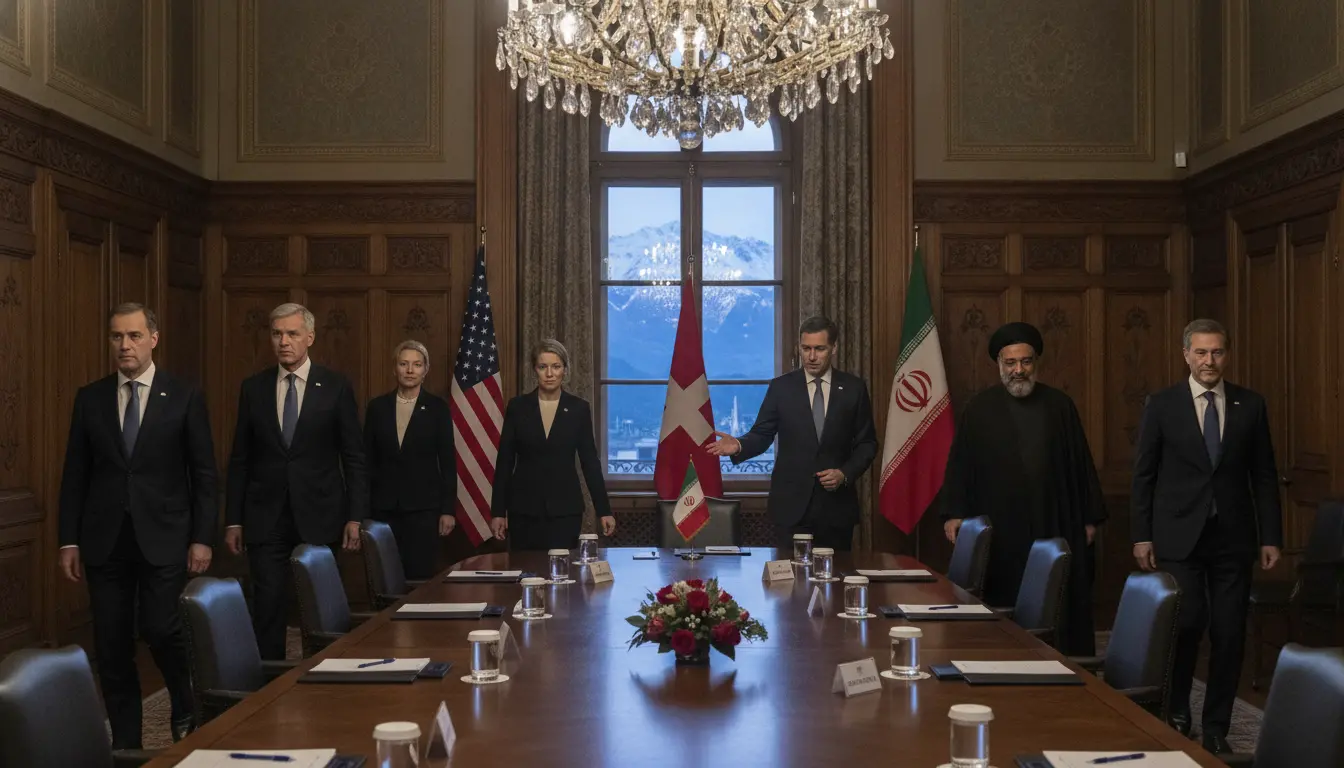
US-Iran delegations arrive as talks begin in Switzerland

U.S. and Iran agree to 'roadmap' for final deal, mediators say
Potential US Vice President JD Vance Engagement Signals Shifting Dynamics in Iran Nuclear Talks
US and Iran Face High-Stakes Negotiations Amidst Pressures to Secure Strait of Hormuz

US and Iran Set for High-Stakes Doha Talks on Ceasefire and Strait of Hormuz Disputes