

- News
- Politics
- Potential US Vice President JD Vance Engagement Signals Shifting Dynamics in Iran Nuclear Talks
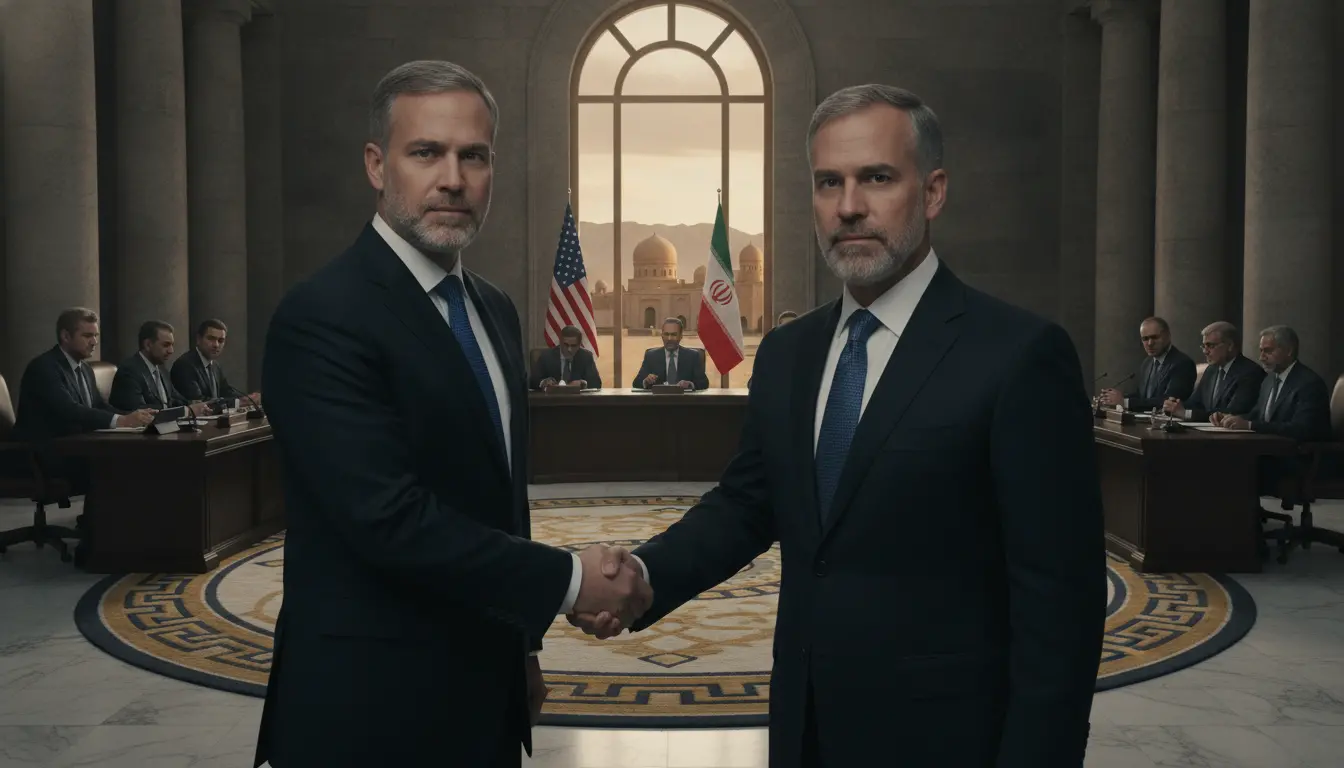
Potential US Vice President JD Vance Engagement Signals Shifting Dynamics in Iran Nuclear Talks
The prospect of high-level diplomatic engagement between the United States and Iran is once again at the forefront of international discourse, underscored by recent discussions around potential visits by top US officials. Speculation about a future US Vice President, such as JD Vance, traveling to a neutral venue like Switzerland for direct talks with Iranian representatives signals a possible strategic recalibration in Washington’s approach to Tehran, particularly concerning the stalled nuclear deal. While the path to such a meeting is fraught with complex political hurdles and deep-seated mistrust, the mere consideration of direct, senior-level dialogue indicates a recognition that existing strategies have struggled to yield breakthroughs in a highly volatile geopolitical landscape.
For years, the Joint Comprehensive Plan of Action (JCPOA), often known as the Iran nuclear deal, has been the central pillar of international efforts to prevent Iran from developing nuclear weapons. Signed in 2015 by Iran and the P5+1 nations (China, France, Germany, Russia, the United Kingdom, and the United States), the agreement saw Iran limit its nuclear activities in exchange for sanctions relief. However, the deal's future became uncertain when the United States unilaterally withdrew in 2018 under the Trump administration, reimposing a stringent “maximum pressure” campaign of sanctions. In response, Iran gradually scaled back its commitments under the JCPOA, intensifying uranium enrichment and restricting international inspection access, bringing its nuclear program closer to weapons-grade capabilities, according to international observers.
The current stalemate is characterized by escalating tensions in the Middle East, including proxy conflicts, shipping disruptions, and cyber warfare, all against the backdrop of Iran's continued advancements in its nuclear program. Efforts to revive the JCPOA have repeatedly faltered, with indirect talks yielding little progress. Both Washington and Tehran have presented conditions for resuming full compliance or initiating new negotiations, creating a diplomatic deadlock that has amplified regional instability and global proliferation concerns. The international community, while largely unified in its desire to prevent a nuclear-armed Iran, remains divided on the most effective means to achieve this, oscillating between punitive measures and calls for renewed dialogue.
Amid this challenging environment, the idea of a high-ranking US official undertaking direct talks represents a significant potential shift. Such a diplomatic endeavor would aim to bypass the layers of indirect communication and address core grievances head-on. A key objective would be to explore pathways to de-escalation, secure verifiable limits on Iran’s nuclear program, and potentially pave the way for a more comprehensive regional security framework. For the US, direct talks could offer an opportunity to test Iran’s willingness for genuine compromise, while for Iran, it could present a chance to secure much-needed sanctions relief and international legitimacy.
However, the challenges to arranging and conducting such talks are immense. Mutual distrust runs deep, exacerbated by decades of hostile rhetoric and geopolitical competition. Iran would likely demand significant concessions, including ironclad guarantees against future US withdrawals from any agreement, and substantial lifting of economic sanctions. Conversely, Washington would insist on rigorous verification mechanisms for Iran’s nuclear activities and potentially broader discussions on regional security issues, including Iran's ballistic missile program and its support for regional proxies, issues Iran has traditionally considered non-negotiable. The choice of Switzerland as a venue underscores the need for a neutral ground, a nation with a long history of facilitating sensitive international negotiations.
Ultimately, the potential for a direct, high-level diplomatic mission reflects a growing recognition that the current trajectory of US-Iran relations is unsustainable. While the specific timing and conditions for such talks remain subject to considerable political maneuvering and unforeseen developments, the very discussion surrounding a potential future Vice President’s involvement signals a strategic re-evaluation of diplomatic pathways. Any such engagement would represent a critical juncture, carrying both the promise of de-escalation and the risk of further entrenchment if a mutually acceptable path forward cannot be found. The stakes—regional stability, nuclear non-proliferation, and the future of international diplomacy—could not be higher.
Stay Informed. Act Smarter.
Get weekly highlights, major headlines, and expert insights — then put your knowledge to work in our live prediction markets.
Related News
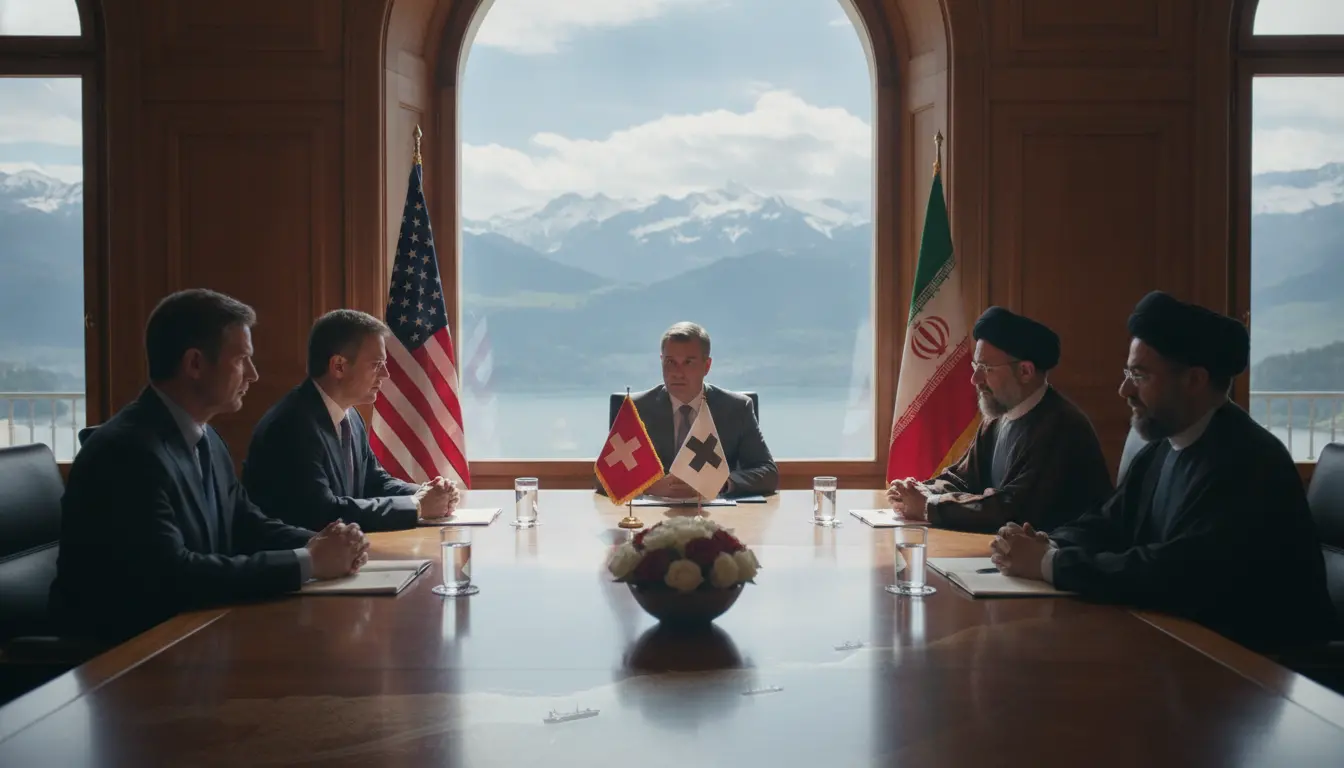
US and Iran Engage in Critical Swiss Talks Amidst Strait of Hormuz Tensions

Future of US-Iran Diplomacy Under Scrutiny Amid Reports of Potential High-Level Talks
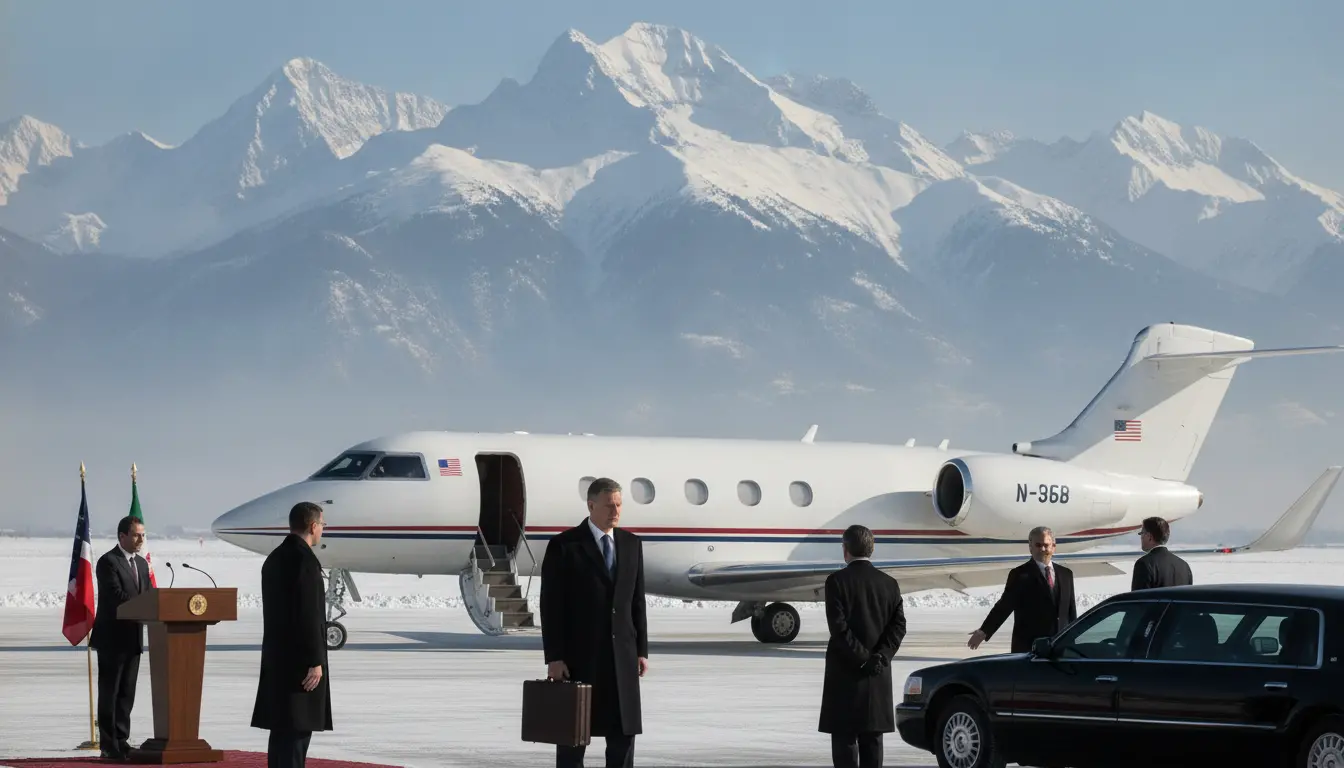
Vance arrives in Switzerland for US-Iran talks
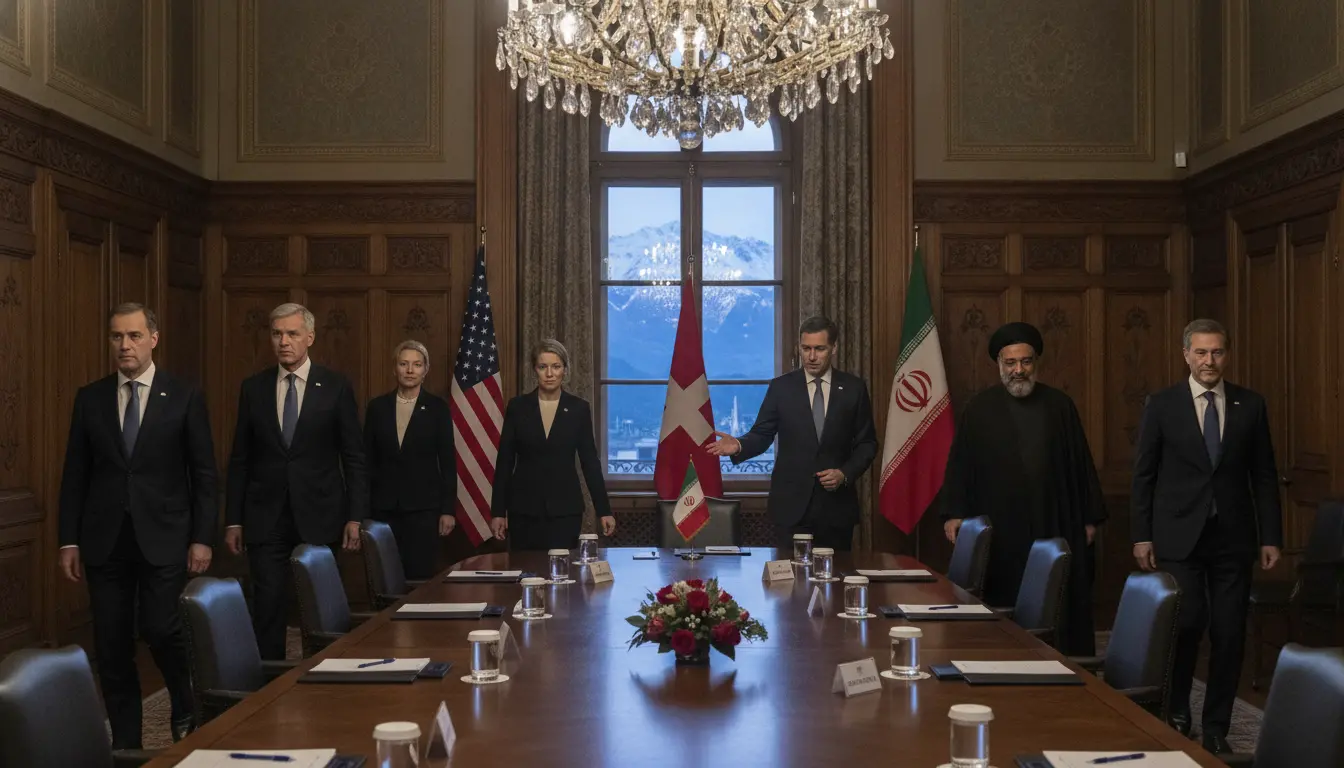
US-Iran delegations arrive as talks begin in Switzerland
US and Iran Envoys Convene in Switzerland for Crucial Diplomatic Talks

Vance leaves for Switzerland with Strait of Hormuz status unclear

Vance Delays Trip to Switzerland for Direct Talks on Iran Deal

US and Iran Weigh Direct Communication Channel as Diplomatic Efforts Continue
Trump threatens to 'hit Iran very hard again' while Vance is in Switzerland for talks
Sunday shows preview: Iran’s Strait of Hormuz closure threatens Trump MOU ahead of planned Switzerland peace talks