

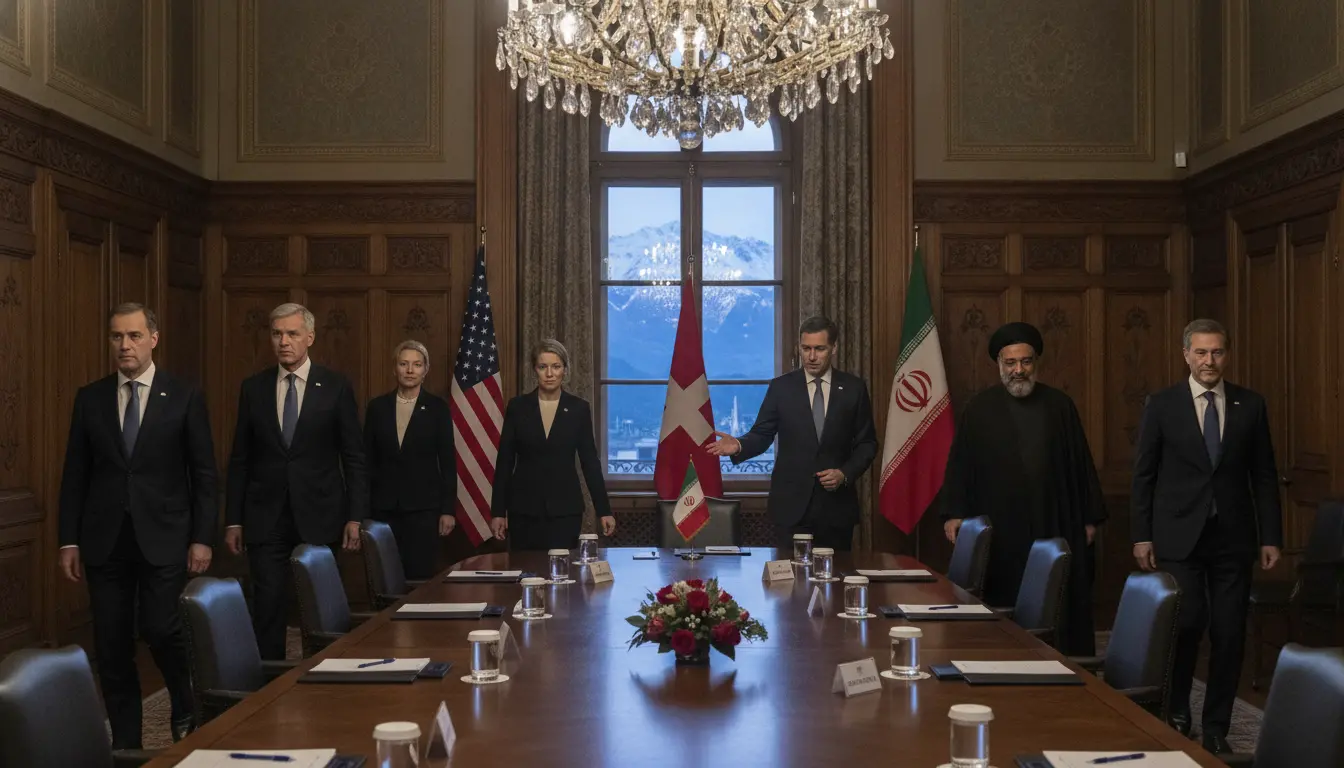
US-Iran delegations arrive as talks begin in Switzerland
Diplomatic delegations from the United States and Iran have arrived in Switzerland, signaling the commencement of discreet, high-stakes discussions aimed at addressing the myriad tensions that continue to define one of the world's most fraught bilateral relationships. While direct, high-level talks between Washington and Tehran remain largely elusive, the presence of these delegations in a neutral European nation underscores an ongoing, albeit often indirect, effort to manage an intricate dynamic laden with geopolitical implications. These engagements, often mediated by third parties, have become a recurring feature of US-Iran relations, serving as critical conduits for communication in the absence of formal diplomatic ties and amidst persistent regional instability.
The historical backdrop to these latest discussions is one of deep-seated animosity and mistrust, exacerbated significantly since the 2018 unilateral withdrawal by the United States from the Joint Comprehensive Plan of Action (JCPOA), commonly known as the Iran nuclear deal. That decision, made under the previous administration, led to the re-imposition of crippling sanctions on Iran's economy and its vital oil exports. In retaliation, Tehran progressively scaled back its commitments under the nuclear accord, ramping up uranium enrichment activities and limiting international oversight, thereby bringing its nuclear program closer to weapons-grade levels—a capability Iran insists it does not seek, but which gravely concerns Western powers and regional adversaries. The ‘maximum pressure’ campaign, intended to compel Iran to renegotiate a broader deal, instead saw an escalation of tensions, including attacks on shipping, drone incidents, and proxy conflicts across the Middle East.
While the specific agenda for the Swiss talks remains tightly guarded, it is widely understood that these discussions invariably revolve around core points of contention: Iran's nuclear program, the scope and impact of international sanctions, and Tehran's regional activities, which Washington views as destabilizing. The potential for prisoner exchanges—a less politically charged but symbolically significant area of cooperation—often surfaces in such engagements, offering a tangible albeit limited path for de-escalation. These indirect dialogues frequently serve as a barometer for the overall health of the relationship, testing the waters for potential diplomatic off-ramps in moments of heightened crisis or assessing the feasibility of broader de-escalation efforts.
The choice of Switzerland as a venue is far from arbitrary; the Alpine nation has long served as a crucial diplomatic bridge between adversaries. Its steadfast neutrality provides a secure and confidential environment for sensitive negotiations, allowing delegations to engage without the pressure of direct confrontation or the glare of immediate public scrutiny. Swiss officials often play a quiet but instrumental role in facilitating logistics and conveying messages, ensuring that channels of communication remain open even when political rhetoric is at its most incendiary. This established role as an honest broker is vital for maintaining any semblance of dialogue between two nations with such fundamentally opposing worldviews.
However, the path to any substantive breakthrough remains fraught with immense challenges. Both the United States and Iran face significant domestic political pressures. In Washington, any perceived softening towards Iran often draws criticism from congressional hardliners and regional allies. In Tehran, the government must navigate the demands of powerful conservative factions and a populace reeling from economic hardship, making concessions a delicate political tightrope walk. The profound ideological divide, coupled with a deep historical grievance on both sides, means that trust is in critically short supply, making incremental steps the most realistic, if still ambitious, goal.
Ultimately, these Swiss discussions, regardless of their immediate outcome, serve a crucial function: preventing outright escalation. They represent a pragmatic acknowledgment that despite profound disagreements, maintaining a line of communication, however indirect, is essential to managing crises and avoiding miscalculation in a volatile region. As the delegations engage behind closed doors, the international community will watch closely, hoping that even the most modest of convergences could lay groundwork for a future, more stable diplomatic engagement, thereby contributing to broader regional and global security. The ongoing dance of diplomacy between Washington and Tehran continues, a delicate ballet performed on the precipice of perennial tensions, with the world holding its breath for any positive note from the wings of neutrality.
Stay Informed. Act Smarter.
Get weekly highlights, major headlines, and expert insights — then put your knowledge to work in our live prediction markets.
Related News
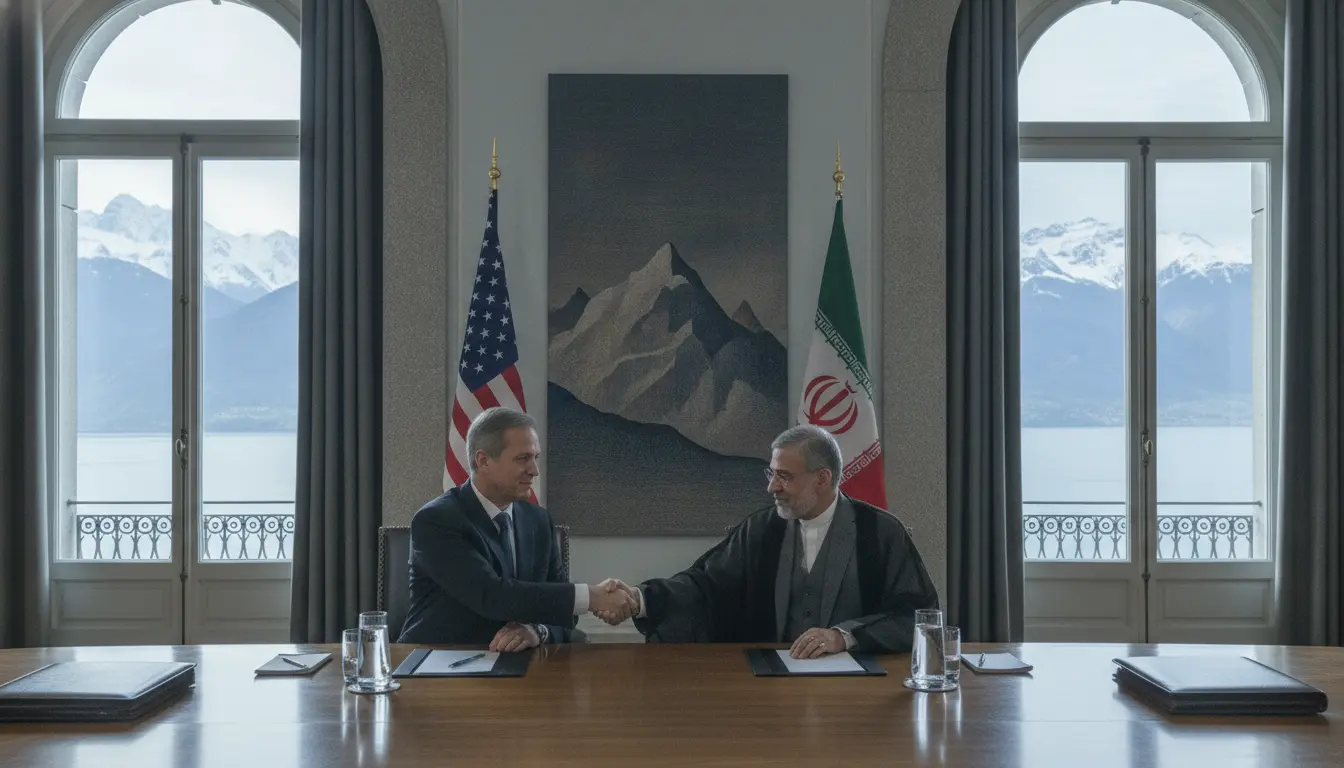
US and Iran Envoys Convene in Switzerland for Crucial Diplomatic Talks
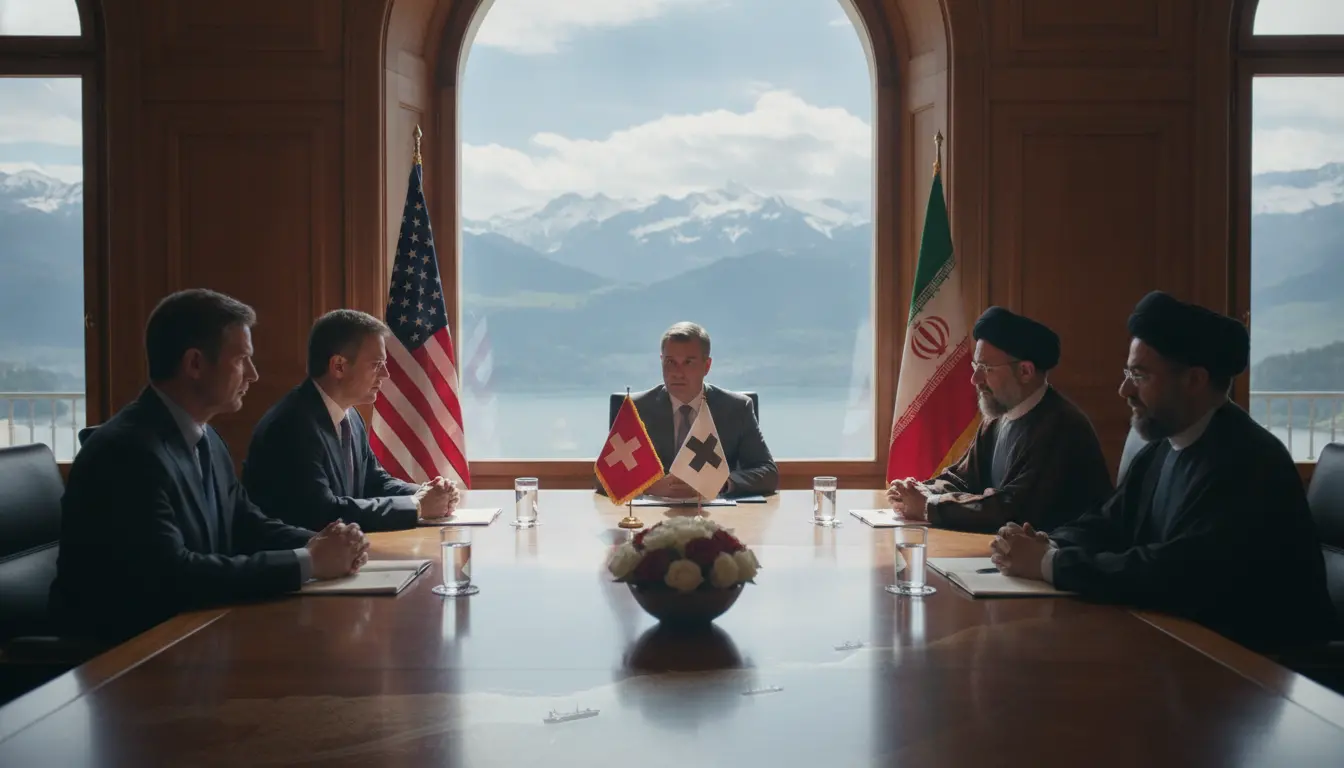
US and Iran Engage in Critical Swiss Talks Amidst Strait of Hormuz Tensions
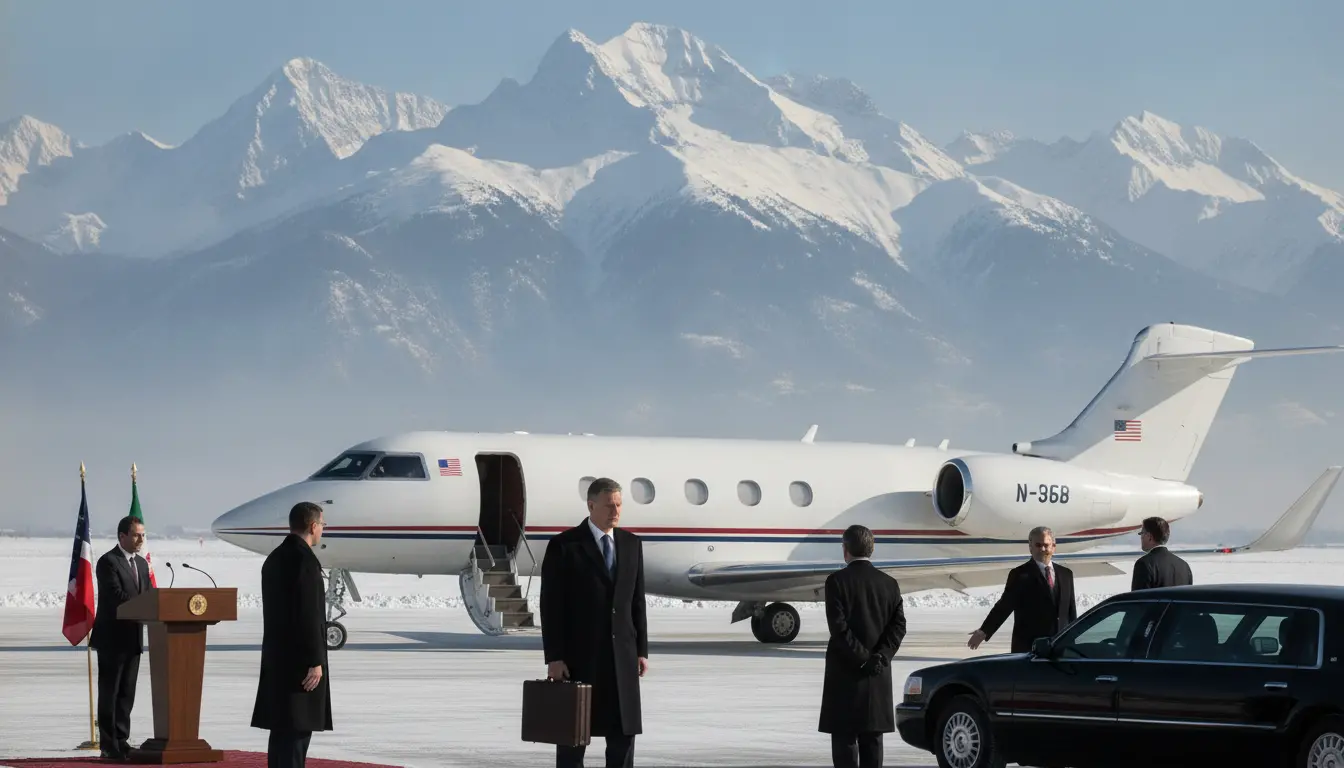
Vance arrives in Switzerland for US-Iran talks
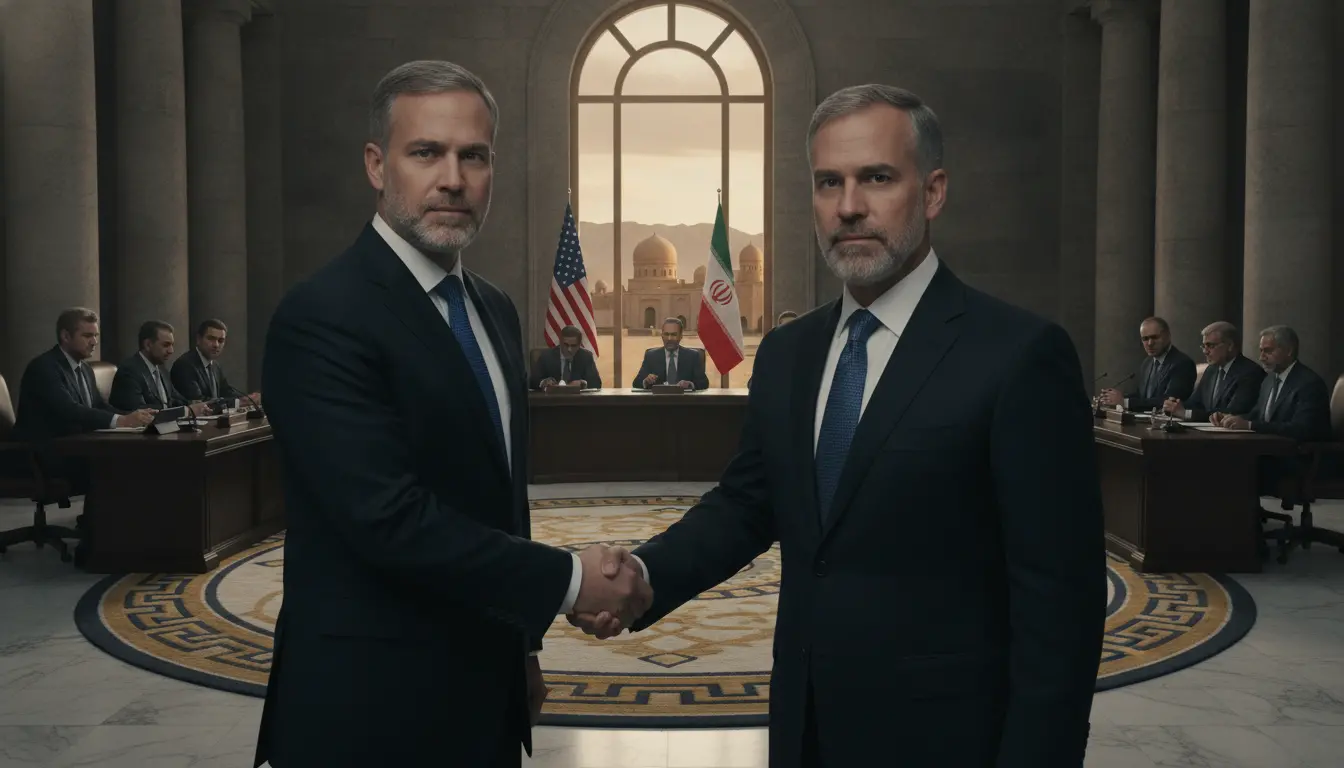
Potential US Vice President JD Vance Engagement Signals Shifting Dynamics in Iran Nuclear Talks

US and Iran Explore Diplomatic Pathways Amid Persistent Nuclear and Sanctions Standoff

Future of US-Iran Diplomacy Under Scrutiny Amid Reports of Potential High-Level Talks

US-Iran Nuclear Diplomacy Stalls Amid Envoy Delays and Regional Volatility
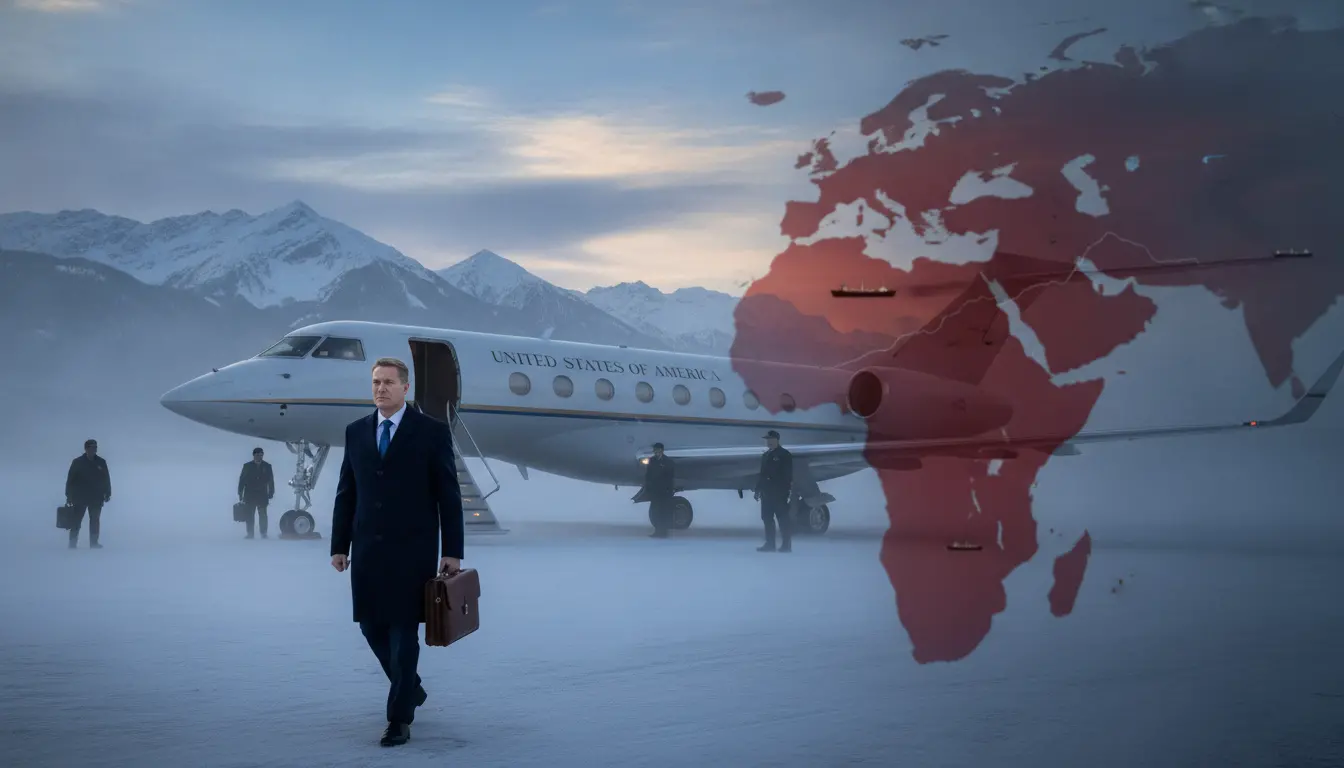
Vance leaves for Switzerland with Strait of Hormuz status unclear

US and Iran Weigh Direct Communication Channel as Diplomatic Efforts Continue

Vance Delays Trip to Switzerland for Direct Talks on Iran Deal