

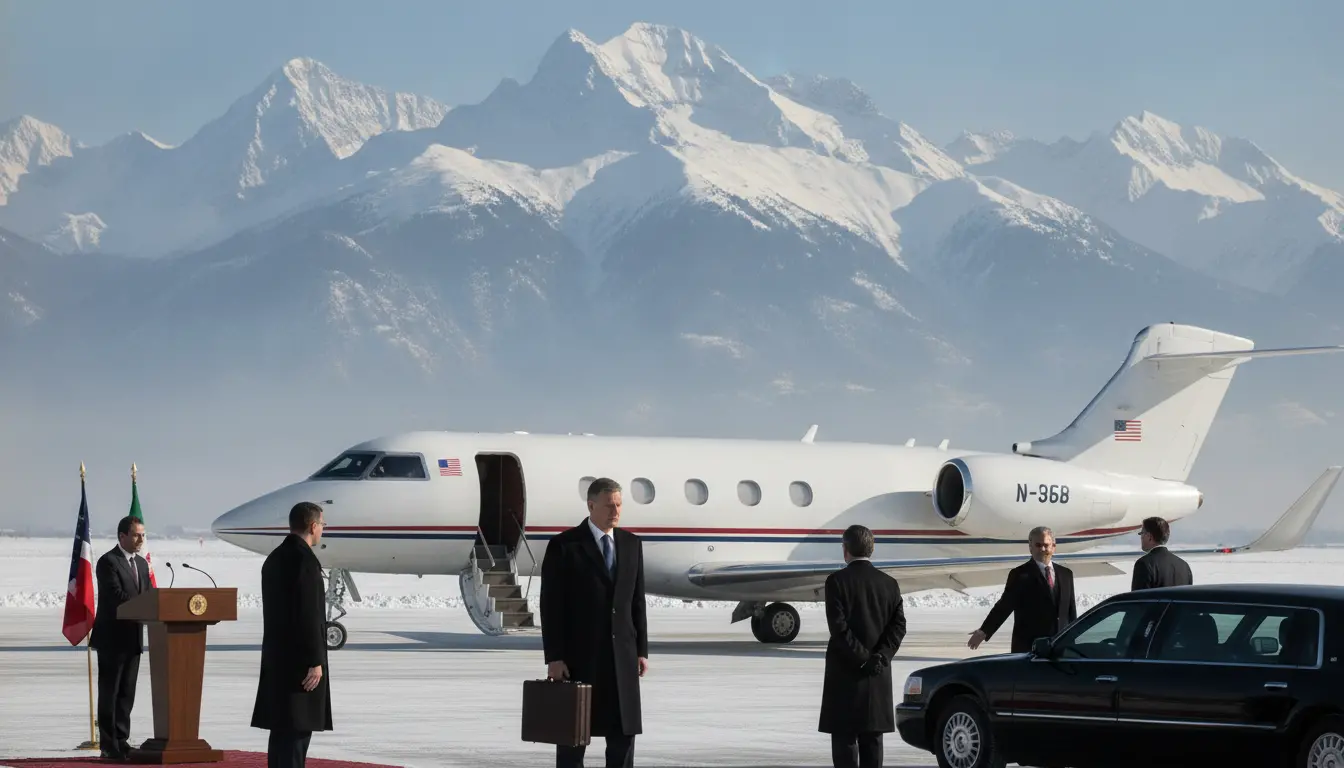
Vance arrives in Switzerland for US-Iran talks
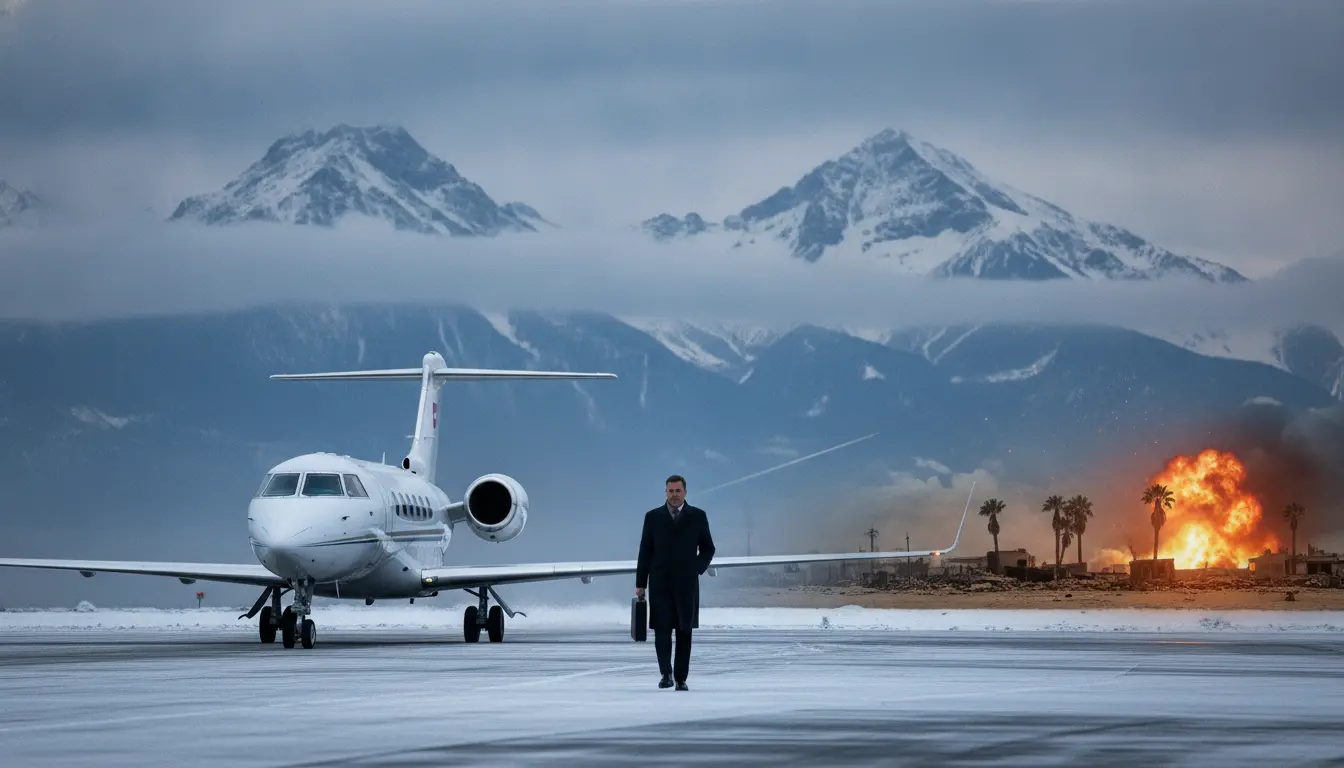
A glimmer of diplomatic hope has emerged from the Alpine nation, as U.S. envoy Robert Vance touched down in Switzerland for critical talks aimed at fostering a durable cessation of hostilities between the United States and Iran. The high-stakes engagement, confirmed by sources close to the negotiations, comes at a pivotal juncture where both Washington and Tehran appear increasingly motivated to de-escalate a protracted, multi-front conflict that has destabilized the wider Middle East for decades. However, the path to peace is already fraught with immediate challenges, as Tehran wasted no time in condemning recent Israeli military actions in Lebanon, asserting that these operations constitute a clear violation of existing interim understandings, thereby casting a shadow over the nascent discussions.
The notion of a “war” between the U.S. and Iran, while not typically characterized by direct, large-scale conventional combat, encapsulates a complex web of proxy conflicts, economic warfare, cyber skirmishes, and political maneuvering that has long simmered across the region. Since the 1979 Iranian Revolution, relations have been marked by profound mistrust, ideological divergence, and competing geopolitical ambitions. This undeclared conflict has manifested in various theaters, from Iraq and Syria to Yemen and the waters of the Persian Gulf, often involving third-party actors. Past attempts at de-escalation, including the landmark 2015 nuclear accord, have proven fragile, underscoring the deep-seated grievances and strategic calculations that define this perilous dynamic. The current push for a resolution signifies a potential shift in calculus for both nations, driven perhaps by internal pressures, regional fatigue, or a shared recognition of the catastrophic potential of further escalation.
Iran's forceful condemnation of Israeli attacks in Lebanon highlights the interconnectedness of regional conflicts and the intricate, often delicate, balance of power. For Tehran, such actions by a key U.S. ally not only provoke security concerns but also directly undermine the trust necessary for any meaningful diplomatic progress. The accusation that these attacks violate an “interim deal” suggests that preliminary agreements or understandings—perhaps unpublicized—are already in place, or at least being pursued, to manage tensions. If these alleged violations are indeed occurring, they risk derailing the very foundation upon which the current talks are built, injecting an element of suspicion and potentially forcing Iran to adopt a harder line at the negotiating table. Lebanon, perpetually caught in the crossfire of regional rivalries, serves as a poignant reminder of the human cost of these broader geopolitical struggles.
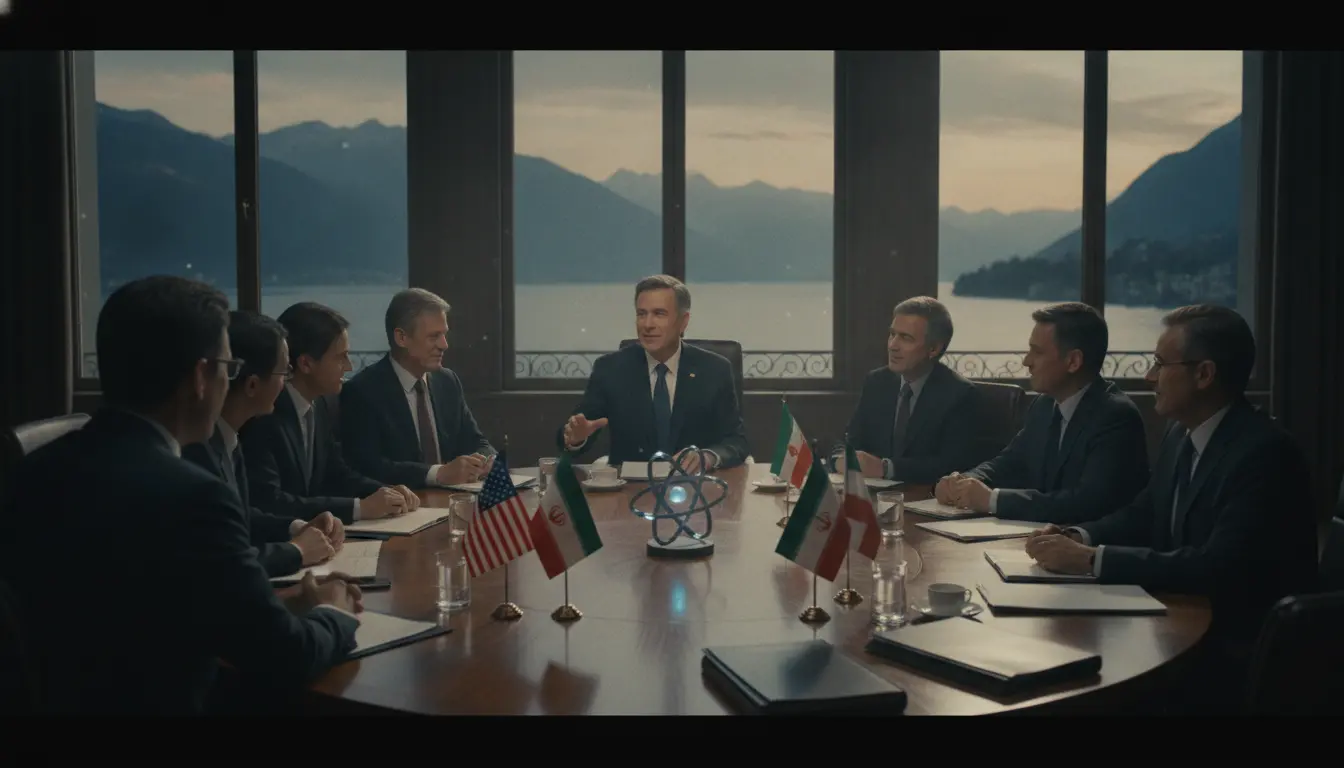
Switzerland, with its long-standing tradition of neutrality and discreet diplomacy, has once again positioned itself as a crucial intermediary. Its diplomatic channels have historically facilitated communication between nations lacking formal bilateral relations, making it an ideal venue for these sensitive US-Iran discussions. The choice of location underscores the desire for a low-profile, conducive environment where highly sensitive issues can be addressed away from intense public scrutiny. However, even in such a neutral setting, the historical baggage is immense. Decades of animosity, coupled with the complex array of regional actors and interests, mean that any substantive progress will require extraordinary political will, flexibility, and a willingness to confront deeply ingrained narratives from both sides. The technicalities of de-escalation, cessation of proxy support, and mechanisms for verifying compliance will be daunting, requiring detailed and painstaking negotiations.
For the United States, a durable resolution to the conflict with Iran could unlock greater regional stability, potentially freeing up resources, reducing the risk of military engagement, and allowing for a more focused approach on other global challenges. For Iran, an end to hostilities could pave the way for economic relief from crippling sanctions, reintegration into the international community, and the ability to focus on domestic development. However, both nations face powerful domestic constituencies who view any compromise with deep suspicion. The outcome of these talks, therefore, will not only shape the future trajectory of US-Iran relations but will also send ripples across the entire Middle East, impacting everything from oil markets to the broader geopolitical landscape. While Vance's arrival signals a renewed commitment to diplomacy, the substantive hurdles ahead remain formidable, and the fragility of any potential agreement will necessitate continued vigilance and careful navigation. The world watches with cautious optimism, recognizing that a durable peace is not merely desirable but increasingly essential for global security.
Stay Informed. Act Smarter.
Get weekly highlights, major headlines, and expert insights — then put your knowledge to work in our live prediction markets.
Related News

Vance leaves for Switzerland with Strait of Hormuz status unclear
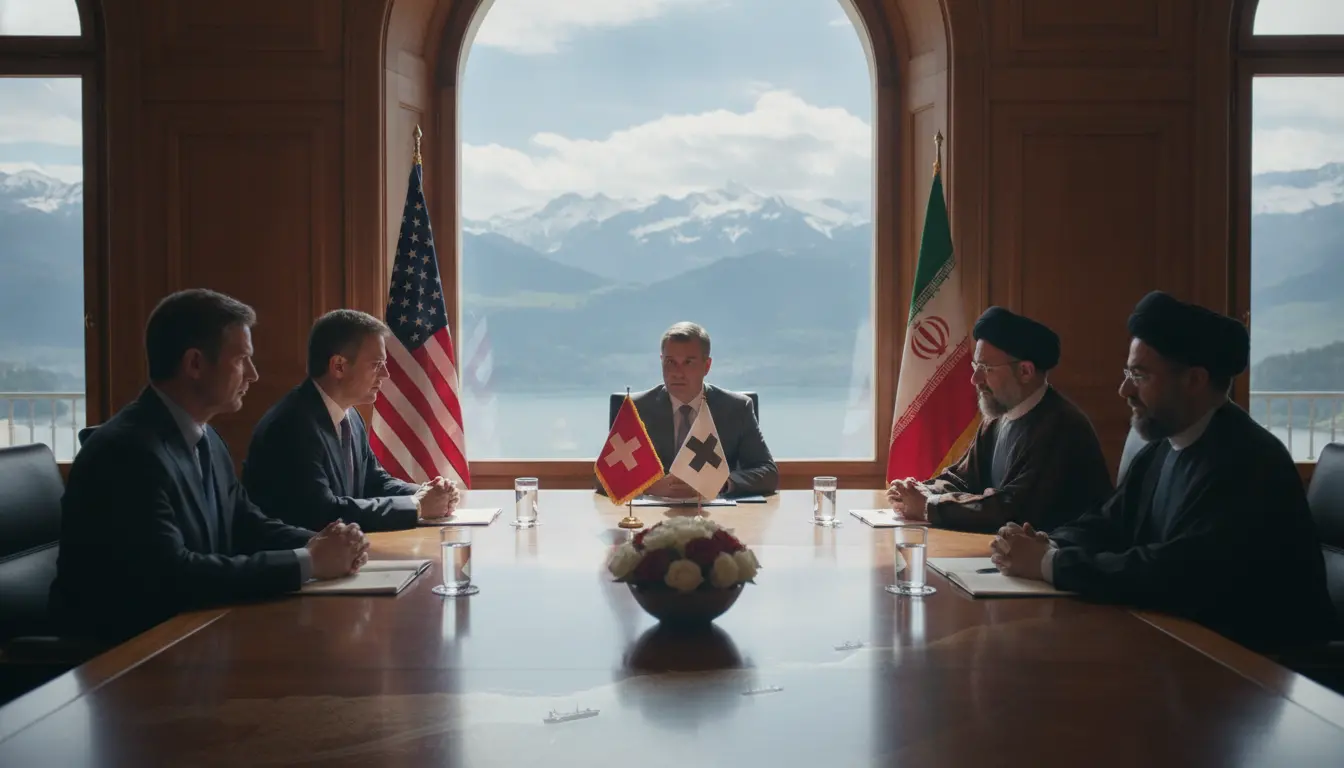
US and Iran Engage in Critical Swiss Talks Amidst Strait of Hormuz Tensions
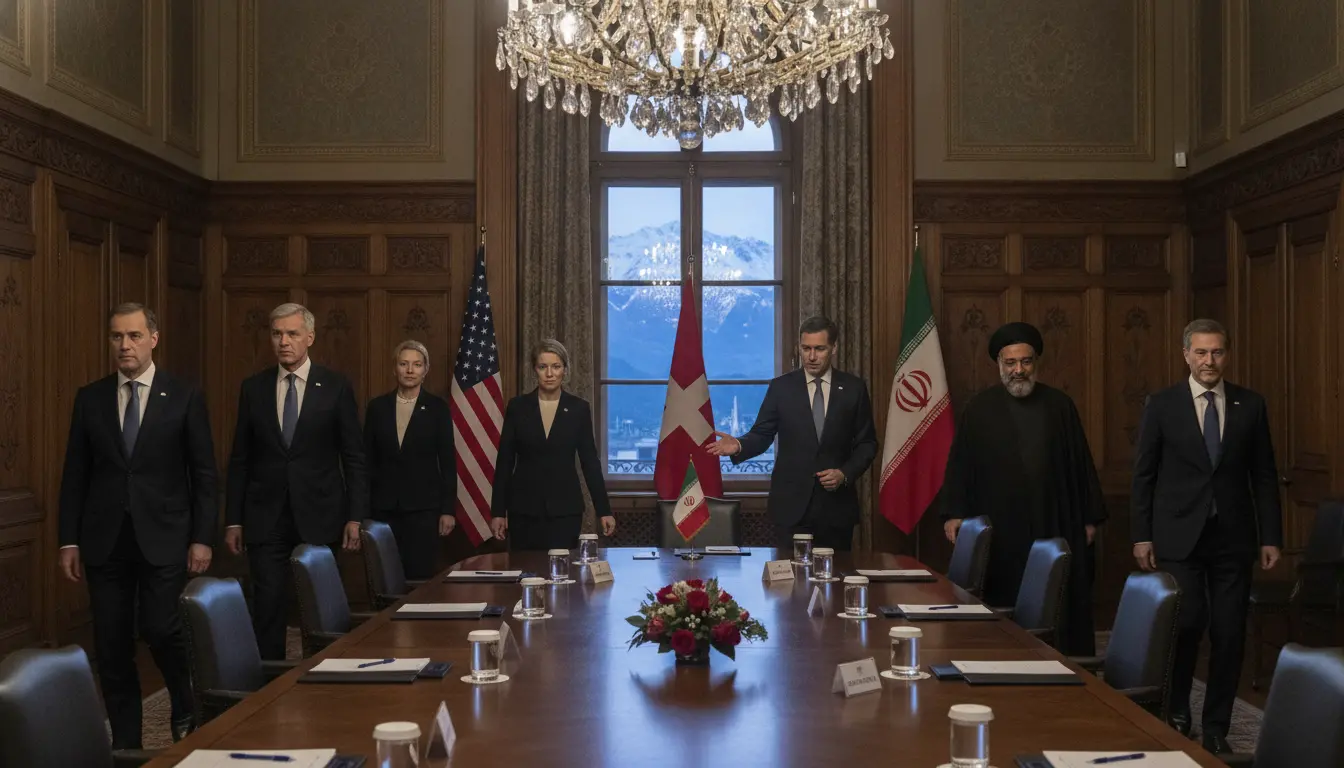
US-Iran delegations arrive as talks begin in Switzerland
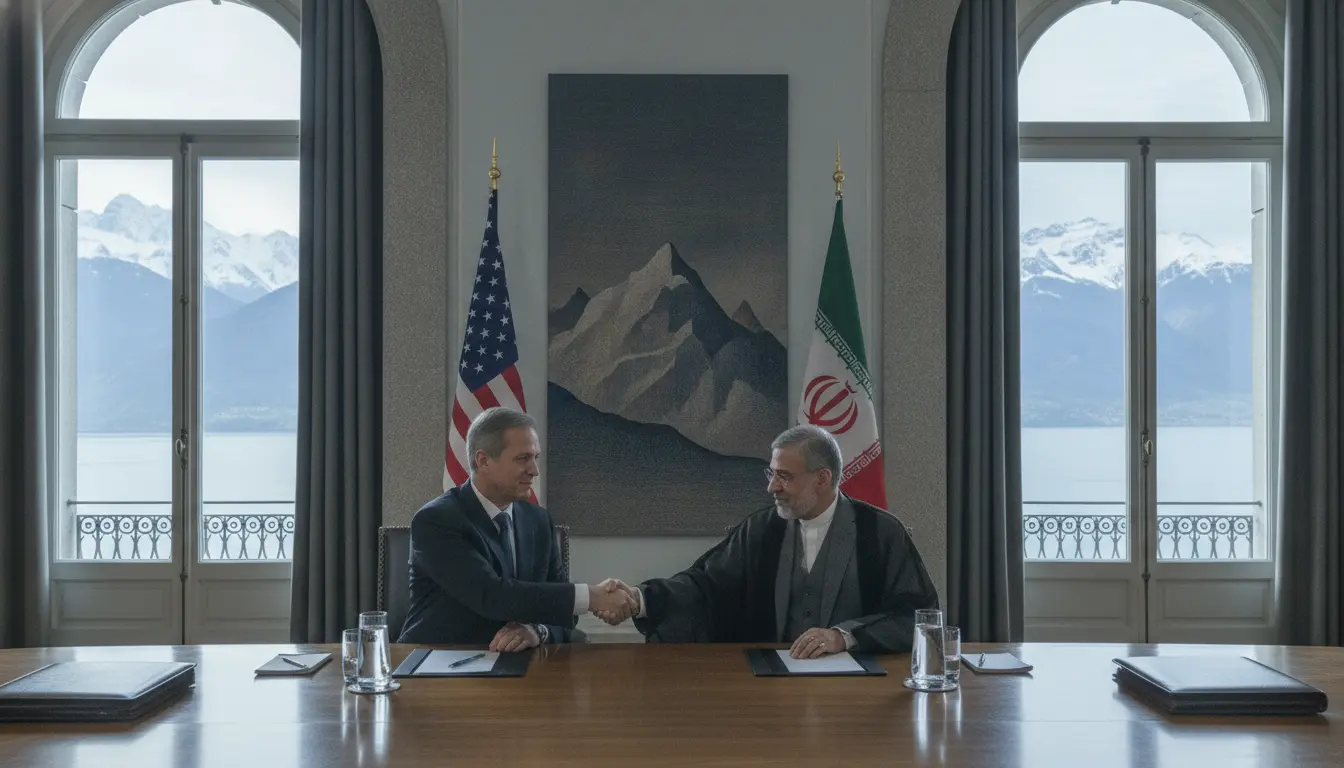
US and Iran Envoys Convene in Switzerland for Crucial Diplomatic Talks
Iran war live: Vance heads to Switzerland; Israel kills 16 in Lebanon
Potential US Vice President JD Vance Engagement Signals Shifting Dynamics in Iran Nuclear Talks
Live updates: Vance optimistic as Iran talks make solid progress

Future of US-Iran Diplomacy Under Scrutiny Amid Reports of Potential High-Level Talks

Vance Delays Trip to Switzerland for Direct Talks on Iran Deal

US-Iran Nuclear Diplomacy Stalls Amid Envoy Delays and Regional Volatility