

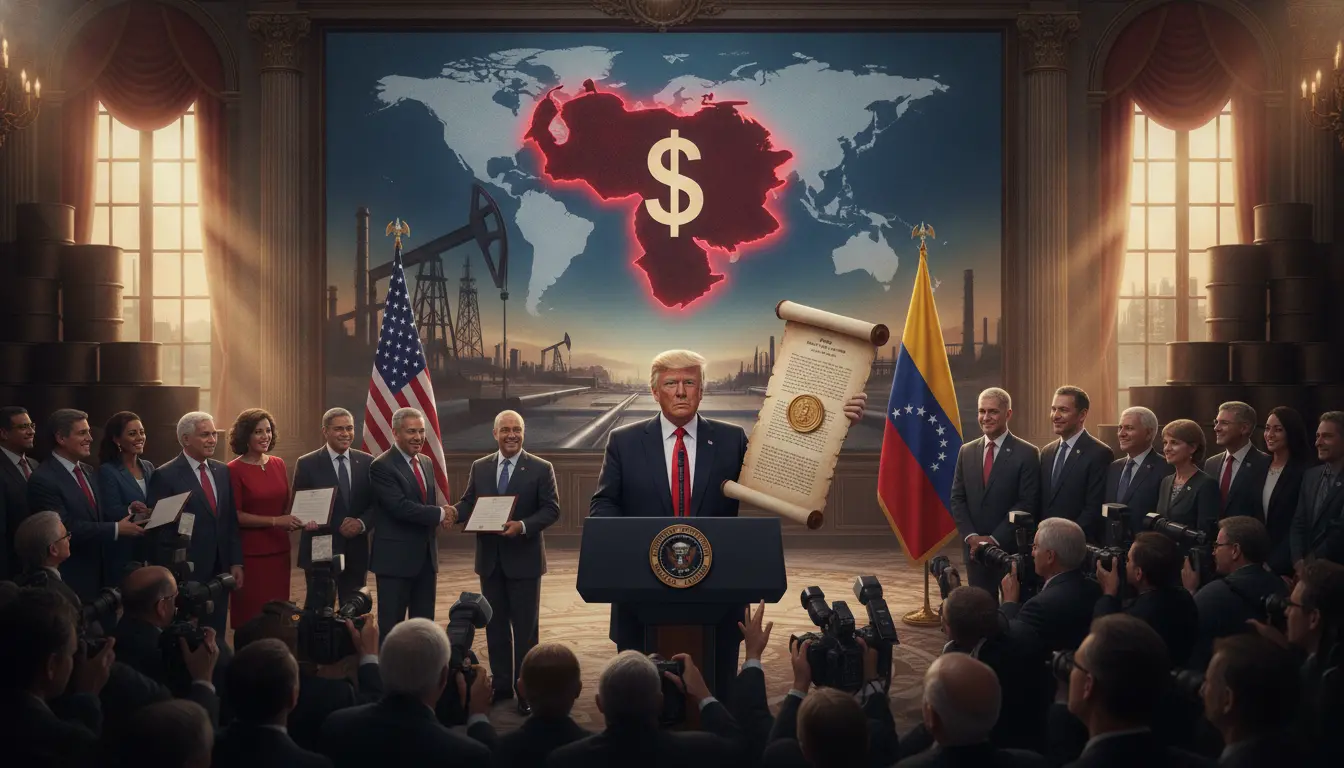
President Trump Unveils Major Deal to Secure Venezuelan Oil Reserves
In a move poised to dramatically reshape global energy markets and redraw geopolitical alliances, President Trump has announced what his administration terms a “historic” deal to secure control of 65 billion barrels of Venezuela's vast oil reserves. While specific details of the agreement remain under wraps, the White House confirmed that negotiations have progressed significantly, culminating in an understanding that could grant the United States unprecedented access to one of the world's largest proven crude oil deposits.
The potential agreement represents a seismic shift in US foreign policy towards Venezuela, a nation long mired in economic crisis and subject to stringent American sanctions. For years, Washington has pursued a policy of isolating the Maduro government, citing concerns over democracy, human rights, and political stability. The prospect of a comprehensive oil deal, particularly one involving such a substantial volume of reserves, signals a dramatic pivot, prioritizing energy security and economic influence over previous diplomatic postures. This development could alleviate pressure on global oil prices, impacting everything from industrial production costs to the gas pump for American consumers.
The implications for Venezuela are equally profound. The country, once a leading oil producer, has seen its output crippled by mismanagement, corruption, and the debilitating effects of international sanctions. Access to US markets and potentially American investment and expertise could offer a lifeline to its collapsing oil infrastructure, potentially revitalizing the national economy and providing much-needed revenue. However, the exact terms of “control” over the reserves will be critical, raising questions about sovereignty, revenue sharing, and the political future of the nation. Analysts suggest that any such deal would necessarily involve a complex framework addressing these issues, potentially including debt restructuring and a roadmap for economic stabilization.
Globally, the deal stands to significantly alter the dynamics of the Organization of the Petroleum Exporting Countries (OPEC) and its allies (OPEC+). The introduction of a new, substantial source of US-controlled oil could challenge OPEC's market influence, potentially leading to increased competition and downward pressure on prices. For American energy policy, securing such immense reserves would further bolster the nation's energy independence, diversify its supply chains, and reduce vulnerability to geopolitical instability in other oil-producing regions. This strategic advantage could strengthen the US position in international relations and trade negotiations.
However, the path to finalizing and implementing such a monumental agreement is fraught with challenges. Domestically, the deal is expected to face intense scrutiny from Congress, with debates likely to focus on the humanitarian situation in Venezuela, environmental concerns surrounding oil extraction, and the broader foreign policy implications of engaging with the Maduro government. Internationally, the agreement could draw criticism from allies who have maintained a hardline stance against Caracas, potentially straining diplomatic relationships. Furthermore, the operational complexities of reactivating Venezuela's oil industry, which has suffered years of underinvestment and neglect, are immense, requiring significant capital injection and technical expertise.
The announcement has already sent ripples through financial markets, with oil futures reacting to the prospect of increased supply. Investors are closely watching for further details on the deal’s structure, its timeline for implementation, and the expected impact on global crude inventories. While the administration frames this as a win for American energy security and a potential boon for Venezuelan recovery, the intricate political, economic, and environmental layers will require careful navigation. The world awaits the full unveiling of this agreement, recognizing its potential to redefine a critical sector of the global economy for decades to come.
This dramatic shift signals a pragmatic turn in US foreign policy, where energy imperatives might be reshaping traditional diplomatic approaches. The outcome of this proposed deal will undoubtedly be one of the most significant geopolitical stories of the year, with wide-ranging consequences for the global energy landscape and the future of Venezuela.
Stay Informed. Act Smarter.
Get weekly highlights, major headlines, and expert insights — then put your knowledge to work in our live prediction markets.
Related News
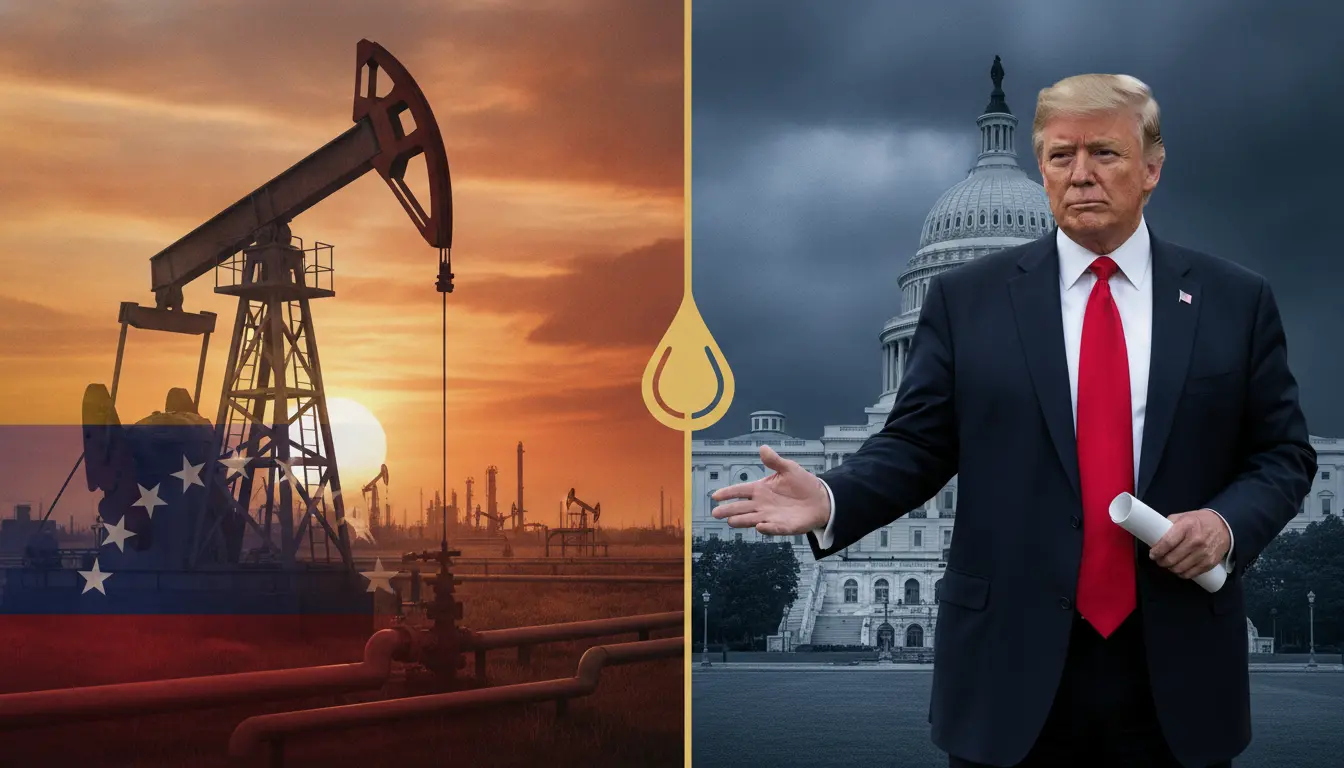
Trump Signals Intent for Major Oil Deal with Venezuela, Prompting Scrutiny Over Sanctions and Geopolitics

US Explores Major Oil Trade Pact with Venezuela Amid Sanctions Relief Talks

Trump-Backed Venezuela Oil Agreement Faces Stiff Congressional Resistance

Reports Indicate Potential Full Lifting of US Oil Sanctions on Iran by Late 2026
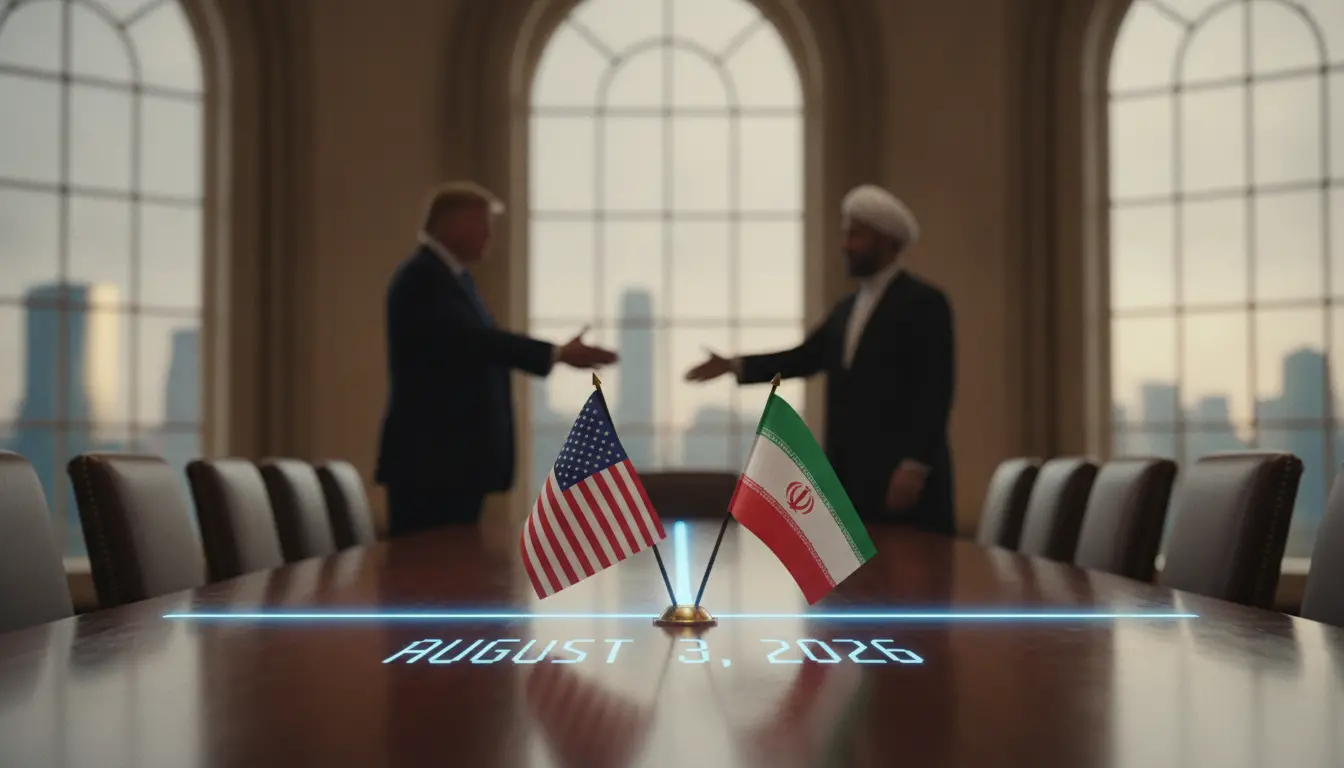
Trump Administration Announces Intent to Resume Formal Nuclear Negotiations with Iran on August 3, 2026
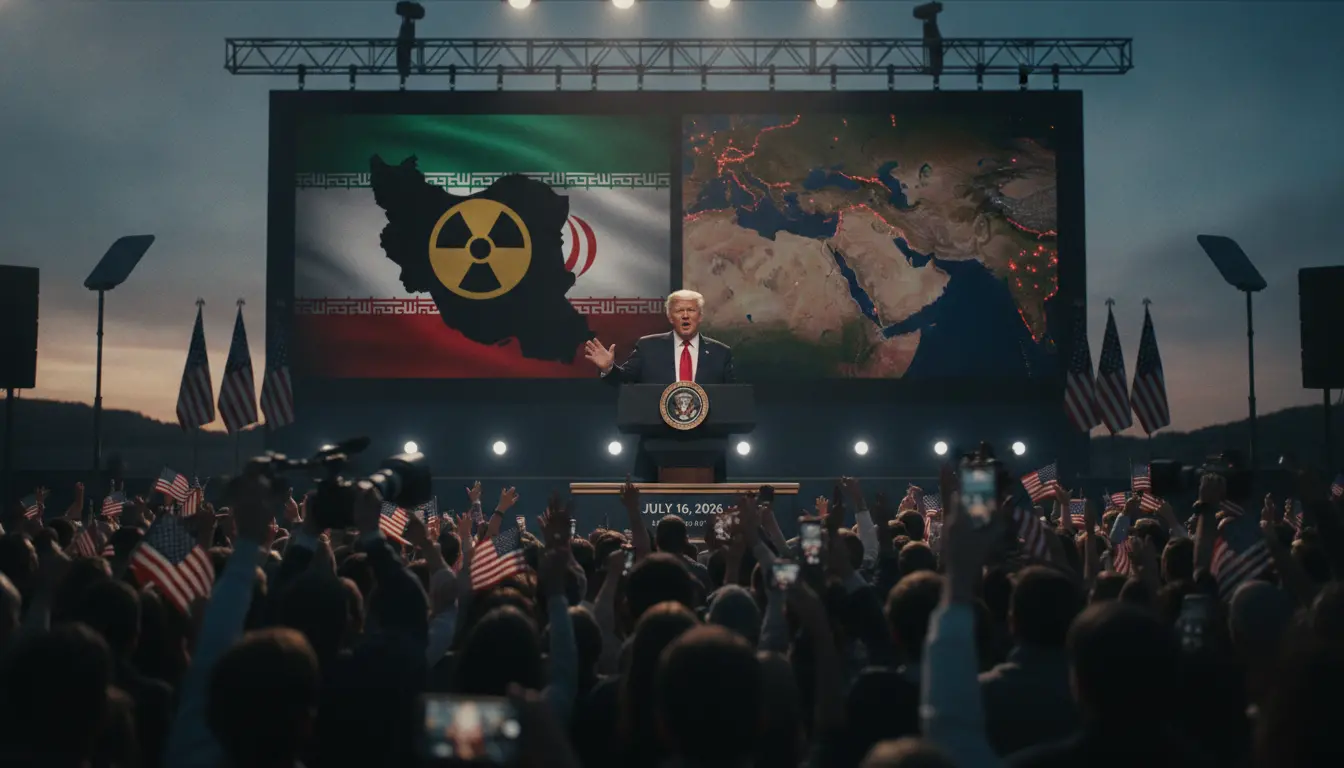
President Trump Poised to Announce New Iran Sanctions Amid Escalating Regional Tensions

Outpoll Weekly Recap: Politics (August 24 – 30, 2026)

U.S. and Venezuela Explore Path to Renewed Diplomatic Ties Amid Easing Tensions

Tentative 14-Point US-Iran Memorandum on De-escalation and Sanctions Relief Reportedly Under Discussion
Trump's Initial Iran Memorandum of Understanding Ignites Bipartisan Congressional Scrutiny