

- News
- Politics
- Trump's Initial Iran Memorandum of Understanding Ignites Bipartisan Congressional Scrutiny
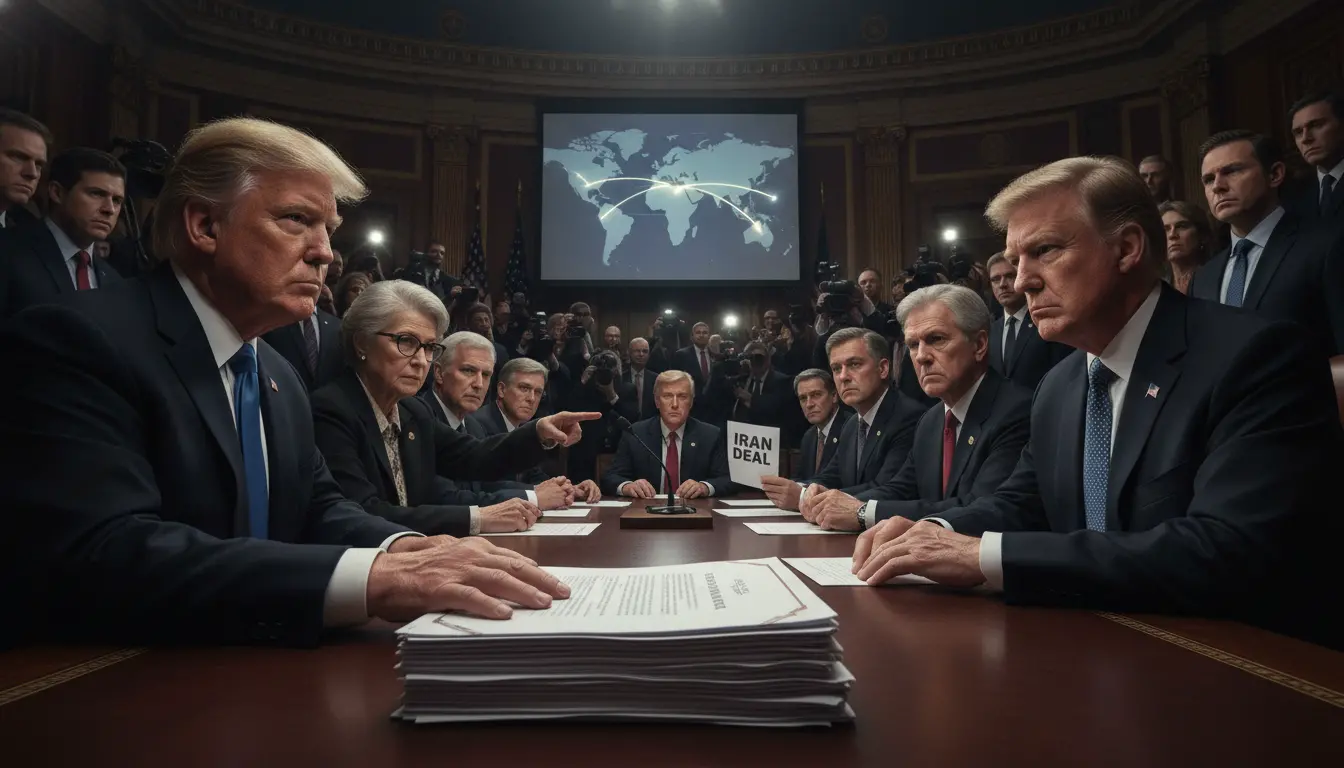
Trump's Initial Iran Memorandum of Understanding Ignites Bipartisan Congressional Scrutiny
President Donald Trump's administration is facing immediate and intense bipartisan blowback following the signing of an initial Memorandum of Understanding (MOU) with Iran, a deal touted by the White House as a pathway to de-escalation and regional stability. The agreement, which aims to bring an end to ongoing hostilities, ensure the free flow of shipping through the strategic Strait of Hormuz, and initiate a phased easing of economic sanctions against Tehran, has been met with significant criticism from both sides of the political aisle. Lawmakers are raising fundamental concerns over the perceived concessions made by the United States, casting a long shadow of uncertainty over its eventual approval by Congress.
The proposed deal emerges from a tumultuous history of U.S.-Iran relations, marked by decades of mistrust, proxy conflicts, and a complex nuclear standoff. The previous Iran nuclear accord, the Joint Comprehensive Plan of Action (JCPOA), from which President Trump dramatically withdrew in 2018, had been a cornerstone of international efforts to curb Tehran’s nuclear ambitions. Trump’s subsequent “maximum pressure” campaign, involving stringent sanctions, intensified economic hardship in Iran and heightened tensions in the Persian Gulf, culminating in a series of tit-for-tat actions and near-confrontations. This new MOU, therefore, represents a stark pivot from that aggressive posture, signaling a renewed attempt at diplomatic engagement, albeit one fraught with historical baggage and deep-seated skepticism.
At the heart of the MOU are several key provisions designed to reshape the geopolitical landscape of the Middle East. Beyond formally ending what the White House describes as a state of “undeclared conflict,” the agreement prioritizes the unimpeded passage of oil and other cargo through the Strait of Hormuz, a critical maritime chokepoint through which a significant portion of the world's oil supply transits. In exchange, the U.S. has reportedly offered substantial sanctions relief, a move that has immediately triggered alarm bells in Congress. Critics on the Republican side argue that such concessions grant Iran undue economic leverage without sufficient, verifiable commitments to halt its ballistic missile program or cease support for regional proxy groups. Meanwhile, some Democrats express apprehension that the deal might undermine existing international frameworks, potentially rewarding Iran’s past belligerence and eroding America's leverage in future negotiations, or that it might not be robust enough to prevent Iran from eventually developing nuclear weapons.
The path to securing congressional endorsement for the MOU promises to be an uphill battle. The deep ideological divisions surrounding Iran policy, coupled with an election cycle that often politicizes foreign policy initiatives, ensure intense scrutiny. Key congressional committees, including the Senate Foreign Relations Committee and the House Foreign Affairs Committee, are expected to conduct extensive hearings, demanding full transparency regarding the terms and potential ramifications of the agreement. The administration will need to meticulously detail how the deal safeguards U.S. national security interests, protects regional allies like Israel and Saudi Arabia, and provides concrete mechanisms for verifying Iranian compliance. Without robust assurances on these fronts, overcoming bipartisan opposition will prove extraordinarily challenging, potentially leading to a legislative stalemate that could unravel the nascent diplomatic efforts.
What hangs in the balance is nothing less than the future stability of the Middle East and global energy security. A successful implementation of the MOU could usher in an era of reduced tensions, potentially unlocking economic benefits for Iran and ensuring predictable global oil supplies. Conversely, should the deal fail to gain congressional approval, it risks plunging U.S.-Iran relations back into a cycle of heightened antagonism and uncertainty, with potential ripple effects across international markets and regional conflict zones. The outcome will not only define the foreign policy legacy of President Trump's current term but also significantly impact the geopolitical dynamics of one of the world’s most volatile regions for years to come.
Stay Informed. Act Smarter.
Get weekly highlights, major headlines, and expert insights — then put your knowledge to work in our live prediction markets.
Related News
US-Iran Interim Agreement Faces Uphill Battle for Senate Ratification

Tentative 14-Point US-Iran Memorandum on De-escalation and Sanctions Relief Reportedly Under Discussion

US and Iran Engage in Critical Swiss Talks Amidst Strait of Hormuz Tensions

Washington and Tehran’s De-escalation MoU Faces Mounting Pressure Amid Regional Clashes

US-Iran De-escalation Memorandum Faces Collapse Amid Escalating Tensions and Regional Strikes

US-Iran De-escalation Accord Faces Precarious Future Amid Renewed Hostilities and Strait of Hormuz Tensions

US and Iran Face Complex Path Toward Formal Ceasefire Amid Deep-Seated Regional Tensions

Trump-Backed Venezuela Oil Agreement Faces Stiff Congressional Resistance

Diplomatic Efforts Mount to Salvage US-Iran De-escalation Agreement Amid Rising Regional Tensions

Prospects for Significant U.S. Sanctions Relief on Iran Under Scrutiny