

- News
- Politics
- Trump Signals Intent for Major Oil Deal with Venezuela, Prompting Scrutiny Over Sanctions and Geopolitics
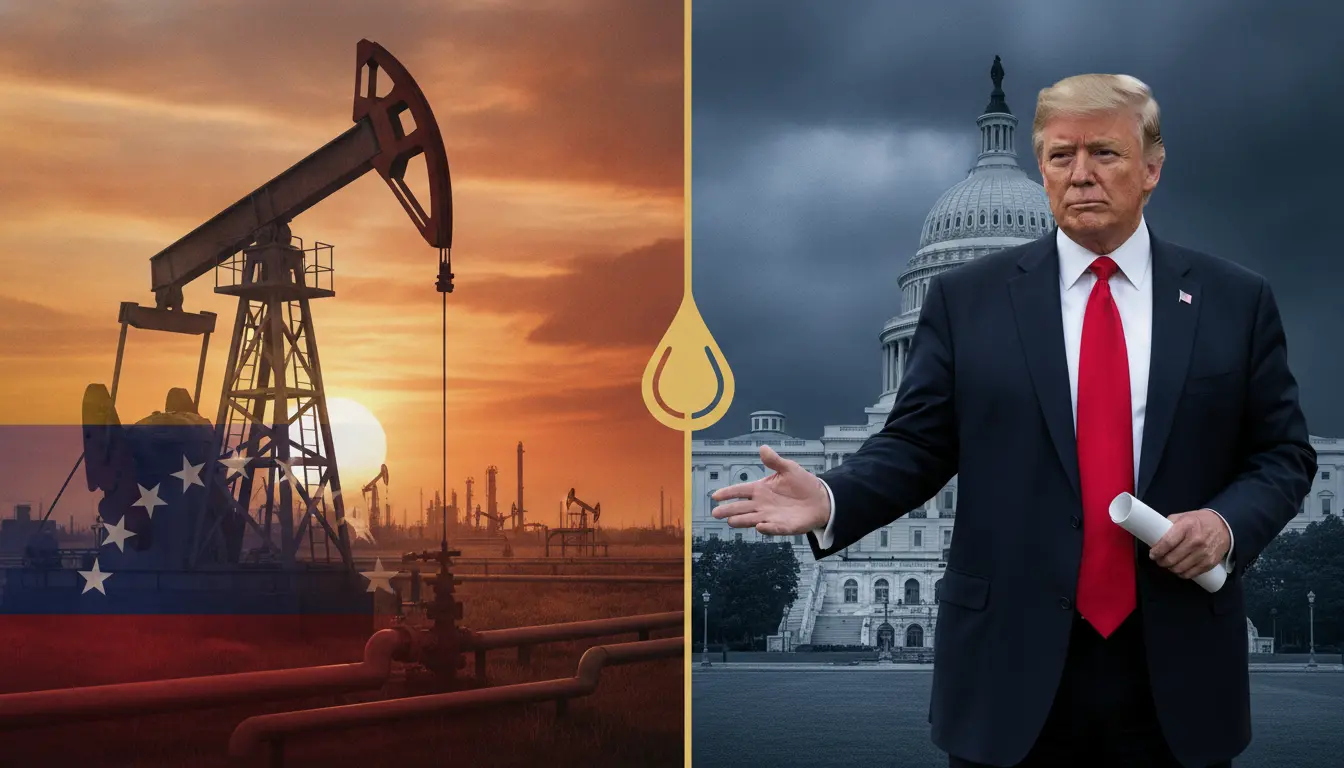
Trump Signals Intent for Major Oil Deal with Venezuela, Prompting Scrutiny Over Sanctions and Geopolitics
Former President Donald Trump has publicly articulated a vision for a significant oil agreement with Venezuela, a move that would grant the United States access to a substantial portion of the Latin American nation's vast crude reserves. This announcement, made amidst ongoing political discourse, immediately ignited discussions among foreign policy experts and energy sector analysts, highlighting the complex web of sanctions, geopolitical interests, and humanitarian concerns that have long defined the U.S.-Venezuela relationship. The prospective deal, if pursued by a future Trump administration, would mark a dramatic shift from the long-standing policy of isolating the Maduro regime and could reshape global energy markets.
Venezuela, home to the world’s largest proven oil reserves—estimated at over 300 billion barrels, with a significant portion (over 65 billion barrels) readily accessible—has for decades been a critical player in global energy. However, its state-owned oil company, PDVSA, has seen its production capacity crippled by years of mismanagement, corruption, and, critically, stringent U.S. sanctions imposed during both the Trump and Biden administrations. These sanctions, primarily targeting PDVSA and key government officials, were designed to exert pressure on President Nicolás Maduro’s government, which Washington and many international bodies consider illegitimate due to contested elections and alleged human rights abuses. The result has been a precipitous decline in Venezuelan oil output, leading to severe economic hardship for its populace and a reliance on allies like Russia, China, and Iran for technical assistance and limited market access.
The essence of a potential Trump-Venezuela oil deal would likely revolve around a grand bargain: the U.S. offering significant sanctions relief in exchange for preferential access to Venezuelan crude. Such an arrangement could provide a much-needed lifeline to Venezuela's devastated economy, potentially enabling it to repair its crumbling infrastructure and increase production. For the United States, securing Venezuelan oil could enhance energy security, potentially temper global oil prices, and reduce reliance on other volatile regions. However, the intricacies of such negotiations are immense, involving not just economic terms but also navigating the deep-seated political antagonism, the presence of various international creditors, and the fate of American energy companies with historical ties to Venezuela, some of which have assets either seized or nationalized.
The proposed pivot faces formidable political and logistical hurdles. Any move to normalize relations with the Maduro government would likely be met with intense opposition from congressional Republicans and Democrats alike, who argue that engaging with the regime would undermine efforts to promote democracy and human rights in Venezuela. Critics would contend that such a deal would legitimize a government accused of authoritarian practices, political repression, and economic mismanagement, without extracting meaningful democratic reforms. Furthermore, Venezuela's oil infrastructure requires massive investment and technical expertise to revive production to significant levels, a challenge compounded by the country's precarious political stability and the potential for a prolonged period of internal unrest.
Beyond domestic U.S. politics and Venezuelan internal dynamics, the geopolitical implications are profound. A U.S.-Venezuela oil deal could alter the balance of power in Latin America, potentially diminishing the influence of Russia and China, who have significantly deepened their ties with Caracas in recent years. It would also send a powerful signal to other sanctioned nations, potentially suggesting a transactional foreign policy approach that prioritizes economic interests over democratic principles. The global oil market, already sensitive to supply disruptions and geopolitical tensions, would undoubtedly react to the prospect of a major new source of crude, with potential ramifications for OPEC+ dynamics and pricing strategies.
Ultimately, the path to finalizing any such agreement is fraught with complexities. It would require not only a significant shift in U.S. foreign policy but also intricate diplomatic maneuvering, a re-evaluation of sanctions architecture, and an assessment of the long-term strategic benefits versus the immediate political and ethical costs. The ambitious timeline suggested underscores the perceived urgency, yet the deep-rooted challenges, from political opposition in Washington to the fundamental issues of governance in Caracas, ensure that any substantive progress on a major oil deal will be the subject of intense scrutiny and prolonged debate, setting the stage for a critical foreign policy challenge should the political landscape shift in the United States.
Stay Informed. Act Smarter.
Get weekly highlights, major headlines, and expert insights — then put your knowledge to work in our live prediction markets.
Related News

US Explores Major Oil Trade Pact with Venezuela Amid Sanctions Relief Talks
President Trump Unveils Major Deal to Secure Venezuelan Oil Reserves

Trump-Backed Venezuela Oil Agreement Faces Stiff Congressional Resistance

U.S. and Venezuela Explore Path to Renewed Diplomatic Ties Amid Easing Tensions

US Weighs Sanctions Relief on Iranian Oil Amid Ongoing Diplomatic Initiatives

Reports Indicate Potential Full Lifting of US Oil Sanctions on Iran by Late 2026

Washington Considers Full Reinstatement of Iran Oil Sanctions Amid Deepening Regional Tensions

Cuba's Deepening Energy Crisis Linked to Trump-Era Sanctions, Future Policy Uncertain
Potential Trump Administration Eyes Significant Economic Sanctions Escalation Against Iran

Outpoll Weekly Recap: Politics (August 24 – 30, 2026)