


Cuba's Deepening Energy Crisis Linked to Trump-Era Sanctions, Future Policy Uncertain
Cuba is grappling with a severe and escalating energy crisis, characterized by widespread blackouts and significant disruptions to daily life across the island. The root of this predicament is widely attributed to stringent economic sanctions imposed by the United States, particularly policies enacted during the Trump administration that significantly tightened the long-standing embargo, specifically targeting the flow of fuel to the communist nation. As the country struggles to maintain power and provide essential services, the efficacy and humanitarian impact of these sanctions are under renewed scrutiny, fueling debates about potential shifts in U.S. foreign policy in the years ahead.
Historically, the U.S. embargo against Cuba dates back to the early 1960s, a complex web of restrictions intended to pressure the Cuban government towards democratic reforms. While various administrations have adjusted aspects of this policy, it was under the Trump presidency that sanctions were dramatically intensified. Key measures included the designation of Cuba as a State Sponsor of Terrorism, the activation of Title III of the Helms-Burton Act allowing U.S. citizens to sue foreign companies profiting from properties expropriated by the Cuban government, and severe restrictions on remittances. Crucially, specific actions were taken to prevent ships carrying oil from reaching Cuba, threatening sanctions against shipping companies and financial institutions involved in such transactions. These moves aimed to choke off the island's primary lifeline for fuel imports, primarily from allies like Venezuela, exacerbating an already fragile energy infrastructure.
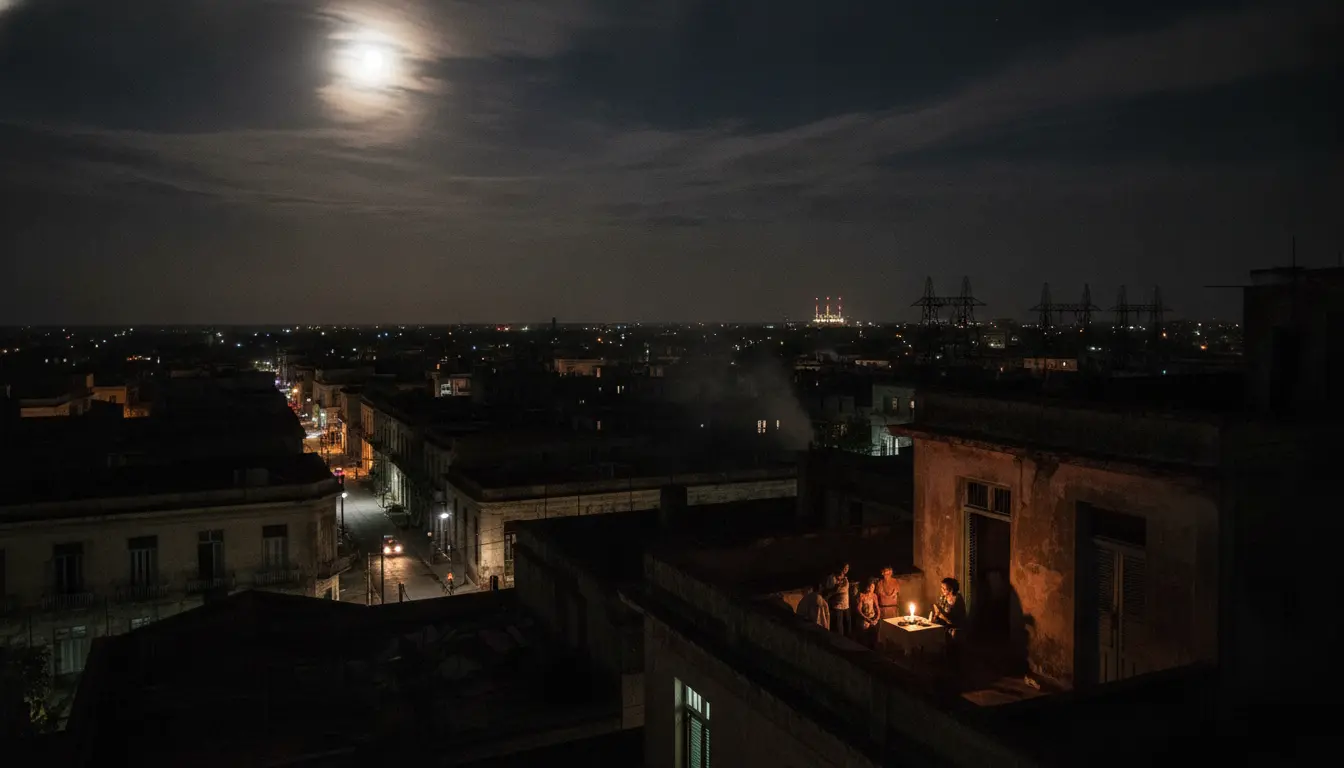
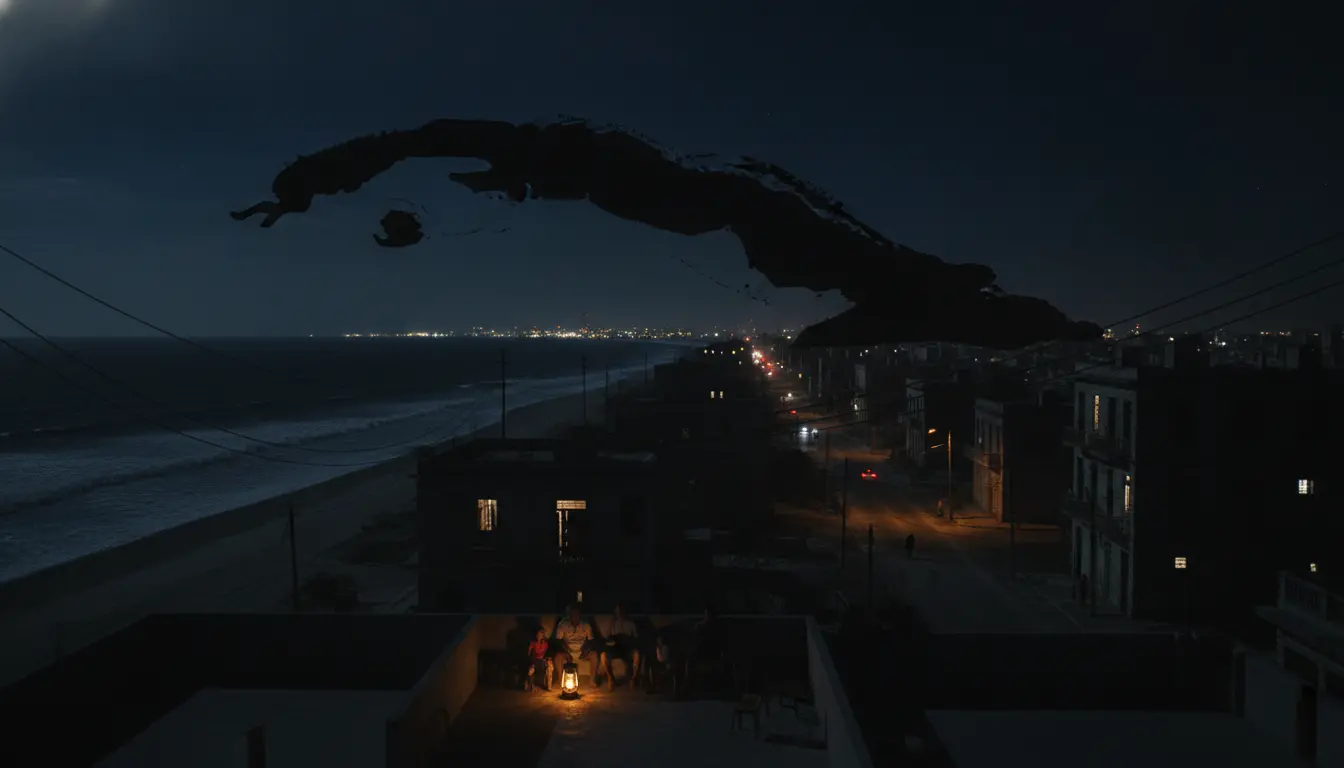
The immediate consequence for Cuba has been a dramatic decline in fuel availability, leading to rolling blackouts that can last for hours, sometimes even days, in both urban and rural areas. This scarcity has paralyzed various sectors of the Cuban economy, from public transport and agricultural production to manufacturing and healthcare. Citizens face immense hardship, struggling with food preservation, access to clean water (which often relies on electric pumps), and maintaining basic communication. While the Cuban government often points to the embargo as the sole cause of its woes, critics also highlight domestic economic mismanagement and the decrepit state of the island's power grid as contributing factors, though the acute fuel shortage undoubtedly magnifies these issues.
Cuba's reliance on external energy sources, particularly oil from Venezuela under preferential terms, has long been a critical component of its economic survival. However, Venezuela's own political and economic instability, compounded by U.S. sanctions against Caracas, has severely curtailed its ability to supply Cuba consistently. Attempts by Havana to diversify its energy suppliers or secure fuel from other international markets are frequently hampered by the threat of secondary sanctions from Washington, making many international actors hesitant to engage in trade that could invite U.S. penalties. This geopolitical squeeze leaves Cuba with limited options, pushing its energy sector to the brink.
Currently, the Biden administration has maintained much of the Trump-era sanctions architecture, despite earlier signals that it might revert to a more engagement-oriented approach similar to the Obama era. While some minor adjustments have been made, such as easing certain restrictions on remittances and re-establishing direct flights, the core economic pressures, particularly those impacting fuel imports, remain largely in place. This continuity reflects the complex domestic political considerations in the United States, especially in swing states with significant Cuban-American populations, and the ongoing human rights concerns regarding the Cuban government's policies.
Looking ahead, the prospect of a potential future Trump administration, particularly in the lead-up to November 2026, casts a long shadow over Cuba's energy outlook. Should such an administration return to power, there is a strong possibility that existing hardline policies could be reaffirmed or even intensified, further tightening the economic screws on Havana. Conversely, the continuing humanitarian crisis and the arguable ineffectiveness of sanctions in achieving their stated political goals could also prompt renewed debate within U.S. policy circles about the wisdom of the current approach. The stakes are profoundly high for Cuba, where continued energy deprivation threatens to deepen social instability and economic collapse, and for U.S. foreign policy, where its posture towards the island nation continues to be a defining feature of its regional engagement.
Ultimately, any significant shift in U.S. policy towards lifting the fuel blockade or substantially altering the broader embargo will depend on a confluence of factors, including the political landscape in Washington, evolving conditions within Cuba, and the broader geopolitical context. Until then, the Cuban people continue to bear the brunt of a deeply entrenched conflict, with the persistent hum of generators and the intermittent darkness of blackouts serving as constant reminders of the ongoing crisis.
Stay Informed. Act Smarter.
Get weekly highlights, major headlines, and expert insights — then put your knowledge to work in our live prediction markets.
Related News
Cuba's Deteriorating Power Grid Plunges Nation Into Frequent Blackouts
Persistent Blackouts Plague Cuba as Aging Infrastructure and Fuel Shortages Intensify Crisis
Trump Signals Intent for Major Oil Deal with Venezuela, Prompting Scrutiny Over Sanctions and Geopolitics

US Explores Major Oil Trade Pact with Venezuela Amid Sanctions Relief Talks
Potential Trump Administration Eyes Significant Economic Sanctions Escalation Against Iran

Trump-Backed Venezuela Oil Agreement Faces Stiff Congressional Resistance
Washington Considers Full Reinstatement of Iran Oil Sanctions Amid Deepening Regional Tensions
Reports Indicate Potential Full Lifting of US Oil Sanctions on Iran by Late 2026
US Weighs Sanctions Relief on Iranian Oil Amid Ongoing Diplomatic Initiatives
President Trump Unveils Major Deal to Secure Venezuelan Oil Reserves