

- News
- Politics
- Tentative 14-Point US-Iran Memorandum on De-escalation and Sanctions Relief Reportedly Under Discussion

Tentative 14-Point US-Iran Memorandum on De-escalation and Sanctions Relief Reportedly Under Discussion
Recent reports have surfaced detailing a tentative 14-point memorandum of understanding (MOU) between the United States and Iran, signaling a potential monumental shift in the long-strained bilateral relationship. This ambitious framework, if formalized, aims to end what has been broadly termed the “Iran war” — a decades-long state of geopolitical tension and proxy conflicts — by addressing critical flashpoints such as the reopening of the strategic Strait of Hormuz and the lifting of significant oil sanctions. The emergence of these discussions, reportedly aiming for a formalization by mid-2026, suggests a complex, long-term diplomatic endeavor that could span political administrations and redefine Middle Eastern stability.
The prospect of such a wide-ranging agreement comes against a backdrop of profound historical animosity and recurrent crises. For decades, the US and Iran have been locked in a cold war, marked by the 1979 revolution, the hostage crisis, Iran’s nuclear ambitions, and persistent regional power struggles. The 2015 Joint Comprehensive Plan of Action (JCPOA), a landmark nuclear deal, offered a brief reprieve before its unilateral withdrawal by the Trump administration in 2018. This move ushered in an era of “maximum pressure” sanctions, which crippled Iran’s economy and intensified regional tensions, including attacks on shipping in the Gulf and proxy confrontations across the Levant. Any new memorandum would therefore need to navigate this deep-seated mistrust and address a multitude of unresolved issues that have plagued the relationship.
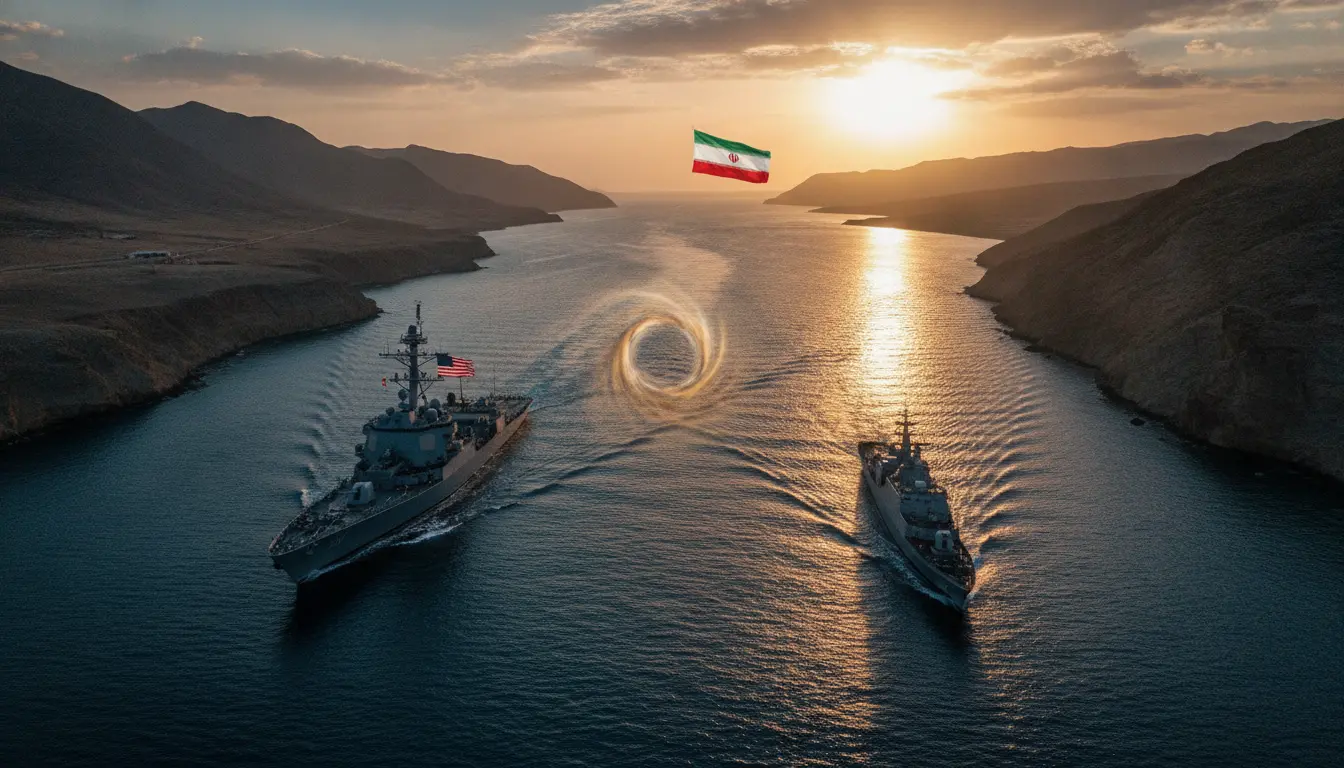
The proposed 14-point MOU reportedly encompasses a comprehensive approach to de-escalation. The reopening of the Strait of Hormuz is particularly significant. As a vital chokepoint for global oil shipments, its security is paramount to international energy markets. Past disruptions and threats to shipping in this waterway have consistently sent ripples through the global economy. Lifting oil sanctions, another reported component, would provide a substantial economic lifeline to Iran, allowing it to re-enter global energy markets more fully. This move would require extensive international coordination and a willingness from various parties to re-engage with Iranian crude. While the full details of the other twelve points remain speculative, they could potentially include provisions for prisoner exchanges, mutual security guarantees, reductions in regional proxy support, and perhaps even a fresh approach to Iran’s nuclear program, signaling a shift towards broader regional stability rather than mere crisis management.
Intriguingly, former President Donald Trump’s evolving stance has been highlighted in connection with these nascent discussions. Known for his “maximum pressure” campaign and rhetoric that at times threatened military action against Iran, his reported shift towards defending the concept of a deal marks a notable pivot. This potential transformation in approach from a figure historically seen as hawkish on Iran suggests a pragmatic reassessment of policy goals, possibly recognizing the long-term futility of perpetual confrontation. Such a shift, if actualized by a future administration, could usher in a new era of transactional diplomacy, where economic incentives and de-escalation are prioritized over ideological confrontation.
The path to formalizing any such agreement by July 2026 is fraught with immense challenges. Both sides harbor deep suspicions, and domestic political landscapes in the US and Iran are notoriously complex and often resistant to concessions. Regional actors, particularly allies like Israel and Saudi Arabia, who view Iran as an existential threat, would likely scrutinize any deal intensely and potentially voice strong opposition, fearing a legitimization or empowerment of Tehran. Furthermore, the practicalities of verification, enforcement, and ensuring compliance across such a broad 14-point agenda would demand unprecedented diplomatic skill and commitment. The ghost of the JCPOA, and the ease with which it was dismantled, also looms large, casting a shadow of doubt over the durability of future agreements.
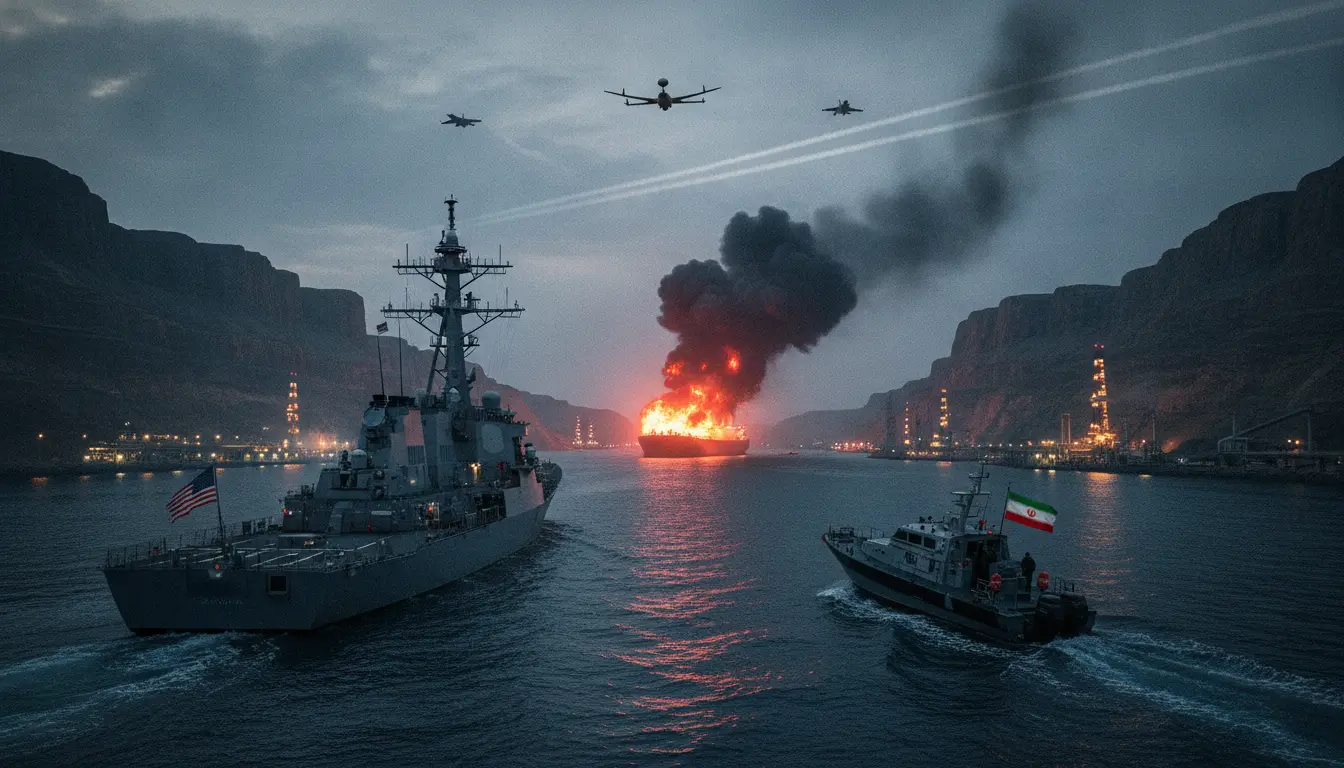
Ultimately, what is at stake is the very architecture of security in the Middle East and, by extension, global energy stability. A successful and lasting US-Iran MOU could unlock significant economic opportunities, reduce the risk of regional conflict, and potentially pave the way for broader cooperation. Conversely, if these reported discussions falter or fail to materialize into a concrete agreement, it could deepen existing hostilities, further entrench proxy wars, and reinforce a cycle of suspicion that has long destabilized one of the world’s most critical regions. The world watches, keen to discern whether these tentative diplomatic overtures represent a genuine turning point or merely another fleeting hope in a saga of enduring enmity.
Stay Informed. Act Smarter.
Get weekly highlights, major headlines, and expert insights — then put your knowledge to work in our live prediction markets.
Related News
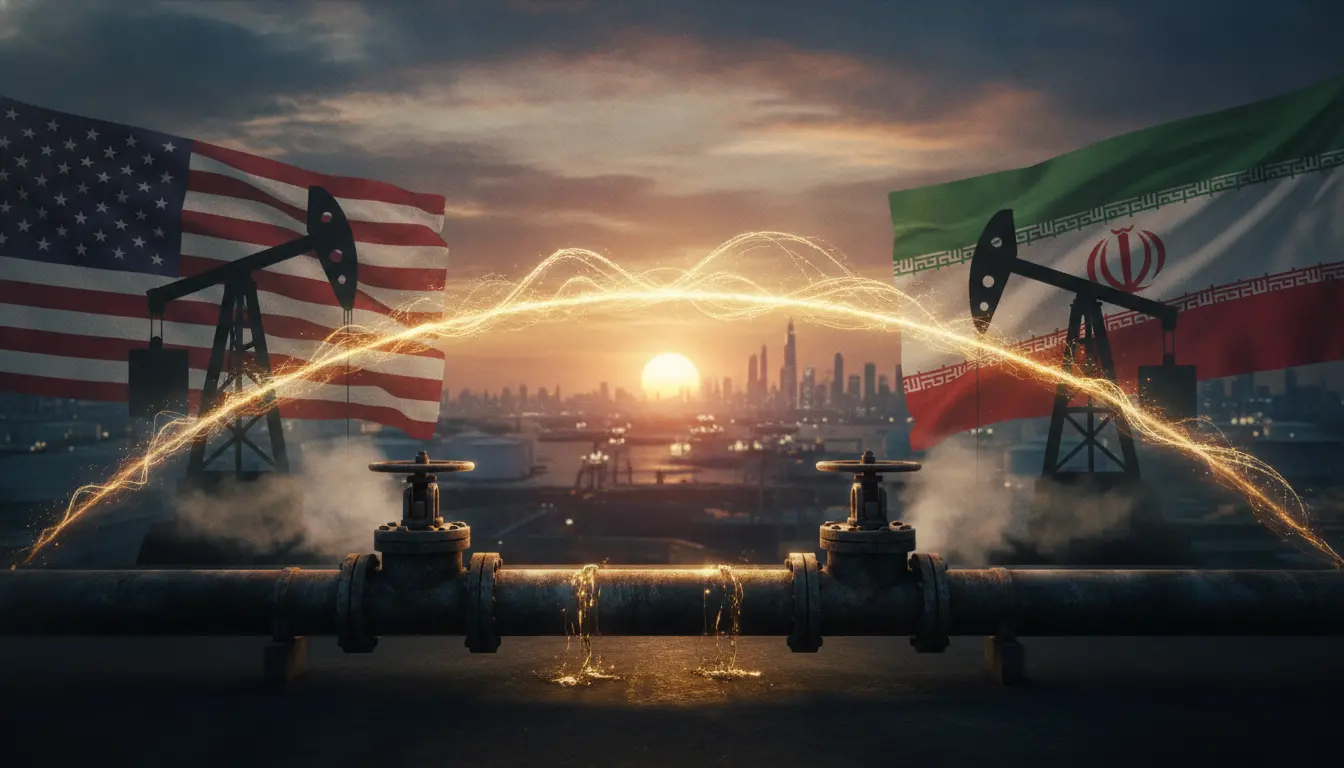
Reports Indicate Potential Full Lifting of US Oil Sanctions on Iran by Late 2026
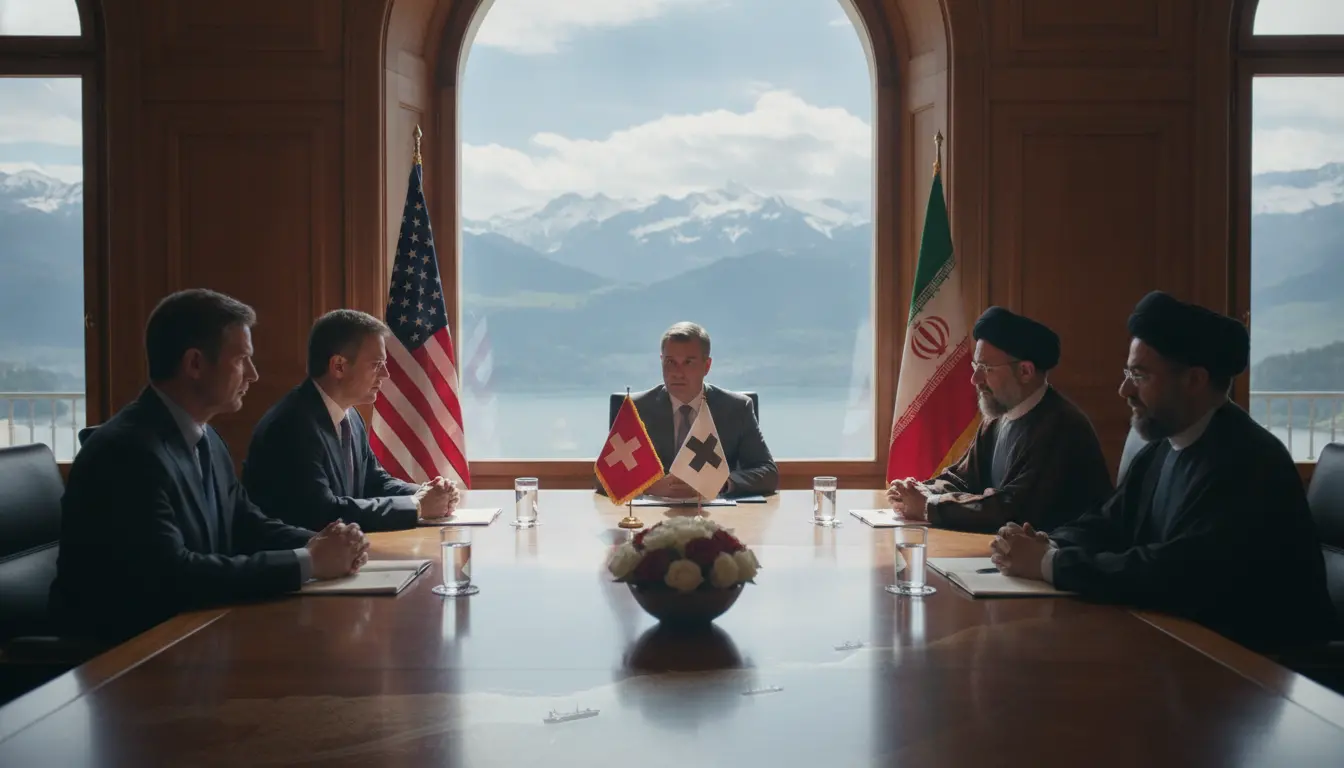
US and Iran Engage in Critical Swiss Talks Amidst Strait of Hormuz Tensions
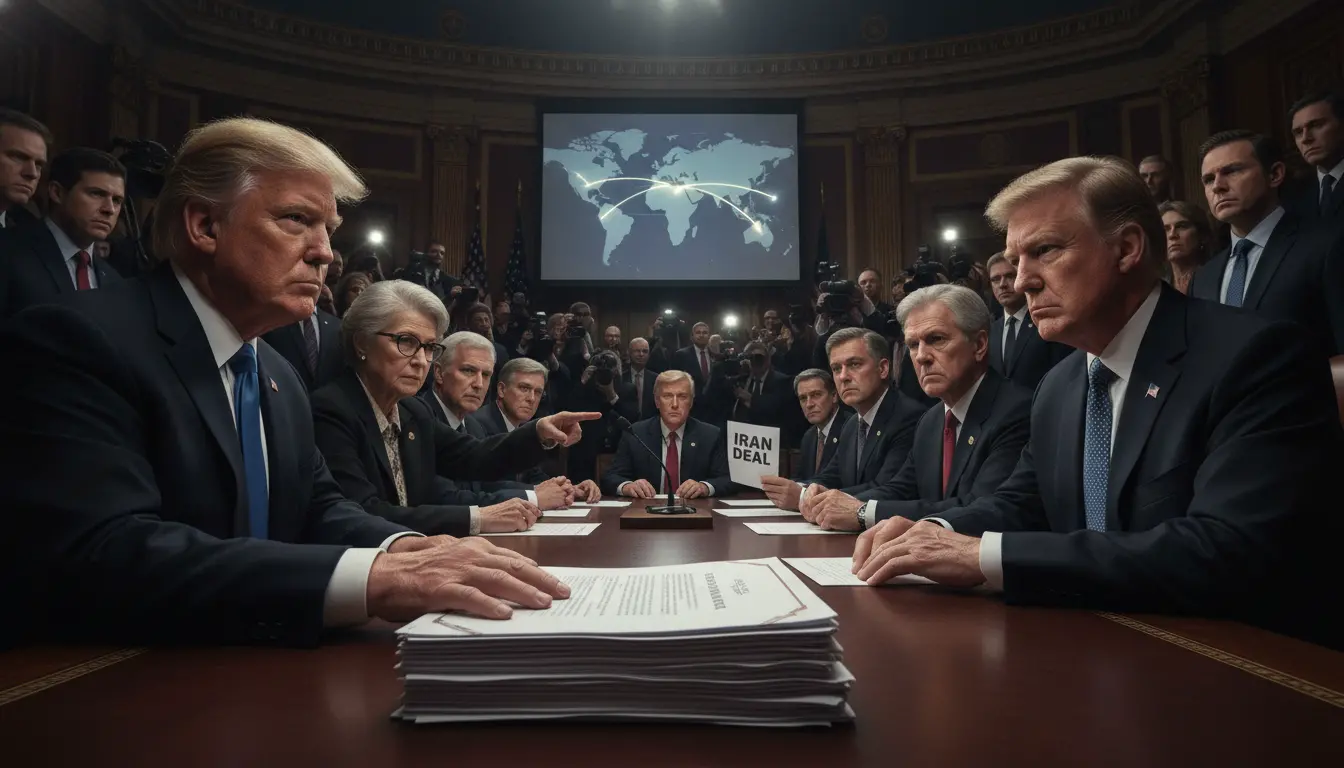
Trump's Initial Iran Memorandum of Understanding Ignites Bipartisan Congressional Scrutiny

Washington and Tehran’s De-escalation MoU Faces Mounting Pressure Amid Regional Clashes
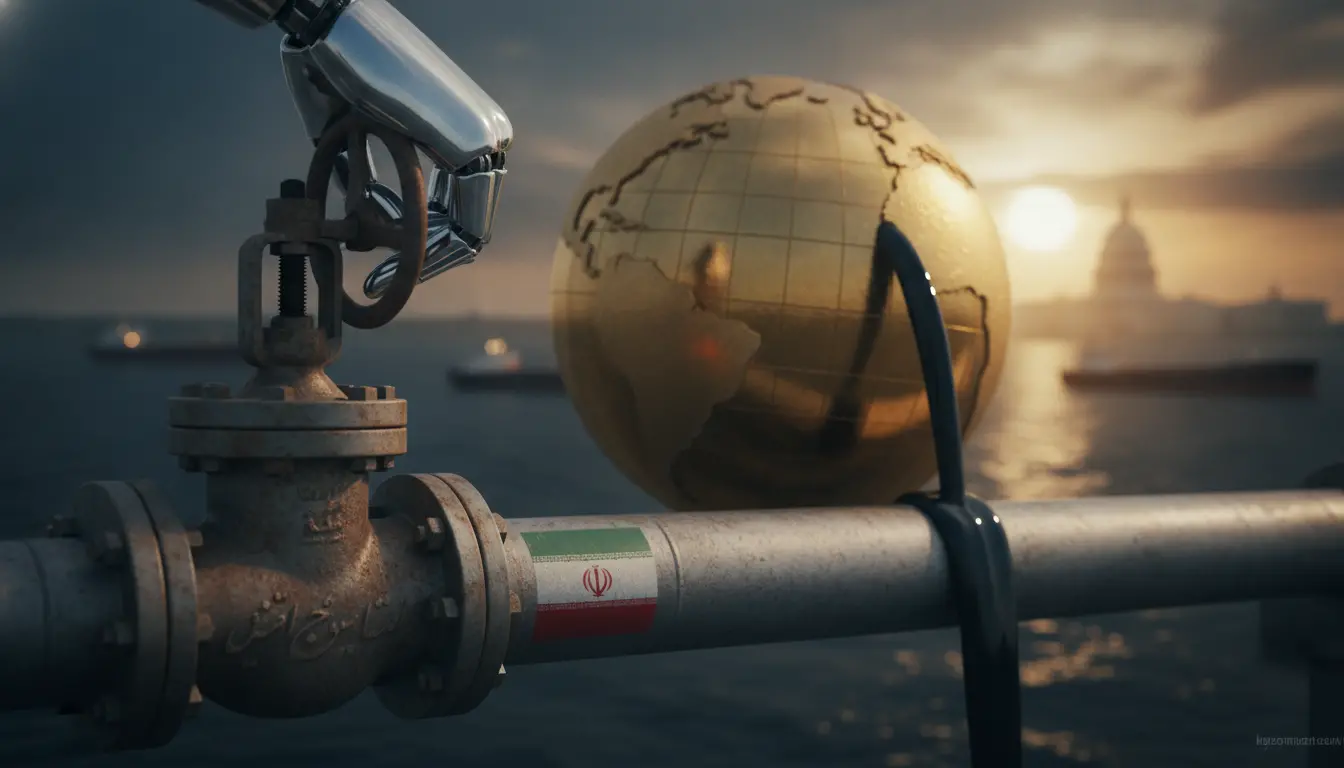
US Weighs Sanctions Relief on Iranian Oil Amid Ongoing Diplomatic Initiatives
US and Iran Face High-Stakes Negotiations Amidst Pressures to Secure Strait of Hormuz

Diplomatic Efforts Mount to Salvage US-Iran De-escalation Agreement Amid Rising Regional Tensions
US-Iran De-escalation Accord Faces Precarious Future Amid Renewed Hostilities and Strait of Hormuz Tensions

Future of US-Iran Diplomacy Under Scrutiny Amid Reports of Potential High-Level Talks

US-Iran De-escalation Memorandum Faces Collapse Amid Escalating Tensions and Regional Strikes