


Macron Government Navigates Instability Amid Persistent Early Election Speculation
Whispers of snap legislative elections continue to echo through French political corridors, a persistent undercurrent reflecting the precarious position of President Emmanuel Macron’s government. Since losing his absolute majority in the National Assembly in 2022, Macron has presided over a period of legislative deadlock and political maneuvering, fueling ongoing speculation about whether he might, at some point before the end of 2026, dissolve the Assembly in a high-stakes gamble to restore governing stability.
Macron’s second term has been defined by this unprecedented parliamentary fragmentation, forcing his centrist Renaissance party and its allies into a constant search for ad-hoc majorities to pass critical legislation. This situation notably played out during the contentious pension reforms, which were ultimately pushed through using the constitution's Article 49.3, allowing a bill to pass without a parliamentary vote unless a motion of no-confidence is successful. Such tactics, while constitutionally valid, have deepened public discontent and intensified political polarization, leaving the government vulnerable to motions of no-confidence and making effective governance a perpetual challenge.
The power to dissolve the National Assembly rests solely with the President, a constitutional prerogative that could be invoked if he deems the legislative body incapable of effective governance, or as a strategic move to break a political impasse. However, such a decision comes with immense risks. A failed gamble could lead to a 'cohabitation' – a situation where the President and the Prime Minister belong to opposing political parties – effectively crippling Macron’s ability to implement his agenda for the remainder of his term, which ends in 2027. The last time France experienced such a scenario was under Jacques Chirac in 1997, a decision that ushered in five years of Socialist governance under Lionel Jospin.
The current political landscape is dramatically different from past eras. The 2022 legislative elections saw significant gains for both the far-right Rassemblement National (RN) and the left-wing NUPES coalition, creating a three-block parliament that has proven exceptionally difficult to navigate. The RN, under the leadership of Marine Le Pen and rising star Jordan Bardella, has consistently polled strongly and stands ready to capitalize on any signs of governmental weakness. Similarly, the left, though fractious, represents a formidable opposition bloc. Any snap election would be a crucial test of strength for these emergent forces against Macron's weakening centrist alliance, with significant implications for the future direction of French politics.
President Macron and his Prime Minister, Gabriel Attal, are acutely aware of the potential pitfalls and benefits. While an early election could theoretically provide a renewed, stronger mandate, the current public mood, characterized by lingering frustrations over inflation, cost of living, and public services, suggests a deeply unpredictable outcome. Voters might punish the incumbent more than reward a strategic move. The European Parliament elections in June 2024 will serve as a critical barometer of national sentiment, with strong performances by opposition parties potentially increasing the pressure on Macron and making the prospect of a dissolution more, or less, appealing depending on the specific results.
The stakes extend beyond domestic policy. France, a foundational member of the European Union, plays a pivotal role in shaping continental policy. A period of prolonged internal political instability or the ascent of a government with dramatically different foreign policy priorities could have ripple effects across Europe, particularly concerning issues like defense, economic integration, and relations with major global powers. As such, the question of whether France will face an unscheduled legislative election is not merely a domestic concern but a critical factor in the broader geopolitical calculus, keeping observers both within and outside France on high alert for any indications of Macron's next move.
Stay Informed. Act Smarter.
Get weekly highlights, major headlines, and expert insights — then put your knowledge to work in our live prediction markets.
Related News
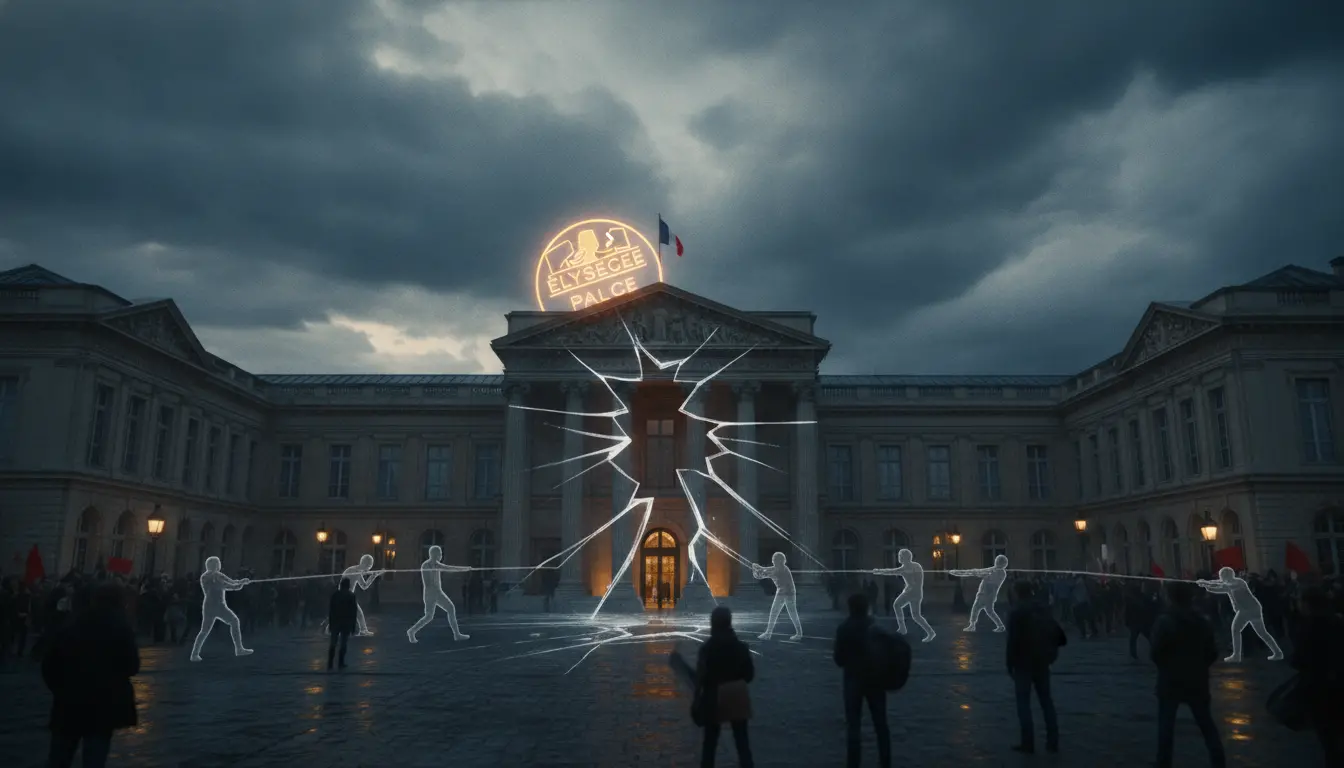
French Government Under Constant Threat of Collapse From Opposition No-Confidence Votes
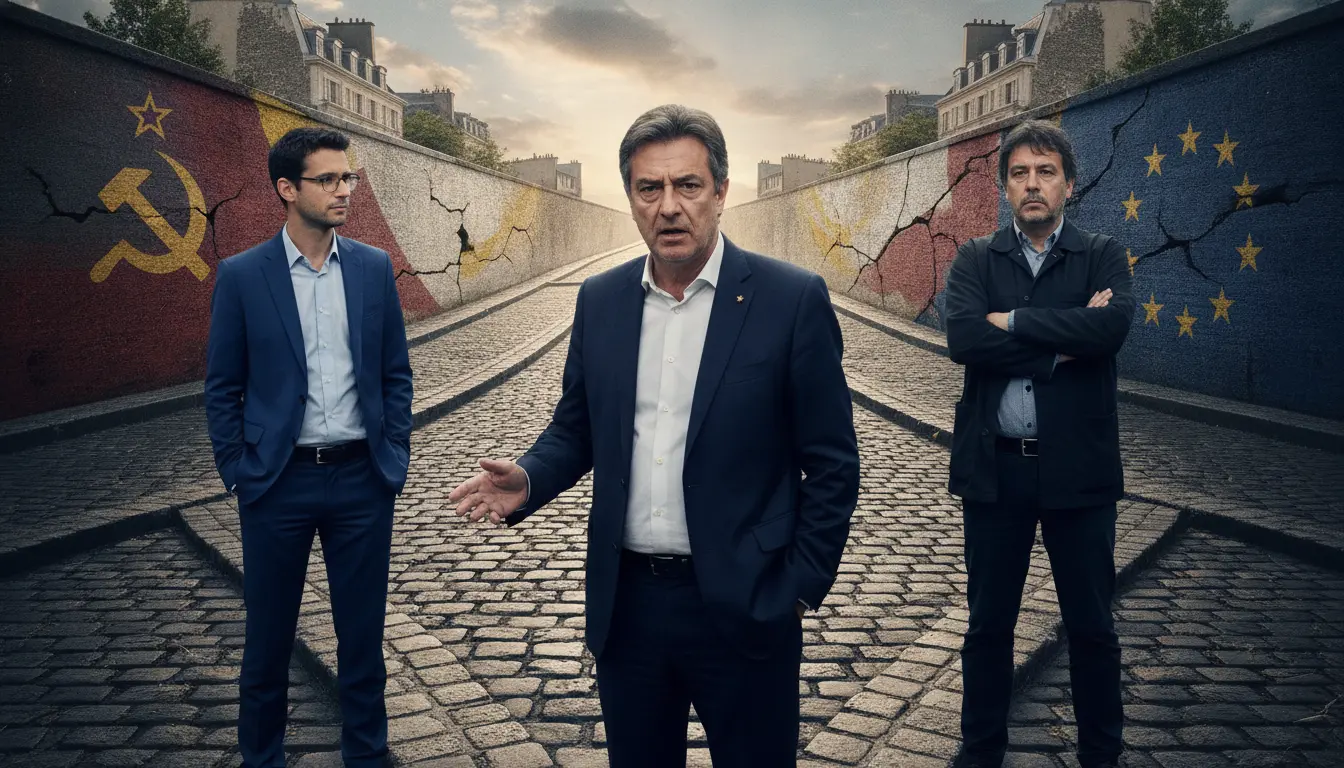
Ideological Battle for French Left Heats Up as Mélenchon, Glucksmann, and Roussel Eye 2026 Primary

Paris Appeals Court Ruling Threatens Marine Le Pen's 2027 Presidential Candidacy
G7 Leaders Face Intensifying Political Pressures and Electoral Challenges Through 2026
G7 Leaders Grapple with Widespread Political Volatility and Looming Electoral Challenges
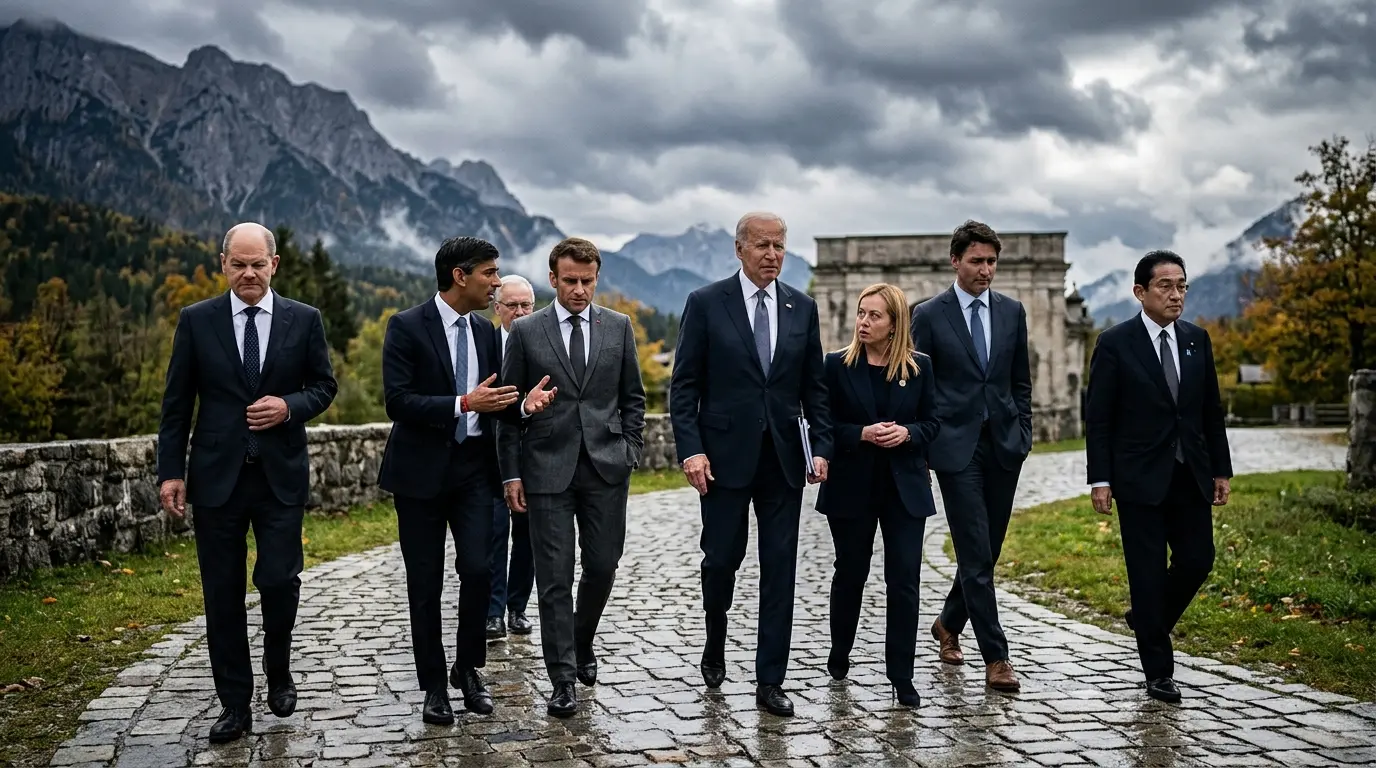
G7 Leaders Navigate Tumultuous Political Landscape Amidst Domestic Pressures and Upcoming Elections
G7 Leaders Face Intensifying Political Pressures, Raising Questions About Tenure Through 2026
Israel's Scheduled 2026 Legislative Elections Under Spotlight Amid Political Flux

Political Volatility Intensifies Scrutiny on G7 Leadership Stability Through 2026

G7 Leaders Navigate Tumultuous Political Landscape Ahead of Key Electoral Tests