

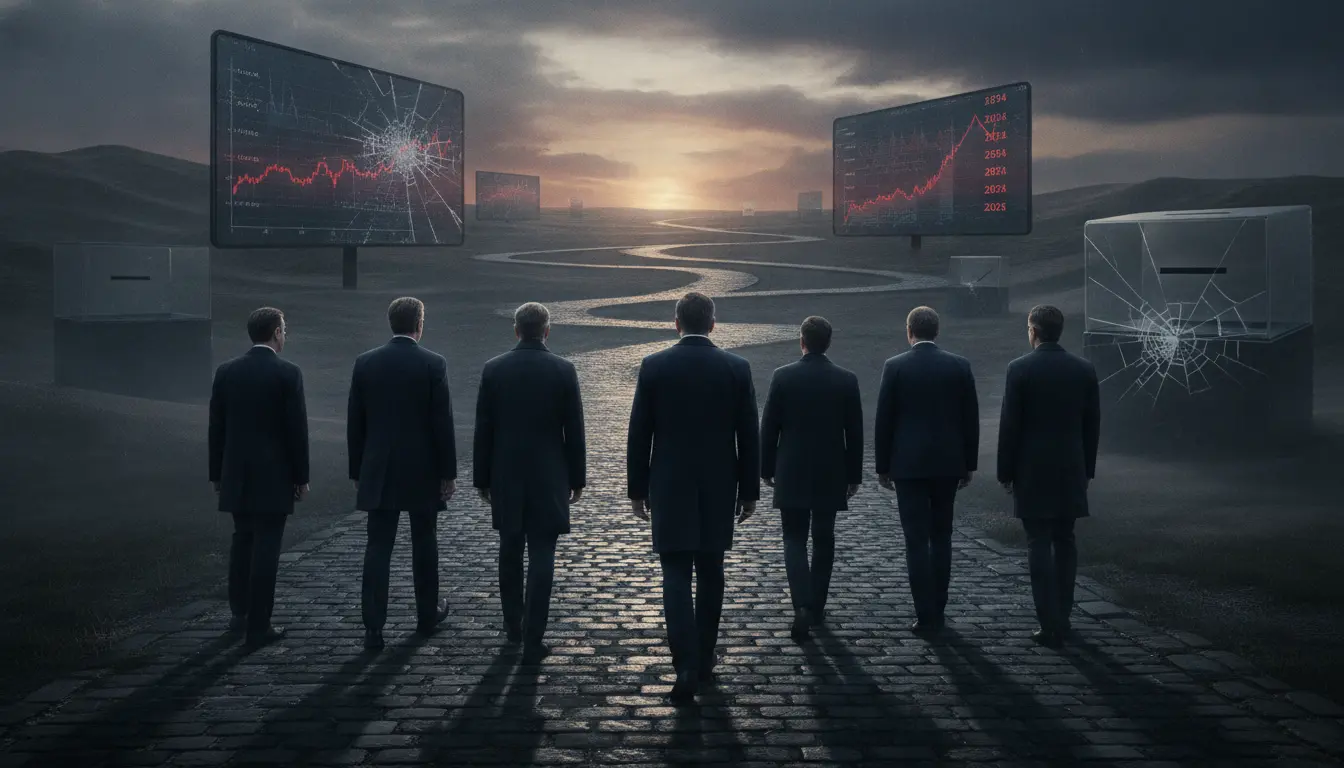
G7 Leaders Face Intensifying Political Pressures and Electoral Challenges Through 2026
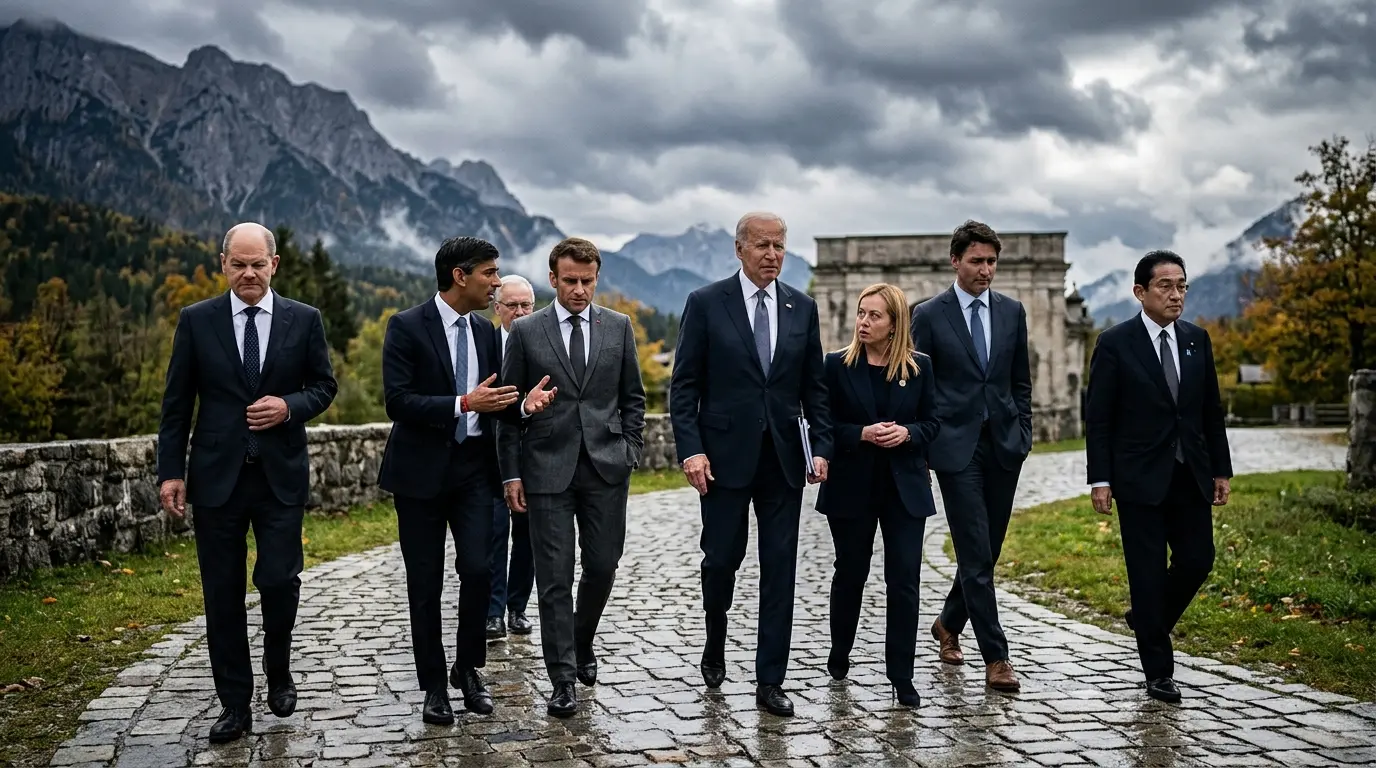
The leaders of the Group of Seven (G7) nations find themselves navigating an increasingly volatile global landscape, with domestic political pressures and upcoming electoral cycles casting long shadows over their tenures through 2026. From faltering approval ratings to significant economic headwinds and the rise of populist movements, the heads of government in North America, Europe, and Asia are under intense scrutiny, raising questions about the stability of their leadership in the coming two years.
The political stability of these major global economies is a critical factor for international cooperation, economic policy, and geopolitical strategy. Each G7 leader faces a unique set of challenges, ranging from imminent elections to internal party dissent and the complex task of managing a post-pandemic, inflation-hit world. The period between now and the end of 2026 will test their resilience, policy effectiveness, and ability to maintain public confidence amid a confluence of domestic grievances and escalating international crises. The outcome of these pressures could significantly reshape the composition of one of the world's most influential blocs.
In the United States, President Joe Biden is gearing up for a contentious presidential election in November 2024. His age and approval ratings, coupled with deeply polarized national politics, make his path to re-election fraught with challenges. A change in U.S. leadership would reverberate globally. Across the Atlantic, UK Prime Minister Rishi Sunak and his Conservative Party face an uphill battle, with a general election constitutionally mandated by January 2025, though widely expected in late 2024. Public sentiment, heavily influenced by economic stagnation and cost-of-living concerns, has consistently favored the opposition Labour Party, suggesting a potentially significant shift in power. Similarly, Canadian Prime Minister Justin Trudeau, in office since 2015, grapples with declining popularity and growing public fatigue, with a federal election due by October 2025. The Liberal Party faces increased pressure from conservative rivals over housing affordability and economic management.
European G7 leaders are not immune to these pressures. German Chancellor Olaf Scholz leads a fragile three-party coalition that has struggled with internal disagreements and waning public support amidst economic slowdowns and the rise of the far-right AfD party. While Germany's next federal election is slated for late 2025, coalition stability could be tested before then. French President Emmanuel Macron, whose presidential term extends to 2027, has faced persistent challenges to his authority, including widespread protests against pension reforms and a lack of a clear parliamentary majority, forcing him to rely on contentious legislative tactics. The European Parliament elections, though not directly impacting his national mandate, could further signal shifts in political mood. In Italy, Prime Minister Giorgia Meloni has enjoyed a relatively stable period since taking office in late 2022, but the dynamics of Italian coalition politics are notoriously unpredictable, and economic pressures remain a constant threat. Her government’s mandate runs until October 2027, but navigating the complexities of European and domestic policy will be crucial for her longevity.
Asia’s G7 representative, Japanese Prime Minister Fumio Kishida, is also under considerable strain. His approval ratings have plummeted amid a series of scandals involving factions within his ruling Liberal Democratic Party (LDP) and a perception of weak leadership on economic issues. A general election must be held by October 2025, but calls for an earlier dissolution of parliament could emerge if his position further weakens. The collective challenges faced by these leaders underscore a broader global trend of political fragmentation and public impatience, demanding responsive and effective governance in an era of rapid change.
The coming period promises to be a crucible for these leaders, testing their political acumen, policy foresight, and ability to unify divided electorates. The potential for leadership transitions across multiple G7 nations carries significant implications for global governance, trade relations, climate initiatives, and responses to ongoing conflicts. As the world confronts complex issues from economic instability to geopolitical tensions, the stability and direction of these leading democracies will be under continuous and intense observation, with any significant change poised to reshape international dynamics.
Stay Informed. Act Smarter.
Get weekly highlights, major headlines, and expert insights — then put your knowledge to work in our live prediction markets.
Related News
G7 Leaders Navigate Tumultuous Political Landscape Ahead of Key Electoral Tests

G7 Leaders Grapple with Widespread Political Volatility and Looming Electoral Challenges
Political Turmoil and Electoral Pressures Challenge G7 Leaders Ahead of 2026
G7 Leaders Face Intensifying Political Pressures, Raising Questions About Tenure Through 2026
G7 Leaders Navigate Tumultuous Political Landscape Amidst Domestic Pressures and Upcoming Elections
G7 Leaders Face Heightened Scrutiny Amid Turbulent Political Landscape Through 2026

G7 Nations Face Intensifying Scrutiny Over Leadership Stability Amid Domestic and Global Pressures

G7 Nations Face Heightened Prospects of Leadership Changes by End of 2026

Political Volatility Intensifies Scrutiny on G7 Leadership Stability Through 2026
G7 Leaders Face Intensifying Scrutiny Amid Electoral Cycles and Geopolitical Pressures