


Political Volatility Intensifies Scrutiny on G7 Leadership Stability Through 2026
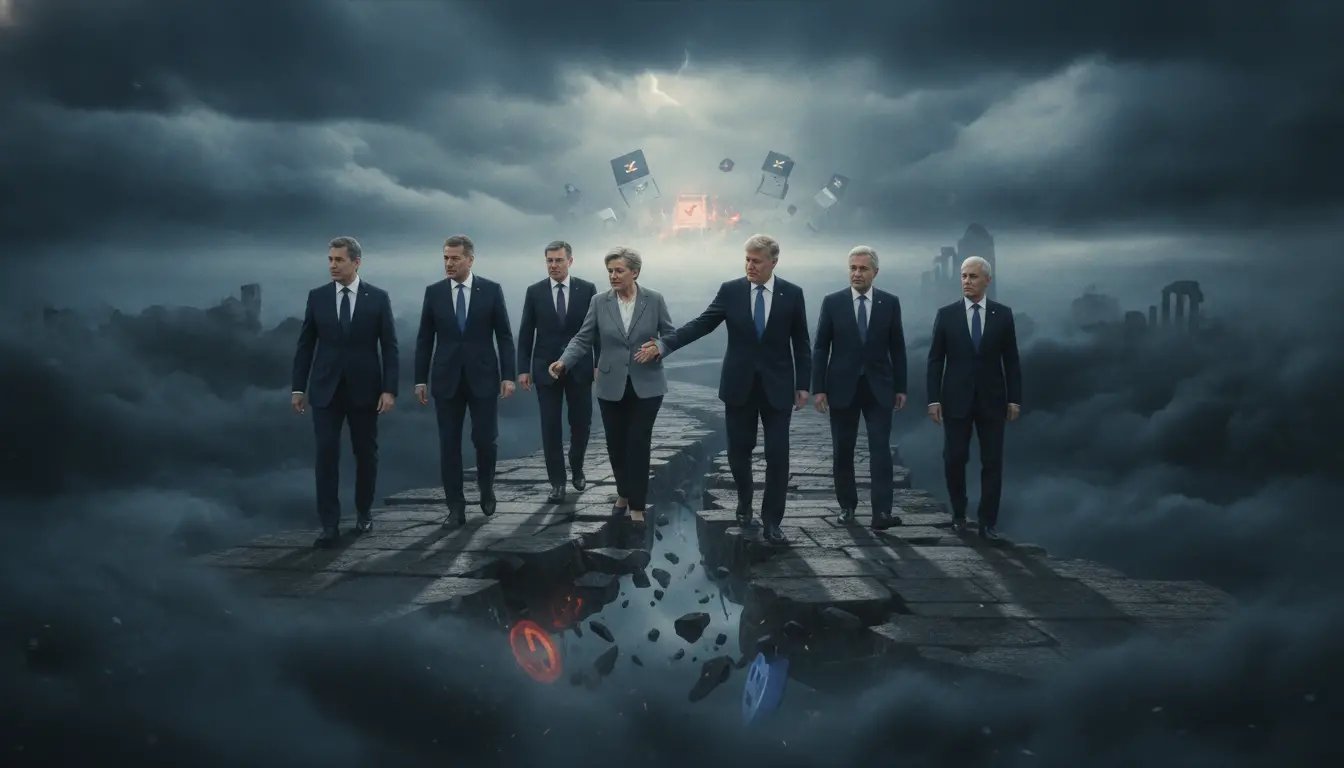
The political landscape across the Group of Seven (G7) nations is marked by significant fluidity and upcoming electoral tests, signaling a period of potential leadership changes before the close of 2026. As global economic pressures, geopolitical tensions, and shifting voter demographics continue to reshape domestic politics, the tenure of several incumbent G7 leaders faces heightened scrutiny. The stability of these key global powers' executive branches is paramount for international cooperation, economic direction, and collective responses to pressing global challenges.
From North America to Europe and Asia, G7 leaders are grappling with distinct yet interconnected headwinds. Public approval ratings for many remain volatile, reflecting widespread dissatisfaction with economic performance, cost-of-living crises, and domestic policy outcomes. The demands of balancing national interests with multilateral commitments, often against a backdrop of deep societal divisions and populist movements, exert immense pressure on these heads of government. These factors create an environment where electoral defeats, internal party challenges, or even unforeseen circumstances could precipitate a change in leadership.
Immediate electoral cycles pose the most direct threat to several leaders. In the United States, President Joe Biden is preparing for a fiercely contested re-election bid in November 2024. His age, fluctuating approval ratings, and a highly polarized political environment suggest a close race, with a palpable possibility of a change in command. Similarly, the United Kingdom anticipates a general election by January 2025 at the latest, with Prime Minister Rishi Sunak and his Conservative Party currently trailing significantly in opinion polls. A strong showing by the opposition Labour Party could easily see a new occupant at 10 Downing Street well before the 2026 deadline, reflecting a broader trend of electoral dissatisfaction with long-serving parties.
Beyond direct elections, internal party dynamics and coalition stability present considerable risks. Canadian Prime Minister Justin Trudeau, leading a minority government, faces persistent low approval ratings and an upcoming federal election due by October 2025. His Liberal Party has been in power for nearly a decade, and voter fatigue combined with economic concerns could make his position untenable. In Germany, Chancellor Olaf Scholz's three-party coalition has shown cracks amidst economic slowdowns and disagreements over policy, with the next federal election scheduled for 2025. The fragility of such alliances, alongside pressure from surging populist parties, could force an early resolution.
In Asia, Japanese Prime Minister Fumio Kishida is navigating falling approval ratings and challenges to his leadership within the ruling Liberal Democratic Party (LDP). Internal factionalism and the potential for a snap election or a leadership contest within the LDP could see his departure earlier than anticipated. Meanwhile, French President Emmanuel Macron, though not facing another presidential election until 2027, lacks a parliamentary majority and has faced widespread protests over key reforms. His ability to govern effectively through his second term without major concessions or political missteps remains a point of contention, while Italy's Giorgia Meloni, though currently commanding a stable right-wing coalition, leads a nation historically accustomed to frequent government turnovers, making any long-term prediction inherently uncertain.
The potential for significant leadership turnover within the G7 carries profound implications for global policy. Shifts in political leadership could herald changes in foreign policy alignment, trade relations, climate commitments, and defense spending, creating periods of uncertainty for international allies and adversaries alike. The coherence of the G7 as a collective force for addressing global issues depends heavily on the continuity and stability of its member states' leadership.
Ultimately, the political environment for G7 leaders is uniquely challenging, characterized by heightened public expectations, economic turbulence, and a complex geopolitical landscape. The period leading up to the end of 2026 is poised to be a critical test for many, with the prospect of several influential heads of government departing their roles as a result of electoral outcomes, internal political pressures, or evolving national priorities.
Stay Informed. Act Smarter.
Get weekly highlights, major headlines, and expert insights — then put your knowledge to work in our live prediction markets.
Related News
G7 Leaders Face Heightened Scrutiny Amid Turbulent Political Landscape Through 2026
Political Turmoil and Electoral Pressures Challenge G7 Leaders Ahead of 2026

G7 Nations Face Intensifying Scrutiny Over Leadership Stability Amid Domestic and Global Pressures

G7 Leaders Grapple with Widespread Political Volatility and Looming Electoral Challenges

G7 Nations Brace for Potential Leadership Shifts Ahead of 2026

G7 Nations Face Heightened Prospects of Leadership Changes by End of 2026
G7 Leaders Face Intensifying Political Pressures and Electoral Challenges Through 2026
G7 Leaders Face Intensifying Political Pressures, Raising Questions About Tenure Through 2026
G7 Leaders Navigate Tumultuous Political Landscape Ahead of Key Electoral Tests

Political Headwinds Batter G7 Leaders, Threatening Major Shakeup by 2026