

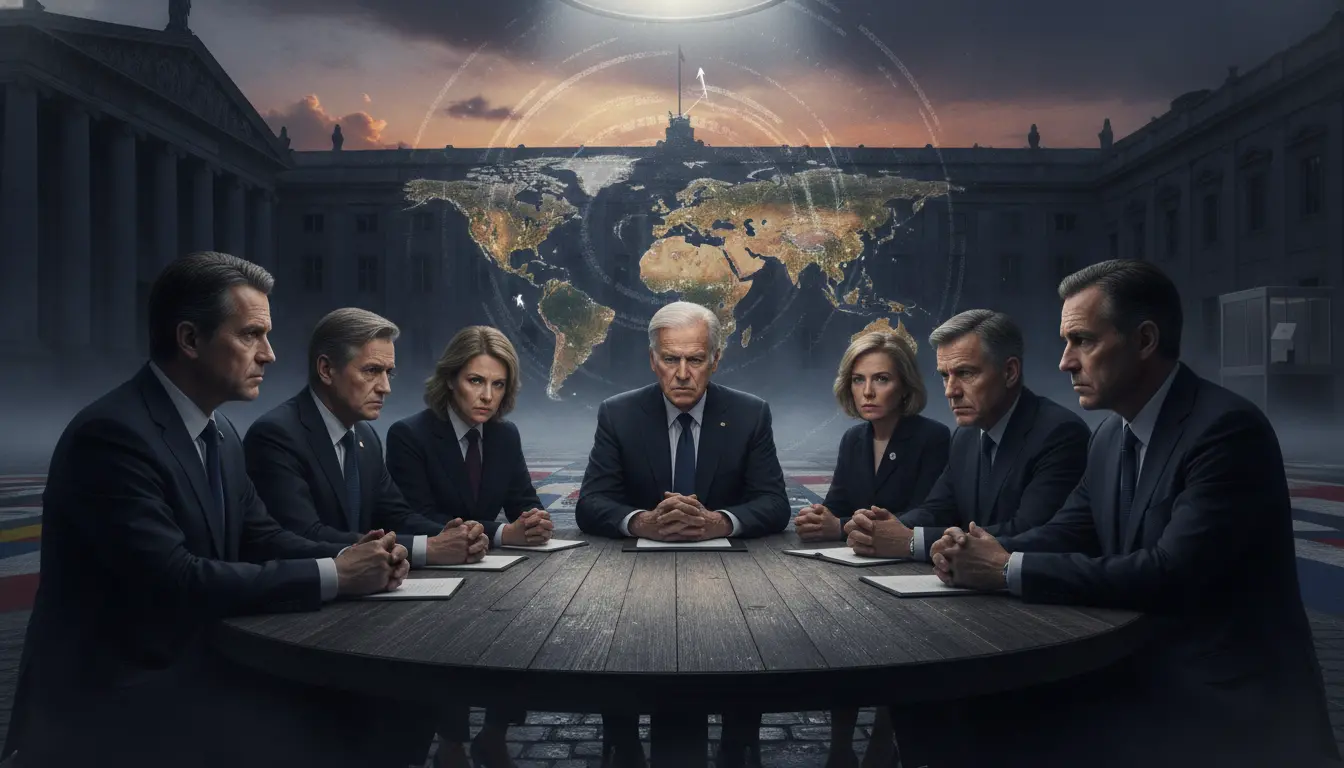
G7 Leaders Face Intensifying Scrutiny Amid Electoral Cycles and Geopolitical Pressures
Leaders of the Group of Seven (G7) nations are navigating an increasingly complex political landscape, marked by a confluence of domestic challenges and a turbulent global environment. As several key economies within the bloc prepare for pivotal electoral cycles, the tenures of incumbent heads of state and government are under heightened scrutiny, raising questions about political stability and the continuity of international cooperation.
The current climate is defined by a series of interconnected crises, from persistent inflation and economic uncertainty to the ongoing conflicts in Ukraine and the Middle East, alongside the ever-present demands of climate change and evolving technological shifts. These multifaceted pressures amplify public discontent and voter volatility, making political leadership more precarious. For the G7, a forum of the world’s leading industrial democracies, stable and decisive leadership is crucial for coordinating responses to these global challenges and maintaining a united front on critical geopolitical issues.
Across the G7, domestic political landscapes are fraught with unique, yet often overlapping, difficulties. In the United States, President Joe Biden faces a challenging re-election campaign later this year, battling concerns over his age and approval ratings amidst a deeply polarized electorate. Across the Atlantic, UK Prime Minister Rishi Sunak contends with stubbornly low approval figures for his Conservative party and an anticipated general election that could see a significant shift in power. German Chancellor Olaf Scholz's coalition government has faced internal discord and external pressures from economic slowdowns and the rise of populist sentiments. In France, President Emmanuel Macron, though in his second term, continues to grapple with domestic unrest over reforms and a fragmented parliamentary landscape. These leaders, among others, exemplify the precarious balance between enacting necessary policies and maintaining public trust.
Beyond the electoral cycle, the dynamics of internal party politics and the personal credibility of leaders also play a significant role. Japanese Prime Minister Fumio Kishida has seen his approval ratings dip amid fundraising scandals affecting his ruling Liberal Democratic Party, prompting questions about his leadership within the faction-ridden party. Canadian Prime Minister Justin Trudeau, now one of the longest-serving G7 leaders, confronts widespread public fatigue and criticism over the cost of living and housing crises, with a federal election due by late 2025. Italian Prime Minister Giorgia Meloni, while enjoying a period of relative domestic stability, operates within a political tradition known for frequent government changes, and the upcoming European Parliament elections could recalibrate national political dynamics.
These individual national challenges collectively underscore a broader vulnerability within the G7. A change in leadership in any of these major economies can have ripple effects, potentially altering national policy directions, diplomatic alignments, and the overall coherence of the bloc’s international agenda. The effectiveness of G7 initiatives, from economic sanctions against Russia to global health security and climate finance, relies heavily on the continuity and shared vision of its member states' leadership. Significant shifts could introduce periods of uncertainty, re-negotiation, and potential divergence from previously agreed-upon strategies.
The intense scrutiny on G7 leaders is a testament to the demanding nature of modern governance in an interconnected world. As electoral calendars advance and new crises emerge, the ability of these leaders to not only navigate their domestic political environments but also to sustain international cooperation will be continually tested. The coming months will likely reveal which of these prominent figures can weather the storm and solidify their mandates, and which may ultimately cede their roles under the weight of escalating pressures. The stakes extend far beyond national borders, influencing the trajectory of global governance and the stability of the international order itself.
Stay Informed. Act Smarter.
Get weekly highlights, major headlines, and expert insights — then put your knowledge to work in our live prediction markets.
Related News
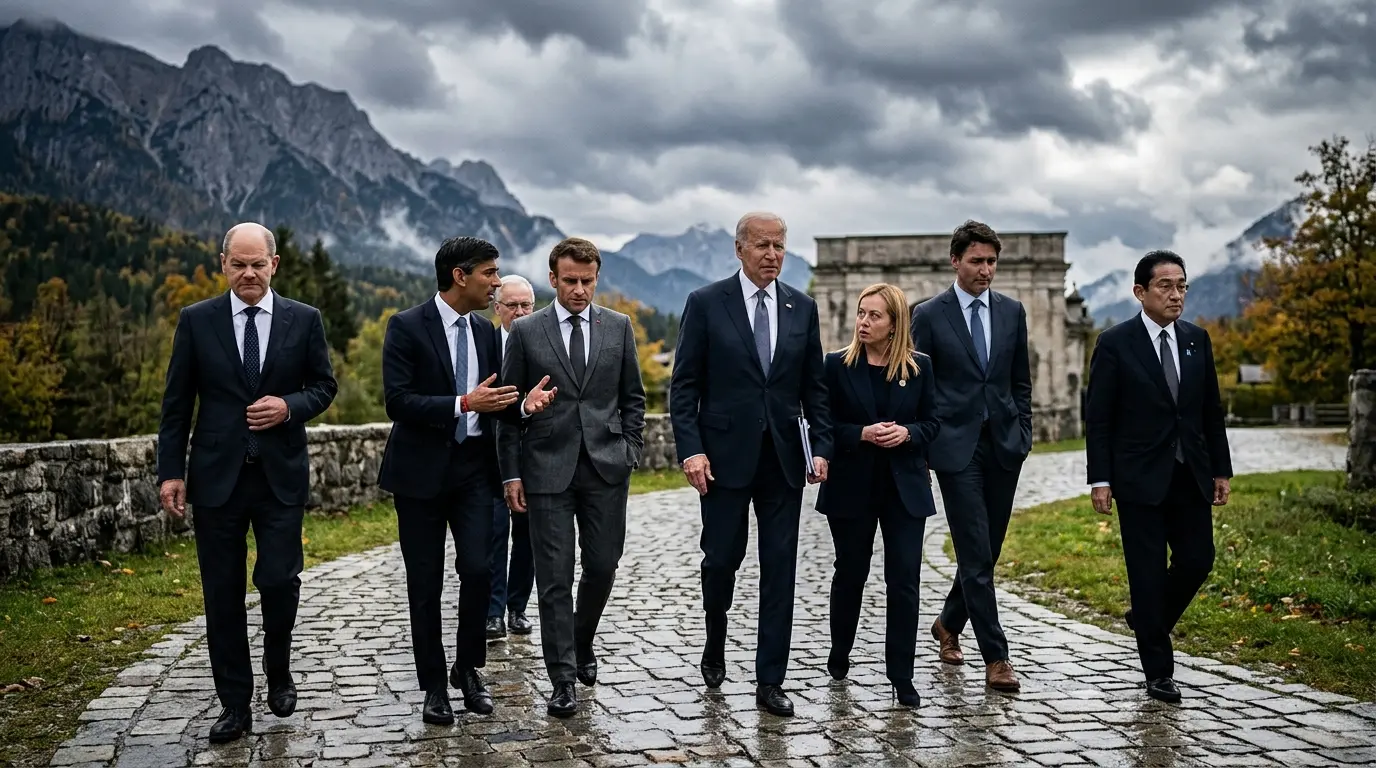
G7 Leaders Navigate Tumultuous Political Landscape Amidst Domestic Pressures and Upcoming Elections
G7 Leaders Face Intensifying Political Pressures and Electoral Challenges Through 2026
G7 Leaders Navigate Tumultuous Political Landscape Ahead of Key Electoral Tests
G7 Leaders Grapple with Widespread Political Volatility and Looming Electoral Challenges
G7 Leaders Face Heightened Scrutiny Amid Turbulent Political Landscape Through 2026
Political Turmoil and Electoral Pressures Challenge G7 Leaders Ahead of 2026
G7 Leaders Face Intensifying Political Pressures, Raising Questions About Tenure Through 2026

G7 Nations Face Intensifying Scrutiny Over Leadership Stability Amid Domestic and Global Pressures

Political Headwinds Batter G7 Leaders, Threatening Major Shakeup by 2026

G7 Nations Face Heightened Prospects of Leadership Changes by End of 2026