

- News
- Politics
- G7 Leaders Face Intensifying Political Pressures, Raising Questions About Tenure Through 2026
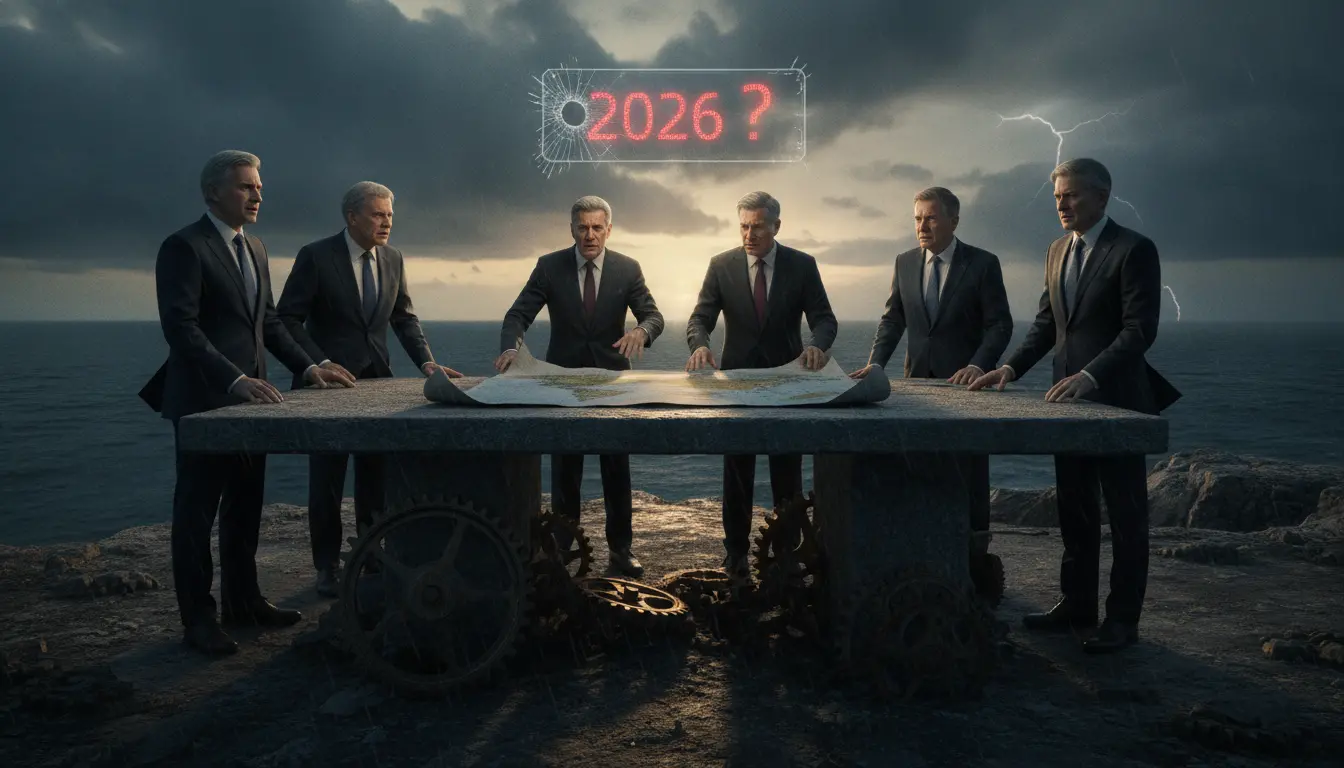
G7 Leaders Face Intensifying Political Pressures, Raising Questions About Tenure Through 2026
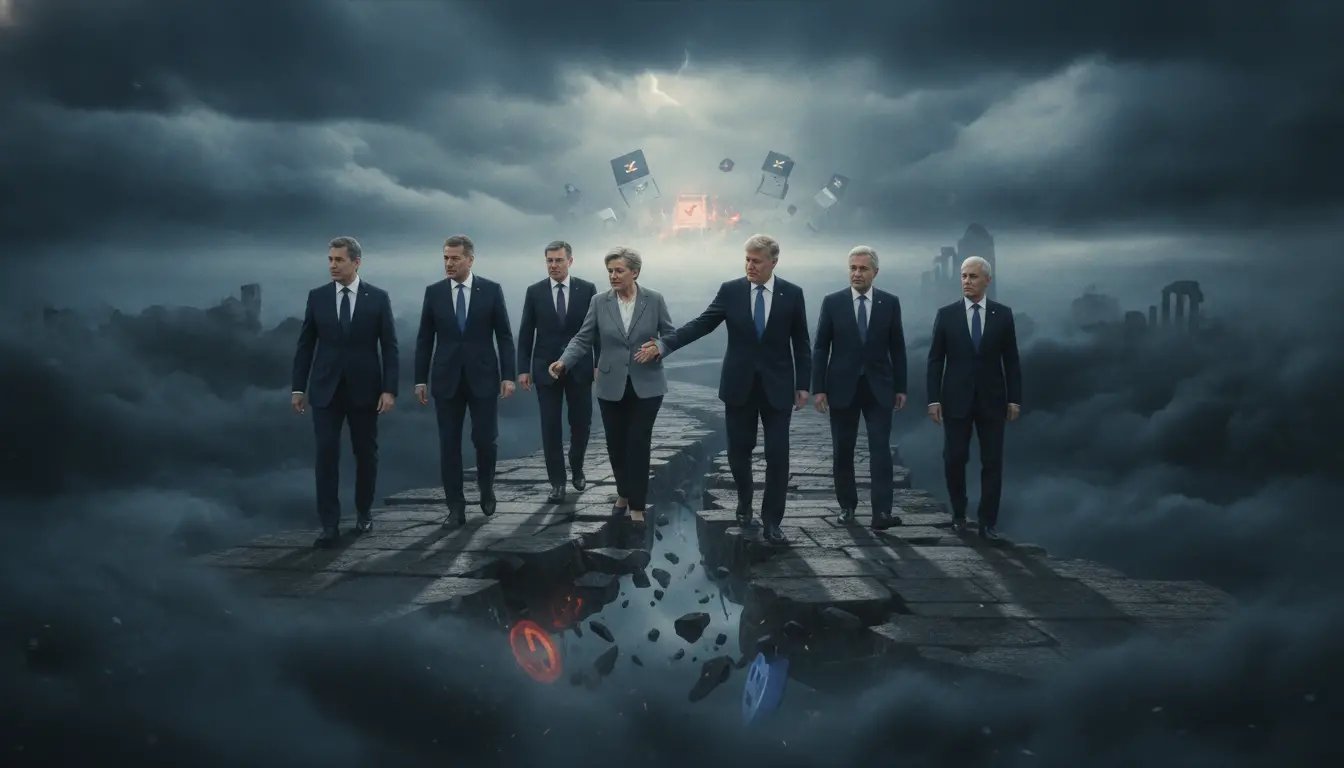
The political landscape across the Group of Seven (G7) nations is under increasing scrutiny, with a growing number of leaders navigating formidable domestic and international challenges that could reshape the global alliance's composition by the end of 2026. From fragile coalition governments to plummeting approval ratings and looming electoral battles, the stability of leadership within these key industrial democracies has become a central point of international political discourse, hinting at a period of potential significant turnover.
Several factors converge to create this climate of uncertainty. Economic headwinds, including persistent inflation and the lingering effects of global supply chain disruptions, have eroded public confidence in incumbent governments. Geopolitical tensions, particularly the ongoing conflicts in Ukraine and the Middle East, demand unified and decisive responses, often exposing divisions within and between G7 members. Domestically, many leaders contend with deeply polarized electorates, resurgent populist movements, and the difficult task of balancing ambitious policy agendas with fiscal realities. The recent leadership transition in the United Kingdom, following a decisive general election, underscores the dynamic nature of democratic power, setting a precedent for potential shifts within other G7 member states as political pressures mount.
In France, President Emmanuel Macron's decision to call a snap parliamentary election has plunged the nation into profound political uncertainty. While Macron himself is not up for re-election, his centrist alliance suffered heavy losses, resulting in a fractured parliament. This diminished mandate severely complicates his ability to govern effectively and pass crucial reforms, potentially forcing a cohabitation with an ideologically opposed government. Such an arrangement could cripple his policy initiatives and dramatically weaken his authority on the European and global stages, raising questions about his ability or willingness to serve out his full term under such constraints.
Germany's Chancellor Olaf Scholz faces a similarly precarious position. His three-party coalition has struggled with internal disagreements and low approval ratings amid economic stagnation and debates over defense spending. The Social Democrats, his party, have seen their support wane significantly, with an increasingly vocal opposition pressing on issues ranging from energy policy to immigration. The persistent friction within his government, coupled with a challenging economic outlook, places considerable strain on his leadership and raises the prospect of an early government collapse or a leadership challenge within his own party before the next scheduled federal election.
Across the Pacific, Japanese Prime Minister Fumio Kishida has seen his approval ratings plummet amidst a series of fundraising scandals involving his ruling Liberal Democratic Party (LDP). Public disillusionment with the LDP's handling of these controversies and concerns over economic inequality have fueled calls for his resignation. While the LDP retains a strong parliamentary majority, internal party dynamics and public discontent could force a change at the helm, particularly if the scandals continue to erode trust and undermine the party’s long-term electoral prospects.
Other G7 leaders also face distinct, albeit less immediate, challenges. Canadian Prime Minister Justin Trudeau, having led his Liberal Party for nearly a decade, has seen his popularity decline significantly. Persistent polls suggest voter fatigue and a strong appetite for change, leading to continuous speculation about his political future. In the United States, President Joe Biden is gearing up for a contentious re-election campaign, facing intense scrutiny over his age, policy record, and the broader political division gripping the nation. While Italian Prime Minister Giorgia Meloni currently enjoys relatively stable approval, the historically volatile nature of Italian politics means that rapid shifts in sentiment or coalition stability cannot be entirely discounted.
The implications of widespread leadership changes across the G7 are substantial. Such turnover could introduce periods of policy paralysis, particularly on complex issues requiring international coordination, such as climate change, global trade negotiations, and responses to geopolitical crises. The continuity of strategic alliances and multilateral initiatives depends heavily on stable and experienced leadership. As the world grapples with unprecedented challenges, the political fortitude and longevity of these key leaders will significantly shape the trajectory of global governance and cooperation through the middle of the decade and beyond. The period until 2026 promises to be a pivotal one for the G7, with the political fortunes of its leaders under intense global observation.
Stay Informed. Act Smarter.
Get weekly highlights, major headlines, and expert insights — then put your knowledge to work in our live prediction markets.
Related News
Political Turmoil and Electoral Pressures Challenge G7 Leaders Ahead of 2026
G7 Leaders Face Intensifying Political Pressures and Electoral Challenges Through 2026
G7 Leaders Face Heightened Scrutiny Amid Turbulent Political Landscape Through 2026

G7 Nations Face Intensifying Scrutiny Over Leadership Stability Amid Domestic and Global Pressures

G7 Leaders Grapple with Widespread Political Volatility and Looming Electoral Challenges

Political Volatility Intensifies Scrutiny on G7 Leadership Stability Through 2026

G7 Nations Face Heightened Prospects of Leadership Changes by End of 2026

G7 Nations Brace for Potential Leadership Shifts Ahead of 2026
G7 Leaders Navigate Tumultuous Political Landscape Ahead of Key Electoral Tests

Political Headwinds Batter G7 Leaders, Threatening Major Shakeup by 2026