

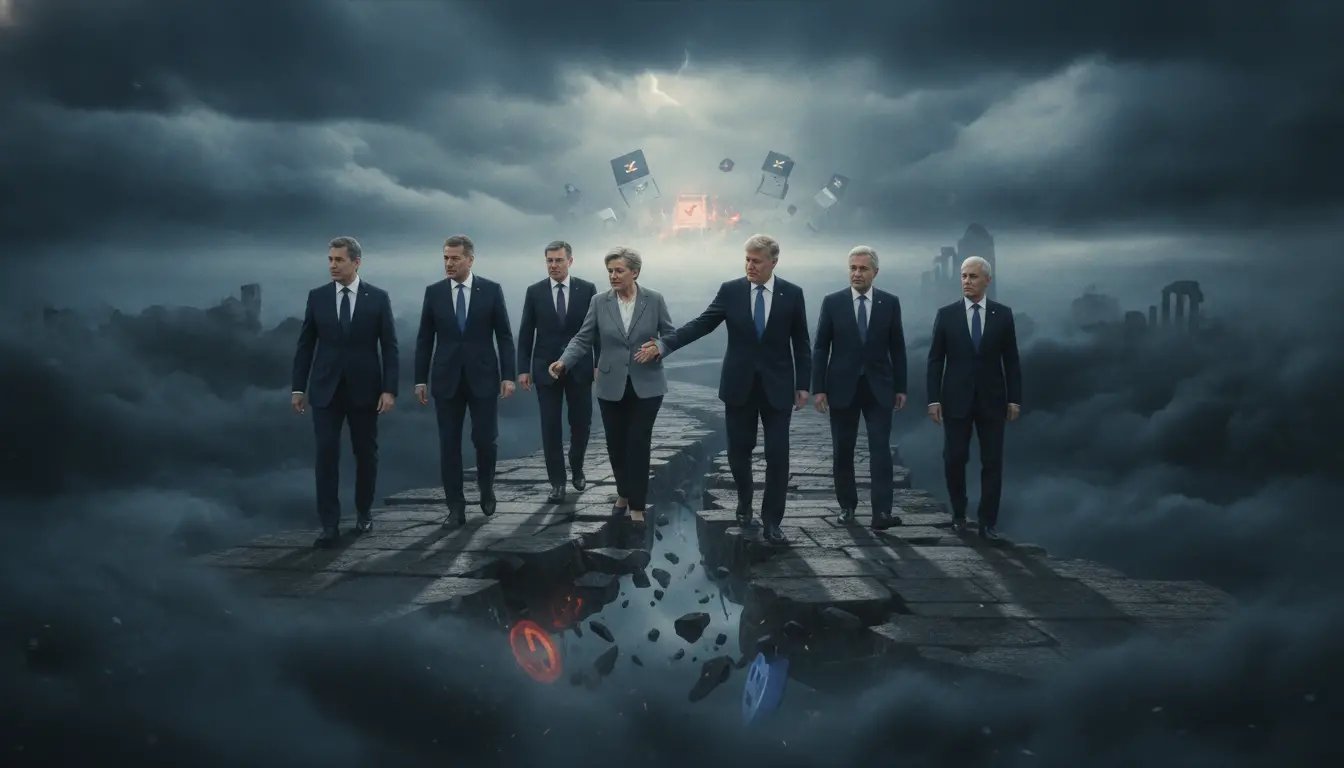
G7 Leaders Navigate Tumultuous Political Landscape Ahead of Key Electoral Tests
The political stability of G7 nations' leadership faces considerable scrutiny as several key economies brace for pivotal electoral cycles and contend with escalating domestic and international pressures. With global flashpoints, economic headwinds, and shifting public sentiment challenging incumbents, the tenure of current heads of government in the world's leading democracies is under intense spotlight, setting the stage for potential significant changes in the coming two years.
The current roster of G7 leaders – encompassing the United States, Canada, France, Germany, Italy, Japan, and the United Kingdom – operates within an increasingly volatile geopolitical environment. From the ongoing conflict in Ukraine and heightened tensions in the Middle East to persistent inflationary pressures and the existential threat of climate change, these leaders are tasked with navigating complex issues that directly impact their approval ratings and electoral fortunes. The rise of populist movements and the fragmentation of traditional political alliances further complicate their ability to secure long-term mandates, creating a dynamic landscape where leadership changes can emerge swiftly and often unexpectedly.
In North America, the political future of both President Joe Biden and Prime Minister Justin Trudeau hangs in the balance. President Biden, despite his age, is poised to contest the 2024 U.S. presidential election amidst persistent concerns over his approval ratings and economic sentiment. A potential defeat would usher in a significant leadership transition for the world's largest economy. To the north, Canadian Prime Minister Justin Trudeau, now in his ninth year in office, has seen his Liberal Party's popularity wane. While a federal election is not mandated until late 2025, a snap election could be called earlier, with opinion polls currently suggesting a challenging path for his re-election. These two nations, cornerstones of the G7, represent significant potential for shifts at the highest echelons of power.
Across the Atlantic, European G7 leaders face their own distinct sets of challenges. French President Emmanuel Macron, having secured a second term, grapples with a fragmented parliament and widespread public discontent over reform efforts, making the remainder of his presidency a continuous test of his political capital. German Chancellor Olaf Scholz leads a fragile three-party coalition that has struggled with internal disagreements and public confidence amid economic slowdowns and energy crises. With his Social Democrats trailing in polls, the pressure for the next federal election, due by late 2025, is mounting. Meanwhile, the United Kingdom's Prime Minister, Rishi Sunak, is bracing for a general election widely expected in 2024, where his Conservative Party faces an uphill battle against a strong opposition, pointing towards a likely change in Downing Street.
Italy's Prime Minister Giorgia Meloni, while enjoying relatively stable approval compared to some counterparts, presides over a broad right-wing coalition whose internal dynamics and future electoral performance remain subject to the nation's often-turbulent political currents. While her mandate extends beyond 2026, the fluidity of Italian politics means unforeseen shifts cannot be entirely ruled out. In Asia, Japanese Prime Minister Fumio Kishida has seen his approval ratings plummet due to a series of scandals impacting his ruling Liberal Democratic Party (LDP) and concerns over his economic policies. A critical LDP leadership election is scheduled for September 2024, which, if lost, could force him to step down, potentially triggering a general election well before its 2025 constitutional deadline.
The confluence of these factors suggests that the period leading up to the end of 2026 will be a defining one for the G7. The outcome of these various electoral contests and leadership challenges will not only reshape domestic political landscapes but also significantly influence the direction of international policy, economic cooperation, and global alliances. The potential for multiple leadership transitions among these influential nations underscores a period of profound uncertainty and strategic re-evaluation on the world stage, with significant implications for global governance and stability.
Stay Informed. Act Smarter.
Get weekly highlights, major headlines, and expert insights — then put your knowledge to work in our live prediction markets.
Related News
G7 Leaders Face Intensifying Political Pressures and Electoral Challenges Through 2026

G7 Leaders Grapple with Widespread Political Volatility and Looming Electoral Challenges
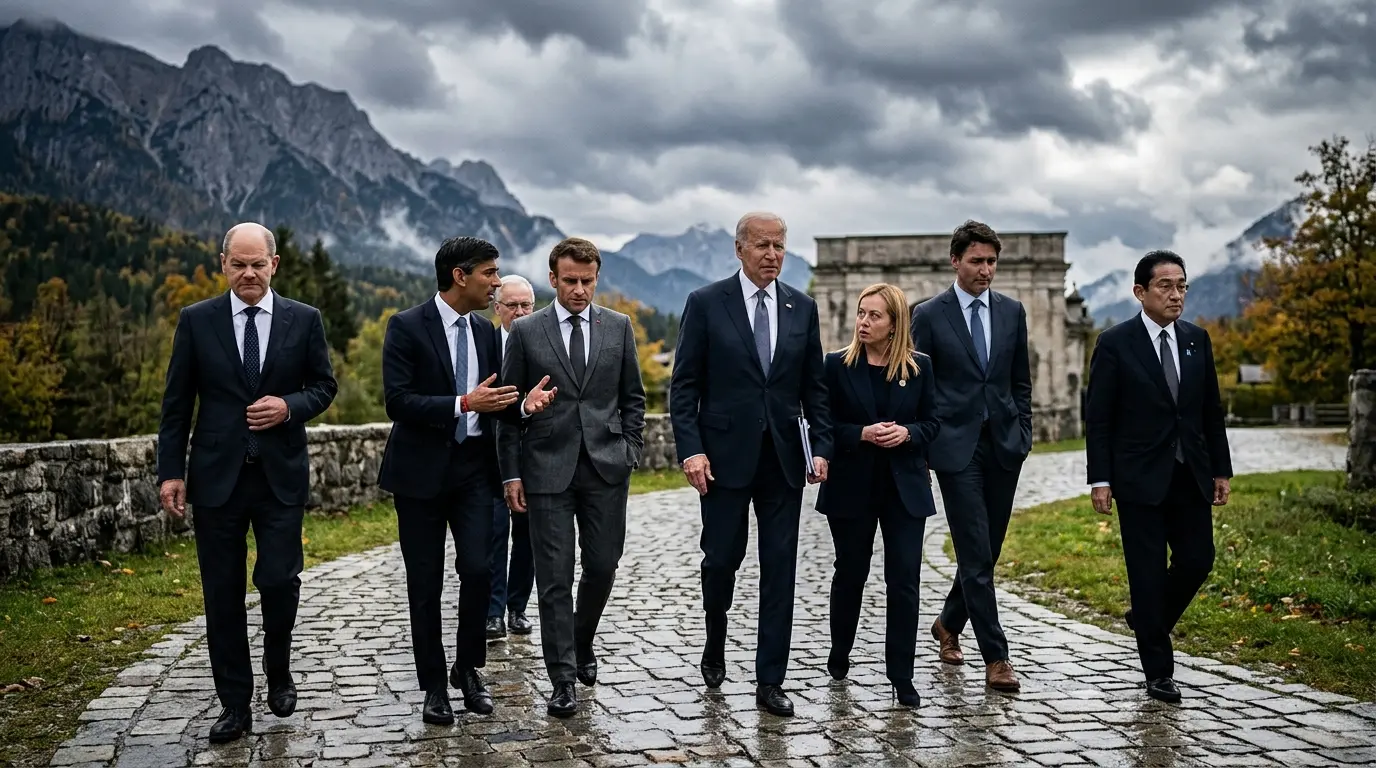
G7 Leaders Navigate Tumultuous Political Landscape Amidst Domestic Pressures and Upcoming Elections
G7 Leaders Face Heightened Scrutiny Amid Turbulent Political Landscape Through 2026
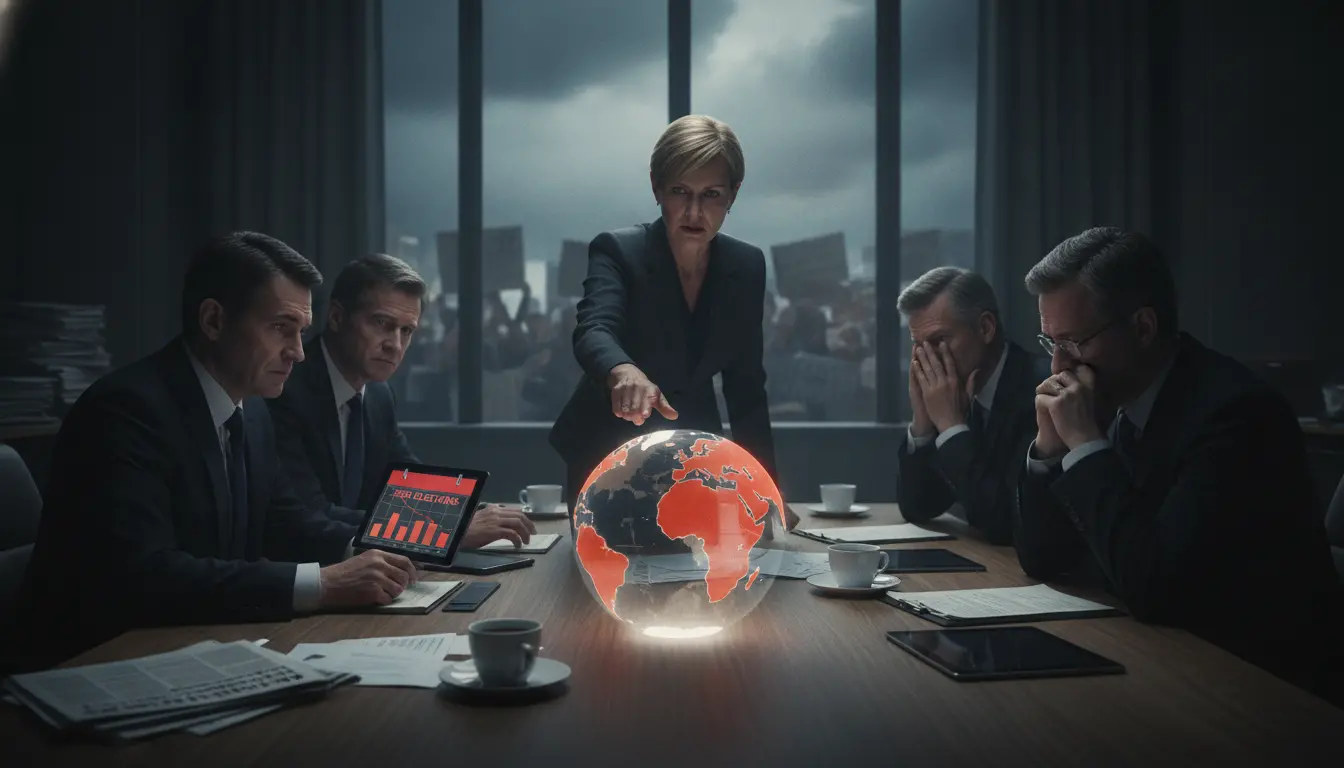
Political Turmoil and Electoral Pressures Challenge G7 Leaders Ahead of 2026

G7 Nations Face Heightened Prospects of Leadership Changes by End of 2026

G7 Nations Brace for Potential Leadership Shifts Ahead of 2026

G7 Nations Face Intensifying Scrutiny Over Leadership Stability Amid Domestic and Global Pressures

Political Volatility Intensifies Scrutiny on G7 Leadership Stability Through 2026

Political Headwinds Batter G7 Leaders, Threatening Major Shakeup by 2026