

- News
- Politics
- Ideological Battle for French Left Heats Up as Mélenchon, Glucksmann, and Roussel Eye 2026 Primary
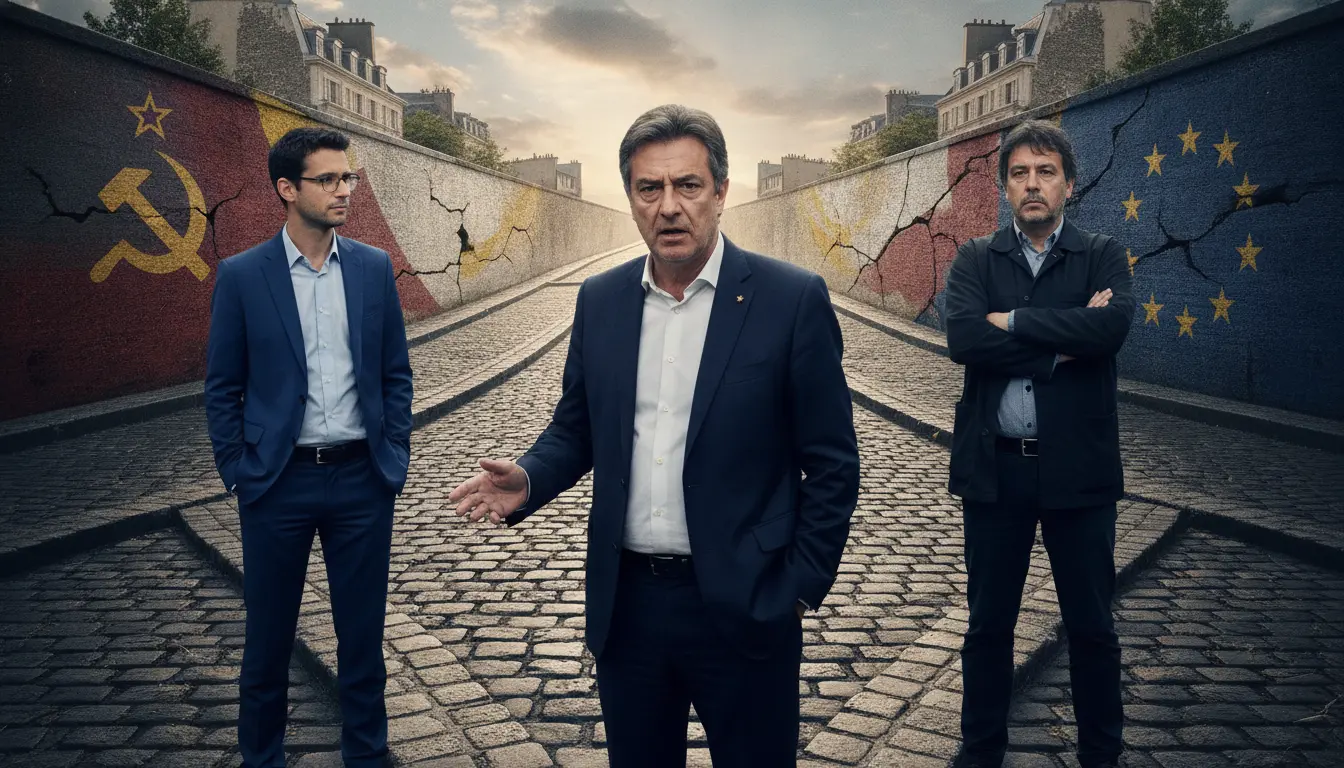
Ideological Battle for French Left Heats Up as Mélenchon, Glucksmann, and Roussel Eye 2026 Primary
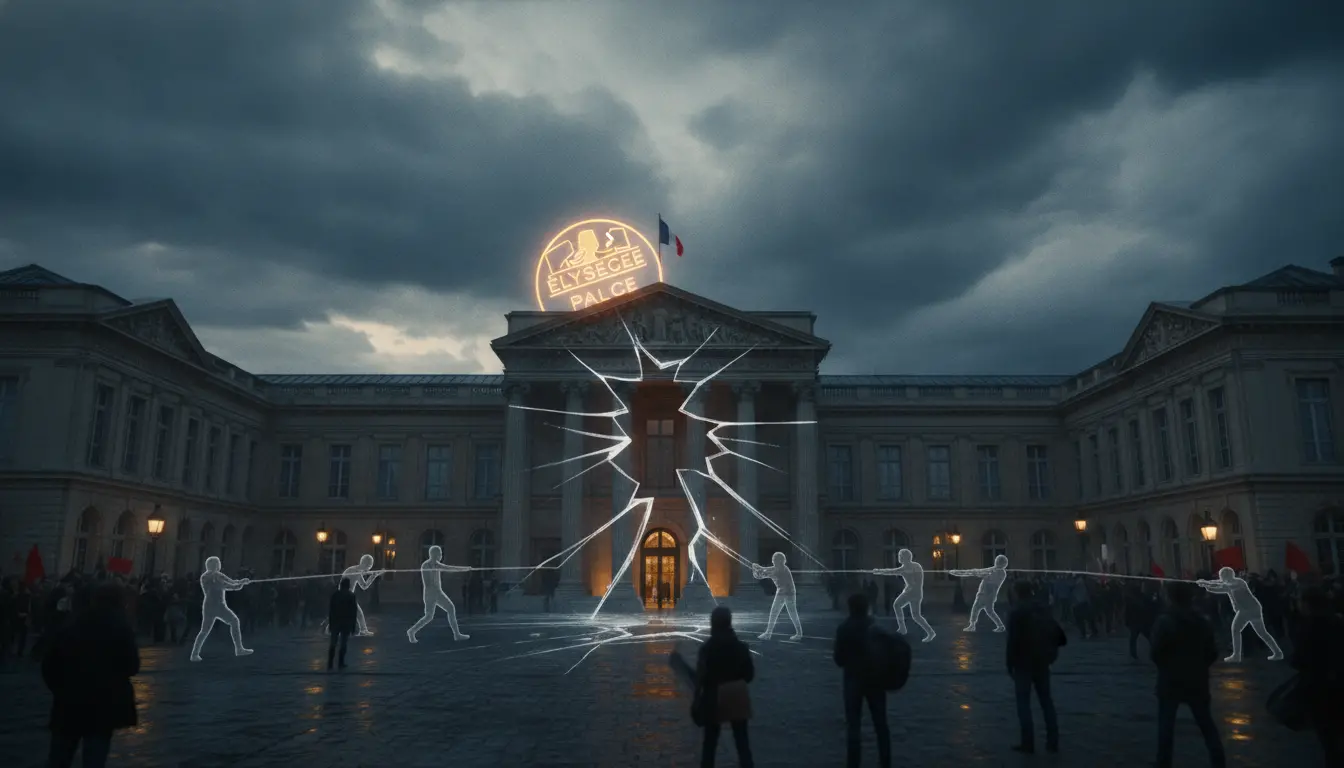
France’s notoriously fractious left-wing political landscape is bracing for a defining internal contest, with key figures already positioning themselves for a planned primary election in October 2026. The outcome of this vote is poised to determine not only the left's standard-bearer for the 2027 presidential race but also its ideological soul for years to come. The primary will pit the radical firebrand Jean-Luc Mélenchon against the ascendant social democrat Raphaël Glucksmann and the traditionalist Communist leader Fabien Roussel, setting the stage for a clash that will test the fragile unity of the recently formed New Popular Front (NFP) coalition.
This move toward a formal primary is a direct consequence of the political earthquakes that have shaken France in recent years. The NFP itself was a hasty but effective alliance forged in the crucible of President Emmanuel Macron’s snap legislative election in June 2024, designed to present a united front against the surging far-right National Rally. While the coalition succeeded in becoming the largest opposition bloc, its ideological fissures were merely papered over. The primary represents an attempt to resolve the long-simmering leadership question that has plagued the left, which has struggled to coalesce behind a single candidate since the decline of the traditional Socialist Party.
At the center of the contest stands Jean-Luc Mélenchon, the 75-year-old founder of La France Insoumise (LFI) and a three-time presidential candidate. For over a decade, Mélenchon has been the undisputed, if polarizing, figurehead of France's radical left. His powerful oratory and uncompromising platform—calling for a new republic, a radical redistribution of wealth, and a break from neoliberal European treaties—have cultivated a fervent base of support, particularly among young and urban voters. However, his combative style and controversial stances on international issues have also alienated moderate voters and potential allies, making him a formidable but divisive force. For his supporters, he is the only one capable of truly challenging the status quo; for his detractors, both inside and outside the left, he is the primary obstacle to a broader, winning coalition.
Challenging Mélenchon’s long-held dominance is Raphaël Glucksmann, the MEP who successfully revived the center-left in the 2024 European elections. Leading a list backed by the Socialist Party, Glucksmann’s pro-European, social-democratic platform and his more measured tone offered a stark contrast to Mélenchon’s populism. His surprisingly strong performance demonstrated a clear appetite among a segment of left-wing voters for a more moderate and pragmatic approach. Glucksmann’s candidacy in the primary would represent a push to re-center the left, aligning it more closely with traditional European social democracy and seeking to win back voters who have drifted toward Macron’s centrist camp.
Rounding out the trio of main contenders is Fabien Roussel, the National Secretary of the French Communist Party (PCF). Roussel has worked to carve out a distinct identity for the Communists within the left-wing alliance, often emphasizing traditional working-class concerns, national sovereignty, and a strong defense of French secularism, or laïcité. While his electoral base is smaller than that of LFI or the Socialists, he has proven to be a savvy political operator. His presence in the primary ensures that debates over industrial policy, nuclear energy, and national identity will feature prominently, potentially forcing his rivals to address issues they might otherwise downplay and appealing to a more traditional, rural leftist electorate.
The stakes of the 2026 primary extend far beyond the selection of a single candidate. The contest will force the member parties of the New Popular Front to confront their deep-seated disagreements head-on. Key battlegrounds will include economic policy, the future of France’s relationship with the European Union and NATO, and the proper balance between social justice and universalist republican values. The central question is whether the French left's best path to power lies in the radical, rupture-based politics of Mélenchon or the more reformist, alliance-building strategy embodied by Glucksmann. With the far-right consistently polling as the country's most popular political force, the ability of the left to emerge from this contest united and with a clear, compelling vision will be critical to its chances of shaping France's post-Macron future.
Stay Informed. Act Smarter.
Get weekly highlights, major headlines, and expert insights — then put your knowledge to work in our live prediction markets.
Related News

Macron Government Navigates Instability Amid Persistent Early Election Speculation
Quebec Liberal Party Prepares Major Challenge to CAQ in 2026 Provincial Election
UK Labour Party Poised for Leadership Transition as 2026 Ballot Deadline Approaches
Lula's Political Future Dominates Discussion Ahead of Brazil's 2026 Presidential Election
Berlin Gears Up for Pivotal 2026 State Parliament Election Amid Tight Political Contest
Israel Gears Up for Pivotal 2026 General Election Amid Deepening Political Cracks
Swedish Political Blocs Intensify Preparations Ahead of Pivotal 2026 General Election
Ideological Clash Looms in Michigan's 13th Congressional Democratic Primary

Paris Appeals Court Ruling Threatens Marine Le Pen's 2027 Presidential Candidacy
French Government Under Constant Threat of Collapse From Opposition No-Confidence Votes