

- News
- Politics
- Iran's Strait of Hormuz Claims Spark Global Energy Concerns, U.S. Rejects Closure Reports
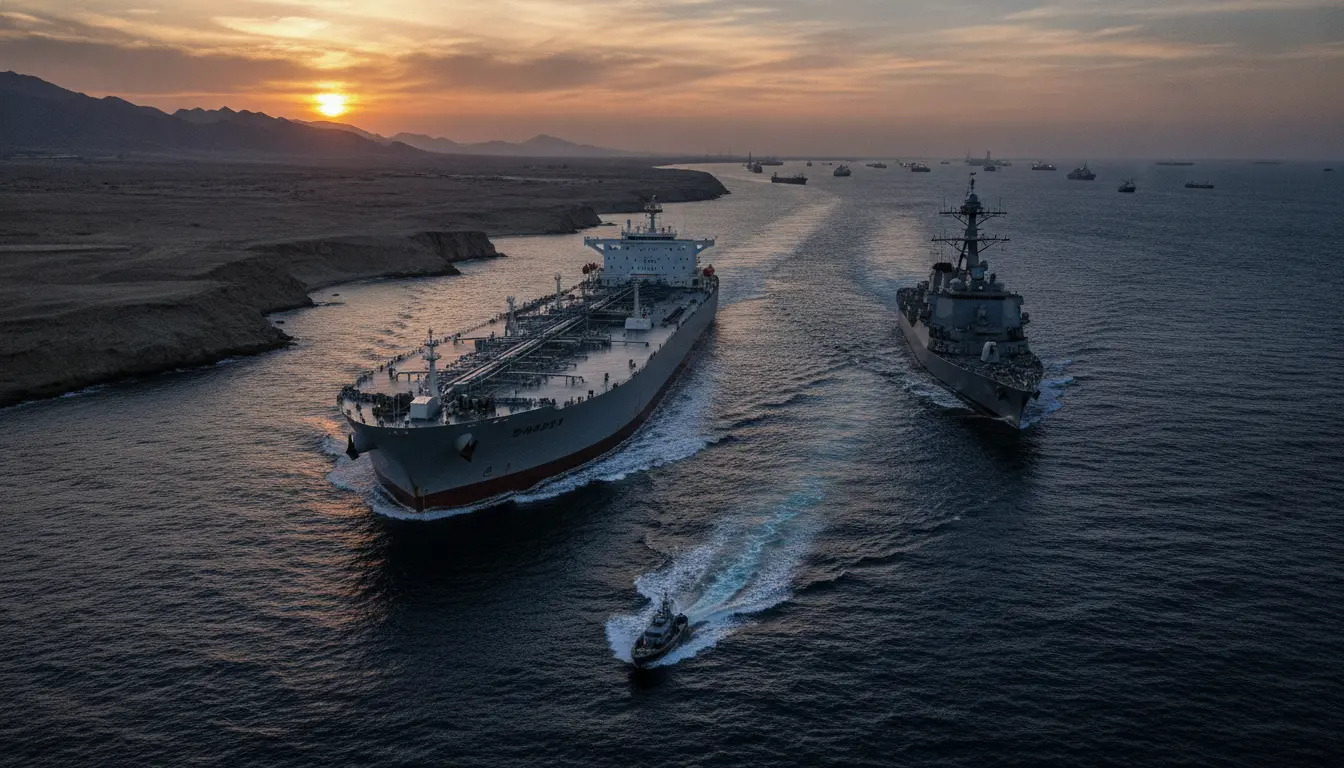
Iran's Strait of Hormuz Claims Spark Global Energy Concerns, U.S. Rejects Closure Reports
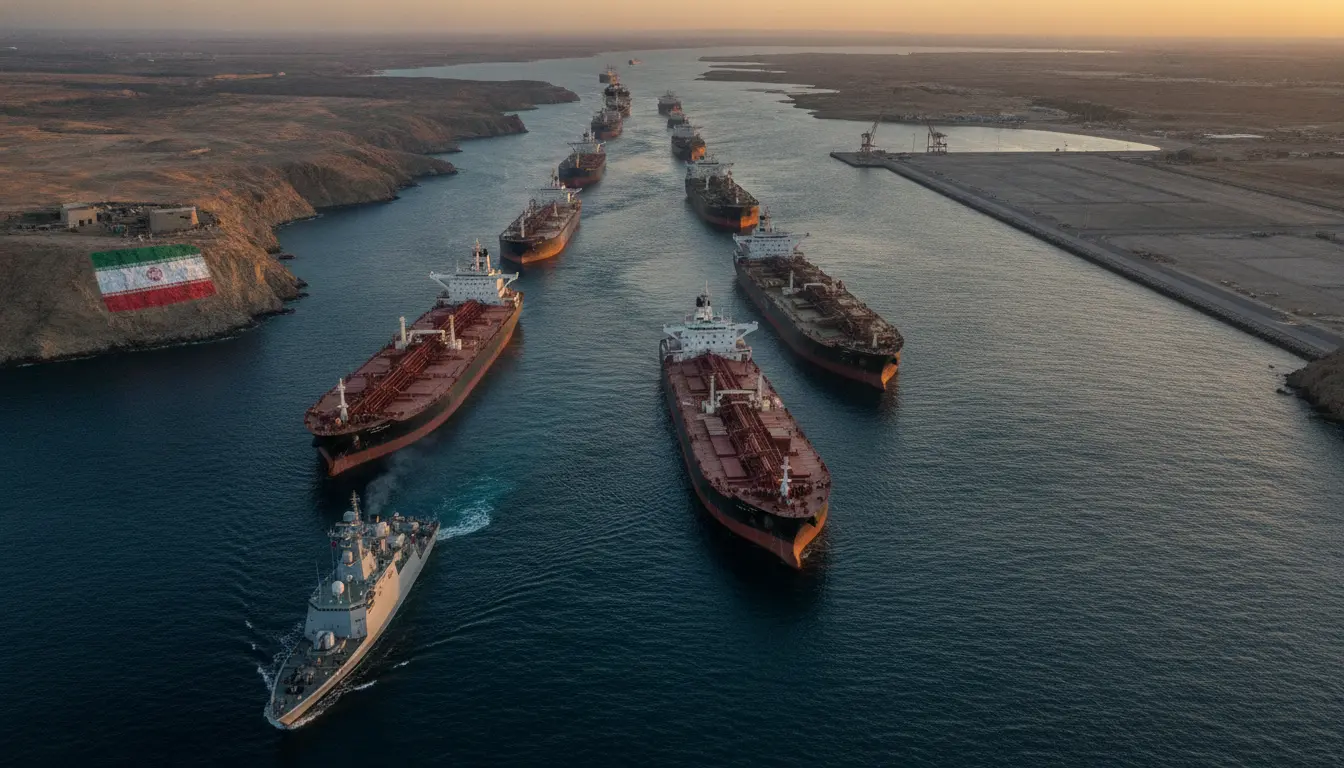
Tensions in the crucial Strait of Hormuz have escalated following recent claims from Tehran regarding its control over the vital waterway, a move swiftly disputed by the United States. While Iranian officials have reportedly issued statements implying a closure or increased restrictions, Washington has asserted that the strait remains open for international navigation and has detected no immediate disruption to commercial shipping. This unfolding situation has immediately drawn international attention, particularly given the strait's indispensable role in global energy markets and its history as a flashpoint for geopolitical friction.
At the heart of the current unease is the Strait of Hormuz, a narrow maritime chokepoint connecting the Persian Gulf to the open Arabian Sea and beyond. It is arguably the world's most critical oil transit pathway, through which roughly one-fifth of global oil consumption, alongside significant volumes of liquefied natural gas (LNG), passes daily. Any confirmed disruption to traffic in this strait would send immediate shockwaves through international commodity markets, potentially leading to sharp spikes in energy prices and severe economic repercussions worldwide. For decades, the security of this waterway has been a paramount concern for energy-consuming nations and a key strategic interest for global powers.
Iran, which borders the northern side of the strait, has a long history of threatening to close it in response to international pressure, particularly sanctions targeting its oil exports or nuclear program. These threats often coincide with periods of heightened regional instability or direct confrontations with Western powers. The current claims emerge against a backdrop of ongoing tensions in the Middle East, including the protracted conflict in Gaza, Houthi attacks on Red Sea shipping lanes, and persistent disagreements over Iran's nuclear ambitions. The United States maintains a significant naval presence in the region, primarily through its Fifth Fleet based in Bahrain, tasked with ensuring freedom of navigation and deterring hostile actions.
Officials from the U.S. Central Command (CENTCOM) have been quick to dismiss the Iranian statements, indicating that their intelligence and surveillance assets have not observed any concrete actions by Iran that would suggest a full or partial closure of the strait. They emphasize that international maritime law guarantees the right of innocent passage through such vital waterways. The disparity between Iran's rhetoric and the U.S. assessment creates a complex and potentially dangerous environment, where miscalculation or an unintended escalation could have far-reaching consequences for regional stability and global trade.
The strategic implications of any actual closure would be immense. For Iran, such a move would be a powerful, albeit risky, political and economic weapon, designed to exert maximum pressure on the international community. However, it would also invite a robust international response, likely including military intervention, given the critical importance of the strait to global commerce. The economic fallout for Iran itself, which relies heavily on oil and gas exports through these very waters, would also be severe, exacerbating its already strained economy. International shipping companies and insurers are already monitoring the situation closely, aware that even the threat of disruption can significantly increase operational costs and risks.
As the international community awaits any definitive official confirmation or denial from Tehran regarding a full closure, the immediate focus remains on de-escalation and maintaining the free flow of maritime traffic. Diplomatic channels are undoubtedly being utilized behind the scenes to convey the gravity of the situation and to prevent any actions that could further destabilize an already volatile region. The coming days will be critical in determining whether these claims remain mere rhetorical posturing or represent a more serious shift in Iran's regional strategy, with profound implications for global energy security and international relations.
Stay Informed. Act Smarter.
Get weekly highlights, major headlines, and expert insights — then put your knowledge to work in our live prediction markets.
Related News

US-Iran Tensions Escalate, Jeopardizing Global Shipping Through Strait of Hormuz
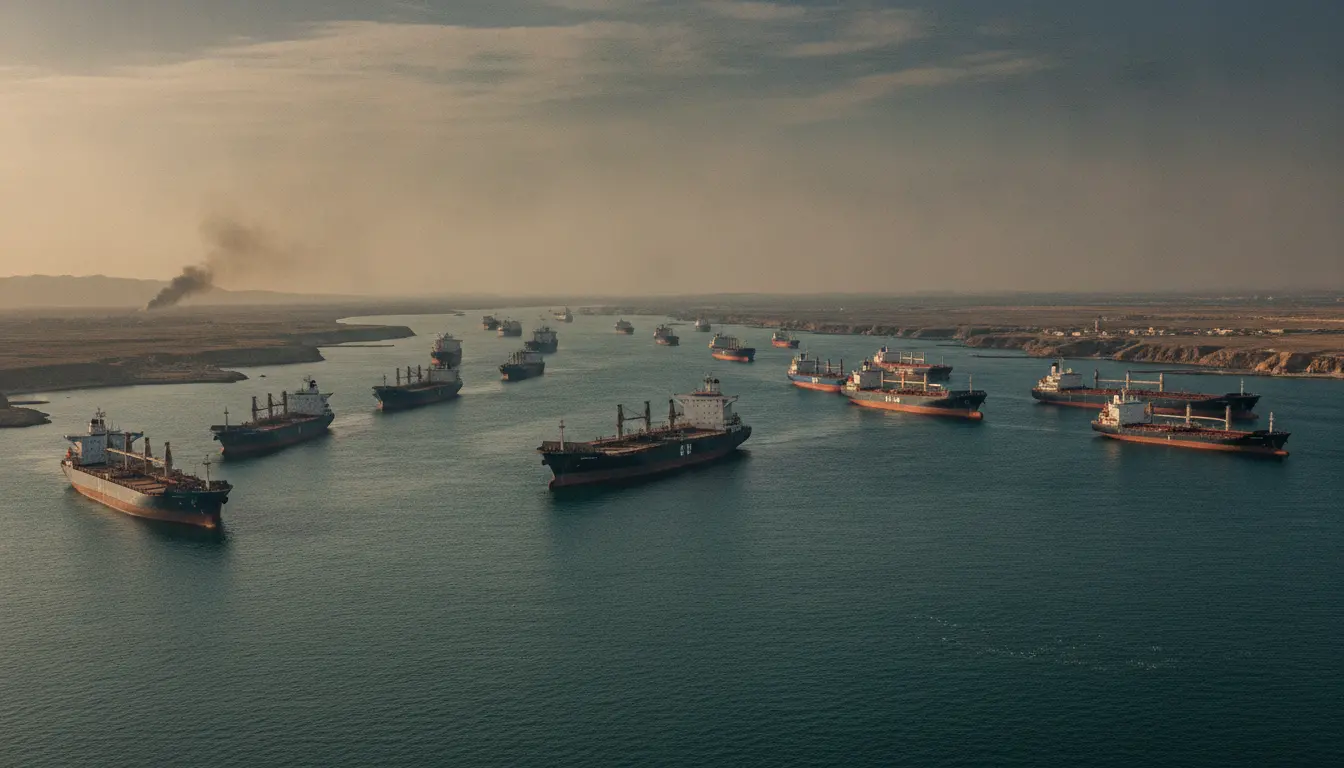
Shipping stalls in Strait of Hormuz after Iran declares key waterway shut
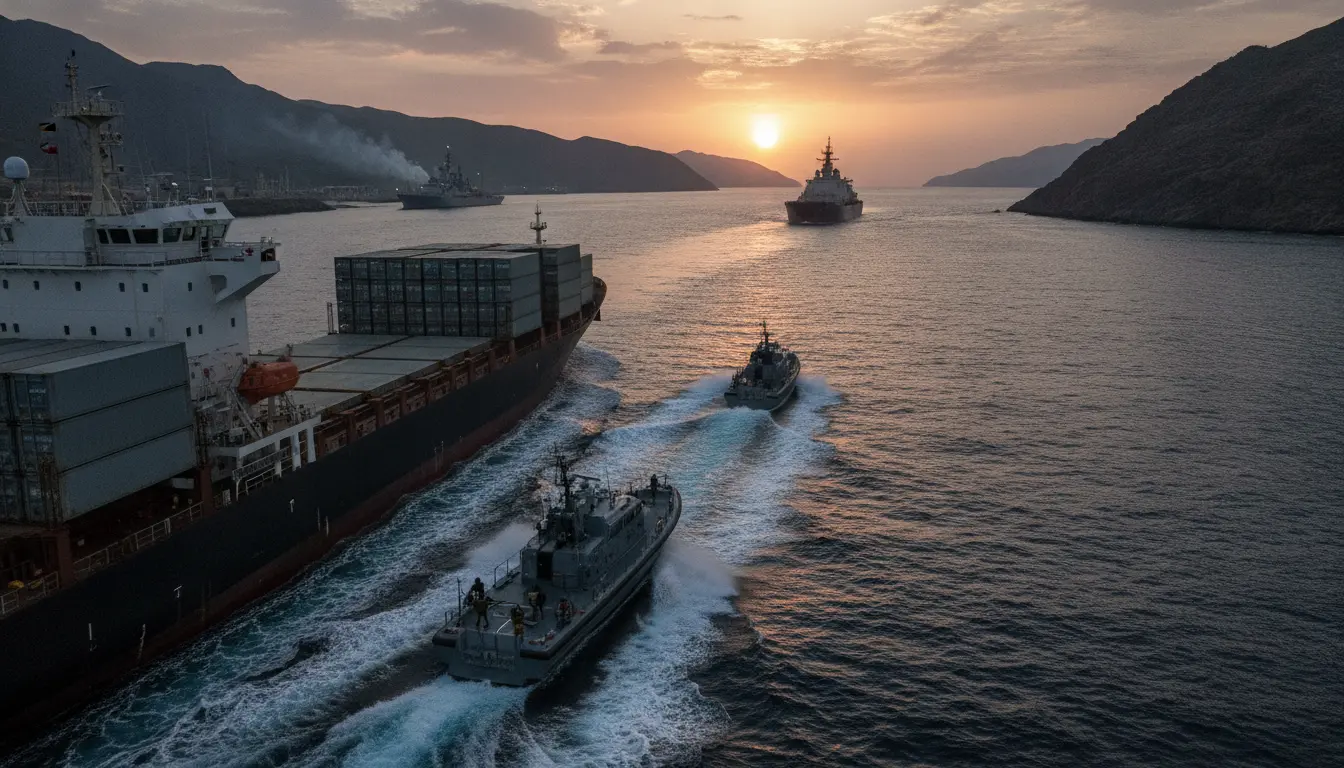
Mounting Tensions in Strait of Hormuz Threaten Global Shipping Amid Iranian Actions
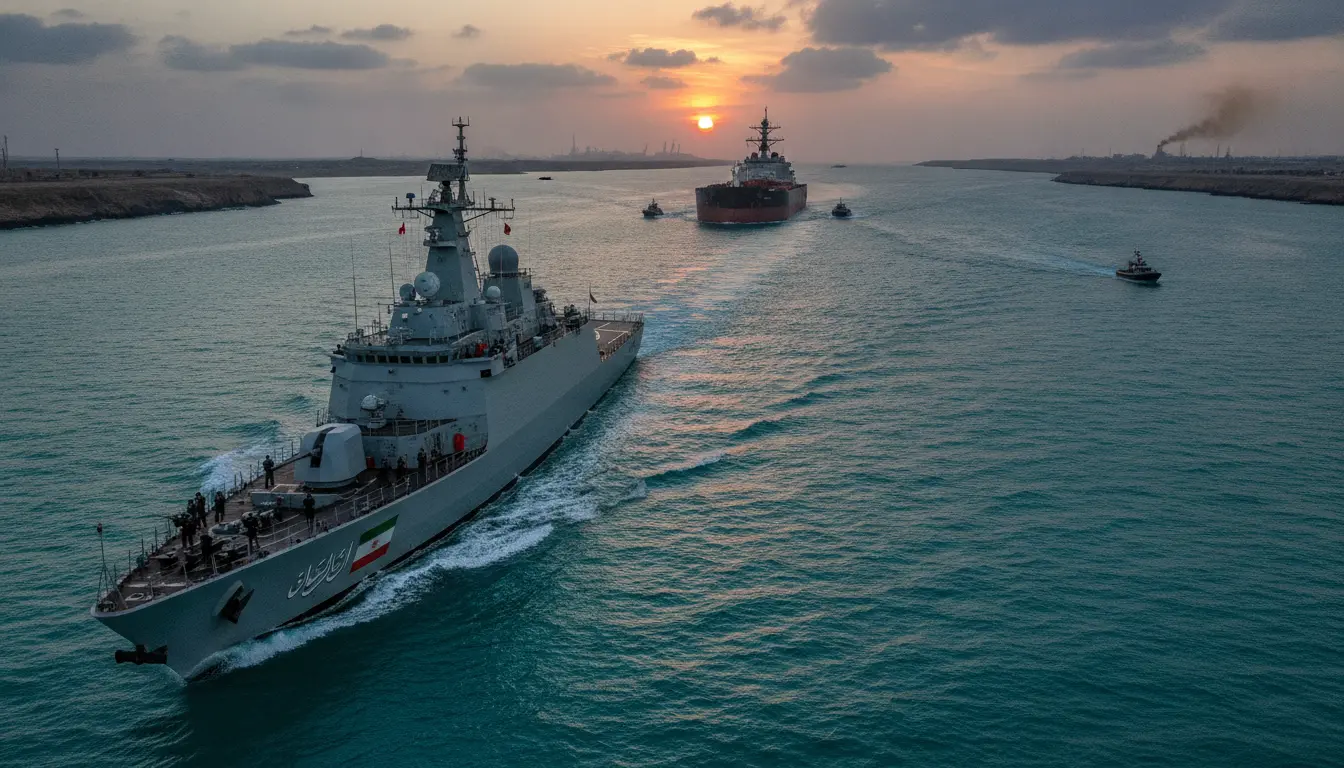
Iran's Maritime Actions Stoke Tensions in Crucial Strait of Hormuz
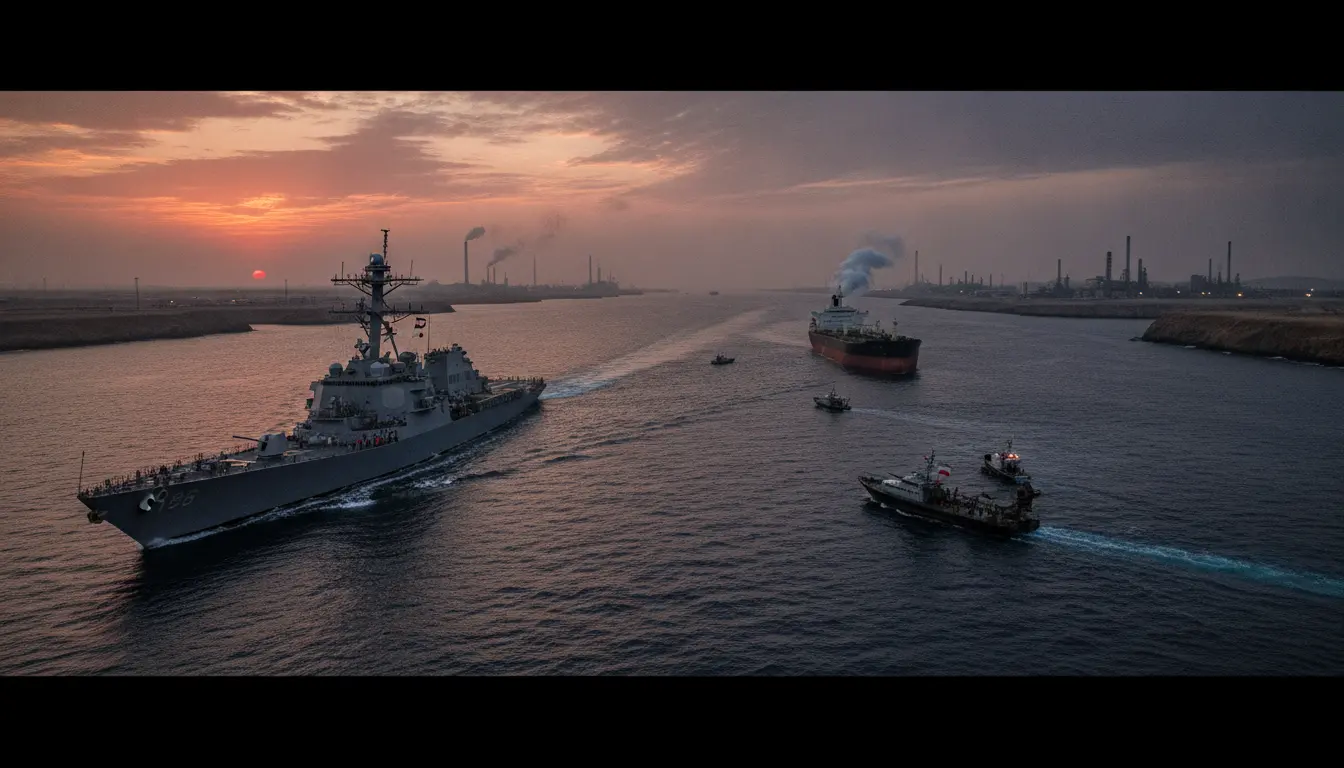
Heightened US-Iran Tensions Fuel Fears of Direct Confrontation in Strategic Strait of Hormuz
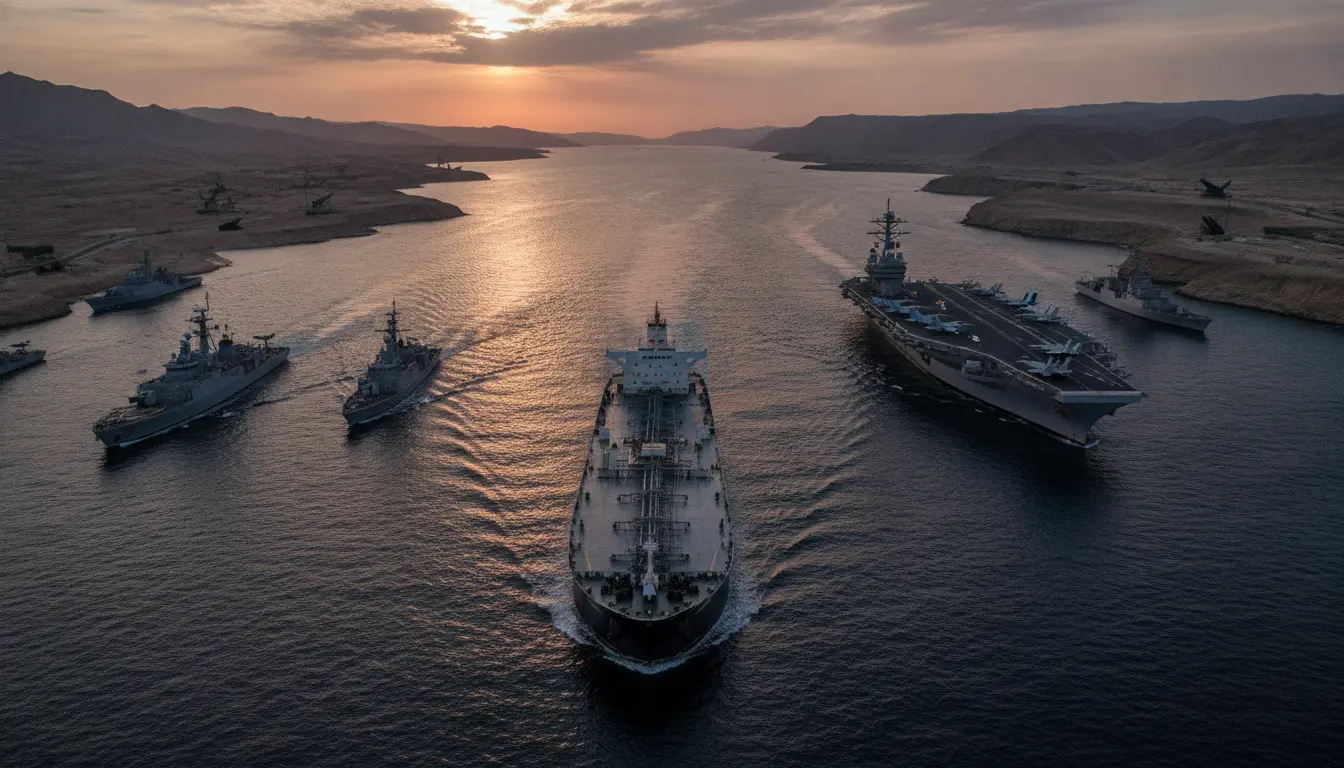
Geopolitical Alarm Rings as US-Iran Standoff Threatens Strait of Hormuz Shipping

Global Shipping on High Alert as Military Tensions Simmer in Strait of Hormuz
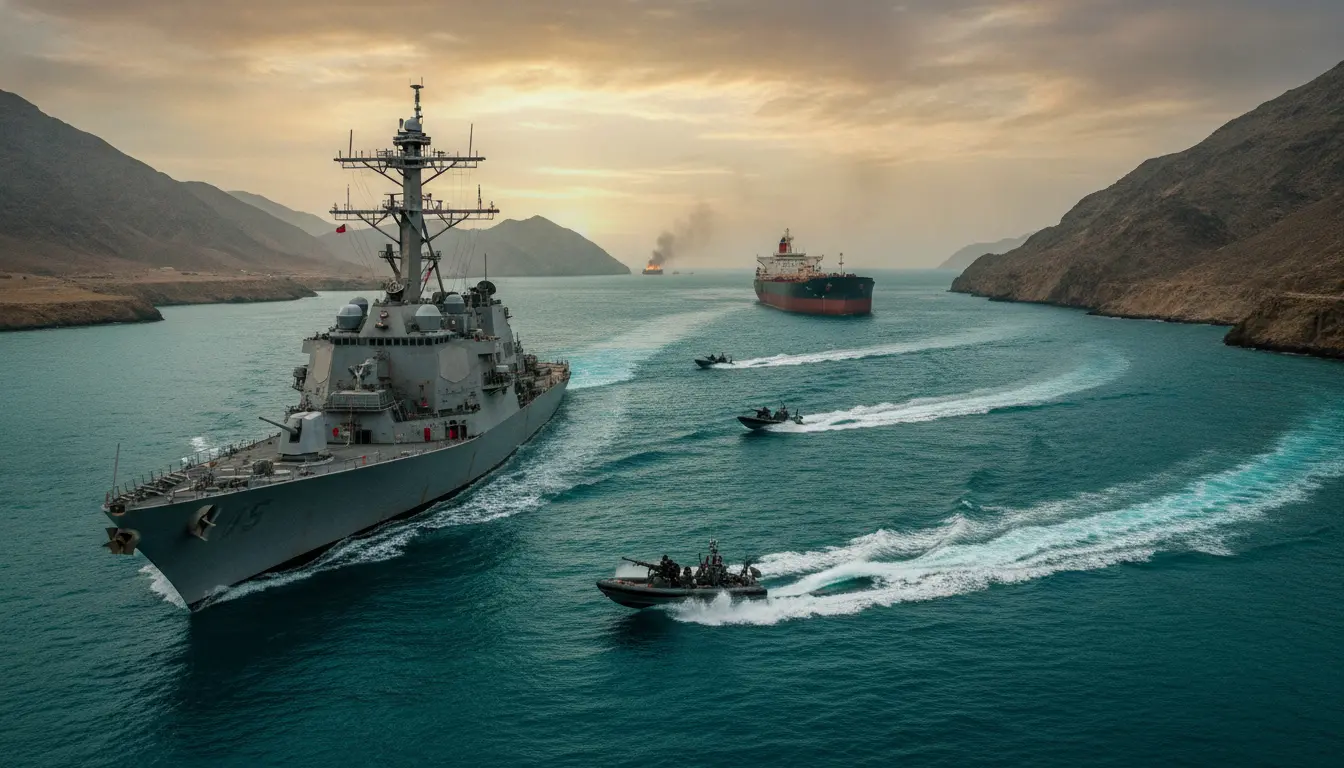
Strait of Hormuz Faces Heightened Security Risks Amid Escalating Iranian Maritime Actions
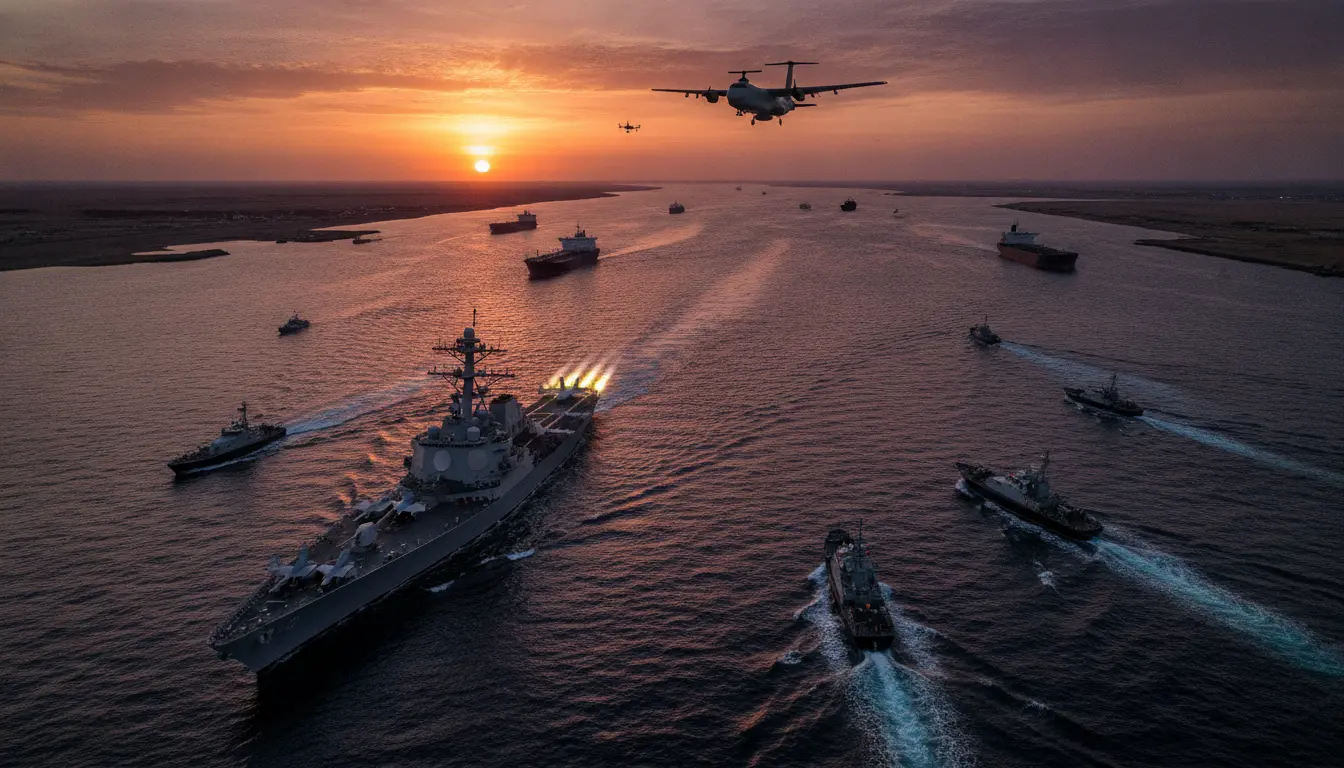
Strait of Hormuz Becomes Flashpoint as US and Iran Escalate Military Posturing in Persian Gulf
Strait of Hormuz Shipping Remains in Limbo as Iran Conditions Reopening on US Concessions