

- News
- Politics
- Central African Republic Grapples with Mining Safety Crisis After Deadly Goldmine Collapse
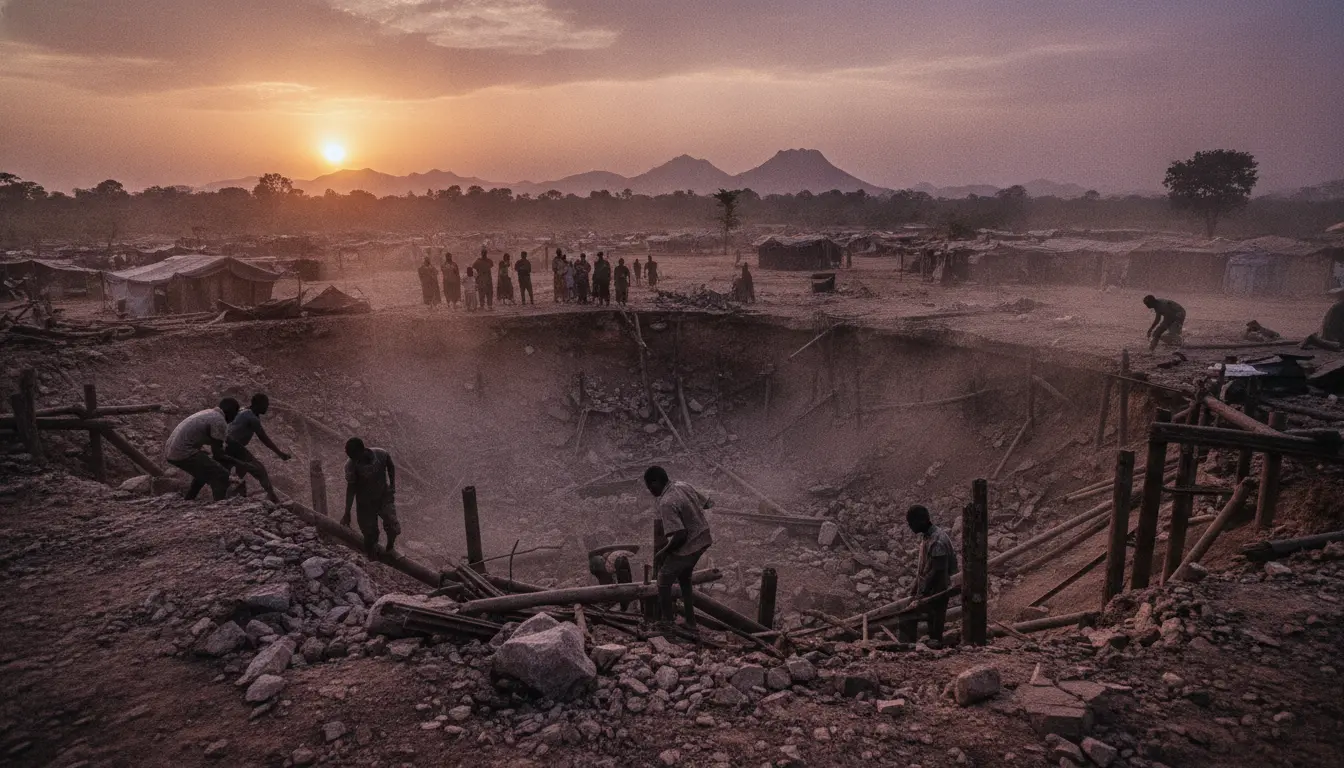
Central African Republic Grapples with Mining Safety Crisis After Deadly Goldmine Collapse
The Central African Republic is confronting a severe national crisis following a catastrophic goldmine collapse in August 2026, an incident that has amplified long-standing concerns over mining safety and regulation within the resource-rich but deeply unstable nation. With a confirmed death toll that shocked the international community and left many more missing, the disaster has placed immense pressure on the CAR government to undertake drastic measures, including calls for a potential declaration of a national state of emergency focused on the mining sector.
For decades, mining, particularly for gold and diamonds, has been a cornerstone of the Central African Republic's economy, yet it remains largely unregulated, informal, and perilous. Artisanal mining, often undertaken by impoverished communities with rudimentary tools and little to no safety oversight, is rampant across vast swathes of the country. This informal sector, while providing livelihoods for thousands, is also frequently exploited by armed groups, exacerbating insecurity and making effective state control and regulation exceedingly difficult. The allure of quick wealth from these precious minerals has consistently overshadowed the dire risks faced by miners, leading to numerous smaller-scale incidents that rarely gain international attention.
The August 2026 collapse, which occurred at a significant gold concession in a remote region, was particularly devastating. Initial reports, pieced together from local sources and humanitarian agencies, paint a grim picture of poorly constructed shafts and tunnels succumbing to heavy rains and geological instability. Rescue efforts were hampered by the remoteness of the site, lack of proper equipment, and the sheer scale of the debris, leading to a prolonged and heartbreaking search for survivors. The tragedy starkly highlighted systemic failures, from inadequate geological surveys and absence of structural reinforcement to the complete disregard for worker safety protocols, which are virtually non-existent in many artisanal operations.
In the aftermath, domestic civil society organizations, humanitarian groups, and international partners have collectively urged the government in Bangui to take decisive action. A national state of emergency, as proposed, would represent an unprecedented and comprehensive response. Such a declaration could entail a temporary moratorium on all mining activities in affected or high-risk areas, a massive deployment of government resources for safety inspections, regulatory enforcement, and potentially, military or police intervention to secure mining sites and assert state authority over illicit operations. The implications are far-reaching, balancing the urgent need for human safety against the economic realities of a nation heavily reliant on its mineral wealth.
The government's predicament is complex. Implementing strict new regulations and enforcing a state of emergency would inevitably face resistance from powerful local interests, armed factions, and the vast network of informal miners whose livelihoods depend on daily digging. Moreover, the CAR’s limited institutional capacity, coupled with pervasive corruption, poses significant hurdles to any sustained reform effort. There are legitimate concerns that a heavy-handed approach could inadvertently drive mining activities further underground, making them even more dangerous and difficult to monitor. The international community, while offering assistance, also watches closely for concrete steps towards responsible resource governance.
The decision facing the Central African Republic's leadership is monumental. Declaring a national state of emergency on mining safety by the close of 2026 would signal a profound commitment to protecting its citizens and reforming a volatile sector. However, the true test will lie not just in the declaration itself, but in the political will, resources, and strategic execution required to bring order and safety to an industry long defined by chaos and tragedy. The outcome will undoubtedly shape the nation's economic future and the well-being of its population for years to come, offering a chance to break a cycle of preventable disasters.
Stay Informed. Act Smarter.
Get weekly highlights, major headlines, and expert insights — then put your knowledge to work in our live prediction markets.
Related News

US-Venezuela Talks Intensify Over Potential New Oil Drilling Rights for American Firms
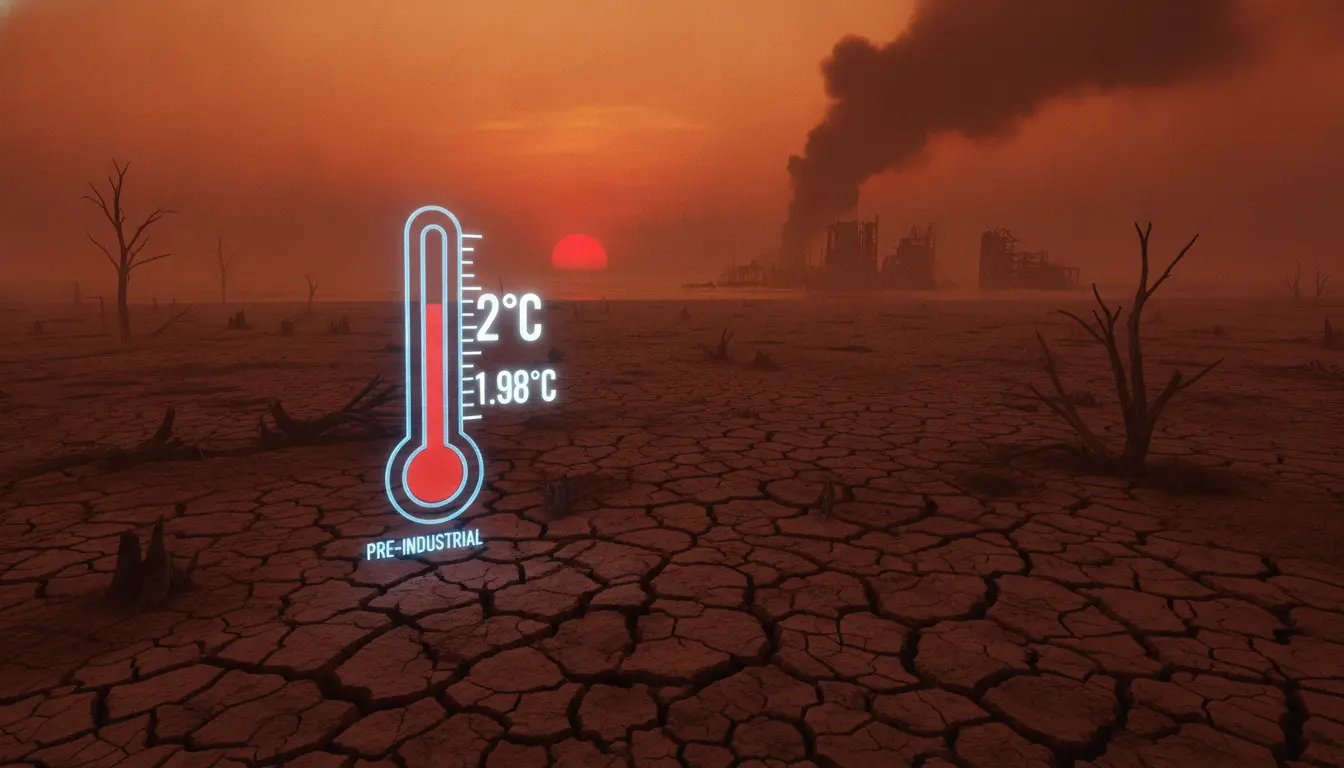
Global Warming Approaches Critical 2-Degree Celsius Threshold, Scientists Warn of Pre-2050 Breach

Coastal China Prepares for Major Typhoon Bavi Landfall Amid Mass Evacuations

European Union Intensifies Scrutiny of Meta's 'Addictive Features,' Significant Fines Loom

Iceland's Referendum on EU Membership Talks Reveals Nation Deeply Divided

Iceland Schedules 2026 Referendum on Resuming EU Accession Talks

Federal Investigation Launched into Close Encounter Between Presidential Support Osprey and Corporate Jet Near Reagan National
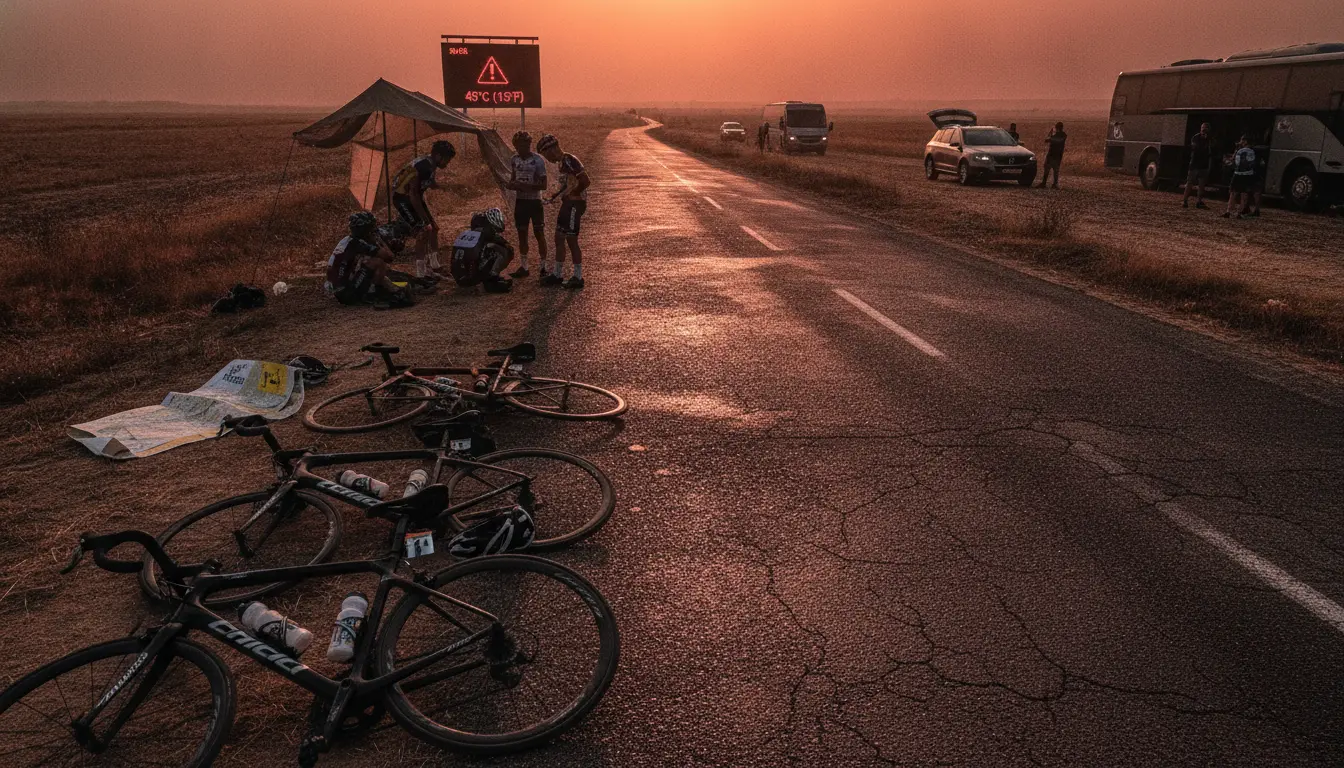
Extreme Heat Prompts Scrutiny Over 2026 Tour de France Stage Rerouting and Cancellations

SEC Deliberates Nasdaq's Bid for Bitcoin ETF Options Amidst Industry Scrutiny
Fast-Fashion Giant Shein Prepares for Hong Kong IPO Amid Intensifying Global Scrutiny