

- News
- Science
- Global Warming Approaches Critical 2-Degree Celsius Threshold, Scientists Warn of Pre-2050 Breach
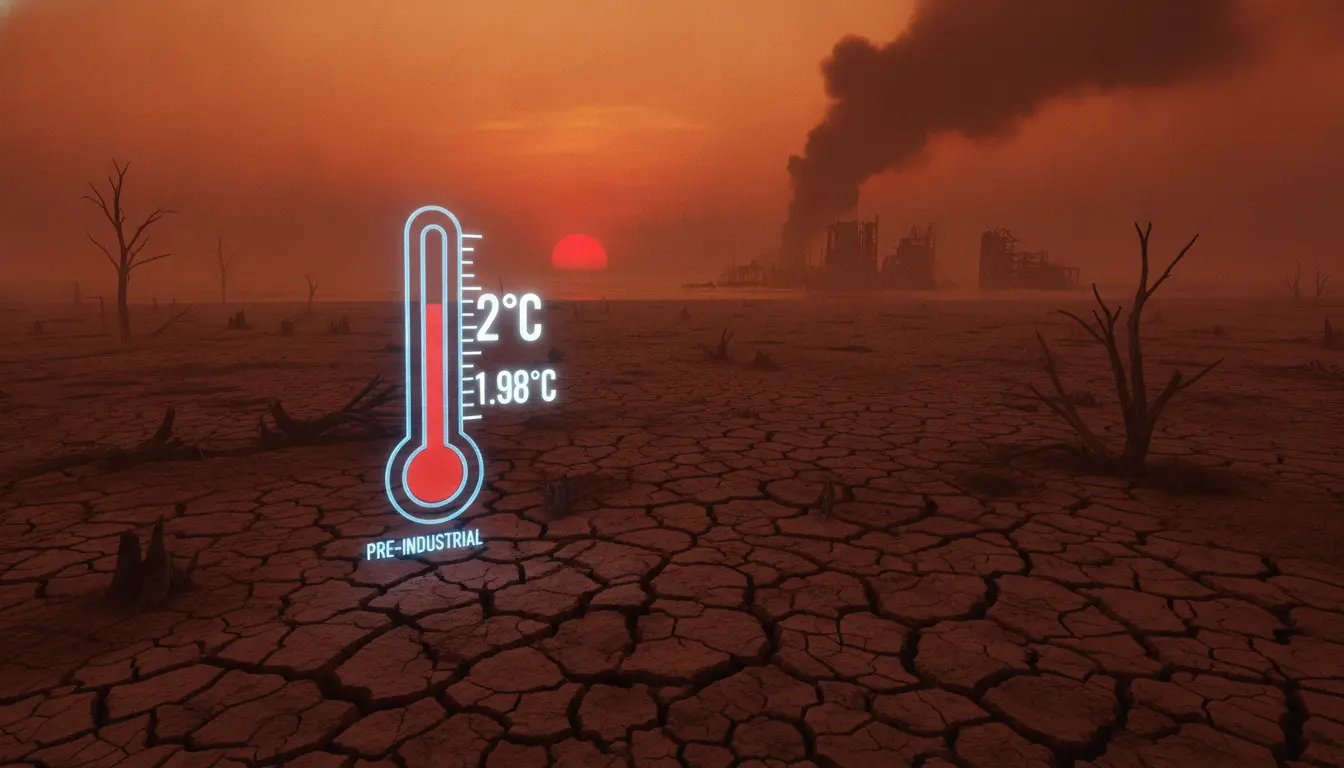
Global Warming Approaches Critical 2-Degree Celsius Threshold, Scientists Warn of Pre-2050 Breach
Leading climate scientists worldwide are issuing stark warnings that the planet is rapidly approaching, and likely to exceed, the critical 2-degree Celsius warming threshold relative to pre-industrial levels well before the middle of the century. This dire forecast, based on accelerated warming trends and current emission trajectories, underscores the escalating challenge of climate change and the potentially catastrophic global impacts if decisive action is not taken promptly.
The 2-degree Celsius target has long been recognized as a crucial guardrail by the international community, enshrined in agreements like the Paris Accord. It represents a level of warming beyond which the risks of severe and irreversible changes to Earth's climate systems significantly increase. Pre-industrial levels, generally understood as the average global temperature from 1850-1900, serve as the baseline against which current warming is measured. While global temperatures have already risen approximately 1.1 to 1.2 degrees Celsius above this baseline, the pace of warming has intensified in recent decades, driven primarily by the accumulation of greenhouse gases from human activities.
Projections from the Intergovernmental Panel on Climate Change (IPCC), the leading international body for assessing climate change, consistently indicate that under current emissions pathways, the world is on track to breach the 2-degree mark within the next 20 to 30 years. These assessments rely on sophisticated climate models that integrate complex atmospheric, oceanic, and land processes, painting a sobering picture of future environmental conditions. Scientists emphasize that the commitment to reduce emissions globally remains insufficient to avert this grim milestone, pointing to a persistent gap between pledged actions and the scale of reductions needed.
Exceeding the 2-degree threshold is not merely an academic point; it heralds a future marked by dramatically more frequent and intense heatwaves, prolonged droughts in vulnerable regions, and devastating floods in others. Coastal communities face an accelerated threat from rising sea levels, displacing millions and redrawing shorelines. Ecosystems face immense stress, leading to widespread species extinction, biodiversity loss, and significant impacts on agriculture, food security, and human health. The consequences extend to increased climate migration, heightened geopolitical instability, and severe economic disruptions globally.
While international efforts such as the global push for renewable energy, advancements in carbon capture technologies, and multilateral climate conferences have shown some progress, they are frequently hampered by significant political, economic, and social hurdles. Disparities in responsibility and capacity between developed and developing nations often complicate consensus on mitigation strategies. The transition away from fossil fuels, while necessary, presents monumental challenges for economies reliant on these industries, creating resistance to the rapid decarbonization required to alter current warming trajectories.
The urgency for bolder, more decisive action from governments, industries, and individuals has never been greater. Although the 2-degree target is critical, the scientific community reiterates the paramount importance of striving to limit warming to 1.5 degrees Celsius, as even this smaller increment of warming significantly reduces the risks of the most catastrophic outcomes. However, the window for achieving this more ambitious goal is rapidly narrowing, making the prospect of breaching 2 degrees Celsius a near-term reality that demands immediate and unparalleled global cooperation.
Stay Informed. Act Smarter.
Get weekly highlights, major headlines, and expert insights — then put your knowledge to work in our live prediction markets.
Related News

Paris Under Pressure: Climate Change Fuels Risk of New All-Time Temperature Record

Paris Faces Growing Threat of 42°C Heatwaves as Climate Change Accelerates

Extreme Heat Prompts Scrutiny Over 2026 Tour de France Stage Rerouting and Cancellations

Coastal China Prepares for Major Typhoon Bavi Landfall Amid Mass Evacuations
Central African Republic Grapples with Mining Safety Crisis After Deadly Goldmine Collapse

US-Venezuela Talks Intensify Over Potential New Oil Drilling Rights for American Firms

US-Iran Tensions Escalate as Potential Military Options Against Nuclear Program Surface

Fears of Direct Conflict Mount as US and Iran Escalate Military Posturing in Persian Gulf

xAI Aims for Grok 5 Full API Rollout by September 2026, Signaling Major AGI Push

European Union Intensifies Scrutiny of Meta's 'Addictive Features,' Significant Fines Loom