


US-Venezuela Talks Intensify Over Potential New Oil Drilling Rights for American Firms
Caracas and Washington are engaged in delicate discussions that could lead to American oil companies securing new, significant drilling rights in Venezuela, a development with profound implications for global energy markets and the geopolitical landscape. The ongoing dialogue, which has gained momentum amidst broader diplomatic overtures, seeks to navigate years of strained relations and stringent U.S. sanctions that have severely curtailed Venezuela’s once-robust oil production.
The prospect of renewed American involvement in Venezuelan oil exploration and extraction represents a potential turning point after years of punitive measures aimed at pressuring the government of Nicolás Maduro. The United States began imposing a series of escalating sanctions on Venezuela, particularly targeting its state-owned oil company, Petróleos de Venezuela, S.A. (PDVSA), in 2019. These actions were a response to what Washington deemed democratic backsliding, human rights abuses, and political repression under the Maduro administration. The sanctions effectively choked off Venezuela's access to international financial systems and critically needed technology and investment, sending its oil output — once among the world's largest — plummeting.
Despite the overarching sanctions regime, some limited engagement has been permitted. Chevron, for instance, has operated under specific licenses, allowing it to maintain minimal operations and export crude to the U.S. to recoup past debts. However, the current discussions point to a far more expansive potential agreement, involving not just continued operations but potentially new significant drilling rights for a broader array of U.S. firms. This shift is partly driven by a global energy market made volatile by geopolitical events, including the conflict in Ukraine, which has compelled the U.S. and its allies to explore diverse sources of energy supply.
The Venezuelan government, for its part, is acutely aware of its need for foreign investment and expertise to revive its dilapidated oil infrastructure. Years of underinvestment, mismanagement, and the impact of sanctions have left much of PDVSA's capacity idle or in disrepair. A deal with U.S. companies would not only inject much-needed capital and technology but also potentially ease Venezuela's international isolation, providing a vital pathway to economic recovery and increased national revenue. For Washington, the stakes involve balancing its commitment to democratic principles and human rights with pragmatic energy policy and its desire to exert influence in a strategically important region.
Key challenges remain, however. Any substantial easing of sanctions or granting of new drilling rights would likely be contingent on tangible political reforms and credible steps towards free and fair elections in Venezuela. The Biden administration has previously tied sanctions relief to specific concessions from the Maduro government, including agreements on electoral roadmaps. Maintaining the integrity of such conditional agreements, ensuring transparency in any oil deals, and addressing ongoing human rights concerns will be critical determinants of success.
Moreover, the logistical and operational hurdles of restarting and expanding production in Venezuela are considerable. Decades of neglect mean that fields are often in poor condition, and the overall security and legal framework remain complex. The potential for a significant influx of U.S. investment and expertise could slowly reverse these trends, but it would be a multi-year effort. The evolving nature of these bilateral discussions suggests a long-term strategic play by both nations, aiming for a re-engagement that could reshape Venezuela's economic future and offer a new dimension to U.S. energy policy in the coming years.
Stay Informed. Act Smarter.
Get weekly highlights, major headlines, and expert insights — then put your knowledge to work in our live prediction markets.
Related News
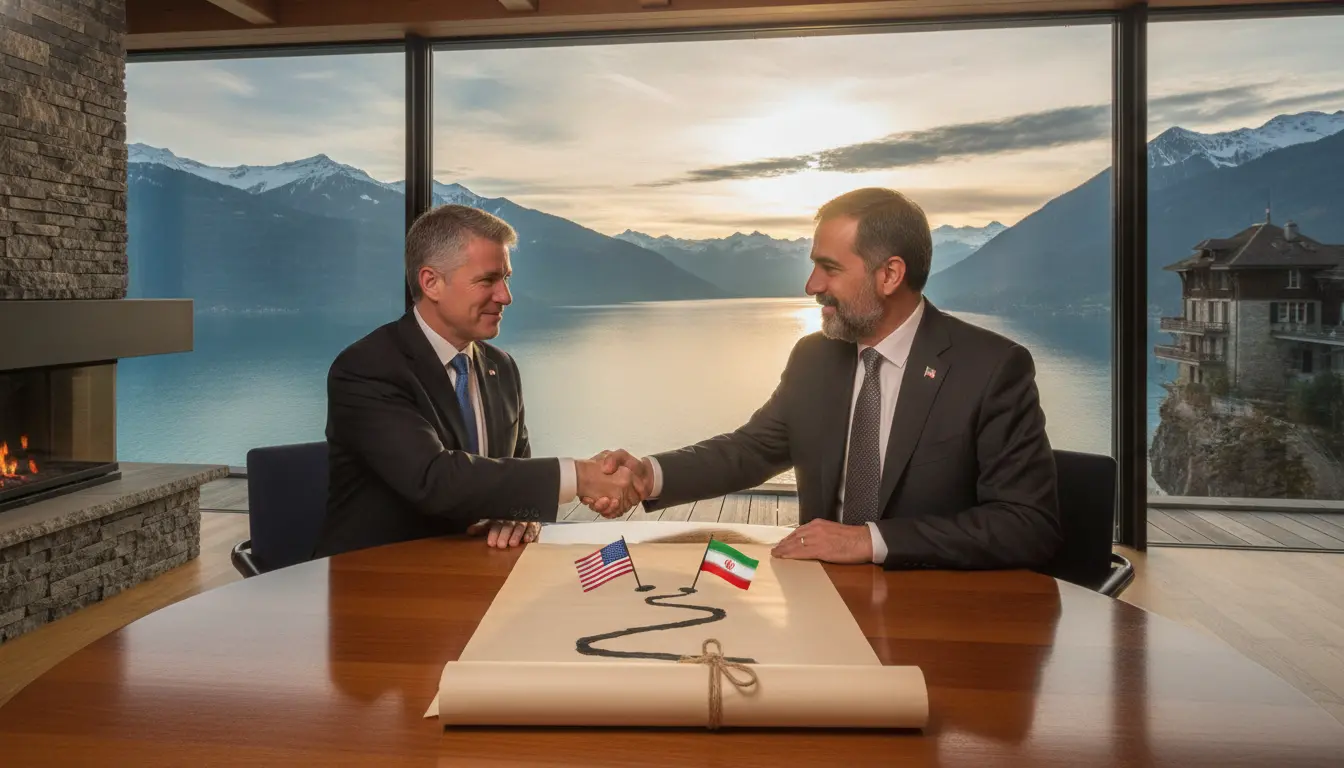
US, Iran agree on ‘roadmap’ towards final deal in Switzerland talks
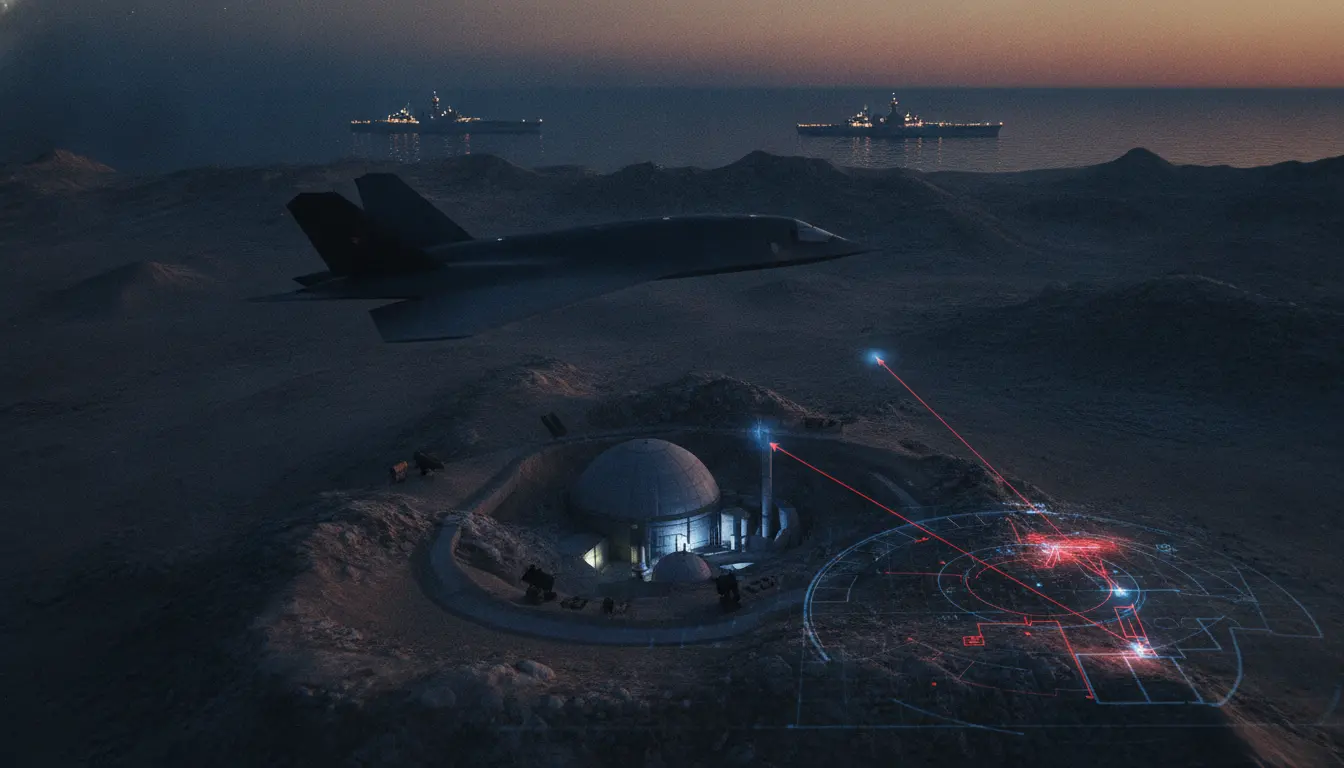
US-Iran Tensions Escalate as Potential Military Options Against Nuclear Program Surface

Fears of Direct Conflict Mount as US and Iran Escalate Military Posturing in Persian Gulf

Tehran Rejects Trump's Claim of 'Highest Level' Nuclear Inspection Agreement Amid Sanctions Relief Talks

Washington and Tehran on a Collision Course as Rhetoric Intensifies, Sparking Fears of Direct Military Strike
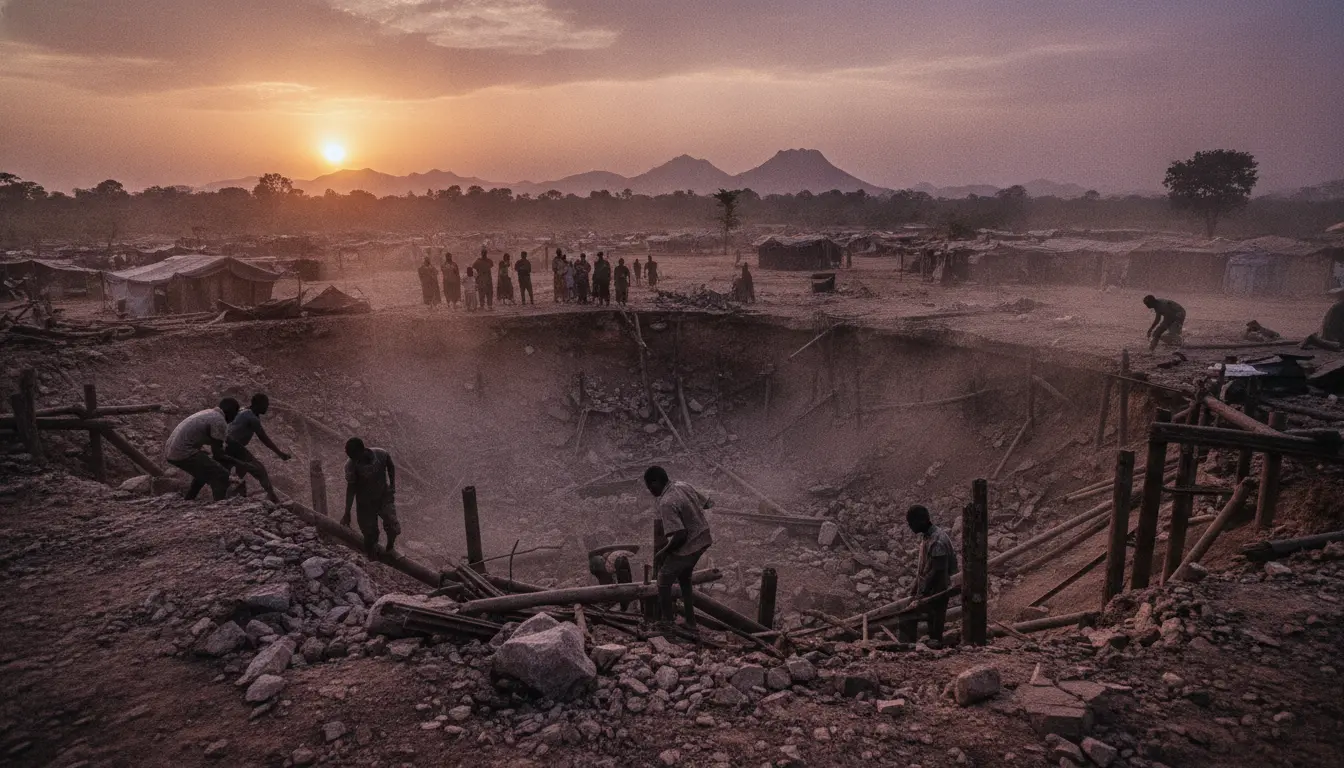
Central African Republic Grapples with Mining Safety Crisis After Deadly Goldmine Collapse

Global Warming Approaches Critical 2-Degree Celsius Threshold, Scientists Warn of Pre-2050 Breach

Leading AI Innovators OpenAI and Anthropic Eye Public Markets Amid Valuation Surge

Iceland Schedules 2026 Referendum on Resuming EU Accession Talks

Shein Faces Intense Scrutiny After Public Debut with $26 Billion Valuation