

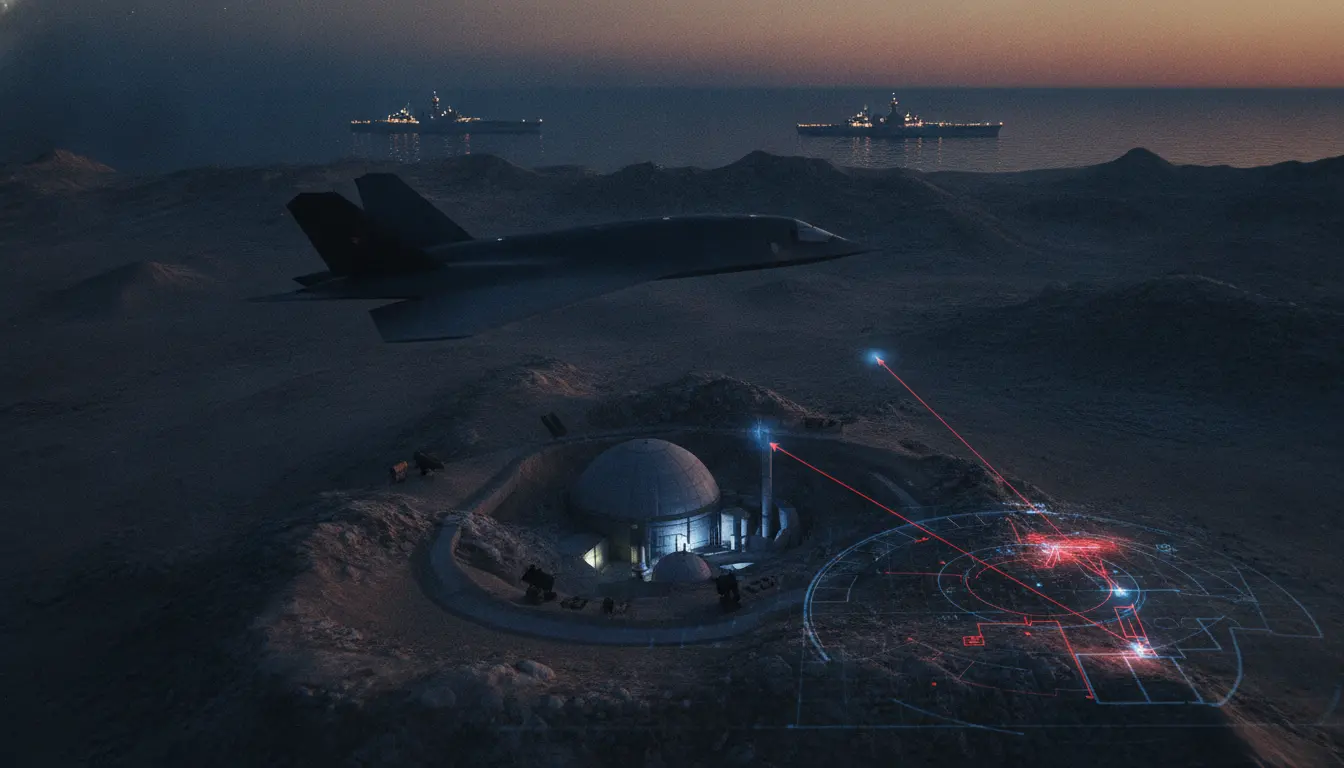
US-Iran Tensions Escalate as Potential Military Options Against Nuclear Program Surface
Tensions between the United States and Iran are once again reaching a critical inflection point, with increasing discourse around potential military action against Iran’s nuclear infrastructure. The prospect of a pre-emptive strike by the US military on a suspected Iranian nuclear facility, even years into the future, underscores the deep-seated animosity and strategic mistrust that continues to define relations between Washington and Tehran. This recurring threat, often amplified during periods of political transition or heightened regional instability, highlights the delicate balance of power and the immense stakes involved in preventing a nuclear-armed Iran, while simultaneously averting a catastrophic wider conflict.
Iran's nuclear program has been a flashpoint for decades, drawing international scrutiny and severe sanctions. Despite Tehran's insistence that its program is solely for peaceful energy generation and medical purposes, its escalating enrichment of uranium to near-weapons-grade levels, combined with a history of concealing aspects of its atomic activities, has fueled widespread concern among Western powers and regional adversaries. The 2015 Joint Comprehensive Plan of Action (JCPOA), intended to curb Iran's nuclear ambitions in exchange for sanctions relief, faced a critical blow when the United States unilaterally withdrew from the agreement in 2018 under the Trump administration. This decision led to Iran progressively scaling back its commitments, activating advanced centrifuges, and significantly increasing its enriched uranium stockpiles, pushing it closer to a breakout capability than ever before.
Adding to the complexities, rhetoric from former President Donald Trump, who has reportedly threatened military intervention against Iranian nuclear sites, looms large over future policy considerations, particularly in the event of a potential return to the White House. Such threats are often framed within a broader strategy of maximum pressure, which previously included economic sanctions and covert operations. The mention of a potential naval blockade represents an even more aggressive escalation. A blockade, aimed at crippling Iran's economy by disrupting its vital oil exports and maritime trade through key waterways like the Strait of Hormuz, would be considered an act of war under international law. Such a move would undoubtedly provoke an immediate and forceful response from Tehran, rapidly escalating what is already a fraught regional standoff into an open military confrontation with far-reaching global implications.
The strategic implications of any military strike against Iran’s nuclear facilities are profound. While proponents argue that such action could delay Iran's progress towards a nuclear weapon, critics warn of the high probability of igniting a broader regional war. Iran possesses considerable military capabilities, including a vast arsenal of missiles, drones, and asymmetric warfare tactics, capable of striking US assets and allies across the Middle East. The fallout would likely destabilize global energy markets, trigger a massive humanitarian crisis, and draw in other regional and international actors, potentially transforming the Persian Gulf into a full-blown warzone. Israel, a key US ally and staunch opponent of Iran's nuclear program, would also be directly impacted, potentially facing retaliatory strikes.
Diplomatic efforts, though often stalled, remain crucial in navigating this perilous path. The international community, including European powers, Russia, and China, has consistently advocated for a return to diplomacy and the revival of some form of the JCPOA, or a new comprehensive agreement. However, with Iran showing little inclination to roll back its nuclear advancements without substantial guarantees and sanctions relief, and the US maintaining its hardline stance, the prospects for a breakthrough appear dim. The ongoing threat of military action, whether explicit or implied, serves as a stark reminder that the world remains on edge concerning Iran's nuclear program, with the possibility of a devastating conflict a persistent and unsettling reality.
The choices confronting policymakers are incredibly difficult. A military strike, while potentially setting back Iran's nuclear progress, carries an immense risk of unintended consequences and regional conflagration. Conversely, allowing Iran to inch closer to nuclear weapon capability is seen by many as an unacceptable risk. The balancing act between deterrence, diplomacy, and the potential use of force will continue to define this critical geopolitical challenge, with the global community keenly watching for any signs of de-escalation or, more worryingly, further acceleration towards a dangerous confrontation.
Stay Informed. Act Smarter.
Get weekly highlights, major headlines, and expert insights — then put your knowledge to work in our live prediction markets.
Related News

Washington and Tehran on a Collision Course as Rhetoric Intensifies, Sparking Fears of Direct Military Strike
Fears of Direct Conflict Mount as US and Iran Escalate Military Posturing in Persian Gulf

Tehran Rejects Trump's Claim of 'Highest Level' Nuclear Inspection Agreement Amid Sanctions Relief Talks
US, Iran agree on ‘roadmap’ towards final deal in Switzerland talks

US-Venezuela Talks Intensify Over Potential New Oil Drilling Rights for American Firms
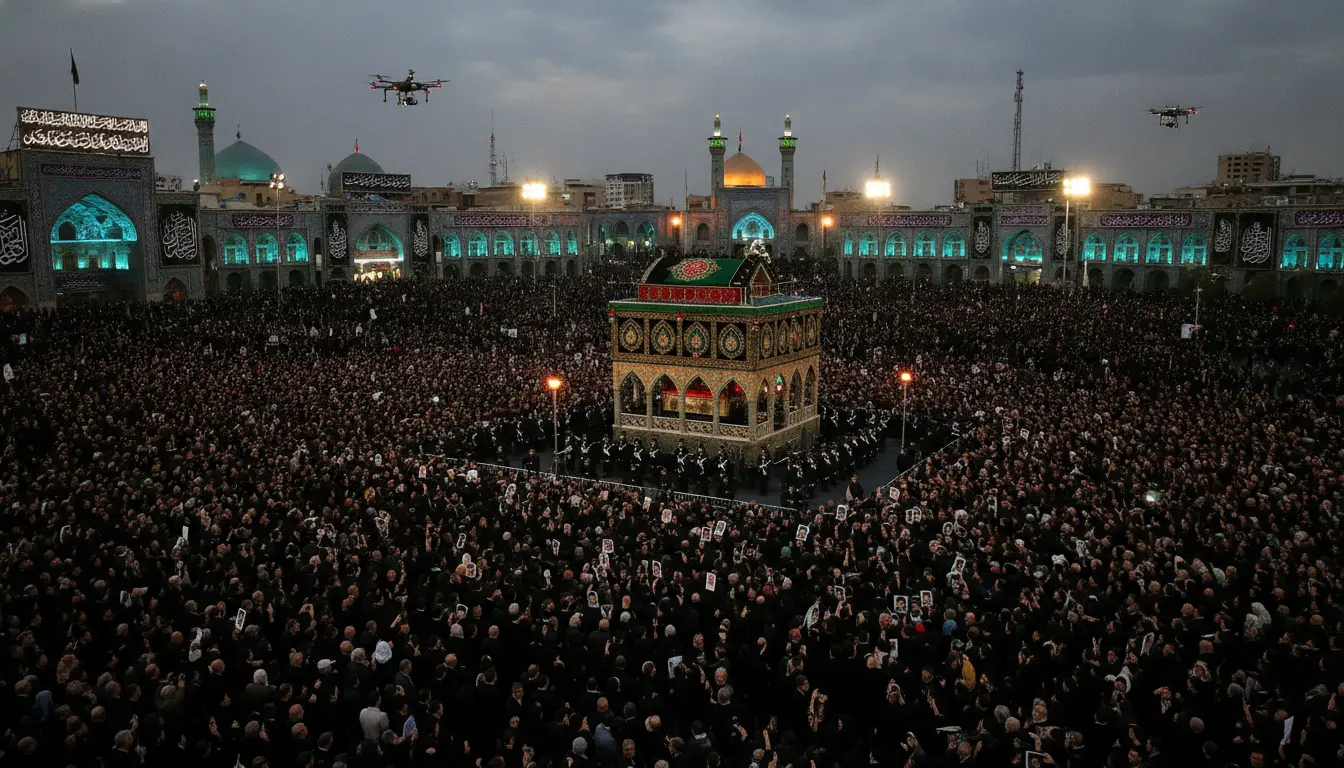
Iran Prepares for Monumental Funeral Rites of Supreme Leader Ayatollah Ali Khamenei Amid Succession Speculation

Intel Shares Soar After Trump Says It Struck Apple Chip Deal

Federal Officials Probe White House Staffer Over Alleged Insider Financial Gains from Trump Speeches

Global Warming Approaches Critical 2-Degree Celsius Threshold, Scientists Warn of Pre-2050 Breach
Rocket Lab Readies Neutron for Inaugural Launch Amid High Expectations