

- News
- Politics
- Washington and Tehran on a Collision Course as Rhetoric Intensifies, Sparking Fears of Direct Military Strike

Washington and Tehran on a Collision Course as Rhetoric Intensifies, Sparking Fears of Direct Military Strike
A perilous escalation in rhetoric between Washington and Tehran has reignited fears of a direct military confrontation, pushing the long-simmering shadow war between the two adversaries closer to open conflict. Recent statements from senior American political figures, signaling a potential end to any de-escalatory understandings, have been met with defiant warnings from Iran, creating a volatile dynamic that threatens to destabilize an already turbulent Middle East. The prospect of an overt military strike by either nation on the other's sovereign territory—a line that has not been crossed despite decades of hostility—is now being discussed with a gravity not seen in years, alarming diplomats and military analysts alike.
The current standoff is the latest chapter in a bitter relationship that dates back to Iran's 1979 Islamic Revolution. For decades, the conflict has been waged through proxies, economic sanctions, and covert operations. The United States has historically employed a strategy of "maximum pressure," using crippling sanctions to try and force Iran to curb its nuclear ambitions and regional influence. This policy reached its zenith following the 2018 US withdrawal from the Joint Comprehensive Plan of Action (JCPOA), the landmark nuclear deal. In response, Iran has accelerated its nuclear program, enriching uranium to levels far beyond the deal's limits, and has flexed its military muscle through its network of allied militias in Iraq, Syria, Lebanon, and Yemen.
Key flashpoints have repeatedly brought the two nations to the brink. The 2020 assassination of Iranian General Qasem Soleimani in a US drone strike in Baghdad was a pivotal moment, prompting a retaliatory Iranian ballistic missile attack on US bases in Iraq. While both sides ultimately pulled back from a full-scale war, the incident demonstrated how quickly tit-for-tat actions could spiral out of control. Today, the primary drivers of tension remain Iran's advancing nuclear capabilities—which Tehran insists are for peaceful purposes—and its support for groups like Hezbollah and the Houthis, who regularly challenge US and Israeli interests in the region. Statements suggesting a return to a more hawkish American posture have been interpreted in Tehran as a direct threat, leading to a hardening of their own defensive and offensive doctrines.
At the heart of the strategic calculus is the Strait of Hormuz, the world's most critical oil chokepoint. Approximately one-fifth of global petroleum consumption passes through this narrow waterway, and any military conflict would almost certainly disrupt this vital supply line, sending shockwaves through the global economy. Iran has repeatedly threatened to close the strait in response to military pressure, a move that the US Navy's Fifth Fleet, based in Bahrain, is tasked with preventing. A direct strike on Iranian or American soil would trigger an unpredictable cascade of events, potentially drawing in regional powers such as Israel, which views Iran's nuclear program as an existential threat, and Saudi Arabia, Tehran's primary regional rival.
Diplomatic channels to de-escalate the situation appear increasingly fragile. European signatories to the original JCPOA have struggled to mediate, their efforts largely stymied by the deep-seated mistrust between Washington and Tehran. Indirect talks have stalled, with each side demanding concessions the other is unwilling to make. The Iranian leadership, facing its own domestic pressures, may feel that a defiant stance is necessary for survival, while some factions in Washington believe that only a credible military threat can deter Iran from acquiring a nuclear weapon.
As the war of words intensifies, the risk of miscalculation grows exponentially. A localized skirmish in the Persian Gulf, an attack by an Iranian-backed proxy that crosses a red line, or a preemptive strike by either side could ignite a conflict with devastating regional and global consequences. The international community watches with bated breath, hoping that the well-established logic of mutual deterrence will hold, but aware that the path to a catastrophic war is shorter and more fraught with peril than ever before.
Stay Informed. Act Smarter.
Get weekly highlights, major headlines, and expert insights — then put your knowledge to work in our live prediction markets.
Related News
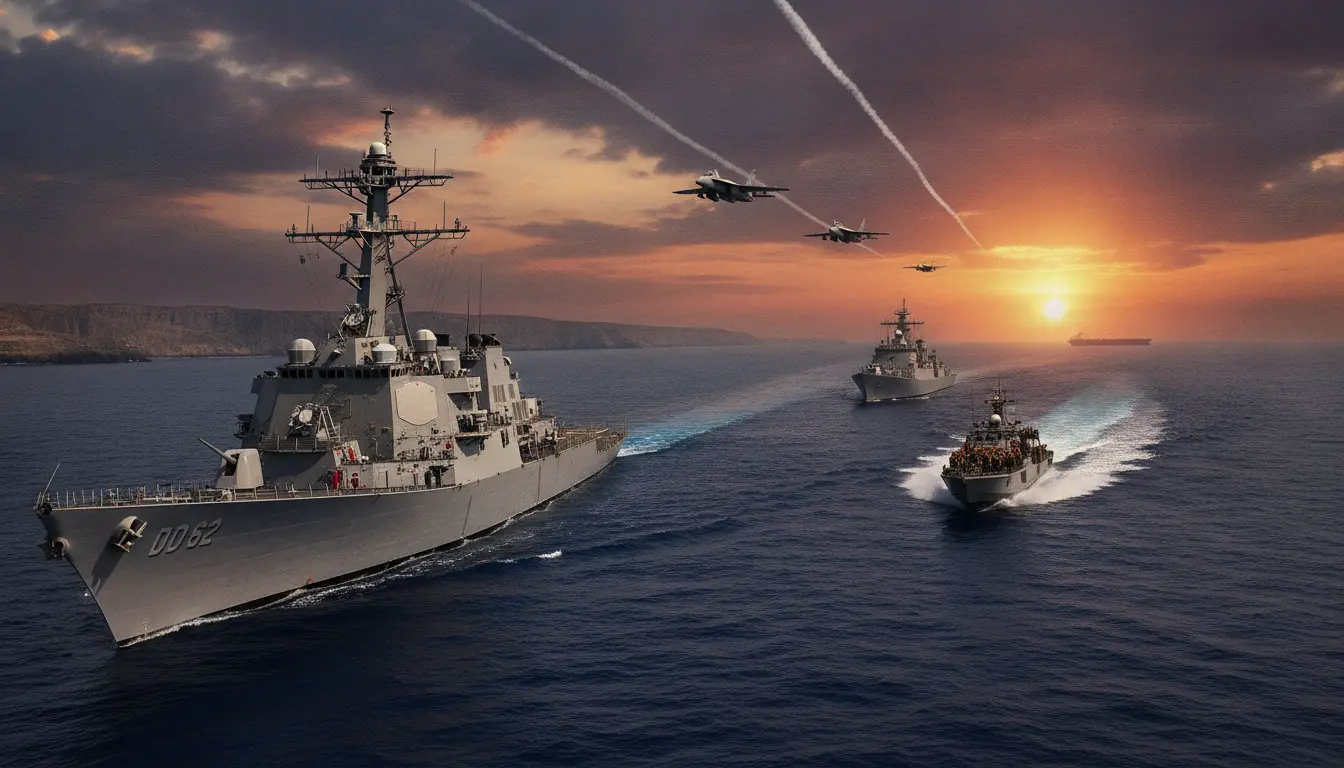
Fears of Direct Conflict Mount as US and Iran Escalate Military Posturing in Persian Gulf
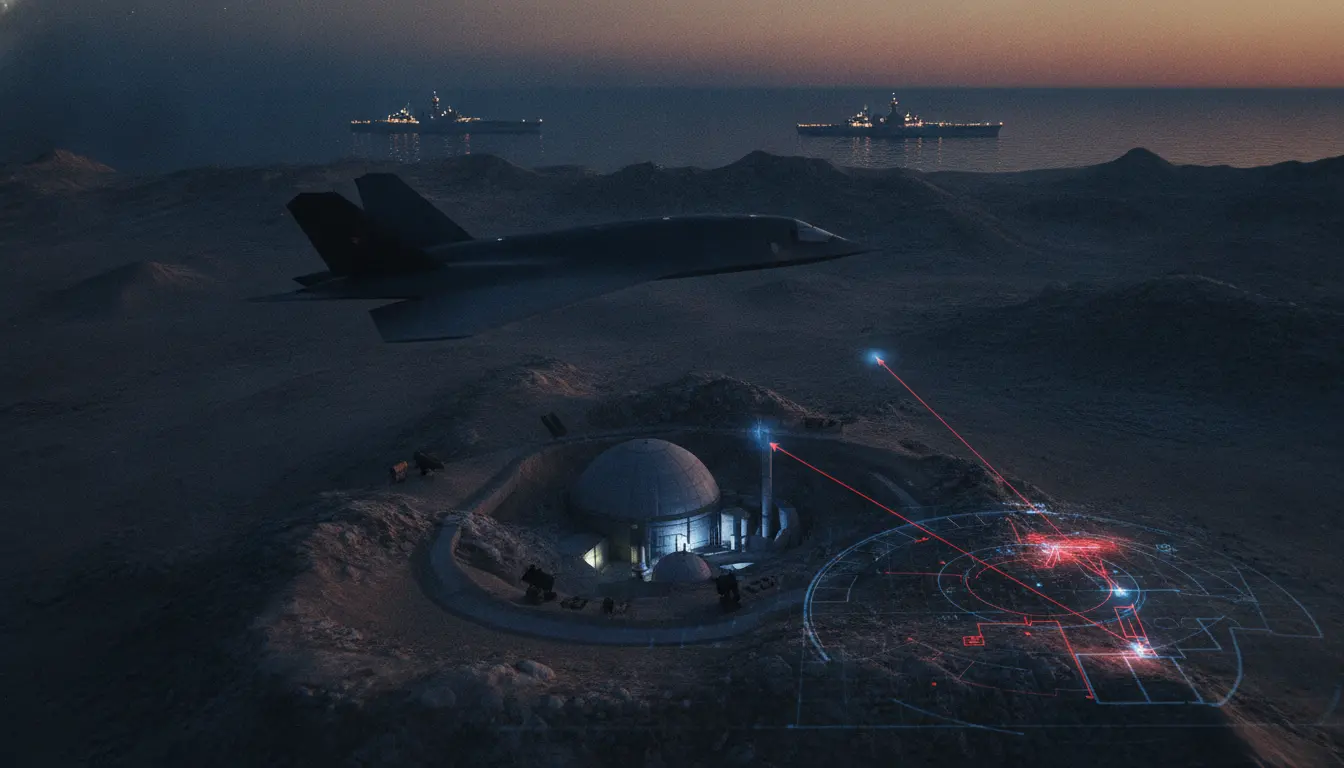
US-Iran Tensions Escalate as Potential Military Options Against Nuclear Program Surface
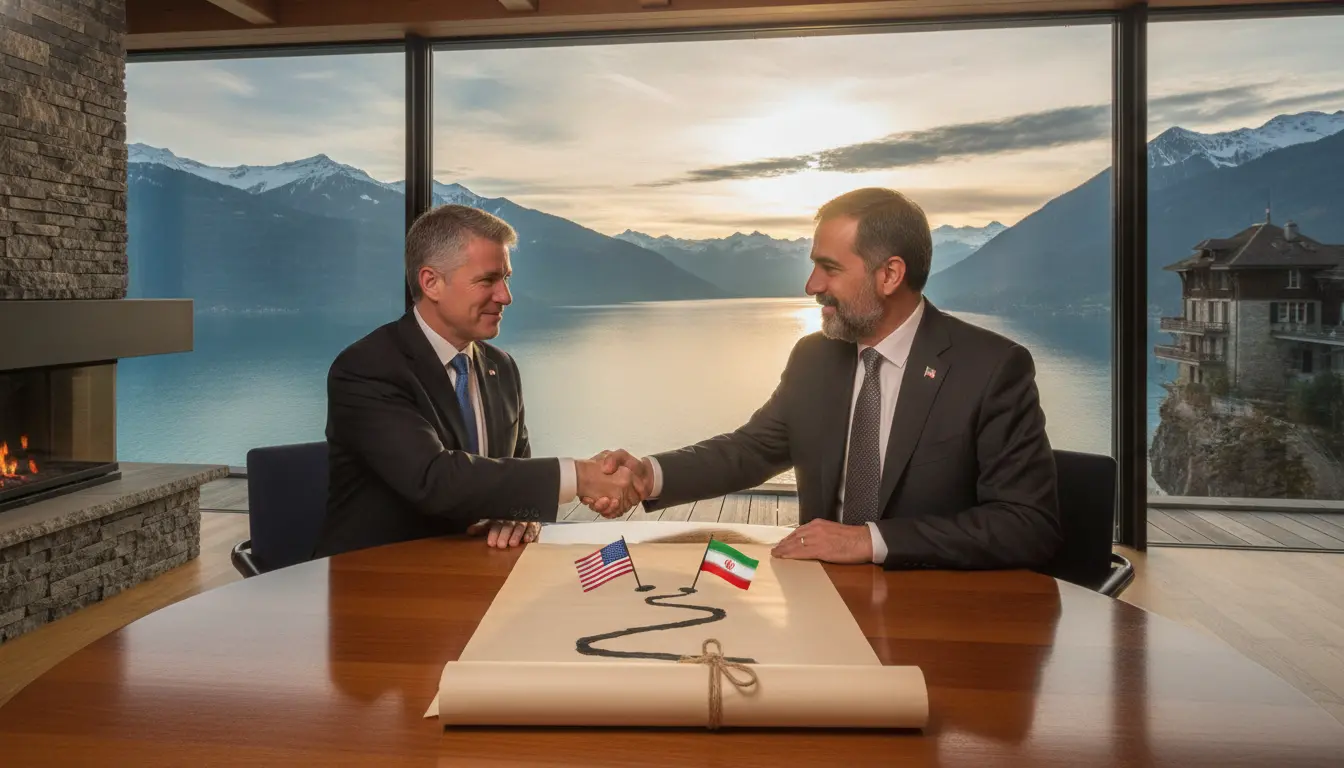
US, Iran agree on ‘roadmap’ towards final deal in Switzerland talks

Tehran Rejects Trump's Claim of 'Highest Level' Nuclear Inspection Agreement Amid Sanctions Relief Talks

US-Venezuela Talks Intensify Over Potential New Oil Drilling Rights for American Firms
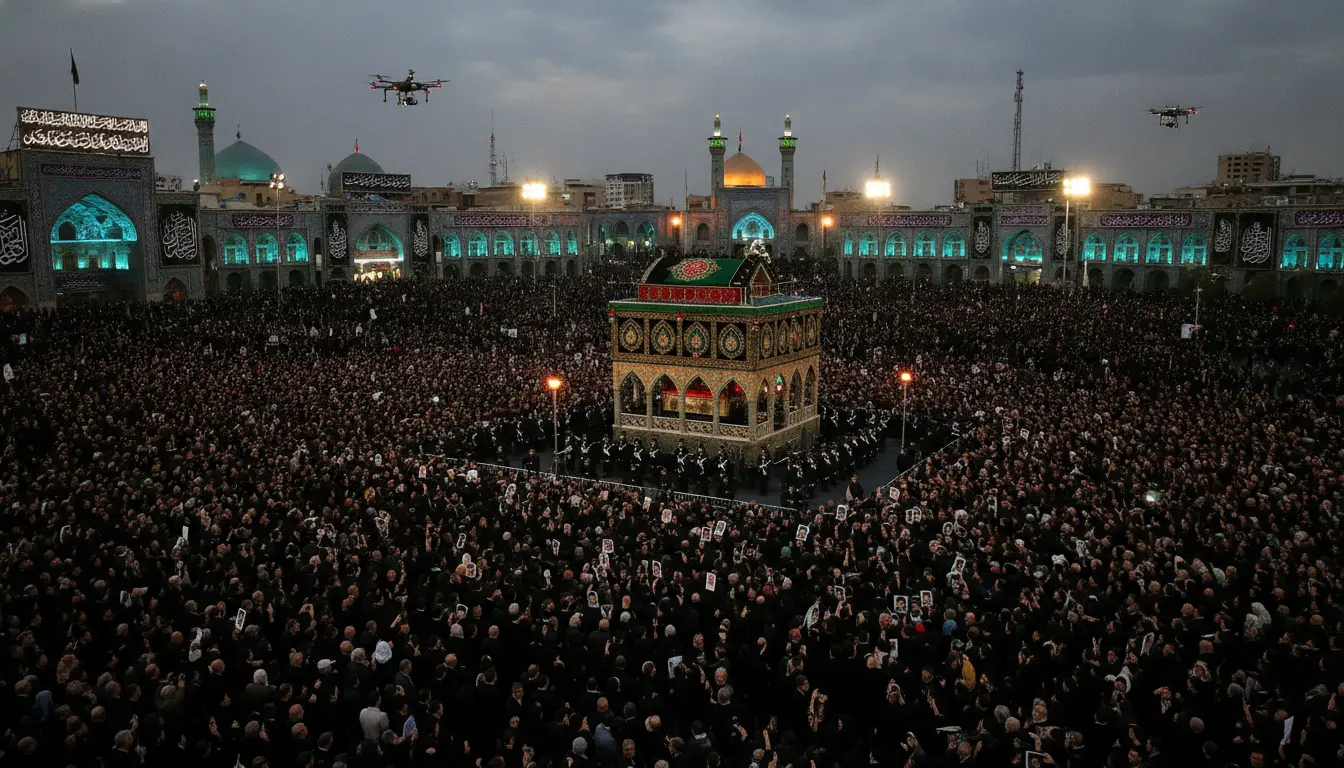
Iran Prepares for Monumental Funeral Rites of Supreme Leader Ayatollah Ali Khamenei Amid Succession Speculation
NASA and SpaceX Finalize Preparations for Crew-13 Mission to International Space Station

AI Giants Anthropic and OpenAI Chart Parallel Paths to Public Markets, Setting Stage for Landmark Tech IPO Race
Federal Investigation Launched into Close Encounter Between Presidential Support Osprey and Corporate Jet Near Reagan National

Global Warming Approaches Critical 2-Degree Celsius Threshold, Scientists Warn of Pre-2050 Breach