

- News
- Politics
- Fears of Direct Conflict Mount as US and Iran Escalate Military Posturing in Persian Gulf
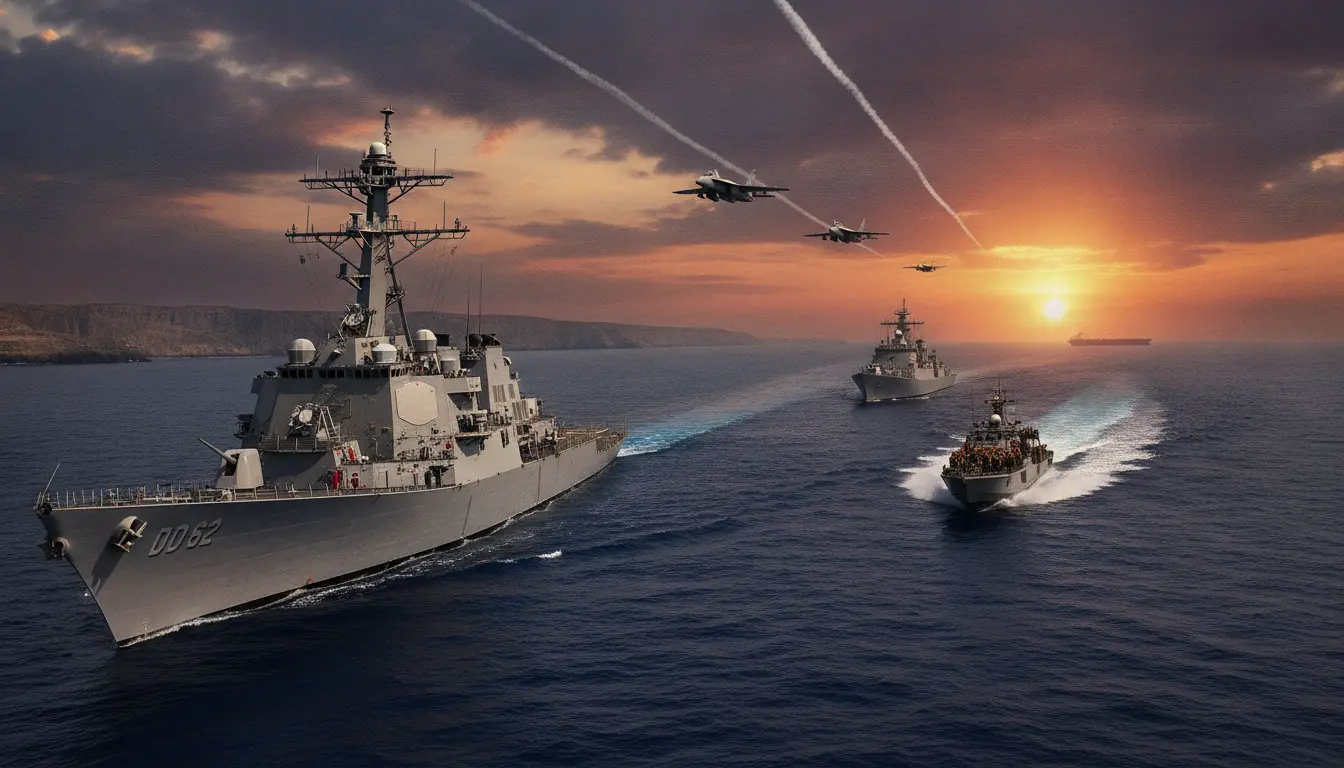
Fears of Direct Conflict Mount as US and Iran Escalate Military Posturing in Persian Gulf
Tensions between the United States and Iran are once again reaching a boiling point, with a recent surge in hostile rhetoric and military maneuvers in the strategic waterways of the Persian Gulf. A series of incidents involving commercial shipping, coupled with increasingly assertive naval patrols from both sides, has revived long-standing fears that a miscalculation could plunge the regional adversaries into a direct military confrontation. While officials in both Washington and Tehran publicly state they do not seek war, the escalatory cycle of provocations and responses has created a dangerously fragile security environment in a region critical to the global energy supply.
The latest flare-up centers on the Strait of Hormuz, the narrow maritime chokepoint through which a significant portion of the world's oil is transported. Reports of Iranian-backed forces harassing and, in some cases, seizing commercial vessels have prompted a robust response from the U.S. Navy's Fifth Fleet, based in nearby Bahrain. Washington has vowed to ensure freedom of navigation and has bolstered its military presence in the area, deploying additional assets to deter what it calls Iranian aggression. Tehran, in turn, has accused the U.S. of destabilizing the region and has conducted its own naval drills, showcasing its missile and drone capabilities as a warning against any potential American military action.
This dangerous standoff is not new but rather the latest chapter in a decades-long shadow war. The relationship has been fraught since the 1979 Islamic Revolution, but it deteriorated sharply after the 2018 U.S. withdrawal from the Joint Comprehensive Plan of Action (JCPOA), or the Iran nuclear deal. The subsequent “maximum pressure” campaign of economic sanctions imposed by the Trump administration, and largely continued under President Biden, has crippled Iran's economy. In response, Iran has accelerated its nuclear enrichment program, moving closer to weapons-grade capability, and intensified its support for a network of proxy militias across the Middle East—from Hezbollah in Lebanon to the Houthis in Yemen and various groups in Iraq and Syria—to project power and retaliate against U.S. and allied interests.
These proxy forces represent a key element of Iran’s strategic doctrine, allowing it to challenge its adversaries indirectly and maintain plausible deniability. Recent attacks by these groups on U.S. bases in Iraq and Syria have been met with retaliatory American airstrikes, demonstrating how quickly the conflict can expand beyond the maritime domain. For U.S. military planners, the challenge is twofold: how to effectively deter Iran and its proxies without triggering a wider war that the Biden administration is keen to avoid, particularly as it focuses on strategic competition with China and the ongoing war in Ukraine. A direct conflict with Iran would be a massive military undertaking with unpredictable and far-reaching consequences for the global economy and regional stability.
Internally, both governments are navigating complex political landscapes. In Iran, the hardline government under President Ebrahim Raisi faces a populace frustrated by economic hardship and social restrictions. A confrontational stance with the U.S. can serve as a rallying cry for nationalist sentiment and a distraction from domestic woes. In Washington, President Biden faces pressure from hawks in Congress to adopt a tougher line on Iran, while also contending with a desire to de-escalate Middle Eastern entanglements. Diplomatic efforts to revive the nuclear deal have stalled, leaving few off-ramps from the current escalatory path.
As warships patrol the Gulf and diplomats exchange warnings, the risk of an unintended incident sparking a larger conflagration remains acutely high. A skirmish at sea, a drone strike that goes awry, or a deadly attack by a proxy group could be the trigger that pushes both nations over the brink. Analysts warn that while neither side may want a full-scale war, the current trajectory of tit-for-tat actions has created a perilous momentum that may become difficult for either Washington or Tehran to control, making the coming months a critical period for a region perpetually on edge.
Stay Informed. Act Smarter.
Get weekly highlights, major headlines, and expert insights — then put your knowledge to work in our live prediction markets.
Related News

Washington and Tehran on a Collision Course as Rhetoric Intensifies, Sparking Fears of Direct Military Strike
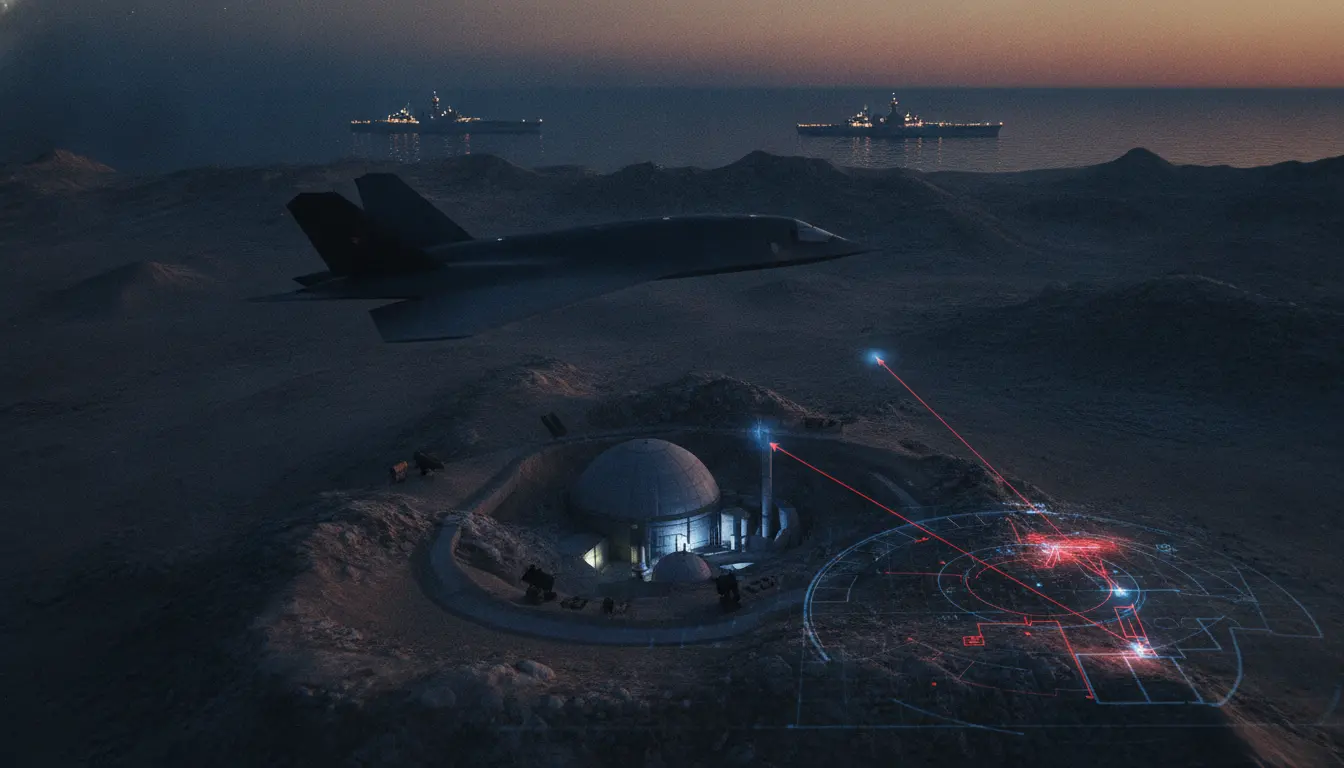
US-Iran Tensions Escalate as Potential Military Options Against Nuclear Program Surface
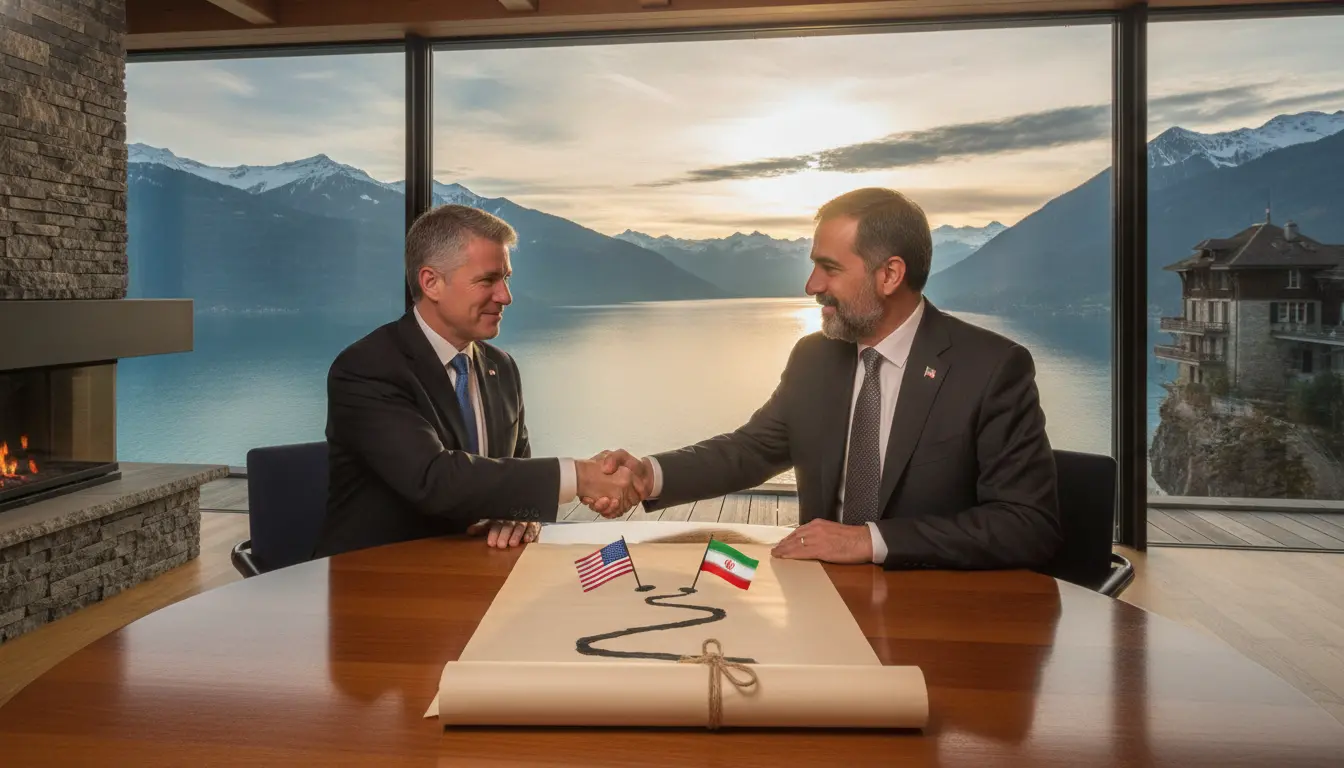
US, Iran agree on ‘roadmap’ towards final deal in Switzerland talks

Tehran Rejects Trump's Claim of 'Highest Level' Nuclear Inspection Agreement Amid Sanctions Relief Talks

US-Venezuela Talks Intensify Over Potential New Oil Drilling Rights for American Firms
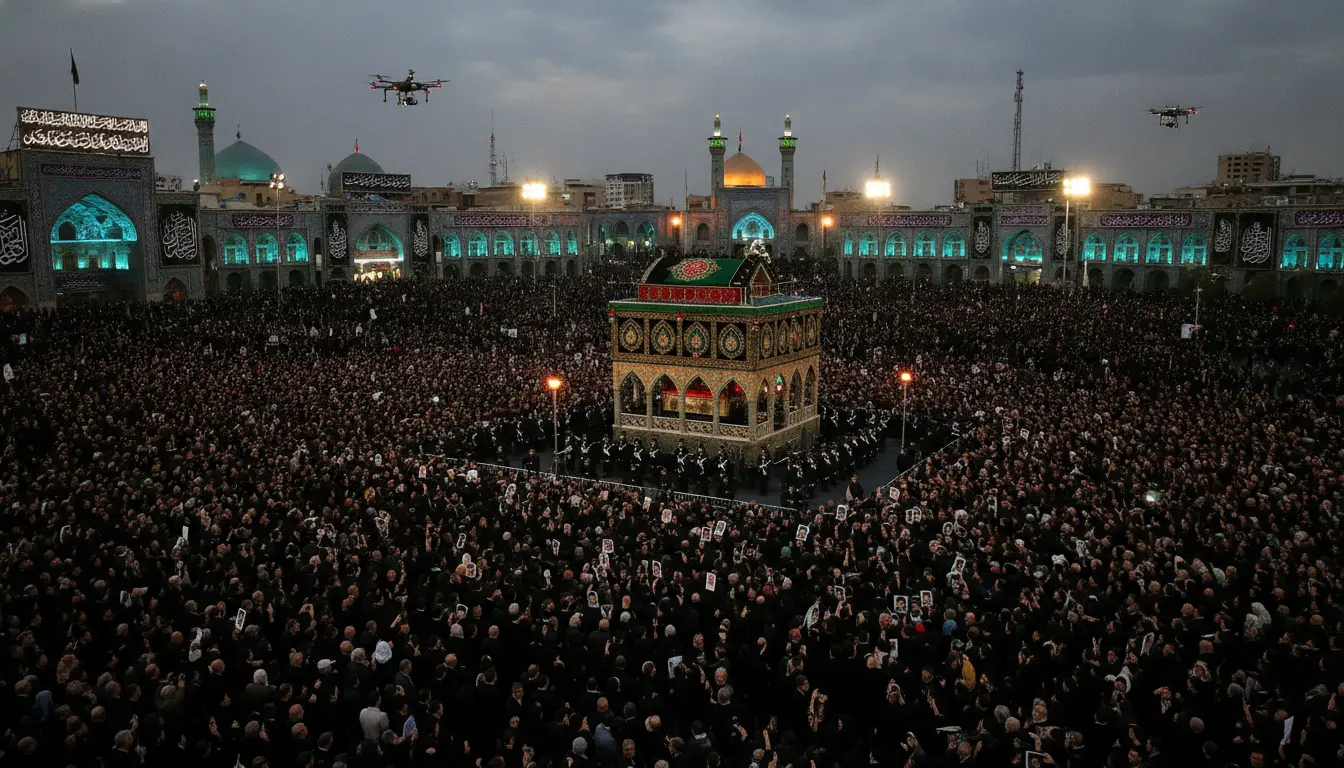
Iran Prepares for Monumental Funeral Rites of Supreme Leader Ayatollah Ali Khamenei Amid Succession Speculation
Federal Investigation Launched into Close Encounter Between Presidential Support Osprey and Corporate Jet Near Reagan National

AI Giants Anthropic and OpenAI Chart Parallel Paths to Public Markets, Setting Stage for Landmark Tech IPO Race
NASA and SpaceX Finalize Preparations for Crew-13 Mission to International Space Station

Bitcoin Targets $80,000 as Institutional Inflows and Macro Tailwinds Drive Momentum