


Iceland Schedules 2026 Referendum on Resuming EU Accession Talks
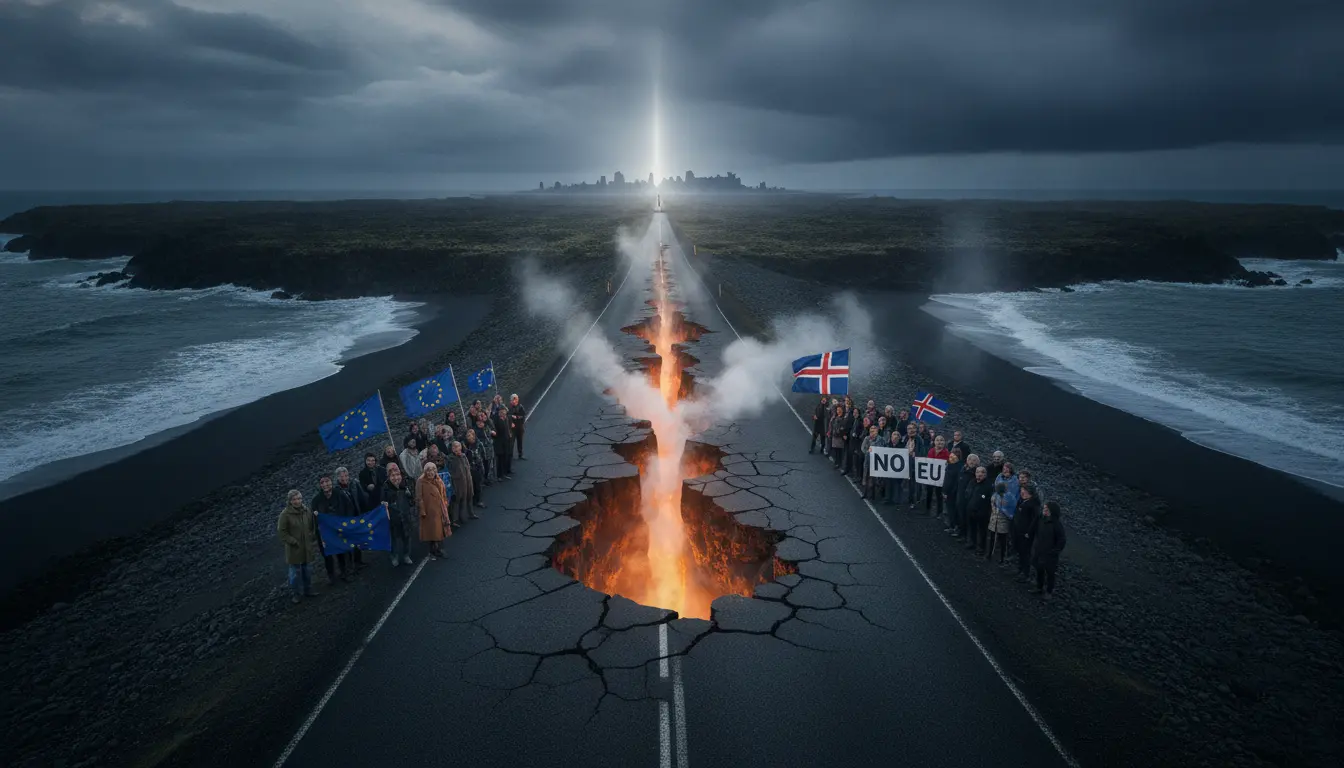
Iceland is set to hold a pivotal constitutional referendum on August 29, 2026, to determine whether the nation should resume its long-stalled negotiations for European Union membership. This upcoming vote marks a significant moment for the island nation, reigniting a complex and deeply divisive debate that touches upon economic future, national sovereignty, and the very identity of Iceland in a rapidly changing global landscape. The outcome of this referendum could redefine Iceland's geopolitical alignment and economic trajectory for decades to come.
The prospect of EU membership is not new territory for Iceland. The country initially applied to join the bloc in 2009, spurred by the devastating financial crisis that crippled its banking sector. Accession negotiations began in 2010, and by 2013, approximately half of the negotiating chapters had been opened, with a third provisionally closed. However, a shift in government following the 2013 elections saw the newly formed centre-right coalition of the Independence Party and Progressive Party halt the accession process, citing concerns about national interests, particularly regarding the control of its rich fishing grounds and independent agricultural policy. In 2015, the government formally withdrew Iceland's application, effectively freezing any further progress.
Now, a renewed push from certain political factions has brought the question back to the forefront. The ‘Yes’ campaign, advocating for the resumption of negotiations, is notably championed by the Social Democratic Alliance and the liberal, pro-European party Viðreisn (Reform). Proponents argue that renewed engagement with the EU would bring substantial economic benefits through greater access to the single market, enhanced trade opportunities, and increased foreign investment. They also highlight the potential for greater geopolitical stability and influence within Europe, allowing Iceland a seat at the table on critical continental issues, particularly in an era demanding stronger international cooperation.
However, the arguments against re-entering accession talks remain potent and deeply rooted in Icelandic national sentiment. Critics, primarily from the Independence Party and the Left-Green Movement, vehemently oppose the idea, citing fears of losing sovereignty over the country’s crucial fishing quotas, a cornerstone of the Icelandic economy and national identity. Concerns also extend to the impact of the EU’s Common Agricultural Policy on local farming, potential loss of control over natural resources, and the broader perceived erosion of national independence. This debate often transcends traditional party lines, with strong opinions on both sides reflecting a profound internal struggle over Iceland’s future direction.
The constitutional nature of the referendum underscores the gravity of the decision before Icelandic voters. Such a vote requires a clear mandate from the populace to proceed with what would undoubtedly be a transformative national undertaking. Should the referendum pass, it would signal a profound shift in Iceland’s foreign policy and potentially necessitate significant domestic reforms to align with EU legal and regulatory frameworks. Conversely, a ‘No’ vote would likely solidify Iceland’s current path outside the EU, though the country would continue to participate in the European Economic Area (EEA), granting it access to the single market without full membership obligations or decision-making power.
As the 2026 date approaches, the political discourse across Iceland is expected to intensify. Both sides face the challenge of galvanizing public opinion and articulating their visions for the nation’s future. The stakes are immense, impacting not only Iceland’s economic prosperity and political autonomy but also its unique cultural heritage and long-standing identity as a fiercely independent Nordic nation. The world will be watching closely as Icelanders weigh their options, charting a course that will define their relationship with Europe and the rest of the world for generations to come.
Stay Informed. Act Smarter.
Get weekly highlights, major headlines, and expert insights — then put your knowledge to work in our live prediction markets.
Related News
Iceland's Referendum on EU Membership Talks Reveals Nation Deeply Divided

Extreme Heat Prompts Scrutiny Over 2026 Tour de France Stage Rerouting and Cancellations

Shein Targets $26-$27 Billion Valuation Ahead of Anticipated September 2026 Public Listing

SpaceX Targets September 2026 Falcon Launch Amid Global Starlink Expansion Efforts

Anthropic Sets October 2026 for Major AI Model Update, Industry Eyes Potential Claude 6 Debut

Anticipation Builds for Taylor Swift's Next Global Tour Announcement

Charli XCX's 'Brat' Album Poised to Redefine Experimental Pop Landscape

Anthropic Eyes Landmark 2026 IPO as Industry Buzzes Over Potential $2 Trillion Valuation

European Union Intensifies Scrutiny of Meta's 'Addictive Features,' Significant Fines Loom

US, Iran agree on ‘roadmap’ towards final deal in Switzerland talks