

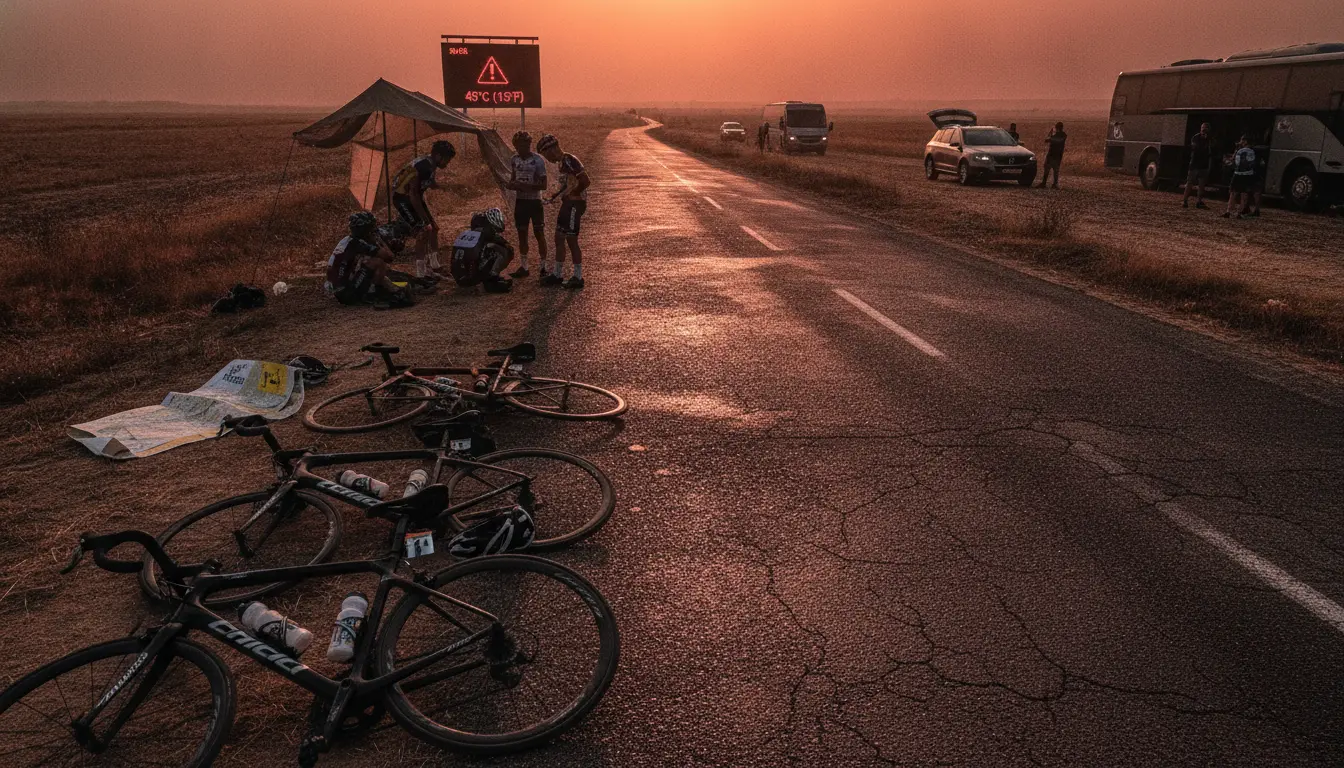
Extreme Heat Prompts Scrutiny Over 2026 Tour de France Stage Rerouting and Cancellations
As Europe grapples with increasingly frequent and intense heatwaves, significant concerns are emerging regarding the logistical feasibility and athlete safety of the 2026 Tour de France. Organizers, governing bodies, and host cities are confronting the unprecedented challenge of planning for an event that could see multiple stages severely impacted by extreme temperatures, raising the specter of cancellations or substantial rerouting. The prospect of riders competing for hours under scorching sun has ignited a critical dialogue about the long-term sustainability of major outdoor endurance sports in a rapidly changing climate, pushing stakeholders to explore robust contingency measures well in advance.
The history of the Tour de France, a grueling three-week test of human endurance, is replete with tales of riders battling formidable mountain passes and challenging weather conditions. However, the nature of these weather challenges is shifting, with scientific projections consistently indicating hotter summers for Europe. While past editions have occasionally seen stages shortened or start times adjusted due to heat, the severity and frequency of recent heatwaves suggest that ad-hoc responses may no longer suffice. For an event meticulously planned years in advance, with routes traversing diverse regions of France and sometimes neighboring countries, the potential for widespread disruption is a complex equation that organizers can no longer ignore. The integrity of the competition, the health of the peloton, and the experience of millions of spectators are all on the line.
The Amaury Sport Organisation (ASO), the venerable entity behind the Tour, along with the Union Cycliste Internationale (UCI), faces immense pressure to develop comprehensive protocols. Discussions are underway with rider associations, medical experts, and local authorities to assess the physiological toll of extreme heat on cyclists, who are already pushing their bodies to the limit. Risks such as severe dehydration, heatstroke, and heat exhaustion become exponentially higher, potentially leading to critical health incidents and compromising fair competition. Furthermore, the logistical challenge of providing sufficient hydration points, cooling stations, and emergency medical services across hundreds of kilometers of open road, particularly in remote areas, becomes monumental during a prolonged heatwave. Host cities, eager to showcase their regions, must also contend with the infrastructure implications and public safety concerns for the vast crowds that line the routes.
The debate extends beyond immediate safety measures, touching upon fundamental questions about the future scheduling and design of the Tour de France and similar events. Critics and climate scientists are increasingly advocating for a re-evaluation of traditional summer slots for such high-intensity, long-duration competitions. Moving the race earlier or later in the year, shortening individual stages, or incorporating more urban routes with accessible cooling infrastructure are among the radical adaptations being considered. Such changes, however, come with their own set of complications, including calendar clashes with other sporting events, impacts on broadcast schedules, and disruptions to existing contractual agreements with host regions and sponsors.
The implications of these heatwave concerns stretch far beyond the realm of professional cycling. They serve as a stark reminder of how climate change is directly impinging on human activities, from agriculture to urban planning, and now, high-profile international sports. The decisions made and strategies adopted by the ASO and UCI for the 2026 Tour de France will not only shape the future of cycling but will also provide a blueprint, or at least a case study, for other global sporting organizations grappling with similar environmental pressures. As the planning cycle for 2026 intensifies, the imperative for proactive, science-backed solutions has never been greater, ensuring the safety of athletes and the enduring legacy of one of the world's most cherished sporting spectacles.
Stay Informed. Act Smarter.
Get weekly highlights, major headlines, and expert insights — then put your knowledge to work in our live prediction markets.
Related News

Paris Faces Growing Threat of 42°C Heatwaves as Climate Change Accelerates

Paris Under Pressure: Climate Change Fuels Risk of New All-Time Temperature Record

Anticipation Builds for Taylor Swift's Next Global Tour Announcement
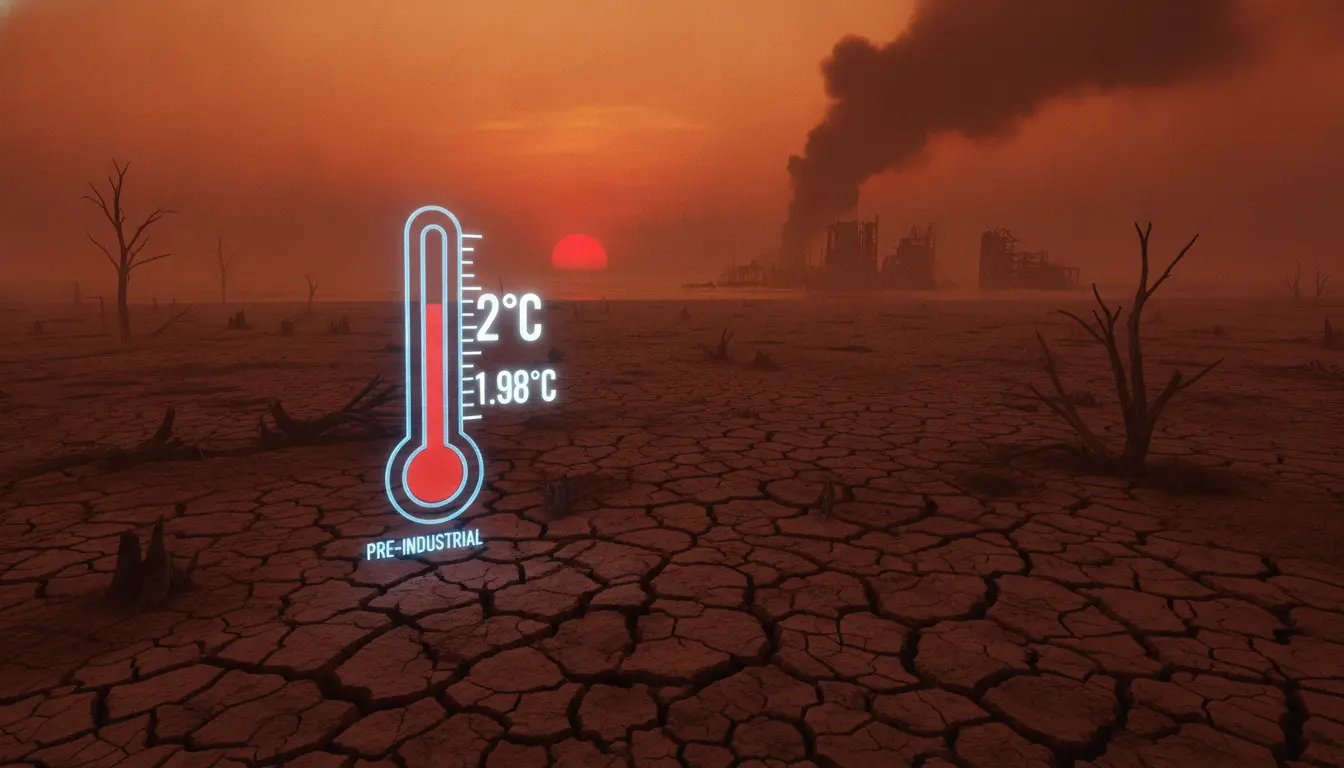
Global Warming Approaches Critical 2-Degree Celsius Threshold, Scientists Warn of Pre-2050 Breach

Iceland Schedules 2026 Referendum on Resuming EU Accession Talks

Anthropic Sets October 2026 for Major AI Model Update, Industry Eyes Potential Claude 6 Debut

Demand Soars for Harry Styles' Anticipated 'Together, Together' Tour, Setting Stage for Global Stadium Success

Shein Targets $26-$27 Billion Valuation Ahead of Anticipated September 2026 Public Listing

Coastal China Prepares for Major Typhoon Bavi Landfall Amid Mass Evacuations

Anthropic Poised to Unveil Major Claude Successor by 2026, Promising Advanced Reasoning and Multimodality