

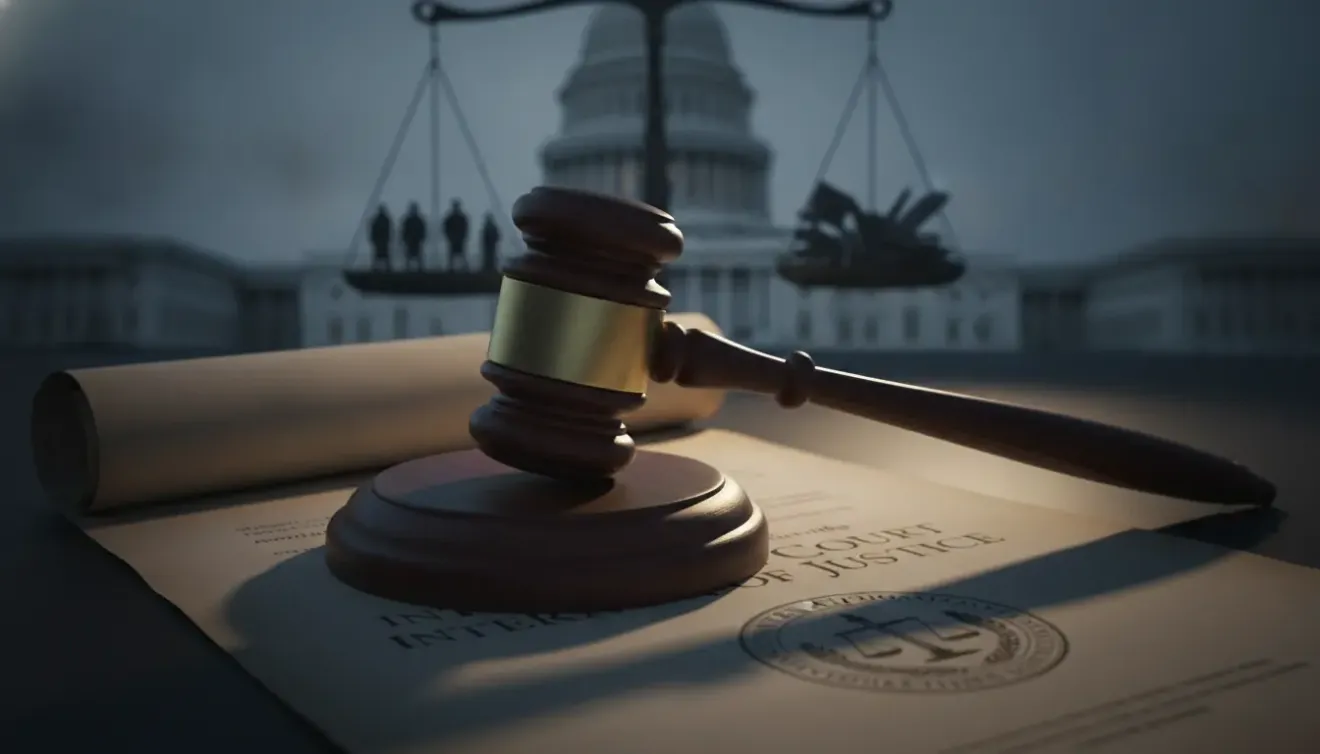
Washington Mulls Sanctions on ICJ Judges After Myanmar Genocide Ruling
The International Court of Justice (ICJ) delivered a landmark ruling on November 19, 2026, finding Myanmar responsible for committing genocide against the Rohingya Muslim minority. This momentous decision by the United Nations' highest court has immediately ignited profound concerns in Washington, with reports suggesting the United States government is now considering the unprecedented step of imposing sanctions on the very judges who delivered the verdict. Such a move would mark a significant escalation in tensions between the US and international legal institutions, potentially reshaping global jurisprudence and diplomatic relations.
The genesis of this crisis traces back to August 2017, when a brutal military crackdown in Myanmar’s Rakhine State forced more than 740,000 Rohingya to flee into neighboring Bangladesh. International observers, including UN fact-finding missions, documented widespread atrocities, including mass killings, systemic rape, and village burnings, describing the events as a textbook example of ethnic cleansing. The Gambia, a small West African nation, took a courageous stand in 2019, filing a case against Myanmar at the ICJ under the 1948 Genocide Convention, a treaty to which both nations are signatories. The Gambia, acting with the support of the Organization of Islamic Cooperation (OIC), sought justice for the Rohingya, a predominantly Muslim ethnic group denied citizenship and fundamental rights by Myanmar for decades.
In its final ruling, the ICJ confirmed that Myanmar had indeed violated its obligations under the Genocide Convention. The court's decision, which is legally binding, concluded that there was sufficient evidence to establish genocidal acts and intent, holding the state of Myanmar accountable for the crimes perpetrated by its military. This verdict cemented international legal recognition of the atrocities, a crucial step for the Rohingya people who have long sought justice and accountability. Myanmar has consistently denied allegations of genocide, claiming its military operations were legitimate responses to insurgent attacks, a narrative that the court ultimately rejected.
The prospect of US sanctions on ICJ judges, however, introduces a complex and volatile dimension. Historically, the United States has maintained a cautious and sometimes adversarial stance toward certain international judicial bodies, particularly when their jurisdiction might impinge on American sovereignty or implicate its allies. While the ICJ's role differs from that of the International Criminal Court (ICC), which prosecutes individuals, a precedent for US pushback against international judicial officials exists. The Trump administration, for instance, previously imposed sanctions on ICC officials investigating alleged war crimes by American troops in Afghanistan, though these measures were later reversed by the Biden administration. The underlying rationale for such actions often revolves around protecting US personnel and allies from what is perceived as overreaching international jurisdiction, or disagreement with specific judicial outcomes.
Should the US proceed with sanctioning ICJ judges, the implications for international law, human rights, and global diplomacy would be profound. Such a move would be widely condemned by allies and international legal scholars, who would likely view it as an assault on judicial independence and the principles of multilateralism. It could severely undermine the credibility and effectiveness of the ICJ, a cornerstone of the international legal order, making it more challenging for victims of atrocities worldwide to seek justice. Furthermore, it risks alienating key partners who uphold the integrity of international institutions and could be seen as an abandonment of the Rohingya's plight by a nation that often champions human rights. The international community watches closely, anticipating how this delicate balance between national interests and global accountability will be navigated.
The potential sanctions raise fundamental questions about the future of international justice and the willingness of powerful nations to abide by the rulings of global courts, even when uncomfortable. It would send a chilling message to judges and legal professionals dedicated to upholding international law, potentially deterring them from pursuing cases that might invite political retaliation. For Myanmar, the ruling places renewed pressure on the military junta to cease its abuses and ensure accountability, though the efficacy of international pressure has historically been limited. The unfolding scenario represents a critical test for the international system, highlighting the persistent tension between state sovereignty and the universal pursuit of justice for humanity's gravest crimes.
Stay Informed. Act Smarter.
Get weekly highlights, major headlines, and expert insights — then put your knowledge to work in our live prediction markets.
Related News

UN General Assembly Prepares for Vote on Russia's Suspension from Human Rights Council Amid War Crime Allegations

Washington Considers Full Reinstatement of Iran Oil Sanctions Amid Deepening Regional Tensions

US Congressman Ro Khanna Reportedly Detained by Israeli Settlers in West Bank, Prompting Diplomatic Scrutiny

European Union Grapples with Potential Trade Sanctions on Israeli West Bank Settlements

Heightened US-Iran Tensions Fuel Fears of Formal Conflict Declaration

White House Intensifies Global Scrutiny Over Alleged China Tariff Evasion Network

United States Weighs Permanent Policy for Immediate Asylum Expulsion at Southern Border

US-Iran Interim Agreement Faces Uphill Battle for Senate Ratification

President Trump Poised to Announce New Iran Sanctions Amid Escalating Regional Tensions

Federal Appeals Court Weighs Challenge to Trump Administration's Use of Alien Enemies Act