

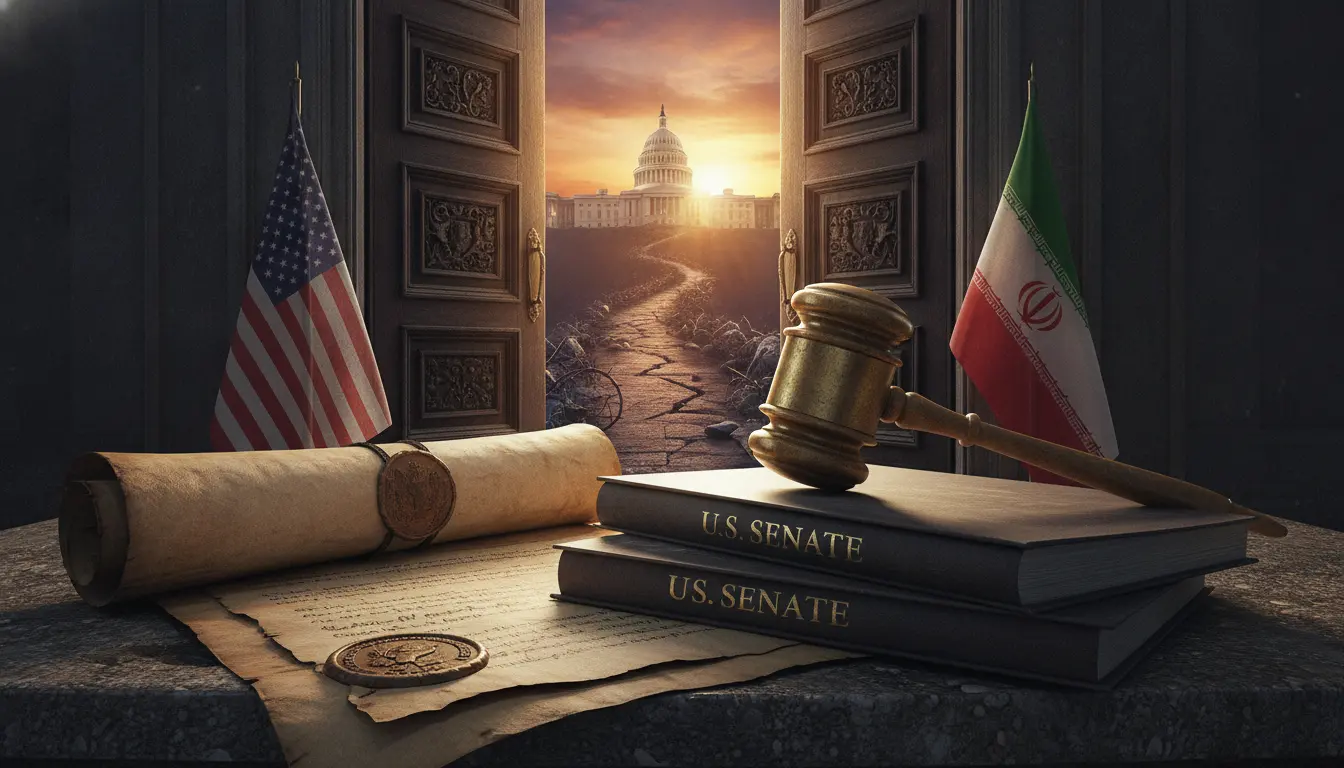
US-Iran Interim Agreement Faces Uphill Battle for Senate Ratification
A recently forged interim agreement between the United States and Iran is poised for an arduous journey through the US Senate, where its ratification is widely viewed as crucial for establishing any semblance of long-term stability and enforceability. The deal, whose precise terms remain a subject of intense diplomatic discussion and speculation, aims to address pressing concerns regarding Iran's nuclear program and regional activities, potentially offering a path to de-escalation after years of heightened tensions.
The genesis of this interim arrangement lies in the protracted impasse following the US withdrawal from the Joint Comprehensive Plan of Action (JCPOA) in 2018. That decision led to Iran progressively exceeding the agreement's nuclear limits, accelerating its uranium enrichment to unprecedented levels and restricting international inspections. Subsequent efforts to revive the JCPOA or negotiate a new comprehensive deal repeatedly faltered, often derailed by shifting political priorities in Washington and Tehran, as well as profound mistrust between the two nations. This interim deal represents a potential attempt to freeze or roll back some of Iran's nuclear advances in exchange for limited sanctions relief or unfreezing of assets, thereby buying time for a more durable solution or preventing further escalation towards a full-blown crisis.
However, the path to formal ratification in the US Senate is fraught with significant political and constitutional obstacles. Treaties and major international agreements typically require a two-thirds majority vote in the Senate for ratification, a high bar that demands bipartisan consensus. Given the deeply entrenched partisan divisions surrounding Iran policy, securing such a supermajority for any deal with Tehran is exceptionally challenging. Many Republican lawmakers staunchly oppose any concessions to Iran, citing concerns about its ballistic missile program, support for regional proxies, and human rights record. A substantial number of Democrats also harbor reservations, particularly regarding the durability of any nuclear curbs and the effectiveness of verification mechanisms. The debate is expected to be fierce, scrutinizing every clause of the agreement for its implications on national security and regional stability.
Key players in this high-stakes political drama include the Biden administration, which has sought to manage the Iranian nuclear challenge through diplomacy while maintaining a robust sanctions regime. They view such an interim deal as a pragmatic step to prevent Iran from acquiring nuclear weapons capability and to stabilize a volatile Middle East. On the other side, influential senators from both parties, often aligned with powerful lobbying groups, will likely scrutinize the agreement through the lens of their geopolitical concerns, particularly its impact on allies like Israel and Saudi Arabia. Tehran, for its part, also faces internal divisions, with hardliners often wary of any agreement that could be perceived as capitulation, while pragmatists may see limited engagement as a necessary step to alleviate economic pressures.
Beyond the immediate nuclear concerns, the deal carries broader geopolitical implications. A successful ratification could pave the way for reduced regional tensions, potentially impacting ongoing conflicts and proxy skirmishes. Conversely, a failure to ratify could lead to further Iranian nuclear escalation, increased instability in the Middle East, and renewed calls for more aggressive measures. The debate will inevitably touch upon the balance of power in the region, global energy markets, and the future of nuclear non-proliferation efforts. The outcome of the Senate's deliberations will not only determine the fate of this specific agreement but will also send a powerful signal about the future trajectory of US foreign policy towards Iran and the role of congressional oversight in international diplomacy.
The timeline for ratification, stretching into late 2026, suggests the administration anticipates a lengthy and arduous process, possibly spanning different congressional compositions and even a presidential election cycle. This extended window underscores the complexity of building political consensus and navigating the intricate constitutional requirements for approving such a sensitive international accord. The scrutiny will extend beyond the deal's technical aspects to its long-term strategic implications, weighing immediate security gains against potential future risks and the deep historical animosity that continues to shape US-Iran relations.
Stay Informed. Act Smarter.
Get weekly highlights, major headlines, and expert insights — then put your knowledge to work in our live prediction markets.
Related News
Trump's Initial Iran Memorandum of Understanding Ignites Bipartisan Congressional Scrutiny

US and Iran Intensify Negotiations for Comprehensive Nuclear Deal Amid Regional Tensions

Prospects for a Permanent US-Iran Peace Deal by 2026 Face Formidable Diplomatic Hurdles
US Senate Renews Efforts to Rein in Presidential War Powers on Iran

US-Iran Nuclear Diplomacy Stalls Amid Envoy Delays and Regional Volatility

Prospects for Significant U.S. Sanctions Relief on Iran Under Scrutiny

US, Iran Remain Divided Over Nuclear Inspection Agreement Amid Escalating Tensions

U.S. Senate Set for Renewed Push on Iran War Powers Legislation
US Senate Weighs Renewed Bid to Restrict Presidential War Powers on Iran

Diplomatic Efforts Mount to Salvage US-Iran De-escalation Agreement Amid Rising Regional Tensions