

- News
- Politics
- Iranian Hardline Newspaper Publishes 'Revenge Target' List of Global Leaders Amid Heightened Regional Tensions

Iranian Hardline Newspaper Publishes 'Revenge Target' List of Global Leaders Amid Heightened Regional Tensions
A prominent Iranian hardline newspaper has reportedly published a chilling list of 13 world leaders, identifying them as "revenge targets" in a move that has significantly escalated global security concerns. The publication, widely seen as a reflection of sentiments within Iran's ultraconservative circles, comes amidst a backdrop of deepening geopolitical hostilities and a prolonged standoff between Tehran and several Western powers, as well as regional adversaries. This development underscores the volatile nature of international relations, signaling a new, dangerous dimension to Iran's confrontational rhetoric and prompting immediate anxieties within intelligence and security communities worldwide.
The context for this provocative declaration is rooted in years of escalating tensions, marked by significant events such as the 2020 U.S. drone strike that killed Major General Qassem Soleimani, a revered commander of the Islamic Revolutionary Guard Corps’ (IRGC) Quds Force. Soleimani's assassination was a watershed moment, prompting vows of "harsh revenge" from Iranian leadership, which have periodically resurfaced in various forms. Beyond this, ongoing disputes over Iran's nuclear program, the crippling international sanctions imposed by the United States and its allies, and Tehran's support for proxy groups across the Middle East have fueled a cycle of hostility that shows little sign of abating. The newspaper's latest action appears to be a direct extension of this established narrative, transforming abstract threats into specific, named potential targets.
While Iranian state media frequently employs strong rhetoric against perceived enemies, the explicit naming of global leaders in a list framed as "revenge targets" crosses a critical threshold. Analysts are divided on whether this act represents a genuine directive for future action, a calculated psychological operation, or merely a theatrical expression of outrage intended for a domestic audience. Nevertheless, the implications are severe. Such public incitement, regardless of its ultimate intent, inherently elevates the risk profile for the individuals named, placing an immense burden on the security apparatus of their respective nations. It also provides ideological justification for extremist elements or lone actors who might seek to carry out attacks independently, believing they are acting in accordance with a nationalistic or religious mandate.
Key players in this simmering conflict include, but are not limited to, the United States, Israel, and several European nations that have consistently opposed Iran's regional ambitions and nuclear development. Leaders from these countries are almost certainly among those alluded to on the list. For the U.S., the ongoing disputes over the nuclear deal (JCPOA) and its military presence in the Middle East remain central. Israel views Iran as its most existential threat, constantly vigilant against Tehran's nuclear aspirations and its backing of groups like Hezbollah and Hamas. European nations, while often seeking diplomatic avenues, have also taken firm stances on sanctions and human rights issues within Iran, contributing to the adversarial dynamic. The newspaper's list thus becomes a stark reminder of the deeply entrenched animosities and the intricate web of regional power struggles that define the modern Middle East.
The international community is now grappling with the fallout of this highly sensitive publication. Calls for de-escalation are likely to intensify, yet the incident also risks hardening positions on all sides. For targeted nations, security measures around their leaders will undoubtedly be reviewed and potentially bolstered. Diplomatically, the incident could further complicate efforts to revive any semblance of dialogue or negotiate a resolution to the nuclear impasse. The potential for miscalculation, given the current geopolitical fragility, is alarmingly high, with any successful attack, whether state-sponsored or not, capable of triggering a wider, unpredictable conflict. The long-term implications suggest a period of sustained vigilance and a further erosion of trust in an already volatile region, underscoring the precarious state of global security in the face of such explicit threats.
The explicit declaration of "revenge targets" by a media outlet so closely aligned with hardline factions in Tehran signals a dangerous new phase in Iran's posture towards its perceived enemies. It transforms a generalized threat into a chillingly specific one, compelling security services worldwide to re-evaluate potential risks. While the immediate intent may be open to interpretation, the undeniable consequence is a heightened state of alarm and a vivid demonstration of the high stakes involved in the ongoing geopolitical struggles concerning Iran's role and ambitions on the global stage. This development serves as a stark reminder of the persistent and evolving nature of state-sponsored rhetoric and its potential to destabilize international peace and security.
Stay Informed. Act Smarter.
Get weekly highlights, major headlines, and expert insights — then put your knowledge to work in our live prediction markets.
Related News

Israel Warns US of Alleged Iranian Assassination Plot Against Donald Trump
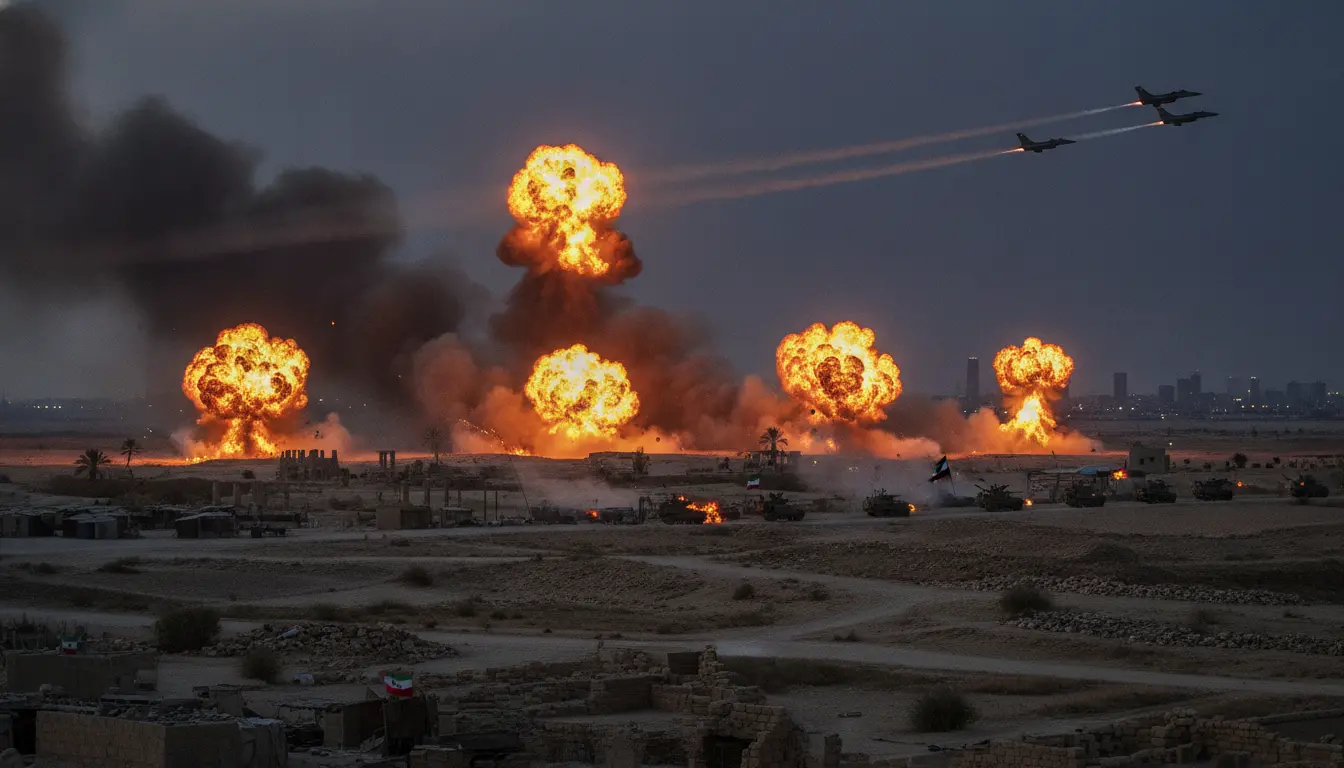
Renewed US Airstrikes on Iran-Backed Militias Signal Persistent Threat of Escalation in Middle East
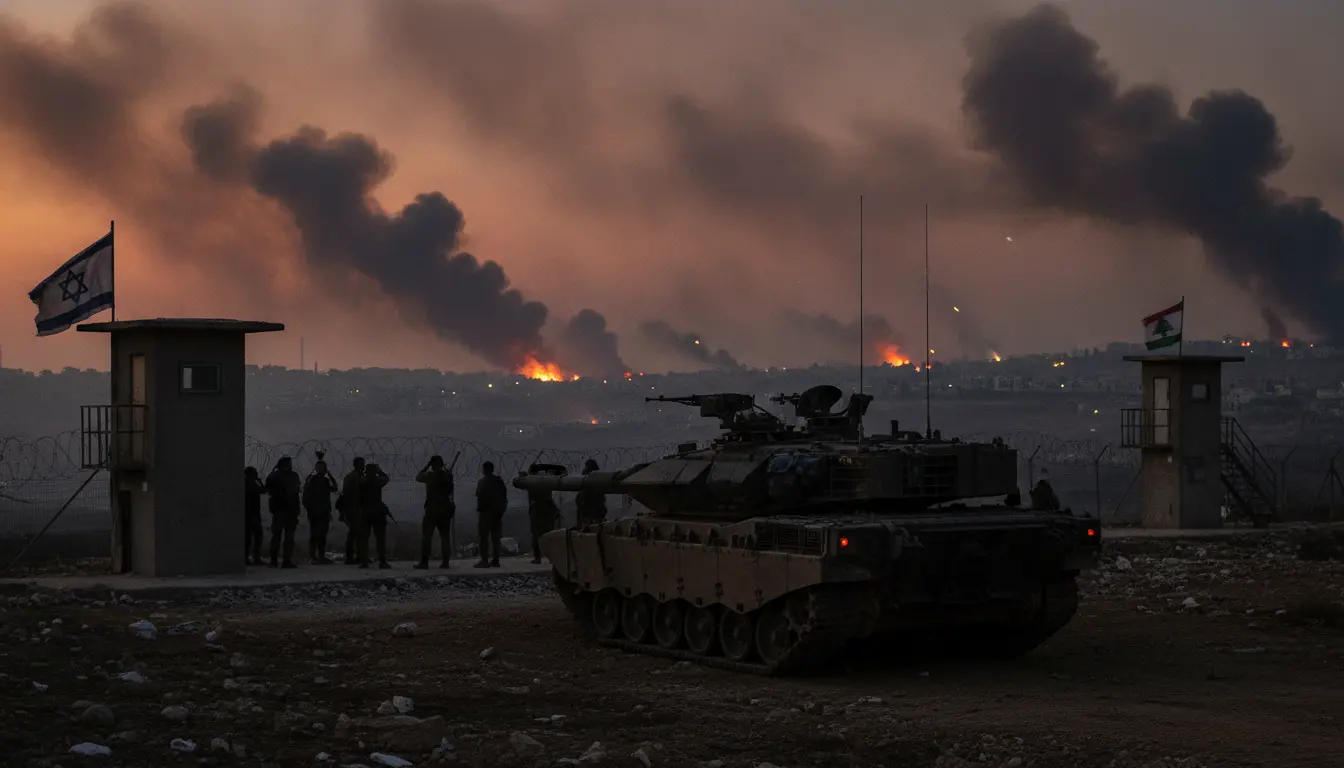
Cross-Border Hostilities Intensify Between Israel and Hezbollah, Raising Regional War Fears

Iran war live: US-Tehran agree roadmap to reach a final deal in 60 days
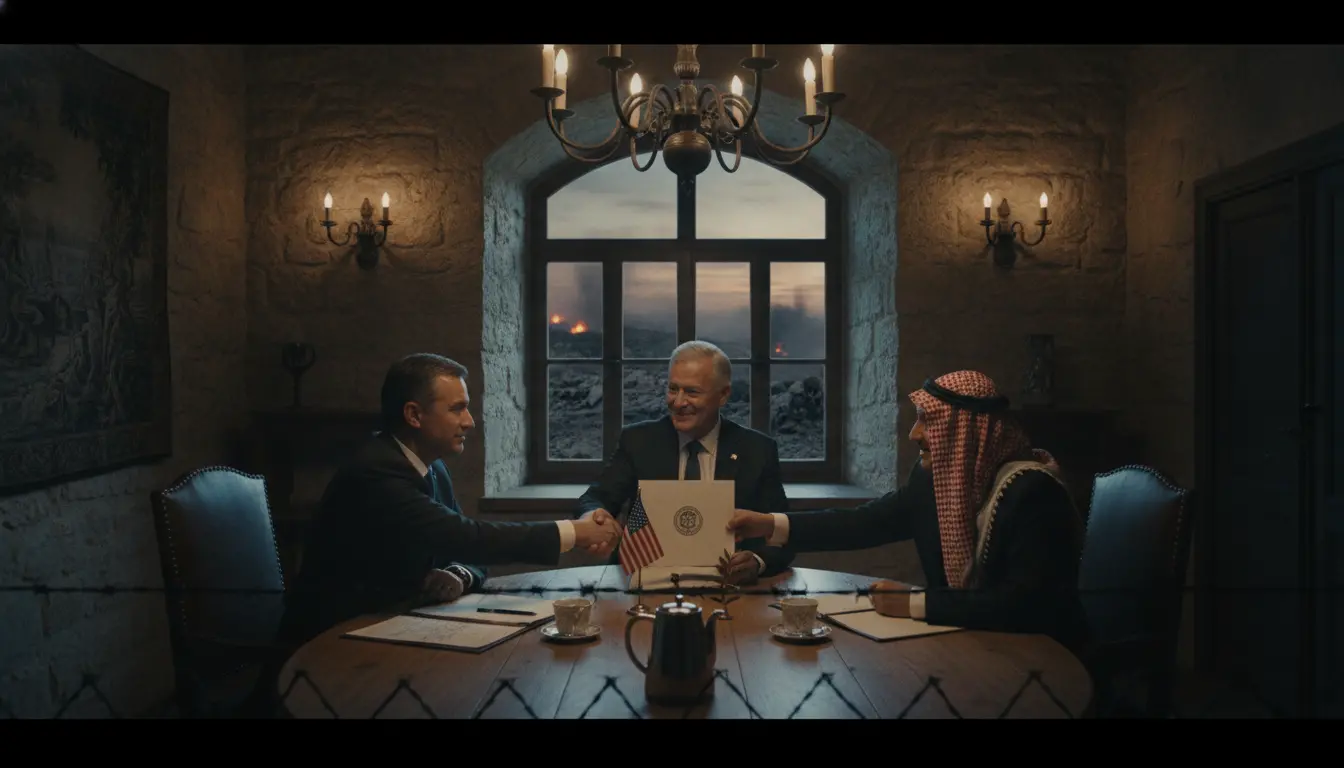
Israel and Lebanon Ink US-Brokered Framework for Peace Talks Amid Ongoing Hostilities
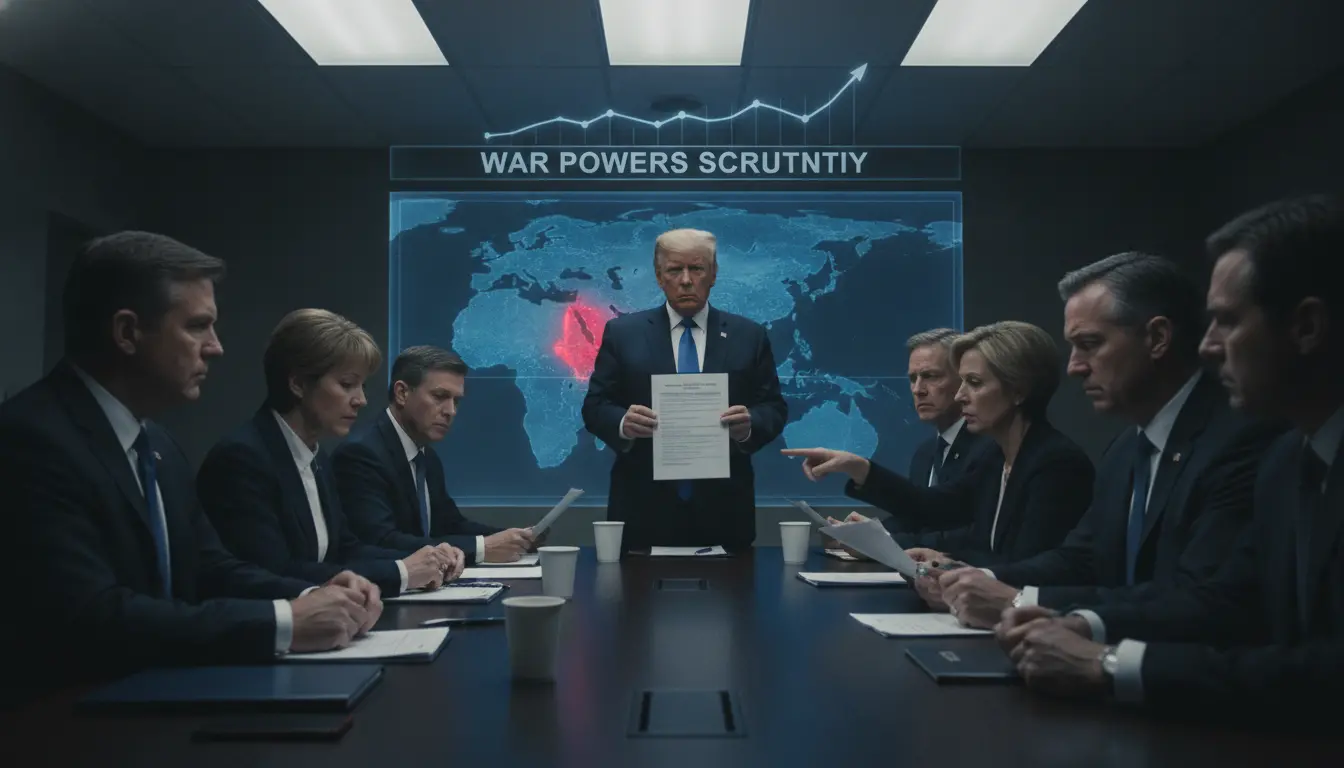
Trump Requests $87.6 Billion for Iran Operations Amidst Growing Congressional Scrutiny Over War Powers
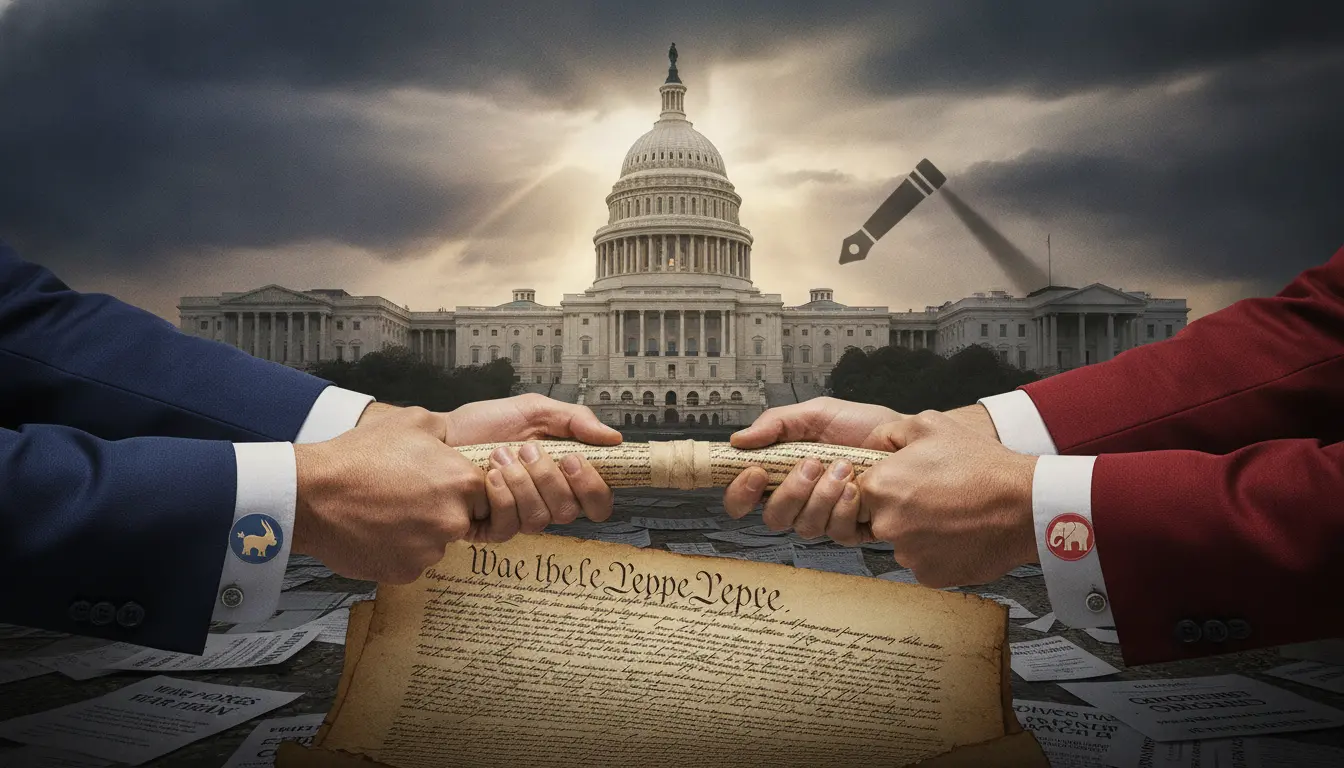
Bipartisan War Powers Resolution on Iran Sets Stage for Contentious Presidential Veto Showdown
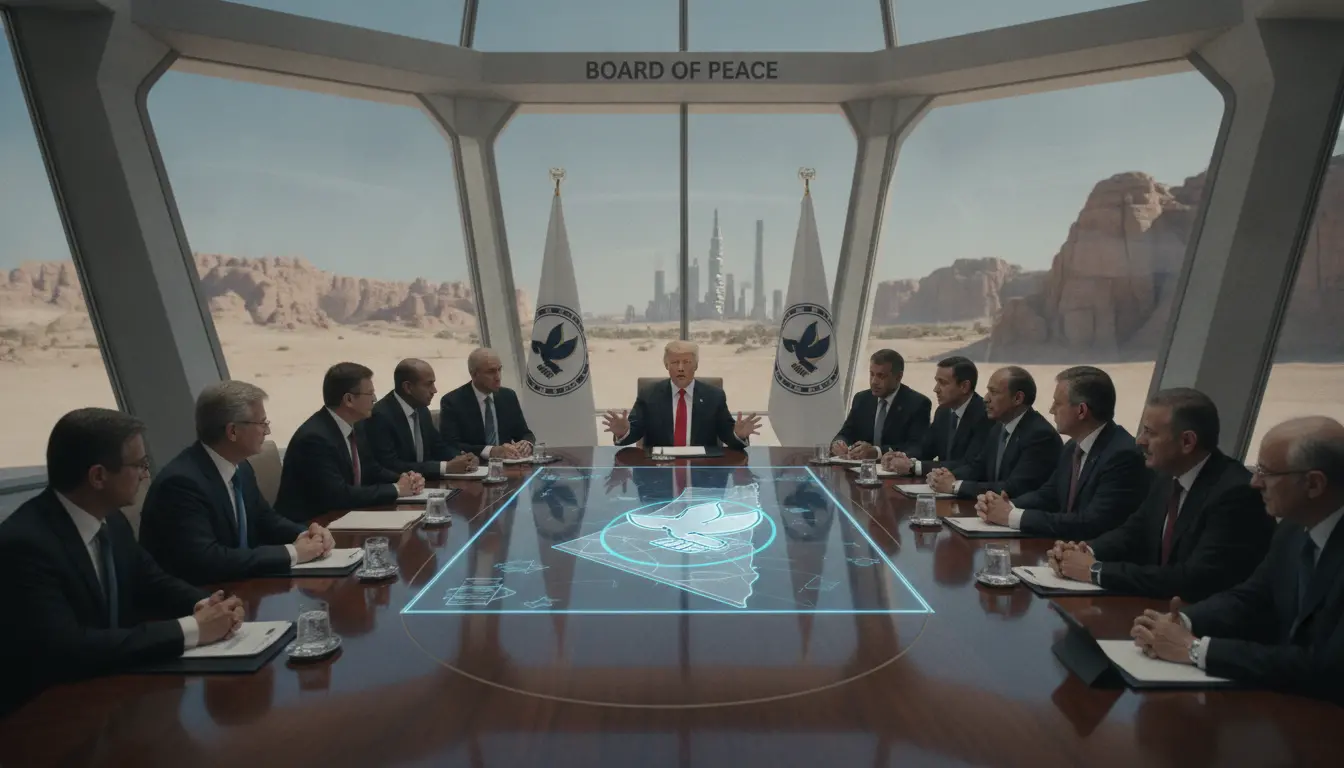
Trump-Backed 'Board of Peace' Initiative Envisions Hamas Disarmament Amidst Deep-Seated Regional Challenges
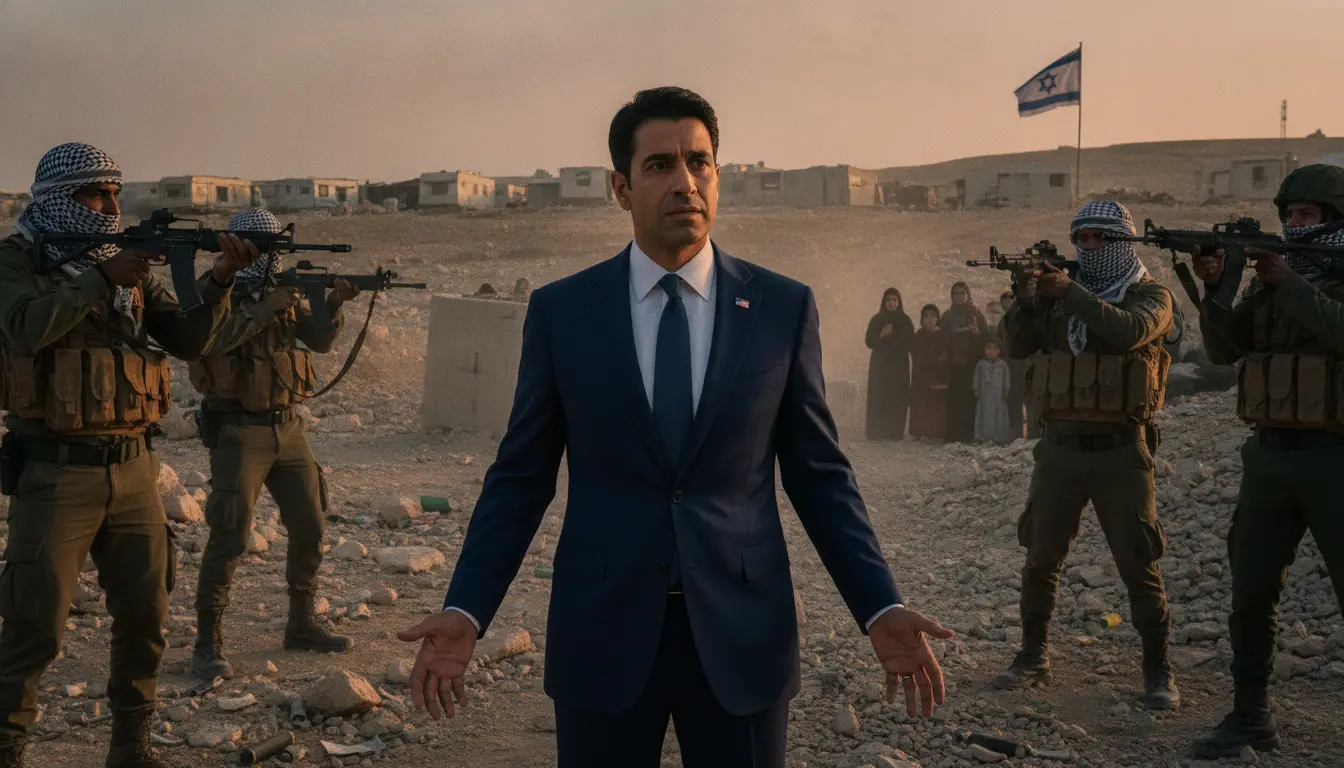
US Congressman Ro Khanna's West Bank Detention Sparks Demands for Settler Accountability
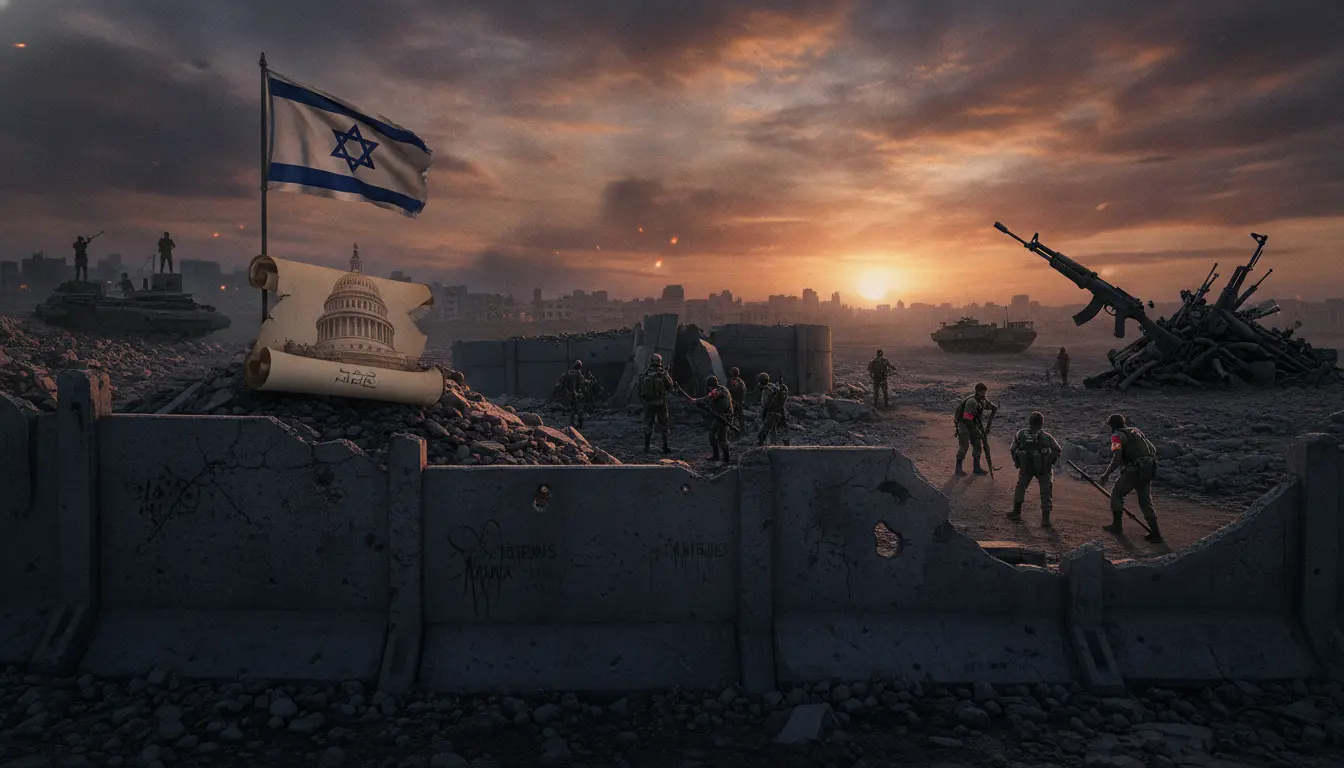
Israel Rejects US Post-Conflict Gaza Plan, Prioritizing Hamas Disarmament