

- News
- Politics
- Trump Requests $87.6 Billion for Iran Operations Amidst Growing Congressional Scrutiny Over War Powers
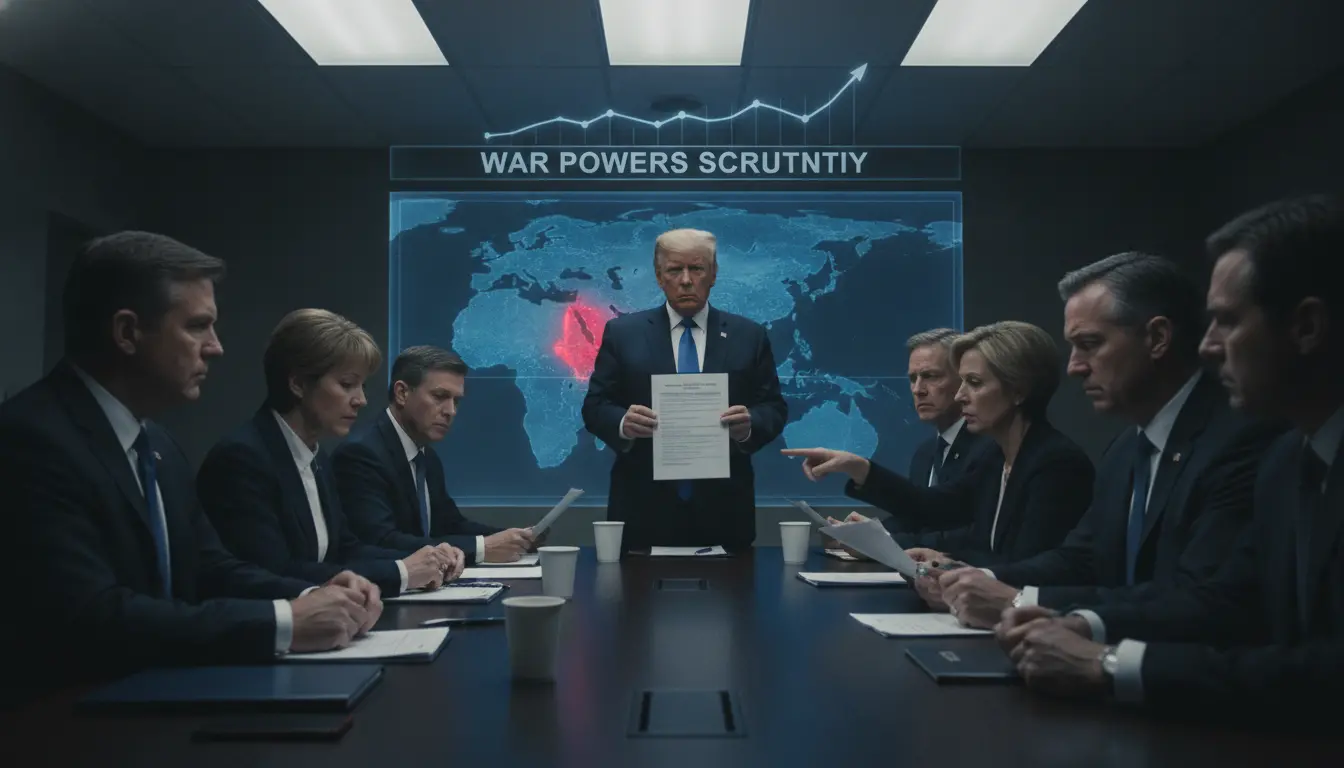
Trump Requests $87.6 Billion for Iran Operations Amidst Growing Congressional Scrutiny Over War Powers
Former President Donald Trump has formally presented a substantial request to the U.S. Congress, seeking an additional $87.6 billion to fund operations related to the ongoing US-Iran conflict. This significant financial ask is poised to ignite a fresh and contentious battle within the legislative branch, particularly given recent congressional efforts to curb the executive's authority in deploying military force without explicit approval. The request underscores the persistent and complex challenges in the U.S. approach to Iran, a dynamic that has long been a flashpoint in Middle East foreign policy.
The proposed allocation, if approved, would represent a massive investment in a region perpetually on edge, where U.S. interests and personnel frequently intersect with Iranian influence, either directly or through proxy forces. While specific line items of the $87.6 billion have not been fully disclosed, such a sum would likely cover a broad spectrum of activities: enhanced military deterrence, intelligence gathering operations, support for regional allies, advanced defensive systems, and potentially escalated responses to perceived Iranian provocations. The sheer scale of the request suggests a strategic vision that anticipates prolonged engagement and significant resource commitment to contain or counter Iranian actions across the Gulf, the Levant, and other critical maritime pathways.
This formidable financial demand comes at a sensitive political juncture, directly following a recent congressional vote aimed at reasserting legislative oversight on presidential war powers. Lawmakers, wary of perceived executive overreach in past military engagements, have increasingly pushed back against presidents unilaterally committing U.S. forces or resources to conflicts without formal declarations or explicit authorizations. This tension highlights a fundamental constitutional debate over the separation of powers concerning war-making authority, a debate that has intensified in recent decades amidst protracted conflicts in the Middle East and evolving threats globally. For many in Congress, the concern is not merely about the specific conflict with Iran but about setting a precedent for executive action that could bypass legislative checks and balances.
Arguments for the funding are likely to center on the imperative of protecting U.S. strategic interests, ensuring the safety of American personnel in the region, and deterring further Iranian aggression which often manifests through support for Houthi rebels, Hezbollah, and other regional militias. Proponents of the allocation would emphasize the need for robust capabilities to counter Iran’s ballistic missile program, its nuclear ambitions, and its asymmetric warfare tactics that threaten international shipping and regional stability. Conversely, opponents will undoubtedly raise concerns about the staggering cost, the potential for mission creep, the lack of a clear exit strategy, and the risk of escalating what is currently a tense but largely contained rivalry into a broader, more direct conflict. Questions will also arise about whether such a massive investment aligns with broader U.S. foreign policy objectives and domestic priorities.
The legislative path for this $87.6 billion request promises to be arduous. It will necessitate intense scrutiny and likely protracted debates across key congressional committees, including Appropriations, Armed Services, and Foreign Relations. Lawmakers on both sides of the aisle, driven by differing geopolitical outlooks, fiscal conservatism, or a desire to assert legislative prerogatives, will dissect every aspect of the proposal. Negotiations will be critical, with potential outcomes ranging from full approval to partial allocation, rejection, or the attachment of specific conditions and oversight mechanisms to any funds disbursed. The outcome of this legislative contest will not only shape the trajectory of U.S. engagement with Iran but also significantly influence the ongoing struggle for power between the executive and legislative branches in matters of national security and foreign policy, with profound implications for regional stability and global dynamics.
Stay Informed. Act Smarter.
Get weekly highlights, major headlines, and expert insights — then put your knowledge to work in our live prediction markets.
Related News
Bipartisan War Powers Resolution on Iran Sets Stage for Contentious Presidential Veto Showdown

Israel Warns US of Alleged Iranian Assassination Plot Against Donald Trump

Renewed US Airstrikes on Iran-Backed Militias Signal Persistent Threat of Escalation in Middle East

Senate Democrats Urge Formal Hearings on Donald Trump's Cryptocurrency Holdings
Federal Scrutiny Mounts Over Donald Trump's Billion-Dollar Cryptocurrency Ventures

Democratic Senators Seek Hearings on Trump's Alleged Crypto Holdings Amid National Security Concerns

Congress Introduces 'AI Kill Switch Act' Granting Executive Authority Over Rogue Systems Following Major Tech Incidents
Speculation Intensifies Over Donald Trump's 2028 Presidential Bid Ahead of Key 2026 Political Crossroads
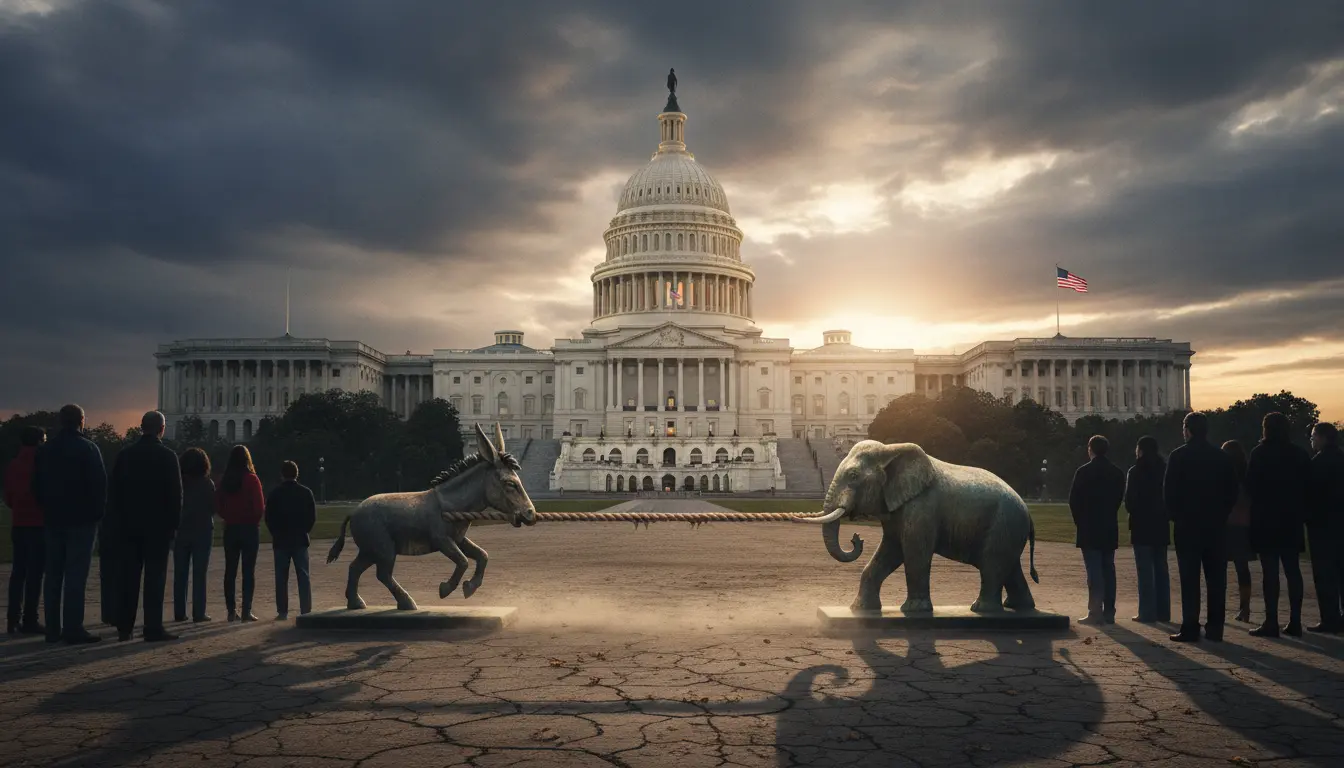
US Political Landscape Girds for Pivotal 2026 Midterm Elections as Control of Congress Hangs in Balance
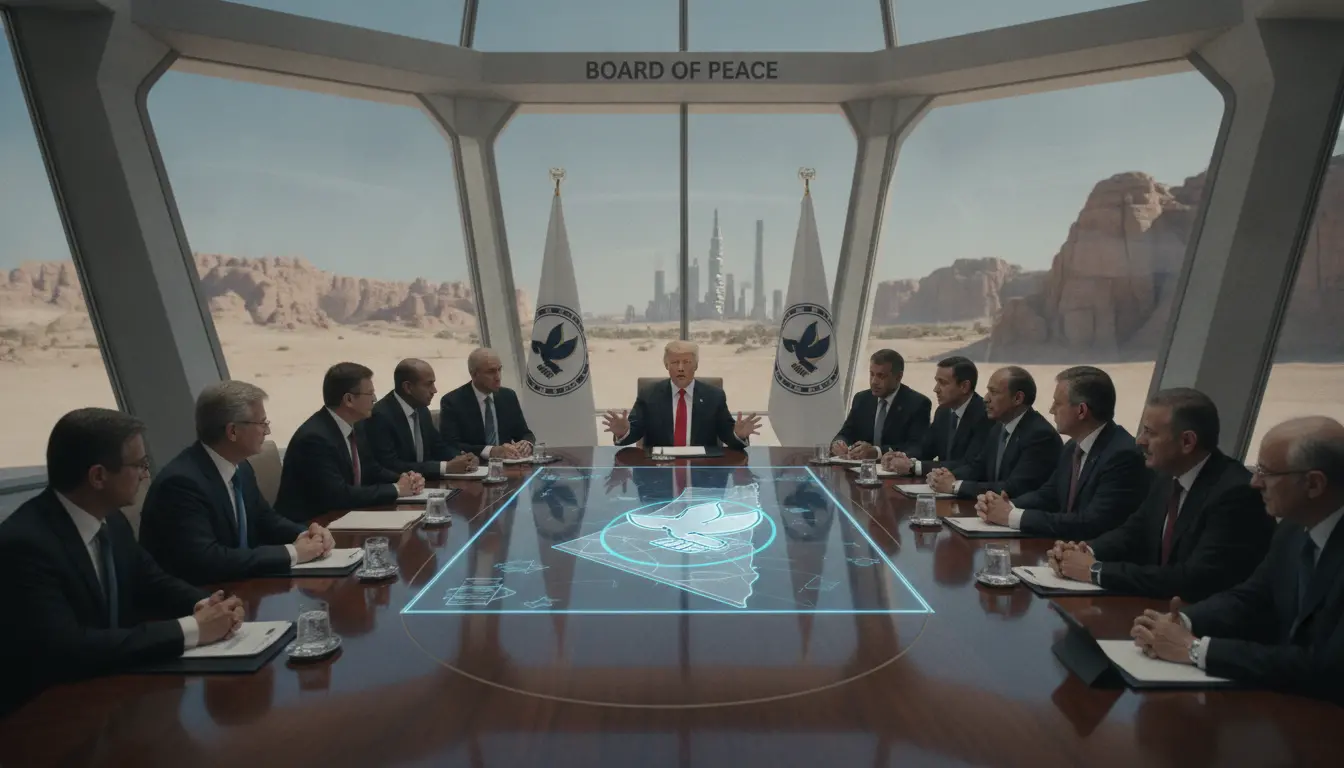
Trump-Backed 'Board of Peace' Initiative Envisions Hamas Disarmament Amidst Deep-Seated Regional Challenges