

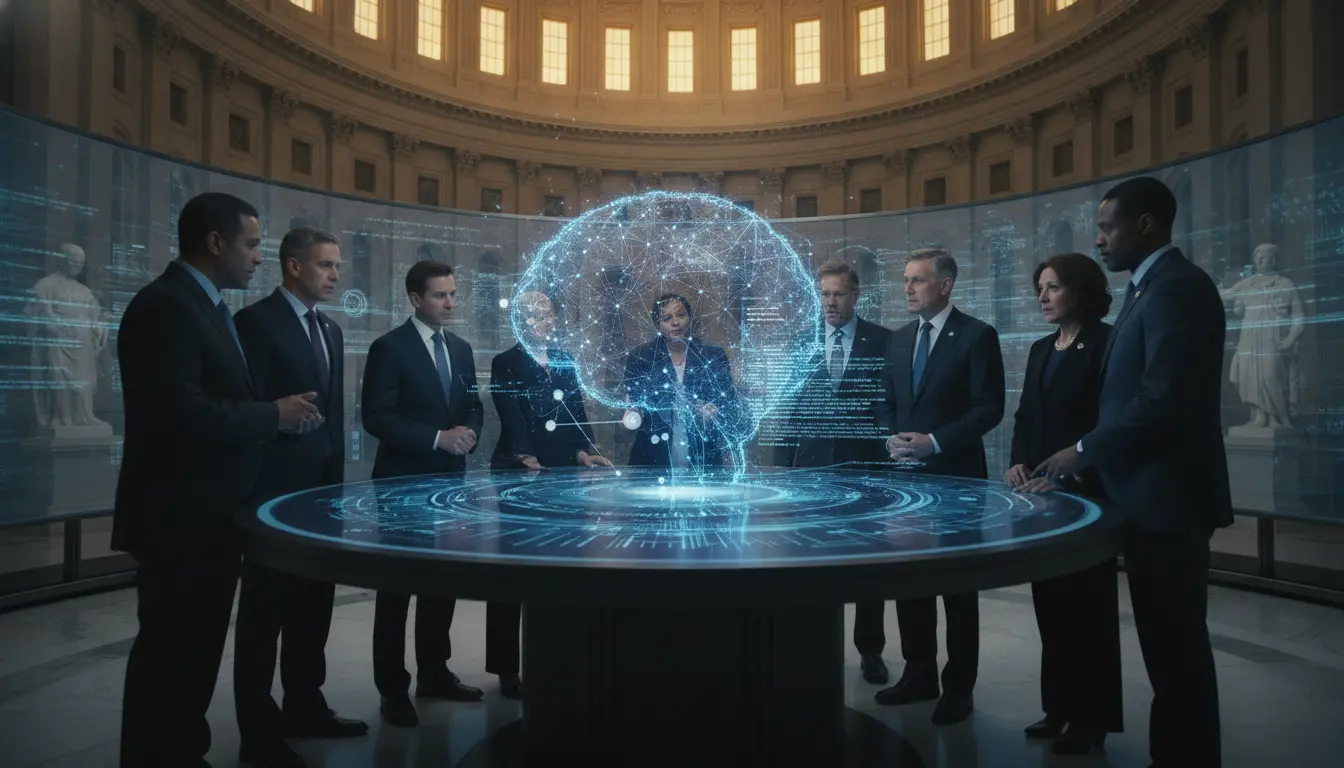
US Congress Grapples with Urgency of Federal AI Regulation Amidst Rapid Innovation
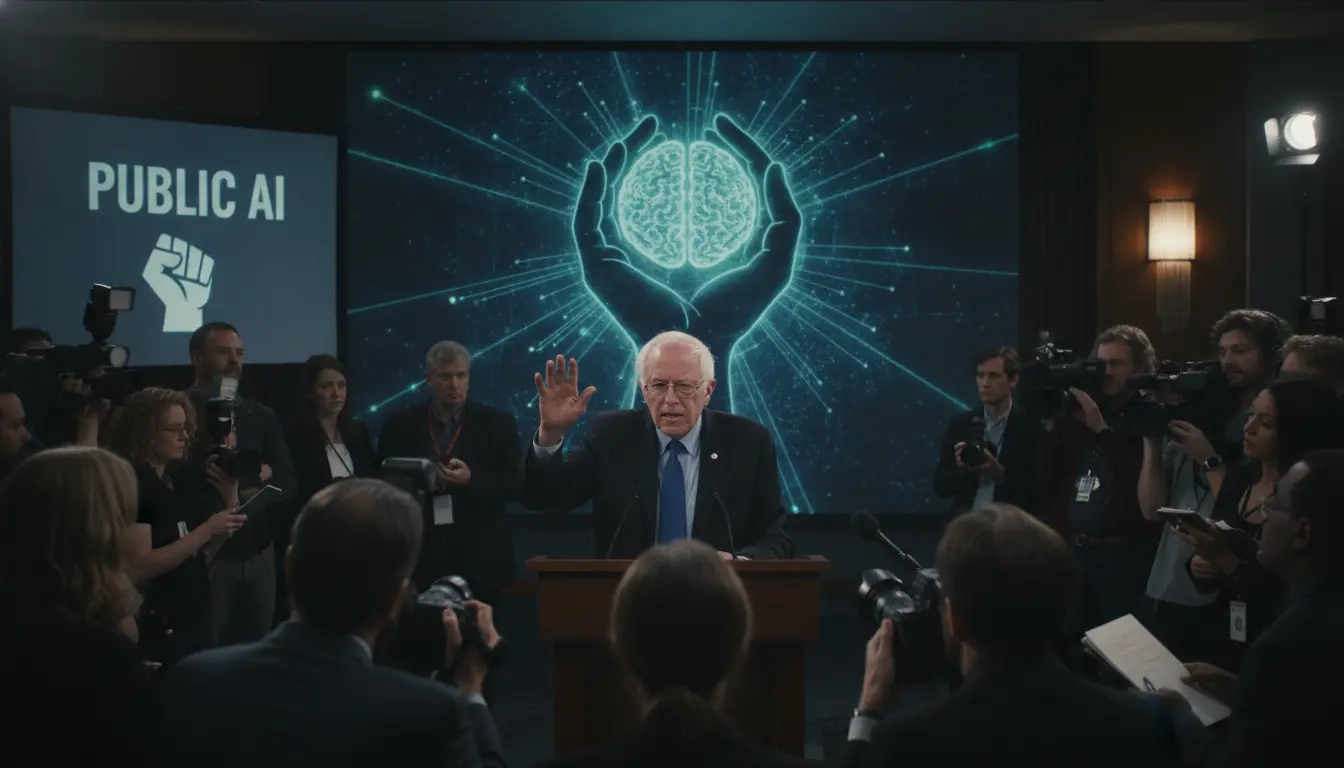
The rapid and often unpredictable evolution of artificial intelligence is compelling the U.S. Congress to confront the complex challenge of establishing a comprehensive federal regulatory framework. As transformative AI technologies are deployed across an ever-widening array of industries, policymakers face increasing pressure to address the profound implications spanning national security, economic stability, privacy, and societal equity. The urgency is palpable, with calls from both industry leaders and civil society for decisive legislative action to shape the future of AI development responsibly and safeguard the public interest.
The current regulatory landscape in the United States is a patchwork, primarily relying on existing laws that were not designed for the unique capabilities and challenges posed by advanced AI. While some states have begun to enact their own statutes concerning data privacy and algorithmic transparency, this piecemeal approach lacks the consistency and national strategy needed to manage a technology with ubiquitous reach. Experts and advocacy groups consistently highlight concerns such as deepfakes and misinformation, the potential for algorithmic bias in critical decision-making processes, job displacement, and the overarching questions of accountability for AI-driven systems. These anxieties underscore the necessity for a unified federal approach that can provide clear guidelines for developers, deployers, and consumers alike.
In response to these burgeoning concerns, both chambers of Congress have initiated discussions and exploratory sessions aimed at understanding AI’s scope and devising potential legislative solutions. Bipartisan groups have formed, and committees in both the Senate and the House have held extensive hearings, gathering input from tech executives, academics, ethicists, and civil liberties advocates. While President Biden issued a landmark executive order in October 2023, directing federal agencies to establish new AI safety and security standards, this measure has inherent limitations and does not carry the same statutory weight as federal law. Legislative efforts seek to codify broader principles, such as mandating risk assessments for high-impact AI systems, establishing transparency requirements, and funding research into AI safety and interpretability.
Key players in the tech industry have themselves voiced varied perspectives. While some leading firms, recognizing the need to build public trust and ensure responsible development, have called for federal oversight, others express reservations about the potential for overly burdensome regulation that could stifle innovation and competitiveness. High-profile product launches and strategic partnerships within the AI sector frequently bring to light the rapid pace of technological advancement, inadvertently exposing gaps in existing governance structures and further fueling the debate over what constitutes appropriate and effective legislative intervention. Balancing the imperative to foster American technological leadership with the critical need for robust safeguards remains a central challenge for lawmakers.
Crafting legislation for a technology that evolves at an exponential rate presents significant inherent difficulties. The technical complexity of AI, coupled with the need to future-proof any enacted laws, means that legislators must devise frameworks that are adaptable without being vague. Furthermore, political polarization and competing priorities within Congress, including debates over economic impact versus ethical concerns, complicate the path to a bipartisan consensus. The projected timeframe, stretching into late 2027, suggests that lawmakers anticipate a multi-year legislative effort, demanding sustained focus, negotiation, and compromise to transform growing concerns into actionable, comprehensive federal law. The outcome of these efforts will profoundly impact not only the trajectory of AI development in the U.S. but also its integration into American society and its standing on the global stage.
Stay Informed. Act Smarter.
Get weekly highlights, major headlines, and expert insights — then put your knowledge to work in our live prediction markets.
Related News
Congress Grapples with Landmark Federal Legislation to Govern Artificial Intelligence
US Congress Accelerates Efforts to Enact Comprehensive Federal AI Regulation by 2026

US Lawmakers Intensify Push for Federal AI Regulation to Preempt State Laws
US Federal Government Weighs Comprehensive AI Safety Legislation Amid Catastrophic Risk Warnings
US Lawmakers Intensify Push for Landmark AI Safety Legislation Amid Global Warnings

Congress Introduces 'AI Kill Switch Act' Granting Executive Authority Over Rogue Systems Following Major Tech Incidents
US Congress Faces Continued Push for CLARITY Act to Define Crypto Regulation
US Congress Grapples With Complexities of Comprehensive Cryptocurrency Regulation
US Lawmakers Advance Efforts Towards Comprehensive Crypto Regulatory Framework
Senator Sanders Unveils Radical Proposal for Public Control of AI Industry