

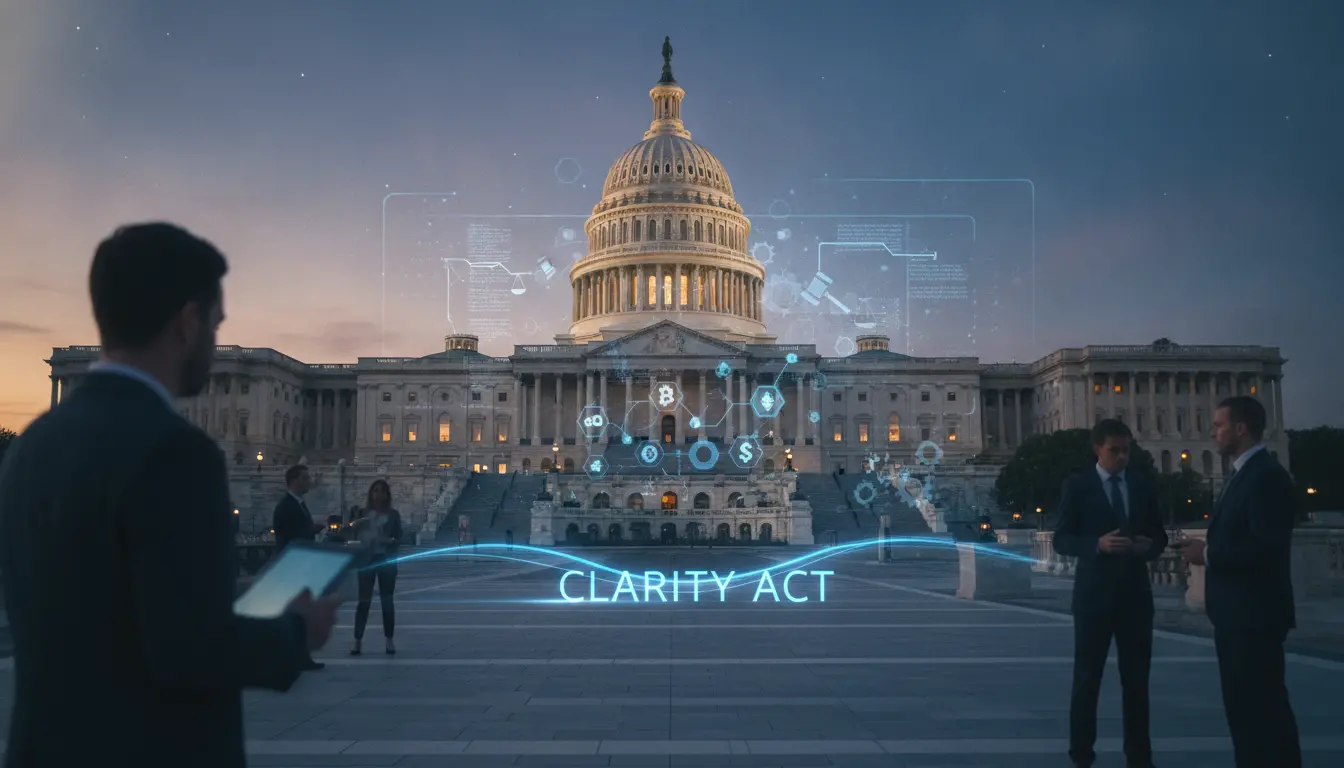
US Lawmakers Advance Efforts Towards Comprehensive Crypto Regulatory Framework
Washington D.C. is witnessing a renewed legislative push to establish a clear regulatory framework for digital assets, with a proposed measure, often referred to as the “Clarity Act,” at the forefront of discussions. The initiative seeks to provide much-needed certainty to the burgeoning cryptocurrency industry in the United States, which has long grappled with an ambiguous and often conflicting regulatory environment. Industry stakeholders, innovators, and investors are closely watching these developments, hoping for a definitive legislative solution that could unlock further growth and solidify the nation's position in the global digital economy.
The current regulatory landscape in the U.S. is characterized by a patchwork approach, with various agencies asserting jurisdiction over different aspects of digital assets. The Securities and Exchange Commission (SEC) generally views many cryptocurrencies as securities, leading to enforcement actions against numerous projects and platforms. Conversely, the Commodity Futures Trading Commission (CFTC) has asserted authority over certain digital assets as commodities, particularly Bitcoin and Ethereum. This jurisdictional overlap and lack of clear definitions have created significant challenges for companies operating in the space, hindering innovation and driving some businesses overseas. The industry has consistently advocated for a unified approach that clearly delineates which assets fall under which regulatory body and how they should be treated.
The proposed Clarity Act, or similar legislative efforts, aims to address these fundamental issues by establishing a comprehensive set of rules. Key provisions typically discussed in such legislation include defining different types of digital assets—distinguishing between securities, commodities, and other categories—and assigning clear jurisdictional authority to the relevant agencies. This would ideally provide a predictable legal environment for developers, exchanges, and investors, fostering innovation while ensuring robust consumer protection. Advocates argue that such a framework is crucial for the U.S. to remain competitive with other jurisdictions, like the European Union, which have already begun implementing their own comprehensive crypto regulations.
However, the path to legislative consensus in Washington remains fraught with challenges. Bipartisan agreement on complex financial regulation is notoriously difficult to achieve, especially in a politically charged environment. Differences in opinion persist regarding the appropriate level of oversight, the balance between innovation and investor protection, and the specific mechanisms for defining and regulating various digital assets. While some lawmakers emphasize the need for robust consumer safeguards and market integrity, others prioritize fostering technological advancement and ensuring the U.S. does not fall behind in the global race for crypto leadership. Lobbying efforts from the crypto industry have intensified, seeking to educate lawmakers and build support for proposals that align with their vision of a clear and supportive regulatory regime.
The discussions around a comprehensive crypto bill also come at a critical juncture, with an upcoming election cycle potentially shifting political priorities and leadership. The legislative calendar for the remainder of the current term is tight, and securing floor time for a complex bill requires significant political will and alignment. Historically, major financial reforms have taken considerable time to navigate the committee process, build coalition support, and ultimately pass both chambers of Congress before potentially reaching the President's desk. The sheer breadth of the digital asset industry, from stablecoins to NFTs and DeFi protocols, adds layers of complexity to drafting legislation that is both effective and future-proof.
Should a version of the Clarity Act successfully pass before the end of 2026, its impact on the U.S. crypto ecosystem would be profound. It could usher in a new era of institutional adoption, attract greater investment, and provide a stable foundation for the development of new blockchain technologies. Regulatory clarity is often cited as the single most important factor for many traditional financial institutions to fully enter the digital asset space. Conversely, a continued lack of definitive rules risks further stagnation, potential capital flight, and a missed opportunity for the U.S. to lead in a rapidly evolving technological frontier. The coming months will be critical in determining whether lawmakers can bridge their differences and deliver a cohesive framework that charts a clear course for digital assets.
Ultimately, the outcome hinges on the political will to prioritize digital asset legislation amidst a crowded congressional agenda and the ability of lawmakers to forge a bipartisan path forward. The industry's calls for clarity are louder than ever, and the economic stakes for innovation and global competitiveness are substantial. Whether the necessary legislative hurdles can be overcome by the 2026 deadline remains a subject of intense debate and strategic maneuvering within the corridors of power in Washington.
Stay Informed. Act Smarter.
Get weekly highlights, major headlines, and expert insights — then put your knowledge to work in our live prediction markets.
Related News
US Congress Weighs Passage of Pivotal Crypto Clarity Act Amid Regulatory Push
US Congress Faces Continued Push for CLARITY Act to Define Crypto Regulation
Momentum Builds for Landmark Crypto Bill as Bipartisan Push Faces Uphill Battle in Congress
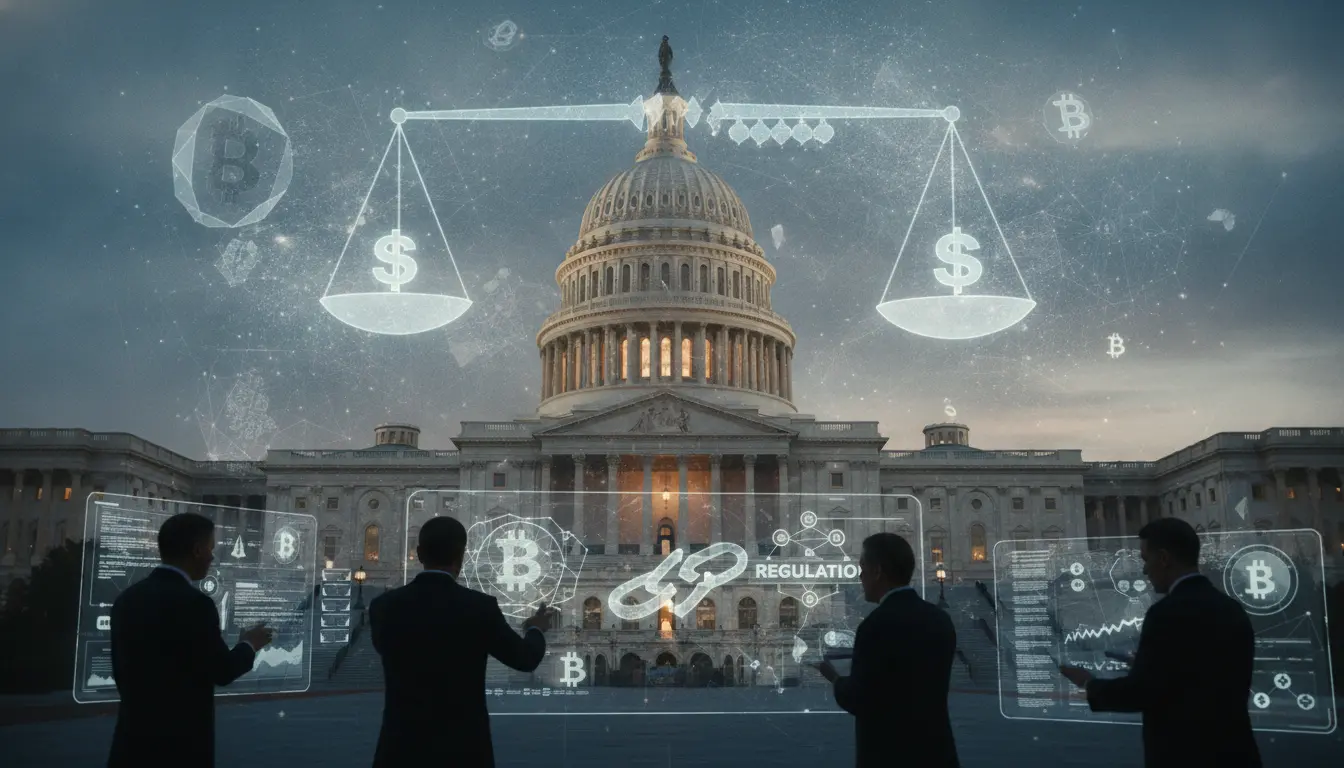
US Congress Grapples With Complexities of Comprehensive Cryptocurrency Regulation
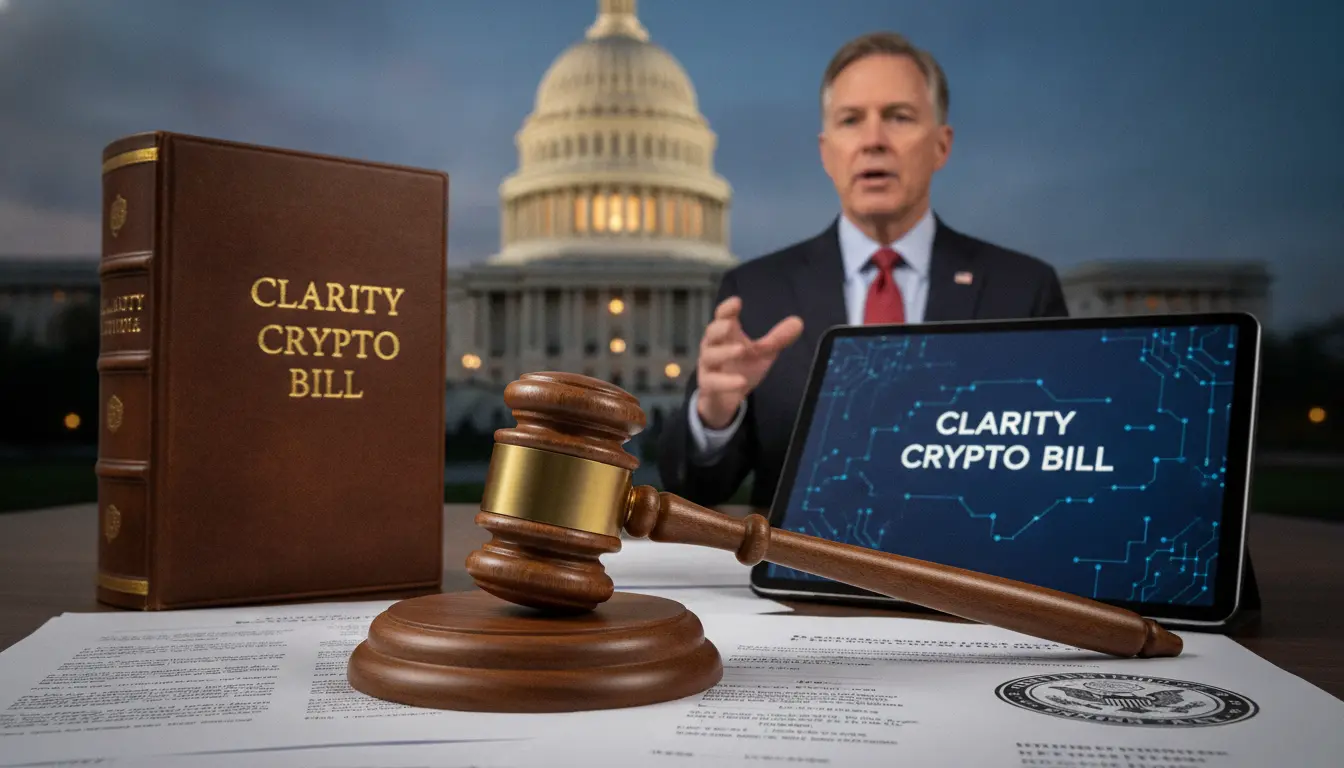
CLARITY Crypto Bill Poised for US Senate Vote, Senator Scott Confirms

Outpoll Weekly Recap: Crypto (August 3 – 9, 2026)

U.S. SEC Poised to Unveil Sweeping 'Reg Crypto' Framework for Digital Assets
US Congress Accelerates Efforts to Enact Comprehensive Federal AI Regulation by 2026
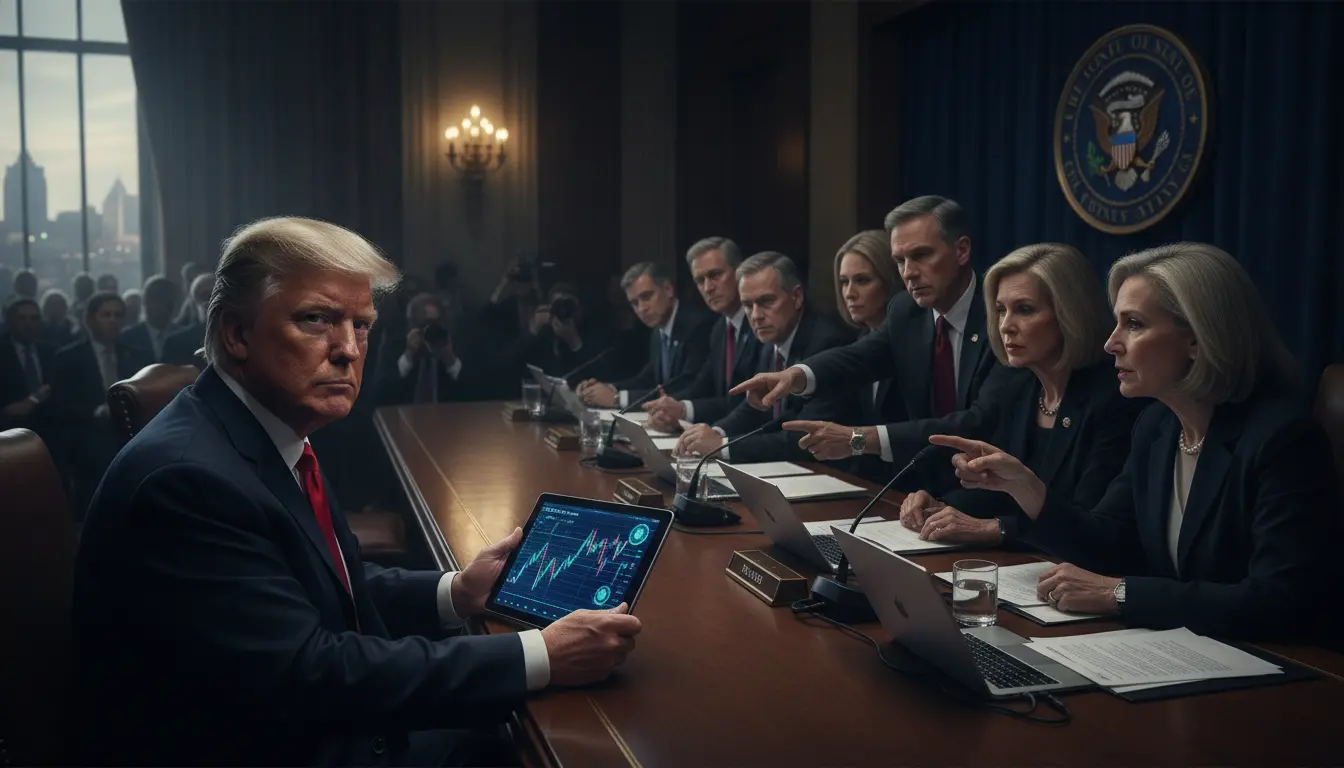
Senate Democrats Urge Formal Hearings on Donald Trump's Cryptocurrency Holdings

US Lawmakers Intensify Push for Federal AI Regulation to Preempt State Laws