

- News
- Crypto
- Momentum Builds for Landmark Crypto Bill as Bipartisan Push Faces Uphill Battle in Congress
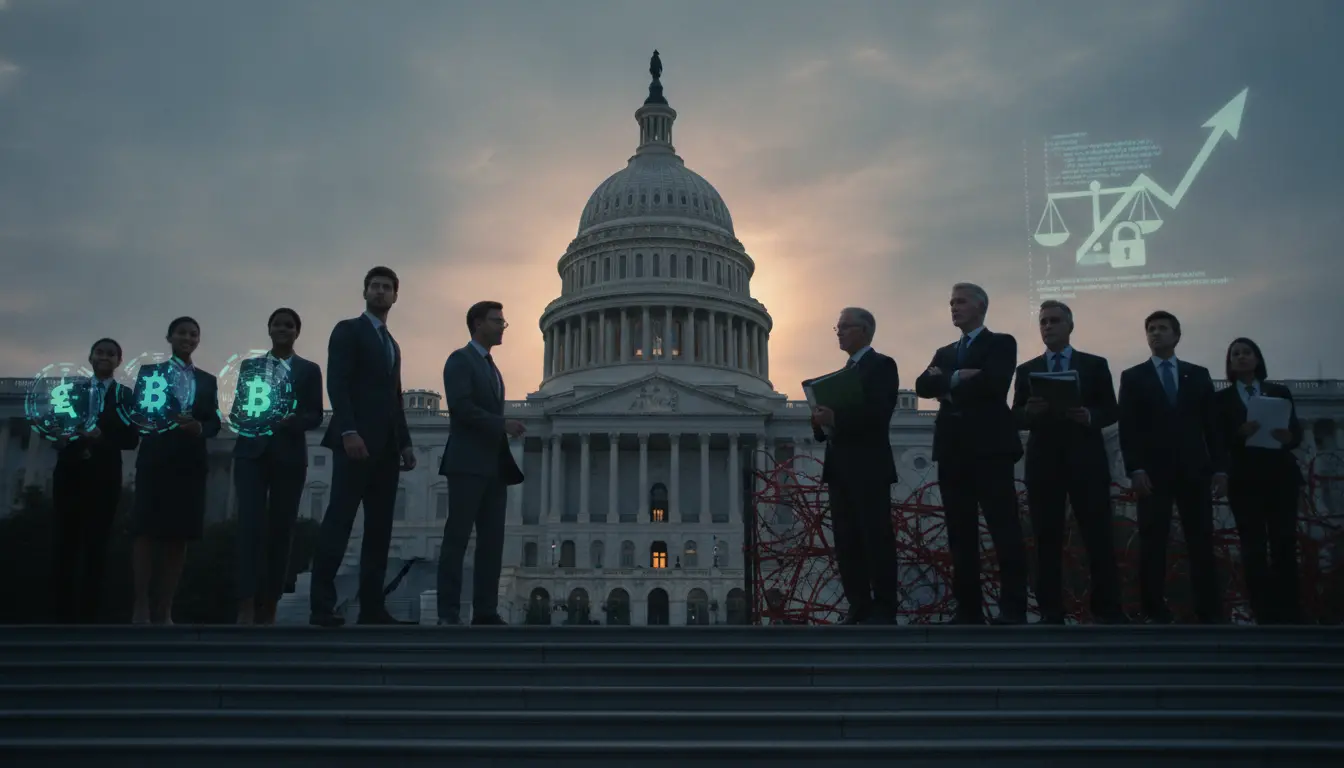
Momentum Builds for Landmark Crypto Bill as Bipartisan Push Faces Uphill Battle in Congress
WASHINGTON – A significant, bipartisan effort to establish a comprehensive regulatory framework for the digital asset industry in the United States is gaining momentum on Capitol Hill, yet it faces a perilous path through a divided Congress and a crowded legislative calendar. Proponents argue that passing landmark legislation, often referred to under the umbrella of providing “clarity,” is essential for cementing American leadership in financial technology, protecting consumers, and ending the regulatory ambiguity that has plagued the sector for years. However, entrenched political divisions and competing national priorities threaten to derail the initiative, leaving the future of crypto in the U.S. hanging in the balance.
The push for a clear set of rules comes after years of a contentious “regulation by enforcement” approach, primarily led by the Securities and Exchange Commission (SEC). The current legal landscape is a confusing patchwork, forcing digital asset companies to navigate conflicting guidance from various agencies, including the SEC and the Commodity Futures Trading Commission (CFTC). This uncertainty has resulted in high-profile lawsuits against major industry players like Coinbase and Ripple, creating a chilling effect on innovation and reportedly driving some businesses to more crypto-friendly jurisdictions overseas. The core of the debate centers on a fundamental question: are most digital assets securities, subject to the SEC's stringent disclosure rules, or are they commodities, which would fall under the CFTC's purview?
At the forefront of the legislative charge are several key proposals, most notably the Financial Innovation and Technology for the 21st Century Act (FIT21). This bill, which passed the House of Representatives with surprising bipartisan support, aims to provide clear jurisdictional lines, assigning the CFTC primary oversight of digital commodities while leaving digital securities to the SEC. Another foundational effort has been the framework proposed by Senators Cynthia Lummis (R-WY) and Kirsten Gillibrand (D-NY), which addresses everything from stablecoin issuance and consumer protection to the tax treatment of digital assets. These bills are designed to create a bespoke regulatory regime that acknowledges the unique nature of blockchain technology, rather than forcing it into legal frameworks designed for traditional finance nearly a century ago.
The coalition supporting this legislative push is broad, encompassing not only crypto-native companies and venture capitalists but also an increasing number of mainstream financial institutions and advocacy groups. They argue that a clear framework would unlock investment, foster responsible innovation, and provide robust consumer protections that are currently lacking. However, the opposition remains formidable. A powerful contingent of lawmakers, led by figures like Senator Elizabeth Warren (D-MA), along with SEC Chair Gary Gensler, contend that existing securities laws are sufficient to police the crypto industry. They view the sector as rife with fraud and risk, arguing that new legislation could weaken investor protections and legitimize a volatile and speculative market.
Despite the House passage of FIT21, the bill's prospects in the Senate are far from certain. The Senate has its own legislative priorities, and the chamber's leadership has yet to commit to bringing a comprehensive crypto bill to a vote. With a presidential election cycle intensifying political polarization, the window for passing complex, bipartisan legislation is rapidly closing. Any delays could push the debate into the next Congress, forcing lawmakers to restart the entire process under a potentially different political alignment.
The stakes extend far beyond the crypto industry itself. Proponents warn that continued regulatory inaction could cede the future of Web3 and the next generation of the internet to other nations in Europe and Asia that are moving quickly to implement their own clear digital asset frameworks. For the United States, the question is not merely how to regulate cryptocurrencies, but whether it will create an environment that allows it to remain at the forefront of global financial innovation. As the legislative clock ticks down, the pressure is mounting on Congress to provide an answer.
Stay Informed. Act Smarter.
Get weekly highlights, major headlines, and expert insights — then put your knowledge to work in our live prediction markets.
Related News
US Congress Grapples With Complexities of Comprehensive Cryptocurrency Regulation
US Lawmakers Advance Efforts Towards Comprehensive Crypto Regulatory Framework
US Congress Faces Continued Push for CLARITY Act to Define Crypto Regulation
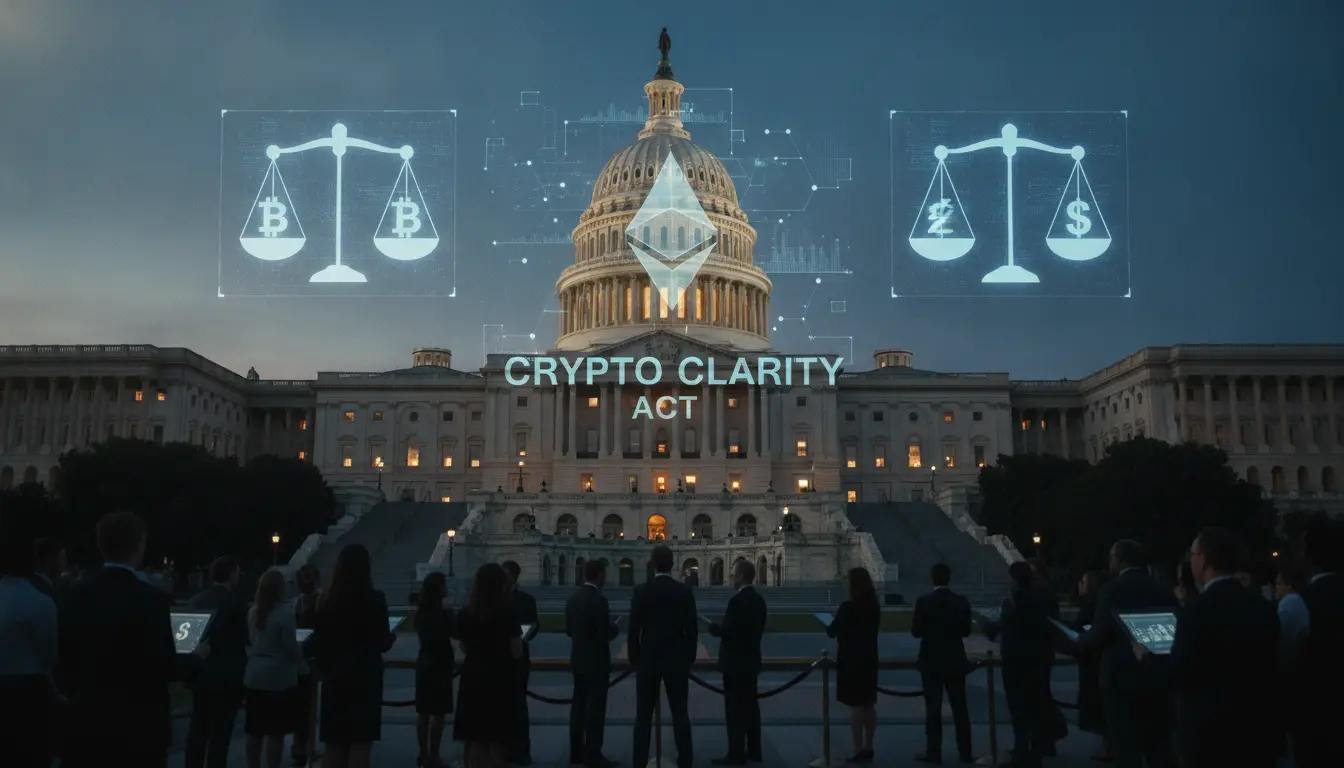
US Congress Weighs Passage of Pivotal Crypto Clarity Act Amid Regulatory Push

Outpoll Weekly Recap: Crypto (August 3 – 9, 2026)
CLARITY Crypto Bill Poised for US Senate Vote, Senator Scott Confirms

U.S. SEC Poised to Unveil Sweeping 'Reg Crypto' Framework for Digital Assets
Congress Grapples with Landmark Federal Legislation to Govern Artificial Intelligence

US Lawmakers Intensify Push for Landmark AI Safety Legislation Amid Global Warnings

US Lawmakers Intensify Push for Federal AI Regulation to Preempt State Laws