


Outpoll Weekly Recap: Crypto (August 3 – 9, 2026)
The crypto world often feels like a constant ebb and flow of innovation, speculation, and regulatory uncertainty. This past week, however, saw a significant surge toward resolution on the latter, as the long-awaited CLARITY Crypto Bill moved firmly into the spotlight, poised for a crucial vote in the US Senate. Senator Scott’s confirmation that the bill is ready for floor consideration was not merely a headline; it was the defining moment of the week, sending a ripple of anticipation and cautious optimism through an industry that has for too long navigated a patchwork of state-level rules and conflicting federal guidance.
For years, the digital asset ecosystem in the United States has operated under a cloud of ambiguity. Innovators have struggled to build and scale within a legal framework that often treats novel digital assets with legacy financial regulations, leading to a constant threat of enforcement actions and a chilling effect on development. The CLARITY Bill, as its name suggests, aims to dispel much of this fog. While its full text is comprehensive, the core intention is to provide a unified regulatory framework, delineating clear jurisdictional boundaries between agencies like the Securities and Exchange Commission (SEC) and the Commodity Futures Trading Commission (CFTC), and establishing clear definitions for various digital assets. This distinction – whether an asset is a security, a commodity, or a new category altogether – has been the industry’s most persistent headache, dictating everything from listing requirements to investor protections.
The significance of this development cannot be overstated. Should the CLARITY Bill pass the Senate, it would mark a monumental shift from reactive enforcement to proactive regulation, potentially unlocking institutional capital that has remained on the sidelines awaiting a predictable legal landscape. Venture capital funds, hesitant to invest heavily in US-based crypto projects due to regulatory risks, could find renewed confidence. Furthermore, consumer protection standards, often criticized as insufficient in the nascent crypto space, are expected to be significantly bolstered, which could foster broader mainstream adoption. The bipartisan support hinted at by its progress to a Senate vote also signals a maturing understanding in Washington of crypto’s integral, and increasingly undeniable, role in the future of finance.
However, the path forward is rarely without its complexities. While the industry largely welcomes the prospect of clarity, debates persist over the specific contours of the proposed framework. Questions surrounding the regulatory treatment of decentralized autonomous organizations (DAOs), the future of stablecoin oversight beyond what might be explicitly covered, and the precise definitions that will withstand future technological advancements remain subjects of vigorous discussion. Even if passed by the Senate, the bill would still face potential reconciliation with any differing House version or further refinement before reaching the President’s desk. The coming vote is therefore not an end point, but a critical inflection point, setting the stage for the next phase of legislative action and industry adaptation.
This legislative momentum in the US is also being watched keenly across the globe. As other major economies, from the European Union with MiCA to various Asian nations, forge ahead with their own comprehensive digital asset frameworks, the US has been perceived by some as lagging. The CLARITY Bill, if successful, could reassert American leadership in fostering responsible innovation within the digital asset space, potentially setting international precedents or at least influencing global best practices. It's a race not just for technological supremacy, but for regulatory foresight, and this week signaled the US is finally picking up the pace.
Looking ahead, all eyes will naturally be on the Senate floor. The outcome of the vote will dictate not only the immediate market reaction but also the long-term trajectory for crypto innovation and adoption within the United States. Should the bill pass, the industry will pivot from advocating for clarity to diligently interpreting and implementing the new rules. If it falters, the frustrating cycle of uncertainty could continue, potentially driving innovation offshore. Regardless of the immediate result, this week underscored that crypto regulation has definitively moved from a niche concern to a mainstream political priority, promising an eventful remainder of 2026 for digital asset stakeholders worldwide.
Stay Informed. Act Smarter.
Get weekly highlights, major headlines, and expert insights — then put your knowledge to work in our live prediction markets.
Related News
CLARITY Crypto Bill Poised for US Senate Vote, Senator Scott Confirms
US Congress Faces Continued Push for CLARITY Act to Define Crypto Regulation
US Lawmakers Advance Efforts Towards Comprehensive Crypto Regulatory Framework
US Congress Weighs Passage of Pivotal Crypto Clarity Act Amid Regulatory Push
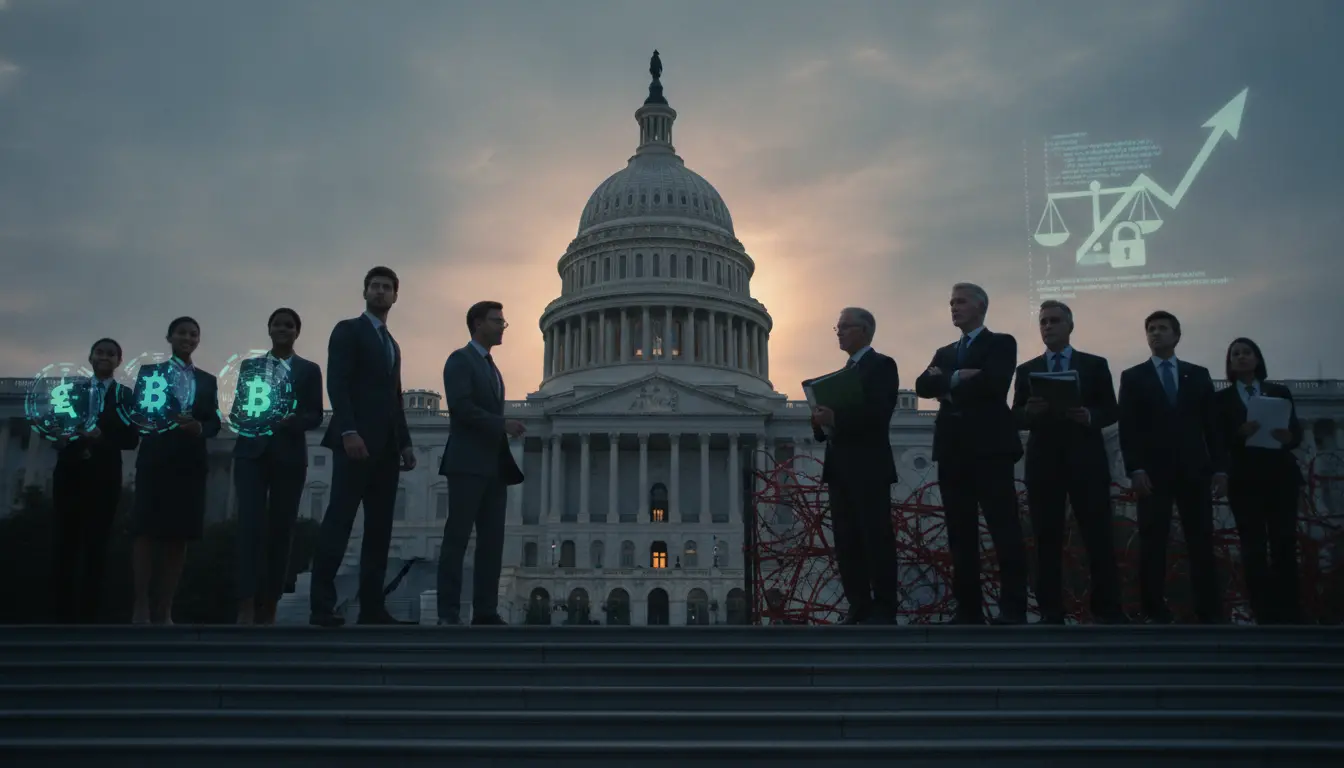
Momentum Builds for Landmark Crypto Bill as Bipartisan Push Faces Uphill Battle in Congress

U.S. SEC Poised to Unveil Sweeping 'Reg Crypto' Framework for Digital Assets
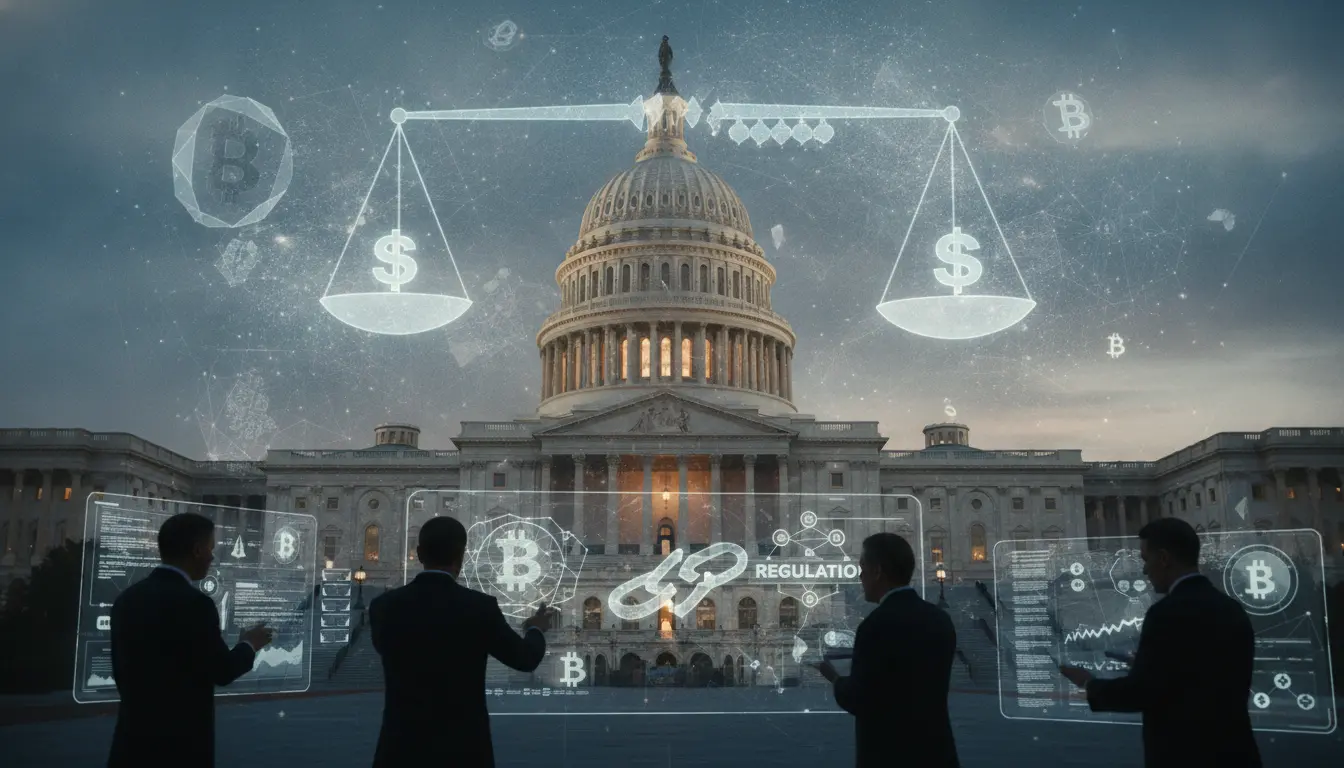
US Congress Grapples With Complexities of Comprehensive Cryptocurrency Regulation

Outpoll Weekly Recap: Politics (July 6 – 12, 2026)

Senate Democrats Urge Formal Hearings on Donald Trump's Cryptocurrency Holdings

Outpoll Weekly Recap: Science (June 22 – 28, 2026)