

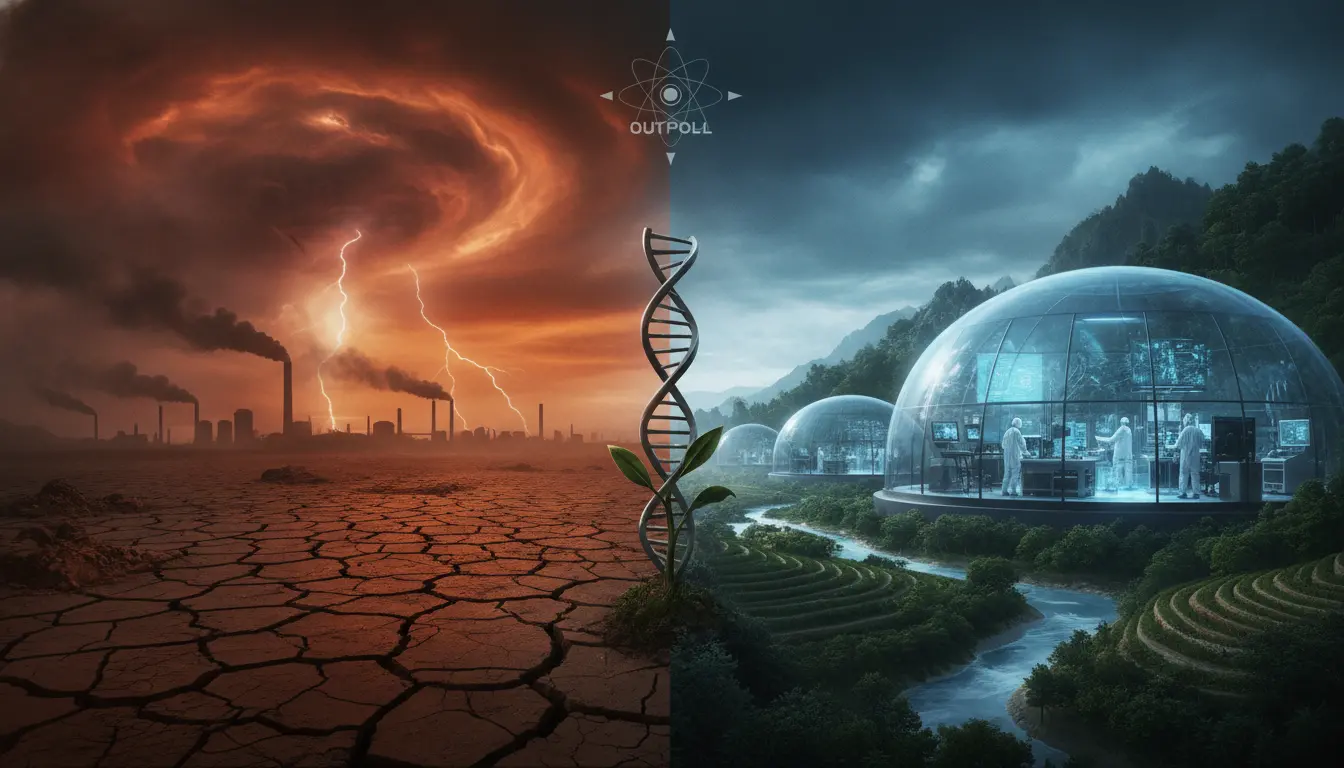
Outpoll Weekly Recap: Science (June 22 – 28, 2026)
This week in science felt like someone turned up the gravity on the entire cosmos. First up, NASA’s Perseverance rover finally closed in on a sequence of layered sedimentary rock at the edge of Jezero Crater that mission leads are calling ‘the stratigraphic equivalent of a paperback thriller.’ Every new image sent back from the delta hints at organic compounds that, if confirmed, would rewrite the timeline for Martian habitability. Meanwhile, over at CERN, the LHCb collaboration dropped a preliminary result suggesting a tiny but statistically stubborn deviation in how beauty quarks decay compared to Standard Model predictions. The data isn’t strong enough to claim a new particle yet—think of it as a knock on the door that might lead to a new wing of physics—but it has theorists sharpening their pencils and experimentalists planning longer runs. Closer to home (and perhaps more viscerally relevant), a coalition of climate scientists from NOAA and the Met Office released a sobering mid-year update: five of the last six months have set global average temperature records, and this June is on track to be the warmest ever logged in the Atlantic basin. That’s not just a line on a graph; it means marine heatwaves are already bleaching coral reefs off Australia and Florida, while farmers in the Midwest are staring down the longest early-season dry spell since the Dust Bowl. In biotech, a Phase II trial for a CRISPR-based therapy aimed at correcting a common form of inherited blindness (Leber congenital amaurosis) reported that seven out of twelve patients regained measurable light perception within six months—a result that feels less like science fiction and more like the first successful draft of a new chapter in gene editing. On the prediction markets, the buzz centered on fusion energy milestones: the probability that a private fusion startup would achieve net-positive energy before 2028 jumped to 23%, fueled by a series of technical demonstrations from Commonwealth Fusion Systems involving their new high-temperature superconducting magnets. All of this unfolds against the quiet hum of deep-time questions: are we alone? Can we bend physics just enough to sustain civilization? And how many more heat records will we break before the political winds shift? The universe doesn’t seem to be slowing down, and neither should our curiosity.
Stay Informed. Act Smarter.
Get weekly highlights, major headlines, and expert insights — then put your knowledge to work in our live prediction markets.
Related News

Outpoll Weekly Recap: Other (June 29 – July 5, 2026)
Outpoll Weekly Recap: Politics (July 6 – 12, 2026)

Outpoll Weekly Recap: AI (June 22 – 28, 2026)
Outpoll Weekly Recap: Other (June 22 – 28, 2026)
Outpoll Weekly Recap: Crypto (August 3 – 9, 2026)

Will a verifiable AI-generated deepfake significantly impact the outcome of a US federal election in 2026?

Will an official investigation confirm Russia fired warning shots in the English Channel by July 17, 2026?
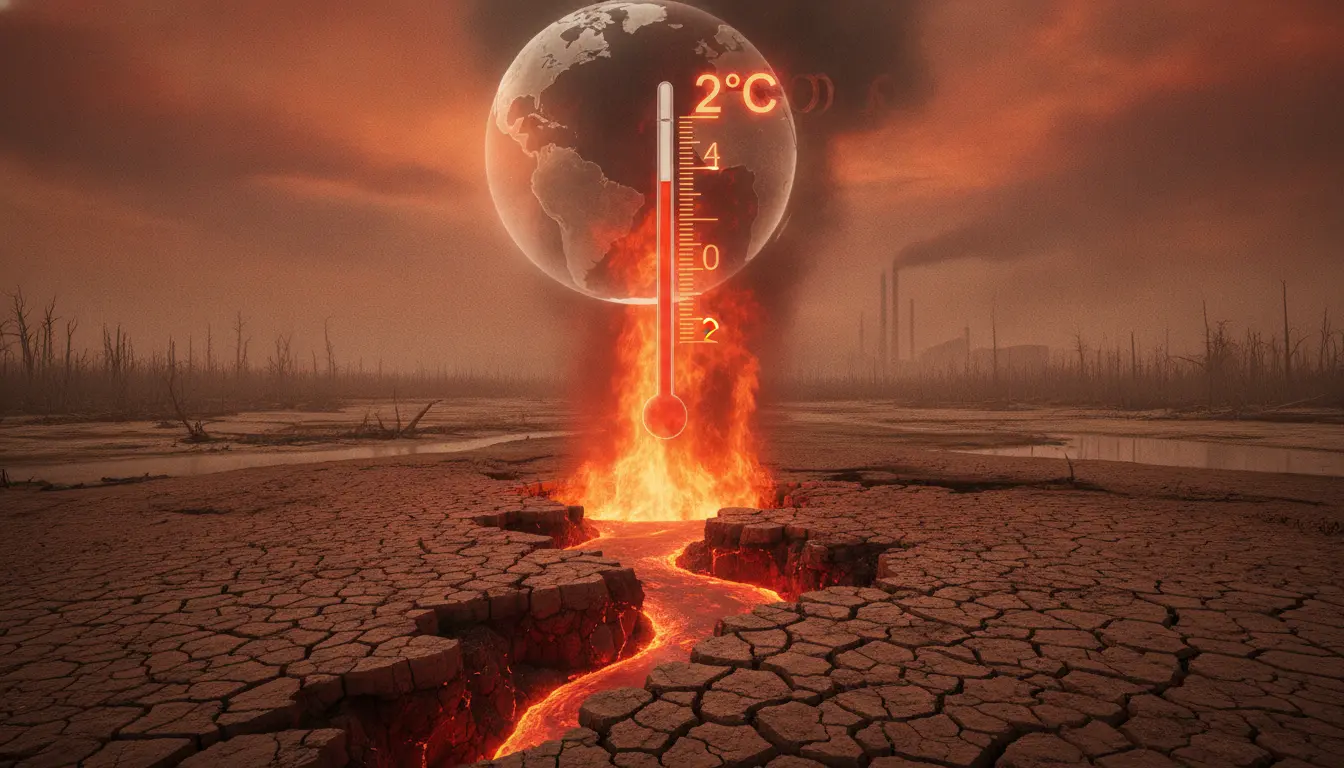
Scientists Warn Global Warming Could Exceed 2°C Threshold Before 2050
Tesla's Q2 2026 Deliveries Under Intense Investor Scrutiny as Reporting Date Nears

July 2026 ISM Services PMI Release Set to Offer Crucial Insights into US Economic Health