


Washington and Tehran’s De-escalation MoU Faces Mounting Pressure Amid Regional Clashes
A fragile de-escalation Memorandum of Understanding (MoU) between the United States and Iran is under severe strain, with escalating tensions and recent military engagements in the Middle East casting doubt on its long-term viability. The understanding, which has informally guided interactions to prevent broader conflict, appears increasingly precarious as both nations engage in actions that test the limits of restraint, raising concerns among international observers about the potential for wider regional destabilization.
This informal agreement emerged from a series of indirect negotiations and understandings designed to lower the temperature in a volatile region. While never a formal treaty, it aimed to establish clear red lines and channels of communication to avert miscalculation and direct confrontation, particularly in critical waterways like the Strait of Hormuz and in countries where US forces and Iranian-backed groups operate in proximity. The understanding facilitated crucial exchanges, including prisoner swaps and the unfreezing of certain Iranian assets, signaling a limited, albeit fragile, willingness to manage disputes without outright conflict. Its underlying premise was to provide a framework for mutual deterrence, recognizing the catastrophic implications of a direct military confrontation.
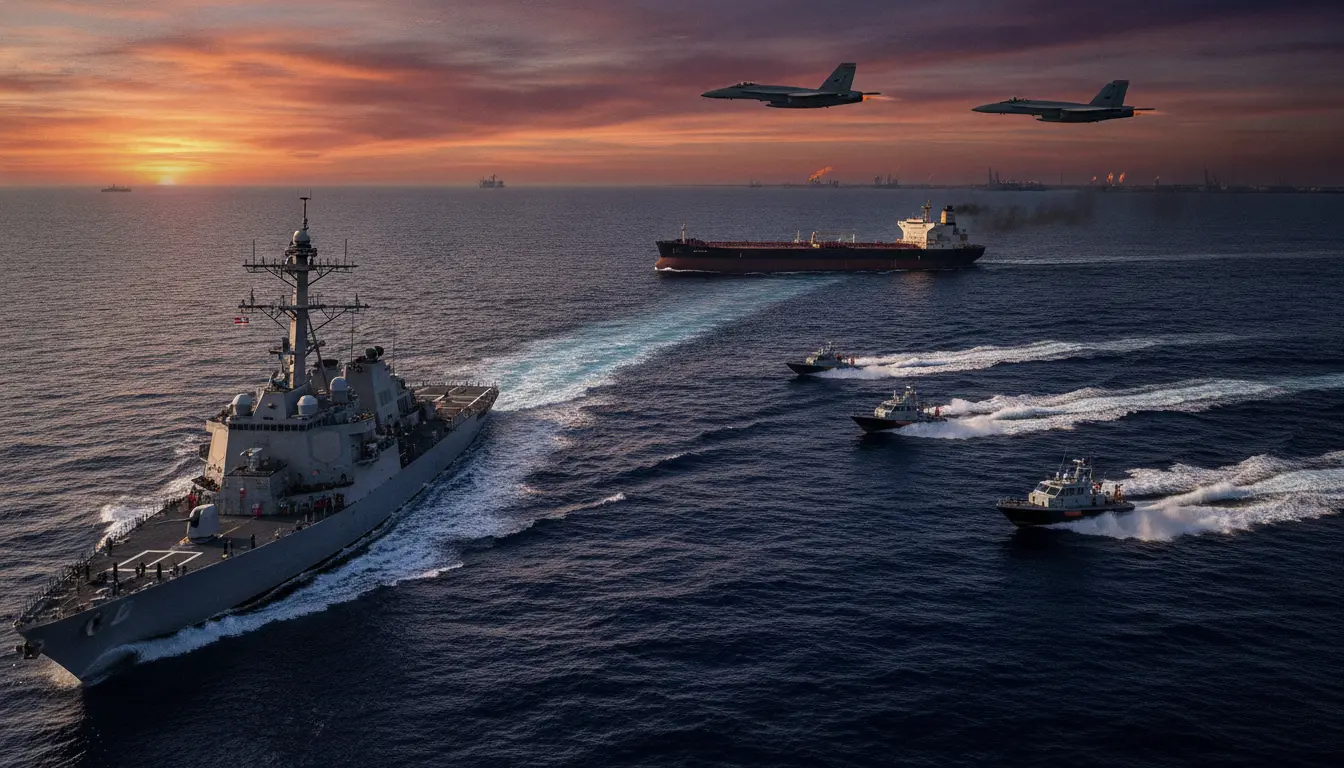
The latest surge in tensions directly challenges this delicate balance. Recent US military strikes against Iranian-backed groups in Iraq and Syria, often in retaliation for attacks on US personnel, have been met with strong condemnation from Tehran, which views these actions as violations of sovereignty. Simultaneously, accusations of ceasefire violations in the Strait of Hormuz, involving alleged harassment of international shipping by elements of Iran's Revolutionary Guard Corps (IRGC) and the seizure of vessels, have further exacerbated anxieties. These incidents underscore a dangerous cycle of provocation and retaliation that constantly threatens to spiral beyond control, highlighting the inherent instability that the MoU was intended to mitigate.
Key players on both sides face immense pressure. In Washington, policymakers are balancing a desire to deter Iranian aggression and protect US interests and allies with the imperative of avoiding a costly new conflict. For Tehran, maintaining regional influence, projecting strength, and resisting perceived US hegemony are paramount. The entanglement of regional proxy groups, such as those in Yemen, Iraq, and Lebanon, further complicates the dynamic, making it difficult to de-escalate without addressing the broader geopolitical landscape. Regional allies, including Israel and Saudi Arabia, watch with apprehension, their security directly tied to the ebb and flow of US-Iran relations, adding layers of complexity to any de-escalation efforts.
While a hotline has reportedly been activated between the two adversaries as a means of crisis communication, its effectiveness remains constrained by deep-seated distrust and ideological antagonism. Such informal channels, though vital in moments of acute tension, cannot substitute for robust diplomatic engagement or a comprehensive strategy to address the root causes of conflict. Past attempts at more formal dialogue have often faltered due to domestic political pressures in both countries and a fundamental disagreement over each other's regional roles and ambitions. The current environment, marked by an absence of direct, high-level diplomatic contact, leaves little room for substantive breakthroughs.
The potential unraveling of this de-escalation understanding carries significant geopolitical stakes. It would dramatically increase the risk of miscalculation, potentially leading to direct military clashes, broader regional conflict, and devastating consequences for global energy markets. Such a scenario could plunge the Middle East into an even deeper crisis, with humanitarian ramifications and a further entrenchment of proxy wars. The path forward remains fraught with peril, requiring extreme caution and a renewed commitment to de-escalation from all parties involved if a full-scale confrontation is to be averted and the fragile understanding salvaged.
Stay Informed. Act Smarter.
Get weekly highlights, major headlines, and expert insights — then put your knowledge to work in our live prediction markets.
Related News
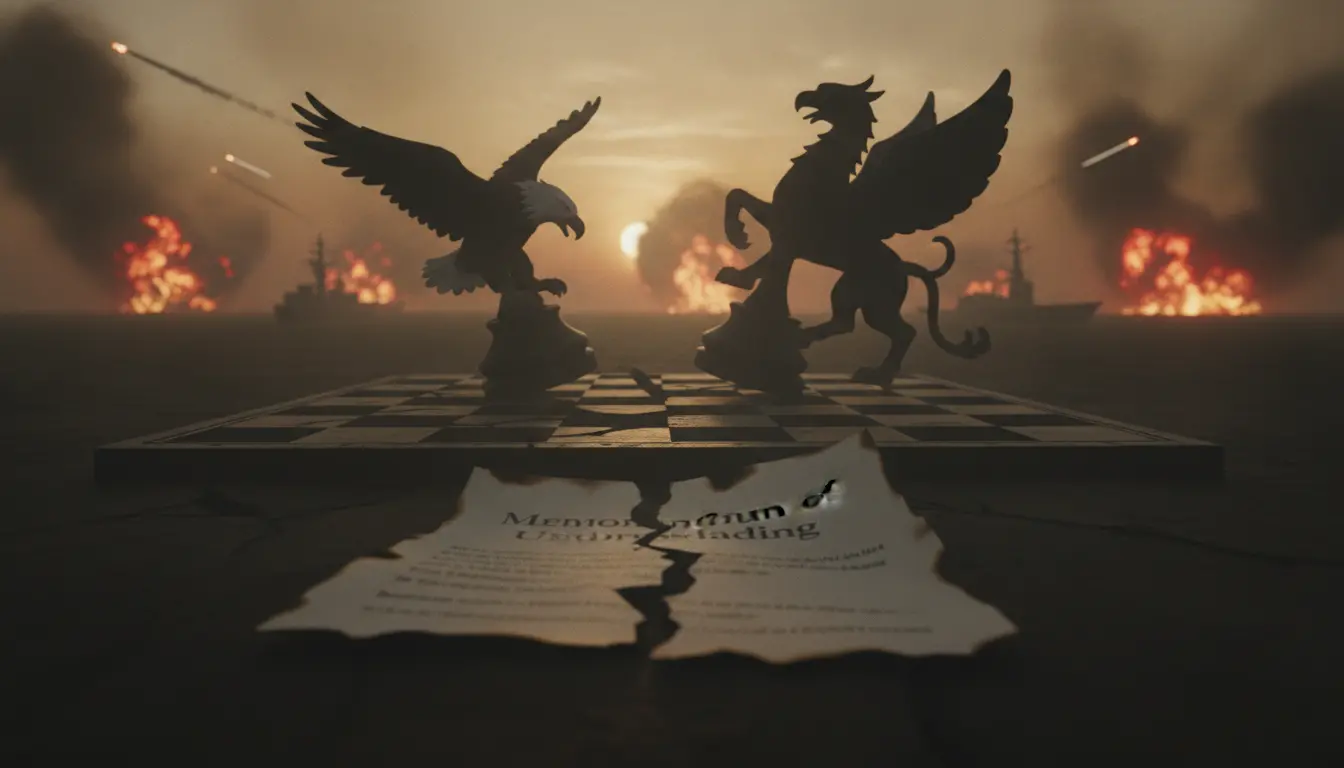
US-Iran De-escalation Memorandum Faces Collapse Amid Escalating Tensions and Regional Strikes
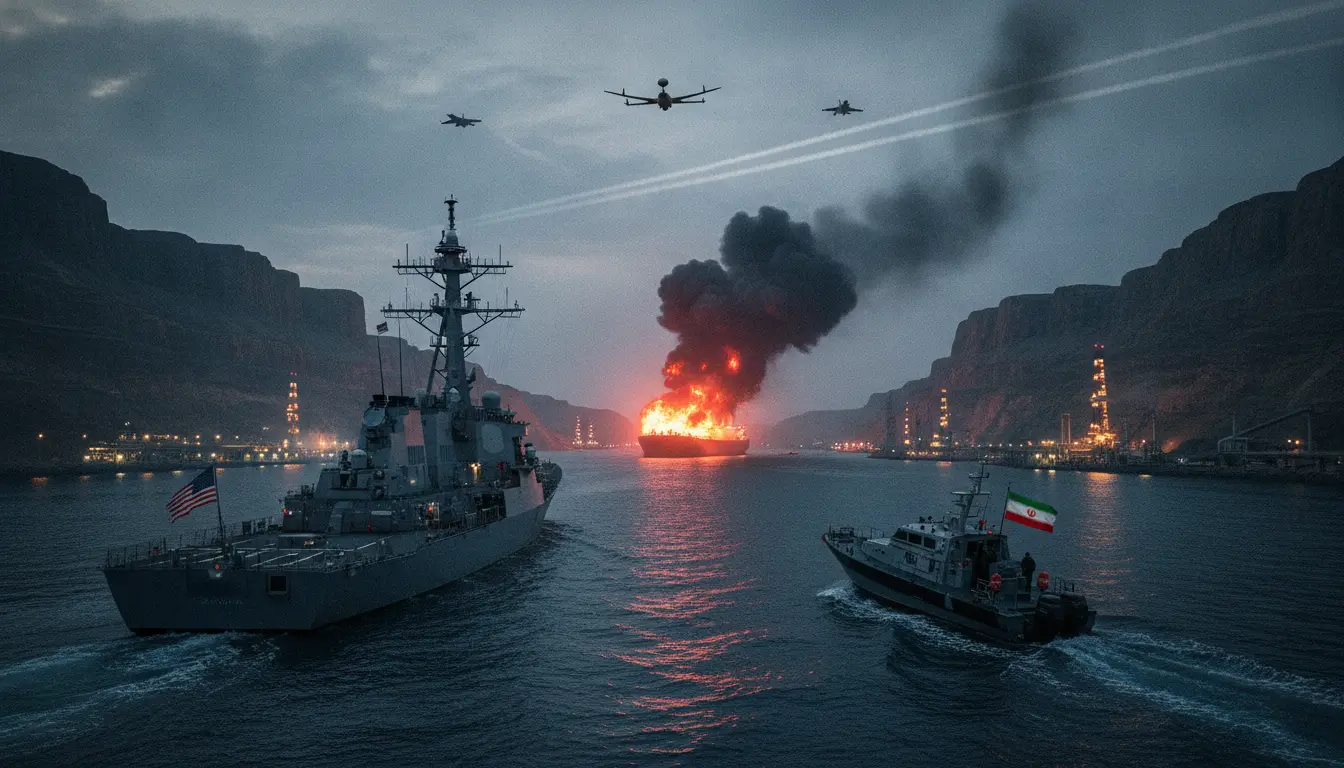
US-Iran De-escalation Accord Faces Precarious Future Amid Renewed Hostilities and Strait of Hormuz Tensions
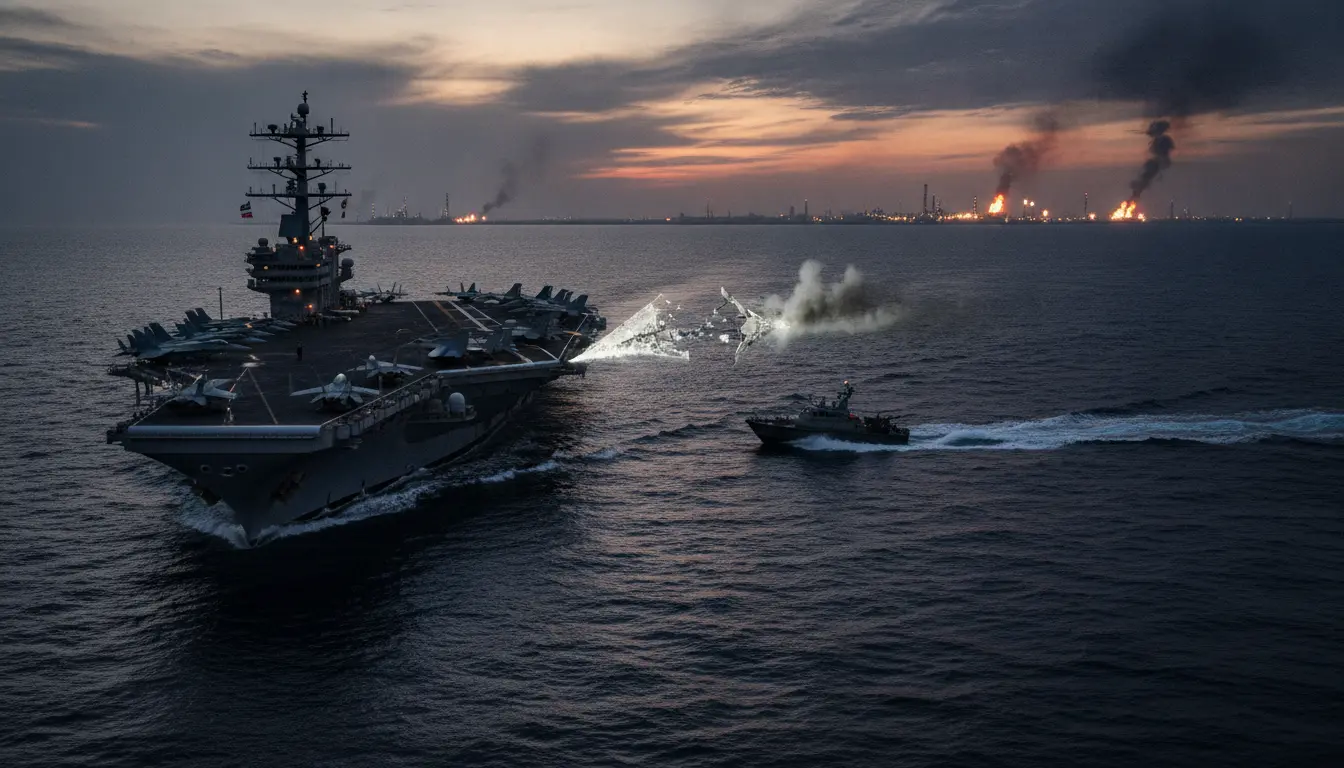
US-Iran De-escalation Pact Under Severe Strain Amid Escalating Gulf Tensions

Diplomatic Efforts Mount to Salvage US-Iran De-escalation Agreement Amid Rising Regional Tensions

US and Iran Strive to Maintain Fragile De-escalation Amid Persistent Regional Tensions

US-Iran Tensions Simmer Amid Regional Flare-ups, Raising Fears of Direct Conflict
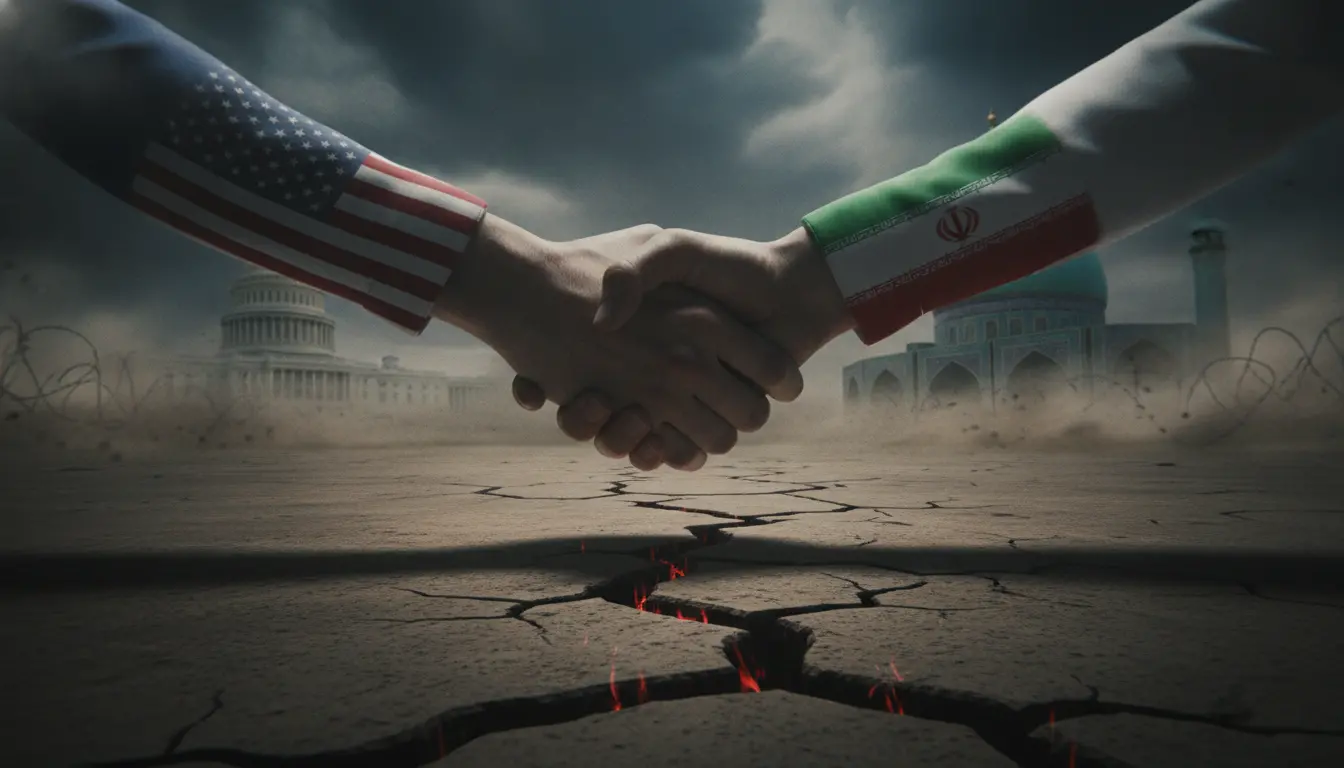
US-Iran Diplomatic Engagement Faces Mounting Pressure, Risking Suspension
US-Iran Tensions Soar Amid Escalating Strikes and Maritime Incidents in Gulf

Tentative 14-Point US-Iran Memorandum on De-escalation and Sanctions Relief Reportedly Under Discussion
Protracted US-Iran Hostilities Raise Stakes for Middle East Stability