

- News
- Politics
- Speculation Mounts Over Serbian President Vučić's Political Future Amidst Calls for Early Elections
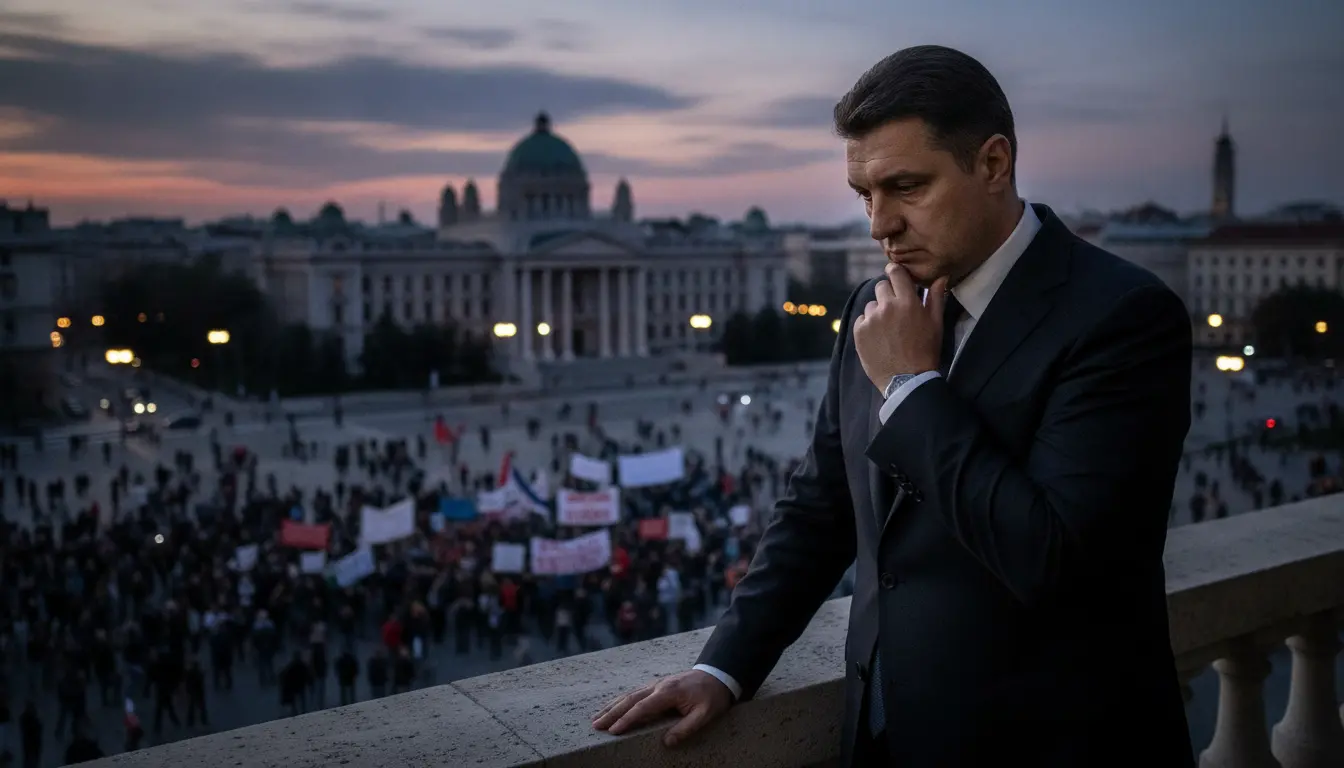
Speculation Mounts Over Serbian President Vučić's Political Future Amidst Calls for Early Elections
Belgrade is abuzz with growing speculation regarding the political future of Serbian President Aleksandar Vučić, with reports circulating that he may step down from his current post before the close of 2026. This potential move, should it materialize, would fundamentally reshape the country's political landscape, potentially paving the way for snap elections and a significant leadership transition within the ruling Serbian Progressive Party (SNS). The murmurs of his impending departure are set against a backdrop of escalating domestic political tensions, persistent opposition demands, and a complex array of geopolitical challenges that define Serbia’s delicate balancing act on the international stage.
Aleksandar Vučić has been the dominant figure in Serbian politics for over a decade, first as Prime Minister and then as President since 2017. His tenure has been characterized by a firm grip on power, economic reforms, and a policy of military neutrality while navigating the intricate relationships between the European Union, Russia, and China. Under his leadership, the SNS has consolidated power, frequently securing supermajorities in parliamentary elections. Critics, however, often point to concerns over democratic backsliding, media freedom, and the concentration of authority within the executive. This extensive period of influence means any planned departure would not be a mere administrative change but a seismic event, prompting questions about succession, the future direction of the SNS, and the stability of the entire political system.
The current wave of speculation is fueled by a confluence of factors, including intensified opposition protests demanding electoral reforms and accountability, particularly following controversial elections. Recent months have seen a reinvigorated civil society push for change, putting considerable pressure on the government. Additionally, Vučić himself has on occasion hinted at potential shifts in his role or a desire to move beyond the day-to-day pressures of the presidency, though such statements have often been interpreted through the lens of political maneuvering. His strategic acumen is well-documented, and any decision to resign would undoubtedly be a calculated one, aimed at either revitalizing his party's image, consolidating power in a different capacity, or setting the stage for a new political era under his continued influence.
Should Vučić step down, the most immediate consequence would likely be the triggering of early presidential elections, alongside a potential reshuffling of the government. The SNS, currently the ruling party, would face the critical task of identifying a successor capable of uniting its diverse factions and maintaining its electoral dominance. Key figures within the party, some of whom have served in high-profile ministerial roles, would undoubtedly emerge as potential candidates. The transition would also present a significant test for Serbia's democratic institutions, as opposition parties would push for fairer electoral conditions and a more level playing field, hoping to capitalize on any perceived vulnerability during a leadership vacuum.
The implications of such a move extend far beyond domestic politics. Serbia remains a crucial player in the Western Balkans, with its path towards European Union integration a central policy objective, albeit one fraught with challenges, particularly regarding the unresolved status of Kosovo. A leadership change could impact the pace and direction of these negotiations, as well as Serbia's foreign policy alignment. International partners, including Brussels and Washington, would closely monitor any transition, keen to ensure stability and continuity in regional cooperation and reform efforts. Vučić’s successor would inherit a complex geopolitical balancing act, requiring deft diplomacy to navigate the country’s aspirations against competing global interests.
Ultimately, the prospect of President Vučić’s resignation before 2026 underscores the dynamic and often unpredictable nature of Serbian politics. While official confirmation remains elusive, the persistent reports highlight a period of significant uncertainty and potential transformation. Such a transition could either usher in a new era of political renewal and democratic strengthening or exacerbate existing tensions, depending on how it is managed by the ruling elite and responded to by the opposition and the public. What is clear is that the coming years promise to be pivotal for Serbia’s future trajectory, regardless of who ultimately holds the presidential office.
Stay Informed. Act Smarter.
Get weekly highlights, major headlines, and expert insights — then put your knowledge to work in our live prediction markets.
Related News
Macron Government Navigates Instability Amid Persistent Early Election Speculation
Zelenskyy Signals Upcoming Cabinet Reshuffle, New Ukrainian Prime Minister Expected
Lula's Political Future Dominates Discussion Ahead of Brazil's 2026 Presidential Election
Succession Discussions Intensify for NATO's Top Post as 2026 Deadline Approaches
G7 Nations Face Heightened Prospects of Leadership Changes by End of 2026
Berlin Gears Up for Pivotal 2026 State Parliament Election Amid Tight Political Contest
G7 Leaders Face Intensifying Political Pressures, Raising Questions About Tenure Through 2026

G7 Nations Brace for Potential Leadership Shifts Ahead of 2026
Political Turmoil and Electoral Pressures Challenge G7 Leaders Ahead of 2026
Ukrainian President Zelenskyy Faces Opposition Amid Speculation Over Digital Transformation Minister Mykhailo Fedorov's Future