


Humanitarian Crisis Deepens at Ceuta Border as Migrant Death Toll Mounts
A grave humanitarian crisis is unfolding on the shores of Ceuta, a Spanish enclave bordering Morocco, as thousands of migrants continue desperate attempts to cross into European territory, resulting in a climbing death toll. The recent surge in crossings has overwhelmed local resources and ignited fresh diplomatic tensions, shining a harsh spotlight on the perilous journeys undertaken by those seeking refuge or a better life.
The strategic location of Ceuta, one of two Spanish enclaves on the northern coast of Africa, makes it a critical flashpoint in Europe's ongoing migration challenges. Separated from mainland Spain by the Strait of Gibraltar, Ceuta represents a physical and symbolic gateway to the European Union. Migrants, predominantly from sub-Saharan Africa but also including individuals from North Africa and other conflict zones, view these enclaves as their best chance to reach European soil, often after enduring arduous journeys across continents. For years, the land borders of Ceuta and its sister city Melilla have been fortified with high fences, yet the sea route remains a constant, albeit treacherous, alternative.
The recent escalation has seen an unprecedented influx, with an estimated tens of thousands managing to cross into the Spanish territory in a short span. This mass movement has placed immense strain on Ceuta's emergency services, humanitarian organizations, and security forces. While many are intercepted and some successfully make the crossing, the journey is fraught with danger, leading to tragic loss of life. Reports from humanitarian agencies and local authorities indicate that at least 57 lives have already been lost in connection with these recent crossings, a stark reminder of the extreme risks involved.
Key players in this unfolding drama include both the Spanish and Moroccan governments. Spain, as the sovereign power, bears the immediate responsibility for border management and humanitarian response within the enclave. Morocco, sharing a complex border and often acting as a gatekeeper to Europe, plays a crucial role in controlling migration flows from its territory. The relationship between the two nations is often delicate, balancing cooperation on security with diplomatic pressures. This latest crisis underscores the urgent need for coordinated efforts and sustainable solutions that address both border security and the underlying humanitarian imperative.
International organizations and the European Union are closely monitoring the situation, with calls for increased aid and a unified approach to migration management. The perilous nature of the crossings, often involving makeshift boats, swimming through strong currents, or navigating treacherous terrain, highlights the desperation driving these individuals. Many arrive in Ceuta exhausted, injured, and in need of immediate medical attention and psychological support, further stretching the limited resources of an enclave already under pressure.
The human cost of this crisis is immeasurable, with each reported death representing a failed dream and a devastating blow to families. Beyond the immediate tragedy, the situation in Ceuta has significant implications for EU migration policy, international human rights discussions, and diplomatic relations in the Mediterranean region. As the death toll continues to be assessed and rescue operations persist, the international community faces renewed pressure to confront the root causes of migration and to ensure the humane treatment and safety of all individuals seeking a new beginning.
Stay Informed. Act Smarter.
Get weekly highlights, major headlines, and expert insights — then put your knowledge to work in our live prediction markets.
Related News
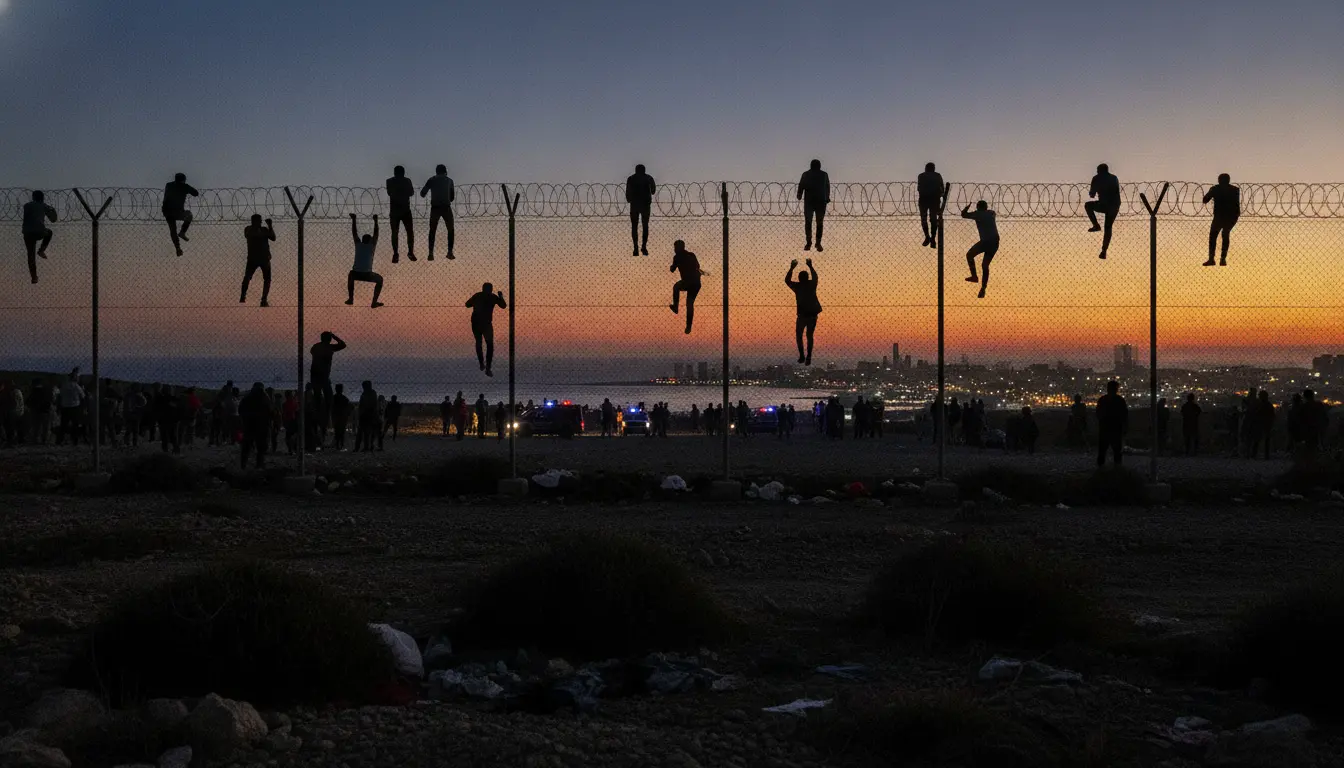
Spain Calls for Urgent EU Meeting Amid Escalating Ceuta Migrant Influx

Madrid Considers Troop Deployment to Ceuta Following Renewed Border Pressures

Global Diplomacy Intensifies Efforts for Enduring Gaza Ceasefire Amid Humanitarian Crisis
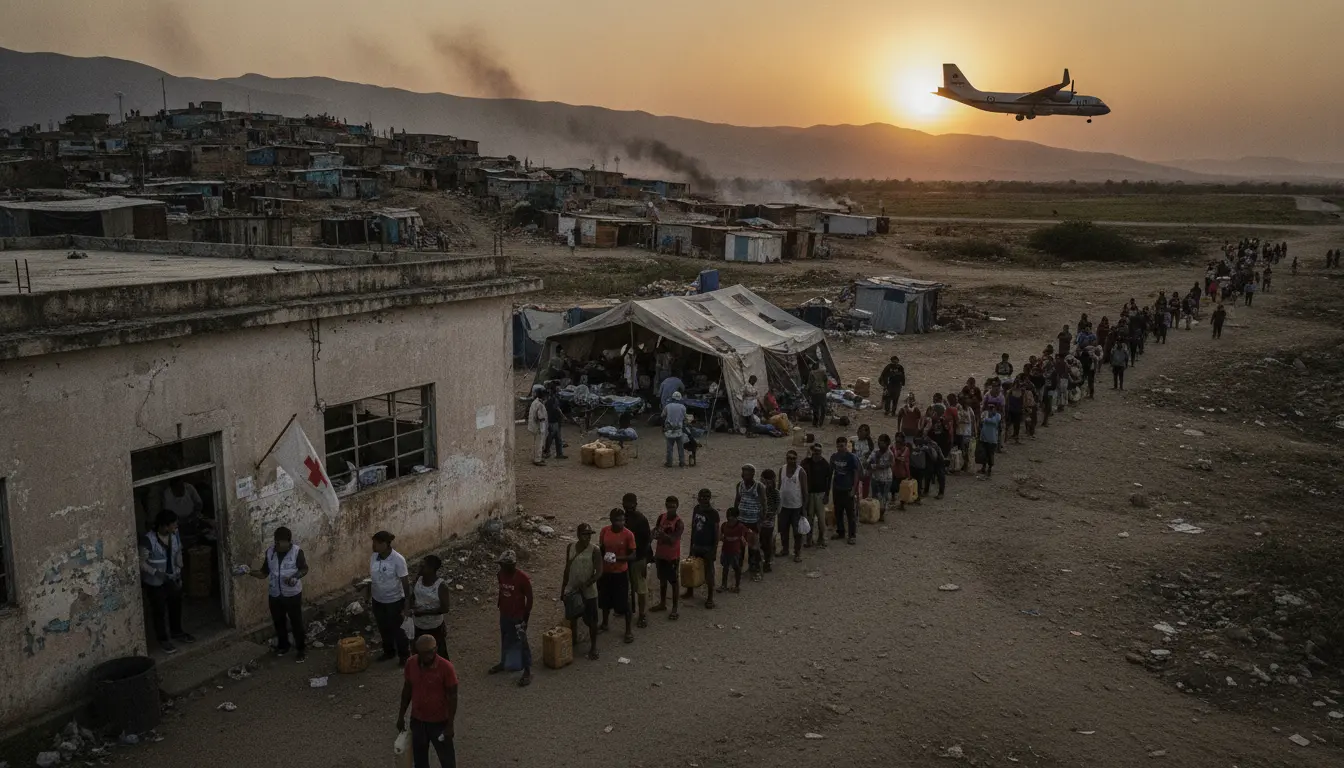
Venezuela's Humanitarian Crisis Prompts Renewed Push for Major International Aid

Washington Considers Imposing New Trade Tariffs on Spain Amid Diplomatic Rifts

Diplomatic Efforts Intensify for Permanent Gaza Ceasefire Amid Protracted Conflict

Africa CDC Warns of Unprecedented Ebola Spread as DR Congo Death Toll Climbs Past 600
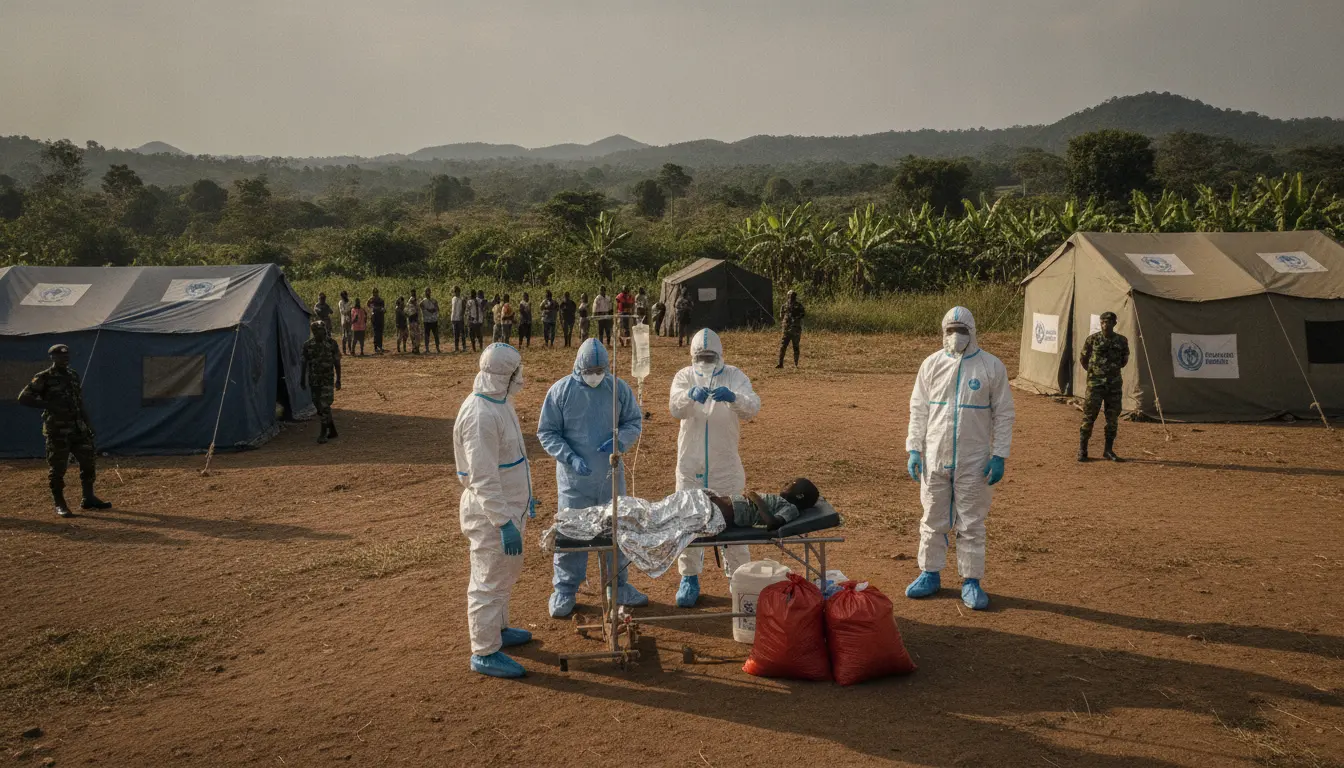
Democratic Republic of Congo Confronts Unprecedented Ebola Outbreak Amidst Regional Health Crisis

French police authorised to use water cannon on asylum seekers in £660m deal with UK

NATO Considers Further Expansion Amid European Security Concerns