

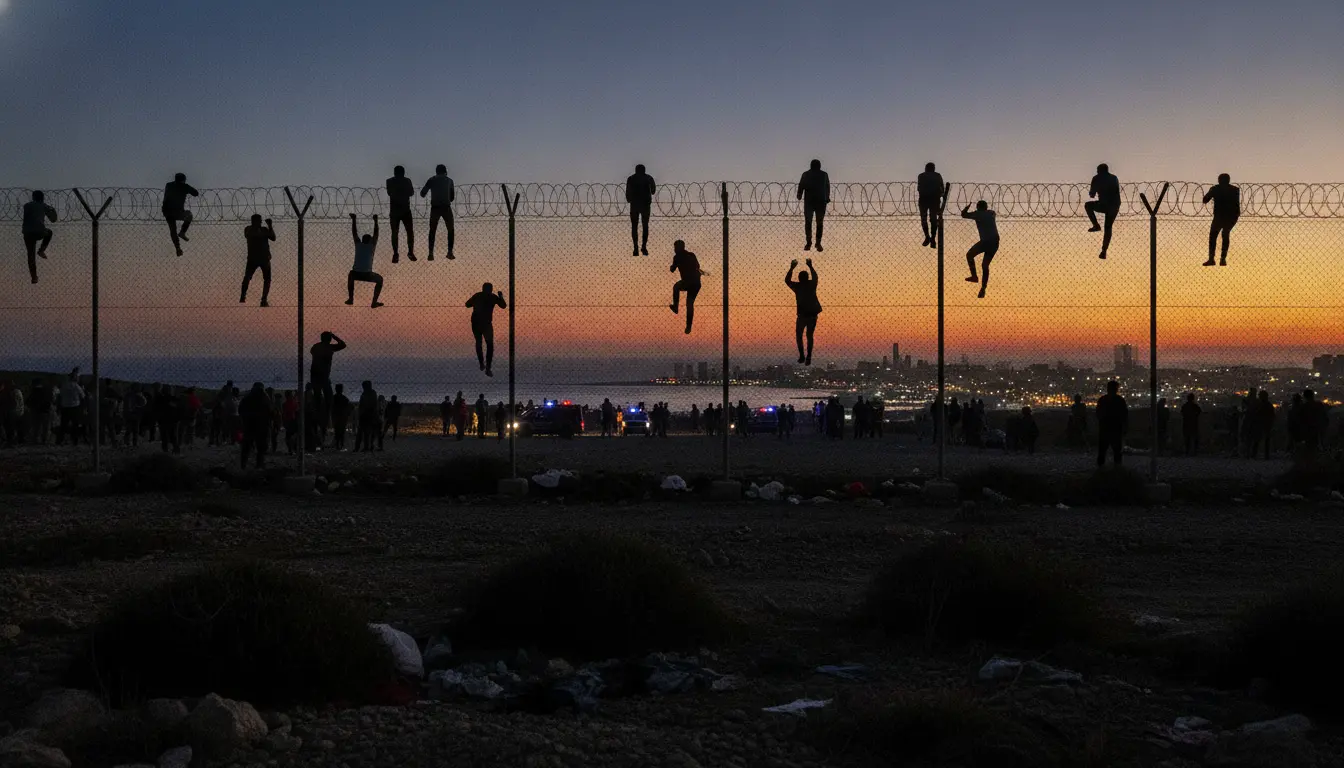
Spain Calls for Urgent EU Meeting Amid Escalating Ceuta Migrant Influx
Spain has issued an urgent call for a meeting of European Union interior ministers, citing an unprecedented mass migration event into its North African enclave of Ceuta from Morocco. The demand underscores the escalating pressures on the EU's external borders and the perennial challenges of managing migratory flows, particularly at sensitive geographic flashpoints. Madrid's plea highlights the immediate humanitarian and security concerns stemming from thousands of individuals attempting to cross into Spanish territory, seeking entry into the European Union.
The city of Ceuta, along with Melilla, constitutes the EU's only land borders with Africa, making them frequent destinations for migrants from across the continent hoping to reach Europe. These enclaves, surrounded by Moroccan territory and the Mediterranean Sea, are separated from Morocco by high fences, yet they remain vulnerable to large-scale crossings. The recent surge represents a significant challenge to the existing border controls and bilateral agreements between Spain and Morocco, which typically work to manage and deter such movements. The historical context of these borders is complex, involving intricate diplomatic relations, economic dependencies, and security cooperation that frequently oscillate between partnership and tension.
Reports indicate that the latest influx saw thousands of individuals, including many minors, breach the border fences or swim around breakwaters to reach Ceuta. This dramatic increase in arrivals has overwhelmed local resources, straining emergency services, reception centers, and humanitarian aid organizations. Spanish authorities have been stretched thin responding to the immediate needs of shelter, food, and medical attention for the new arrivals, many of whom arrive exhausted and vulnerable. The scale of the crossing has prompted Spain to deploy additional security forces and emergency personnel, emphasizing the dire need for coordinated European assistance and a shared approach to the crisis.
Spain’s request for an urgent EU meeting aims to galvanize collective action and solidarity among member states. Madrid is seeking not only logistical and financial support for managing the immediate crisis but also a renewed commitment to comprehensive EU migration policies that address both border security and humanitarian responsibilities. A ministerial gathering would likely focus on several critical areas: reinforcing border management, expediting asylum processing, enhancing return agreements with third countries, and providing humanitarian aid. The incident is a stark reminder of the EU's vulnerability to external pressures and the ongoing debate surrounding equitable burden-sharing among its members regarding migration.
The broader context for this crisis is the persistent instability and economic hardship in various parts of Africa, coupled with a growing desperation that drives individuals towards Europe. Moroccc, in turn, often finds itself in a precarious position, balancing its role as a transit country with its own diplomatic and economic interests vis-à-vis Spain and the wider EU. While Morocco has historically cooperated with Spain on migration control, incidents like the Ceuta crossing can sometimes be reflective of underlying diplomatic strains or a recalibration of leverage in bilateral relations. The EU’s response will be closely watched, not just by Spain and Morocco, but by other frontline states that bear the brunt of migratory flows.
The proposed meeting of interior ministers would therefore not merely be about the immediate Ceuta crisis, but a forum to tackle deeper, systemic issues within EU migration governance. Questions of external border control, the effectiveness of the proposed EU Pact on Migration and Asylum, and the principle of solidarity among member states would undoubtedly dominate discussions. Member states often hold diverging views on how to manage these challenges, creating internal friction that complicates a unified European response. The stakes are high, impacting not only the lives of thousands of migrants but also the cohesion and credibility of the European project itself in handling humanitarian and security challenges.
Ultimately, the urgent call from Spain signals a critical juncture for EU migration policy. The Ceuta crisis demands not just a tactical response to a singular event but a strategic reassessment of how Europe collectively manages its borders, engages with transit countries, and upholds its humanitarian commitments. The outcome of any potential EU ministerial meeting will be crucial in determining whether the bloc can forge a more resilient and equitable approach to migration, or if it will continue to grapple with ad-hoc responses to recurring, intensified crises at its periphery.
Stay Informed. Act Smarter.
Get weekly highlights, major headlines, and expert insights — then put your knowledge to work in our live prediction markets.
Related News

Humanitarian Crisis Deepens at Ceuta Border as Migrant Death Toll Mounts

Madrid Considers Troop Deployment to Ceuta Following Renewed Border Pressures

European Union Pushes for Landmark Common Defense Policy by 2026 Amid Geopolitical Shifts

NATO Considers Further Expansion Amid European Security Concerns

Washington Considers Imposing New Trade Tariffs on Spain Amid Diplomatic Rifts
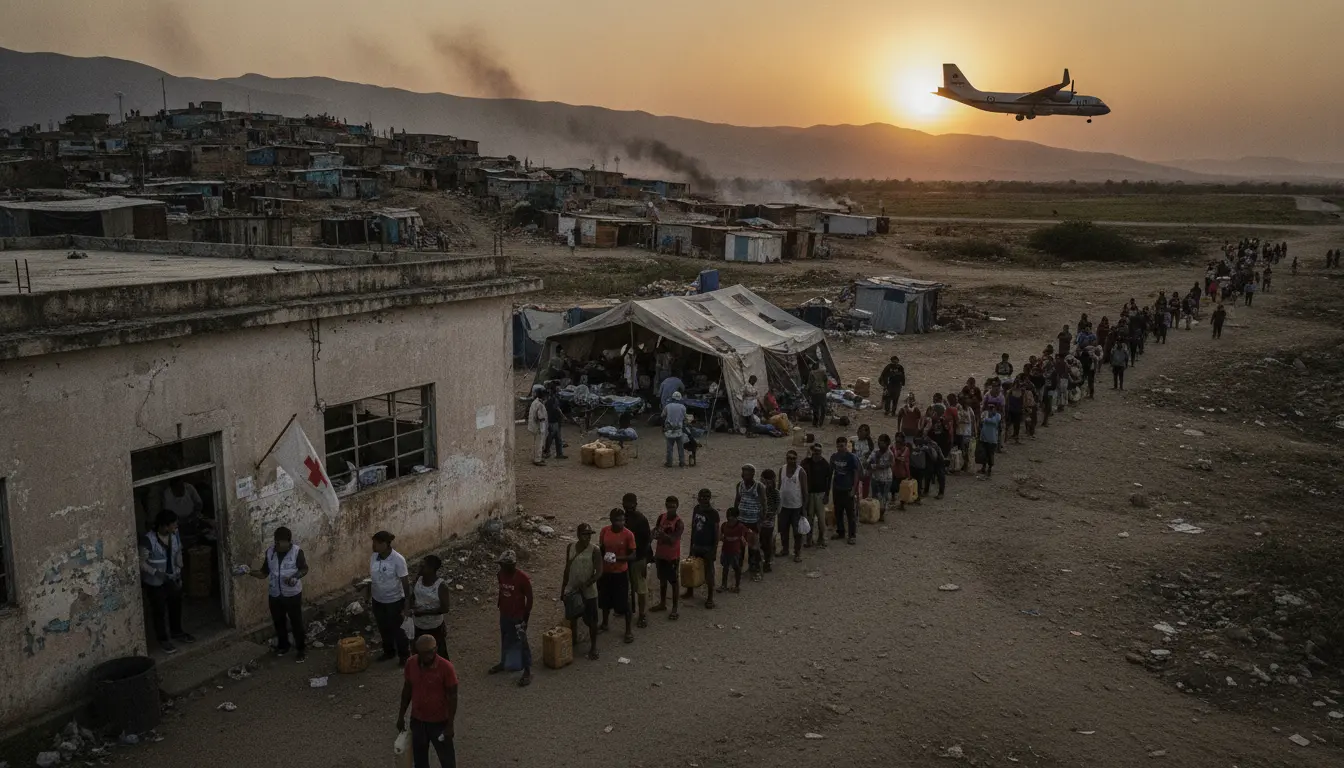
Venezuela's Humanitarian Crisis Prompts Renewed Push for Major International Aid

Global Diplomacy Intensifies Efforts for Enduring Gaza Ceasefire Amid Humanitarian Crisis
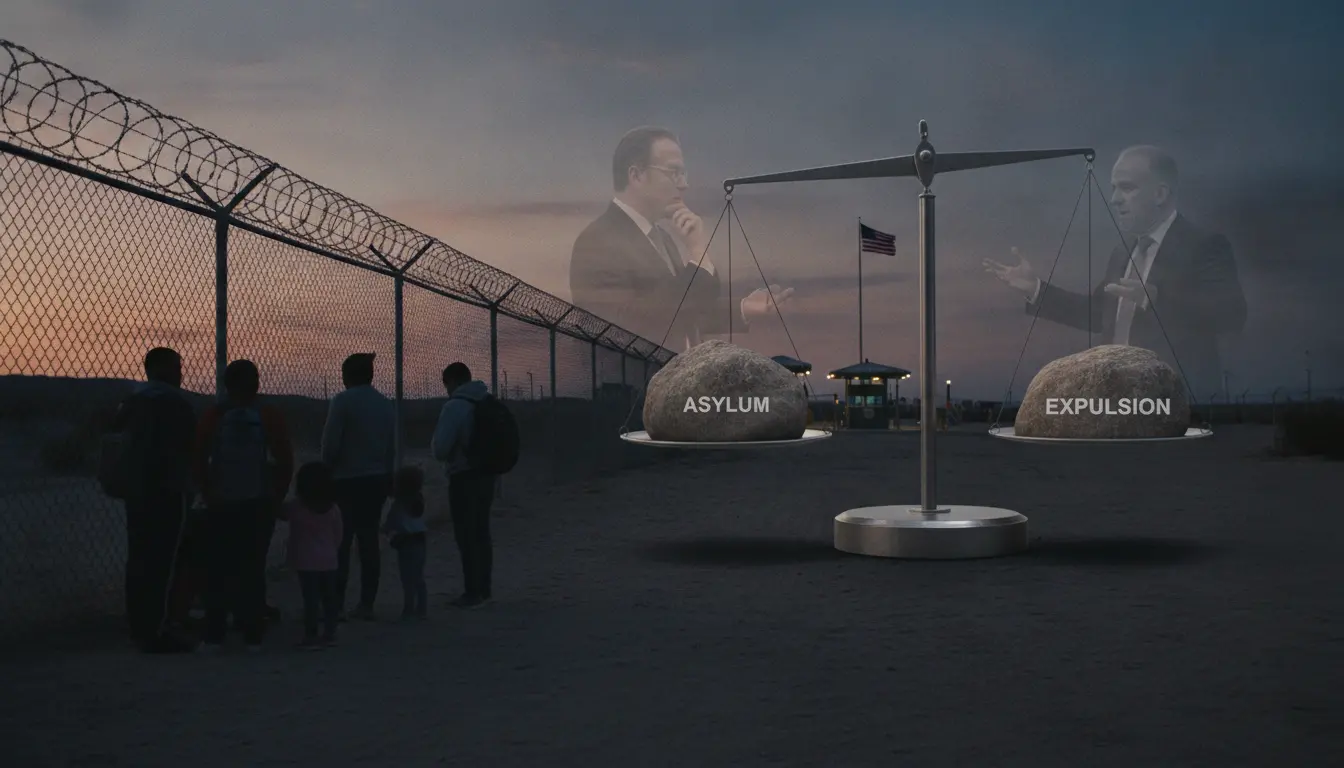
United States Weighs Permanent Policy for Immediate Asylum Expulsion at Southern Border

European Union Grapples with Potential Trade Sanctions on Israeli West Bank Settlements
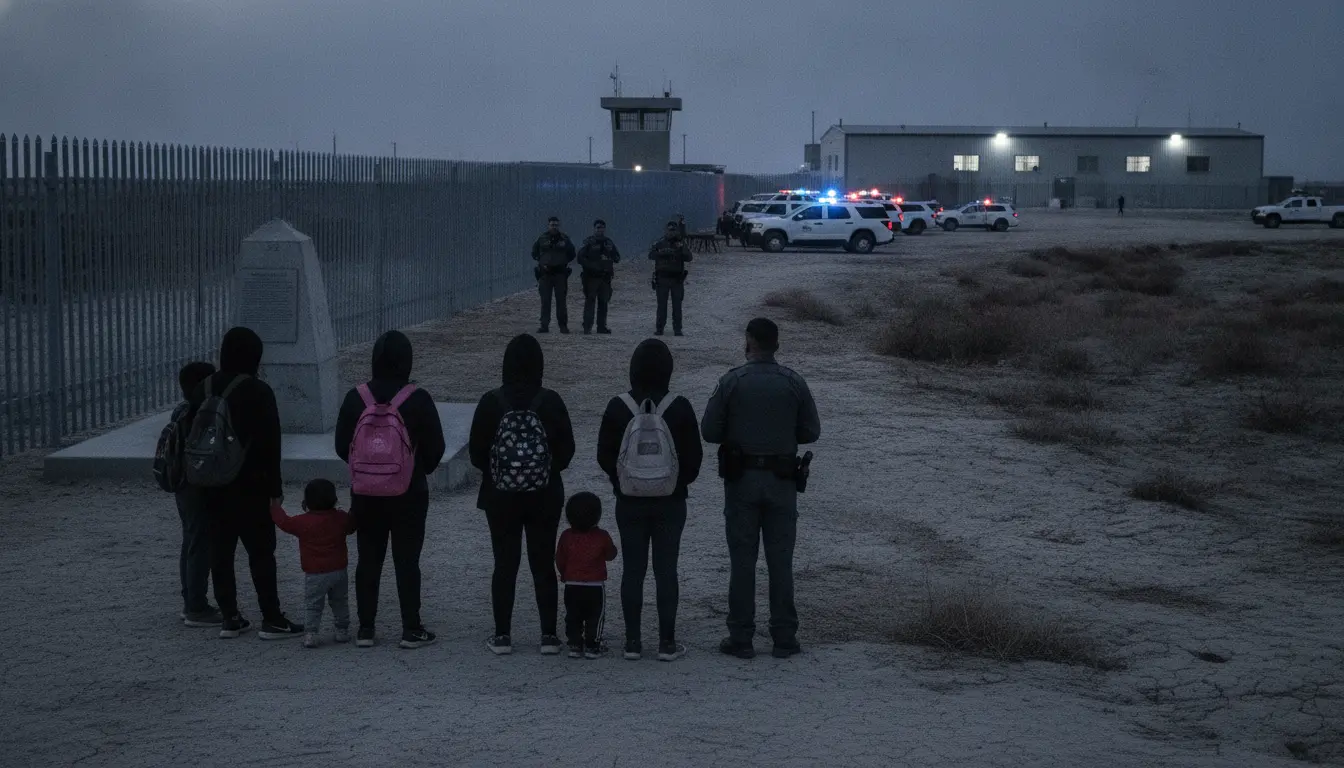
Future US Administration Poised to Reimplement Immediate Asylum Expulsions at Southern Border