SciencemedicineMedical Technology
Your sweat reveals health problems long before symptoms appear
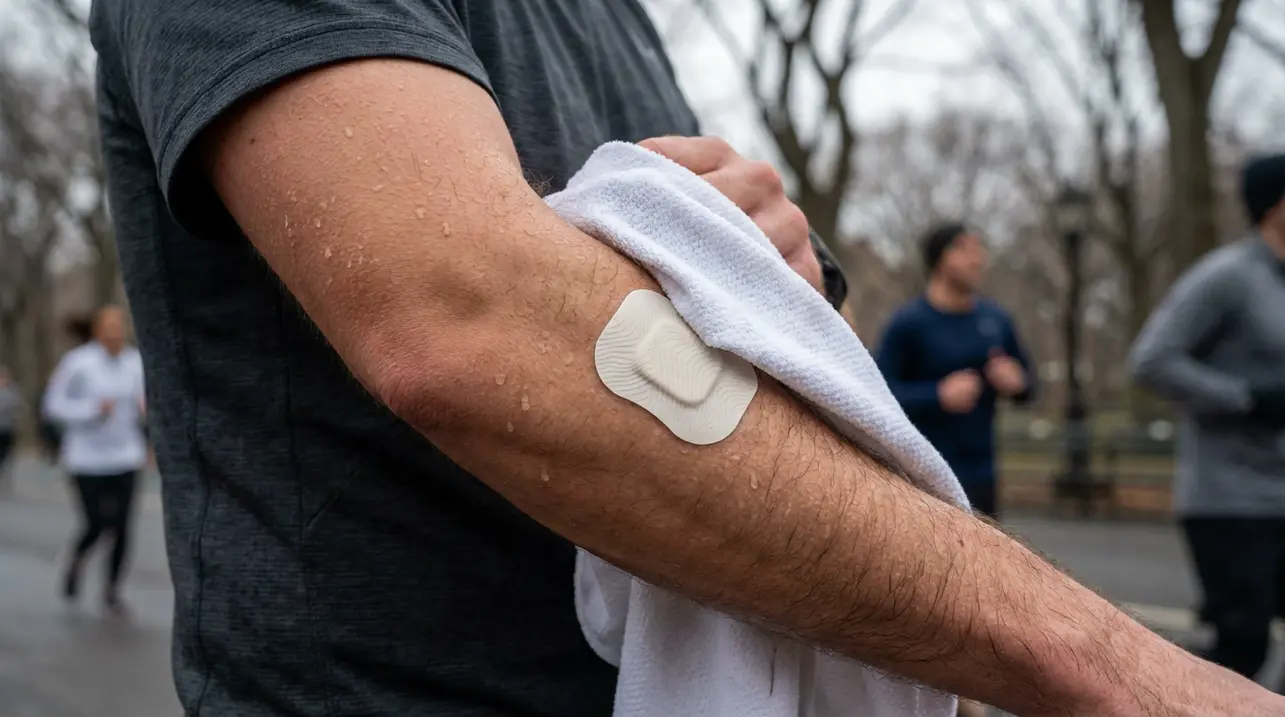
The future of diagnostics isn't in a vial of blood drawn in a sterile clinic; it's in the salty sheen on your skin after a morning jog. Sweat, long dismissed as a simple byproduct of thermoregulation, is emerging as a revolutionary, real-time window into our biochemical inner workings, carrying a rich, dynamic cocktail of biomarkers that advanced, AI-powered wearables are now learning to decode.Imagine a discreet, flexible patch on your arm, not unlike a high-tech bandage, that continuously samples your perspiration through microscopic, labyrinthine channels—a field known as microfluidics. This isn't science fiction.Researchers globally are racing to develop these ultra-sensitive devices capable of tracking everything from fluctuating glucose levels, offering a needle-free alternative for diabetics, to cortisol, the primary stress hormone, providing an objective measure of our mental load long before burnout manifests. The implications are staggering.Beyond chronic disease management, this technology could monitor medication adherence by detecting drug metabolites, flag early signs of metabolic syndrome through lactate and electrolyte imbalances, or even provide athletes with hyper-personalized hydration and performance data. The core innovation lies in the marriage of sophisticated sensor chemistry, which can identify specific molecules at incredibly low concentrations, with machine learning algorithms that don't just read a single data point but interpret complex, evolving biochemical patterns.An AI doesn't see just 'glucose is X'; it analyzes the relationship between glucose, sodium, and cortisol over a 24-hour period, comparing it to your personal baseline and vast population datasets to identify subtle, pre-symptomatic deviations indicative of a developing condition. While the tech is still in its emergent phase, facing challenges like sensor calibration against varying sweat rates and ensuring long-term stability, its trajectory points toward a paradigm shift in proactive, personalized medicine.We are moving from reactive healthcare, where intervention begins after symptoms appear, to a continuous, passive monitoring system embedded seamlessly into daily life. The ethical and privacy considerations are as profound as the technological ones—who owns this intimate, streaming data of your body? How do we prevent insurance discrimination based on predictive sweat analytics? Yet, the potential to catch diseases like hypertension or certain cancers in their earliest, most treatable stages, all through a painless patch, represents a monumental leap. It turns the body's most basic cooling mechanism into its most sophisticated communication network, whispering secrets about our health long before our conscious mind has any clue a problem is brewing.
#wearable sensors
#sweat biomarkers
#AI health monitoring
#real-time diagnostics
#disease detection
#microfluidic devices
#editorial picks news