SciencemedicinePublic Health
Hong Kong's integrated medicine model poised for global adoption.
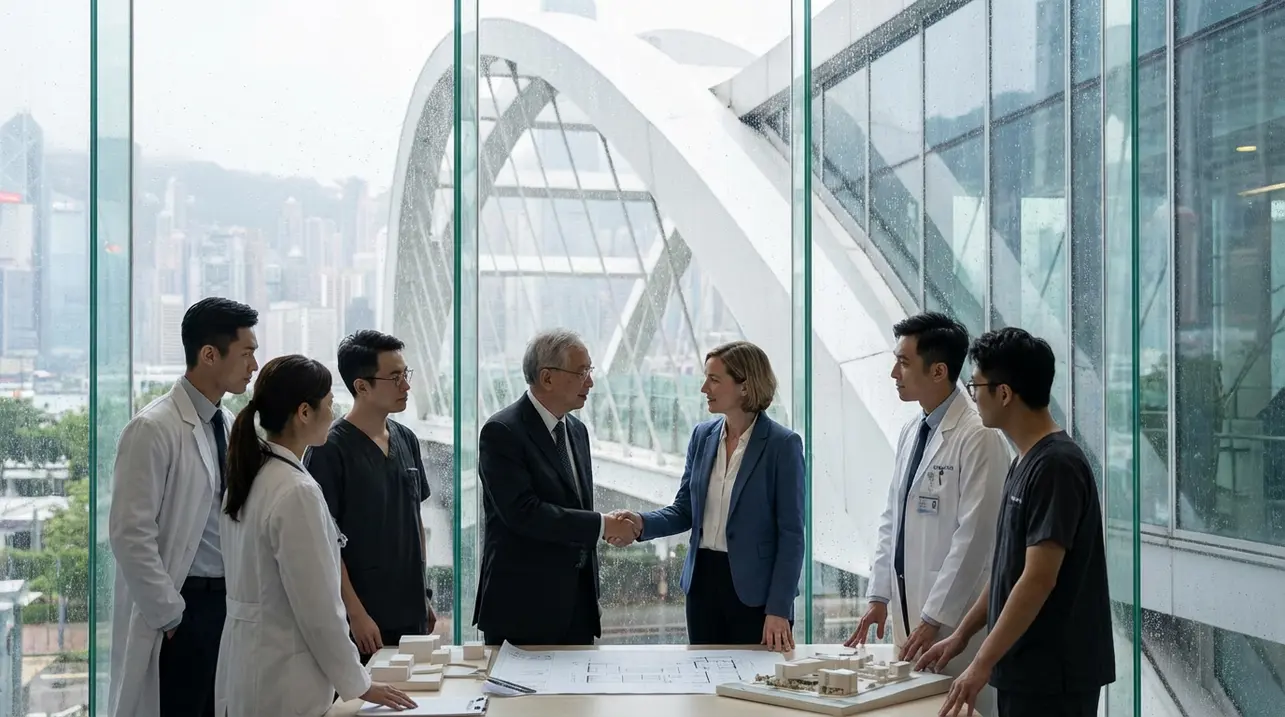
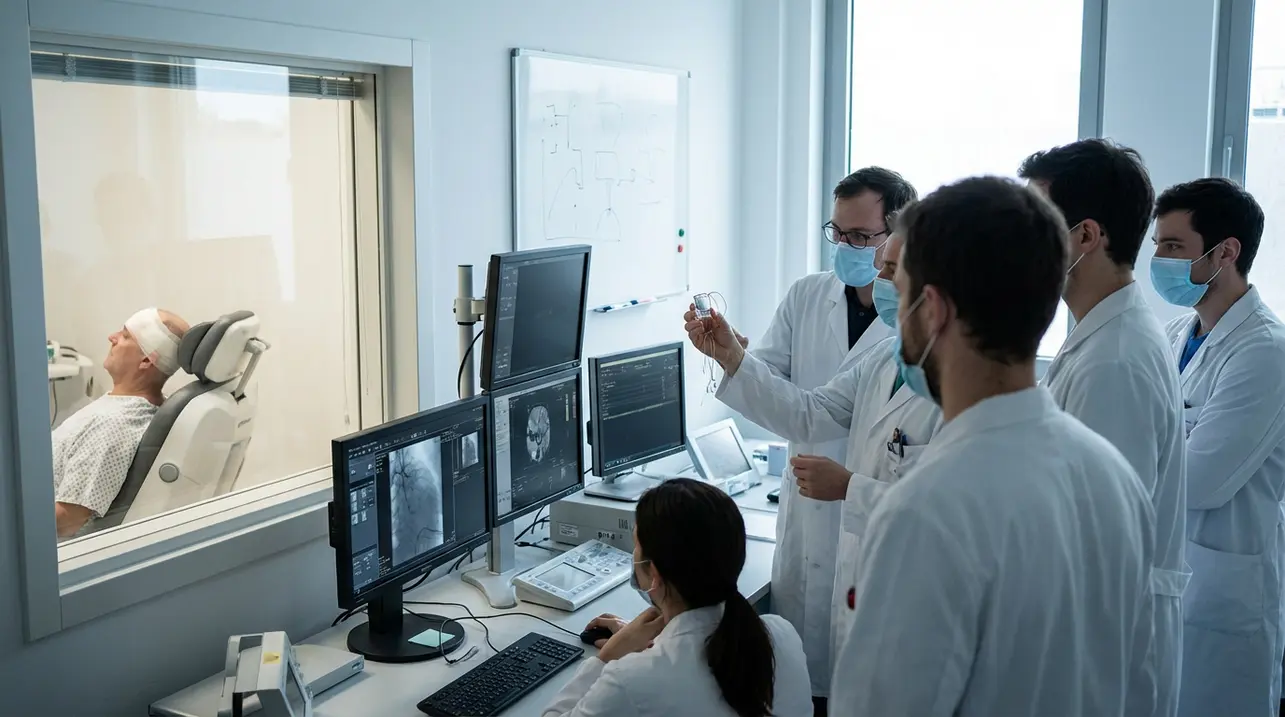
The grand opening of the Chinese Medicine Hospital of Hong Kong this past Thursday isn't just a local healthcare milestone; it's the formal launch of a sophisticated, hybrid medical model poised for global export. Dubbed the 'Hong Kong model,' this framework for integrating traditional Chinese medicine (TCM) with Western biomedical practices has been meticulously engineered for international adoption, offering a compelling niche for promoting TCM worldwide.As a German institution that has already inked a collaborative agreement with the new hospital confirmed, the two sides are actively exploring specific areas of partnership, signaling a tangible first step in this model's overseas journey. This development represents a fascinating inflection point in the future of medicine, where ancient diagnostic principles like qi imbalance and meridian blockades are systematically reconciled with modern protocols for oncology, cardiology, and post-operative rehabilitation.The Hong Kong experiment is uniquely positioned for this translational role. Operating within a global financial hub with deep historical roots in Chinese culture and a legal-administrative system familiar to Western institutions, the city acts as a perfect cultural and scientific intermediary.The hospital itself is designed as a living lab: its workflows will see patients potentially receiving acupuncture to manage chemotherapy-induced nausea, or being prescribed herbal formulations alongside statins, with outcomes rigorously tracked through double-blind studies and data analytics. This isn't mere coexistence; it's a deliberate, protocol-driven synthesis aimed at creating best-practice guidelines that can be replicated in Berlin, Sydney, or San Francisco.For overseas hospitals, the appeal is multifaceted. It offers a structured, evidence-based pathway into the lucrative and growing wellness and integrative medicine sector without requiring them to build expertise from scratch.Furthermore, it provides a solution to chronic care and preventative health challenges where Western medicine often hits a wall, addressing conditions like chronic pain, metabolic syndrome, and the side-effects of aging with a different toolkit. The German collaboration is particularly telling, as Germany has a long history of interest in naturopathy and a robust regulatory environment for herbal medicines.Success there could serve as a powerful proof-of-concept for the broader European and North American markets. However, the path to global adoption is strewn with significant hurdles that the Hong Kong model must help navigate.The most formidable is the standardization of TCM's inherently personalized practices and the highly variable quality of herbal supply chains. Can a treatment protocol for rheumatoid arthritis developed in Hong Kong be applied with identical efficacy using herbs sourced in Europe? The model's architects are betting that by controlling for variables and creating stringent certification processes for partnered institutions, they can.Another challenge is regulatory alignment, as most Western countries classify herbal products as supplements rather than medicines, a legal hurdle that requires diplomatic and scientific lobbying. The long-term consequence of this model's success could be a fundamental reshaping of global healthcare curricula, with TCM principles becoming a standard module in medical education, and a new generation of 'integration specialists' emerging as key hospital staff.Financially, it opens vast markets for pharmaceutical-grade herbal extracts and diagnostic technologies rooted in TCM theory. Yet, skeptics within the biomedical establishment remain, demanding the same level of mechanistic explanation and large-scale trial data expected of any new drug.The Hong Kong institution's role, therefore, is as much about diplomacy and education as it is about clinical care. By building bridges with prestigious Western partners and generating a steady stream of high-impact research, it aims to legitimize integration not as alternative medicine, but as advanced, complementary medicine. This isn't just about exporting cupping jars and ginseng; it's about exporting a new, holistic operating system for health—one built on a fusion of millennia-old wisdom and cutting-edge science, packaged for the world.
#Hong Kong model
#integrated medicine
#traditional Chinese medicine
#Western medicine
#global healthcare
#collaboration
#editorial picks news