SciencemedicinePublic Health
The meat industry is sabotaging modern medicine's greatest miracle
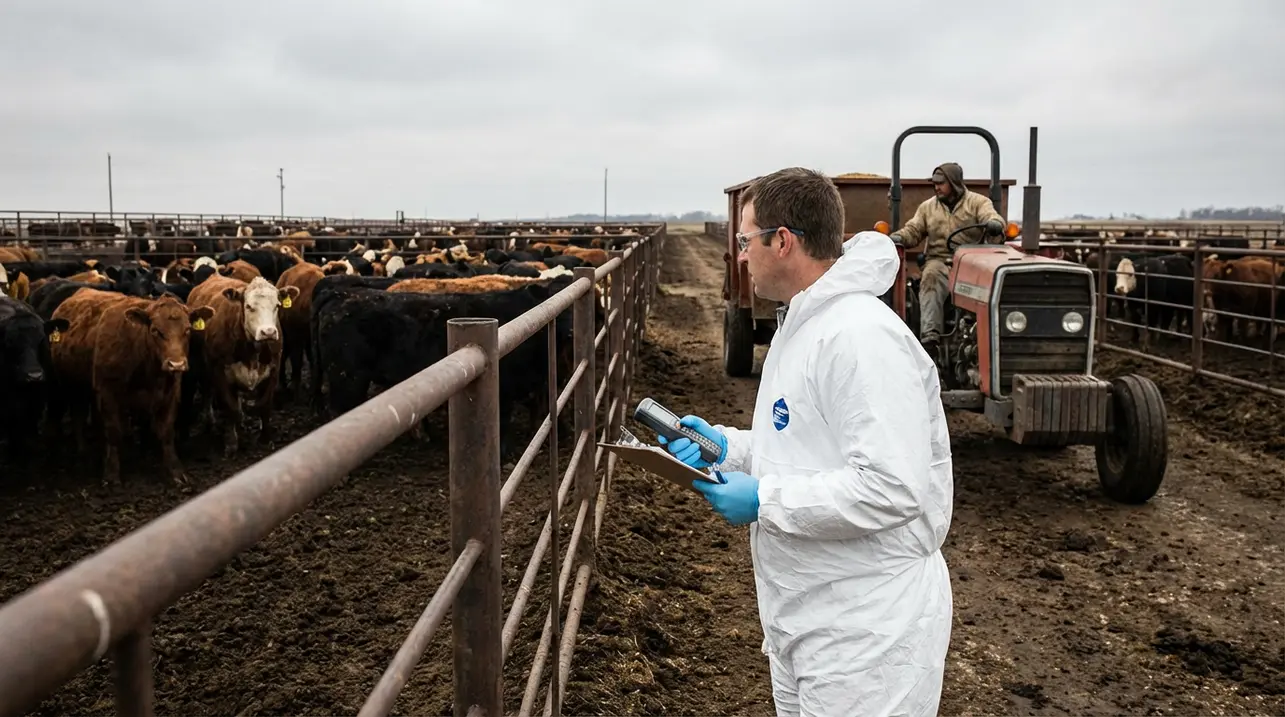
A decade ago, a glimmer of hope emerged in the fight against one of modern medicine’s most insidious threats. Responding to a mounting antibiotic resistance crisis, the United States introduced regulations to curb the rampant use of these vital drugs in livestock production.For a time, it worked. Sales plummeted, plateauing at a lower level as the meat industry, under public pressure, even made voluntary pledges to reform.That progress, however, now appears to be a mirage evaporating under the harsh sun of industrial agriculture’s bottom line. According to newly released Food and Drug Administration data, sales of antibiotics for use in food-producing animals surged by a staggering 15.8 percent in 2024, a sharp and alarming reversal that scientists tracking the issue find deeply troubling. “It’s disappointing to see such a substantial increase,” says Meghan Davis, a veterinarian and public health expert at Johns Hopkins.“Antimicrobial use in food-producing animals matters for human health. ” This backsliding isn't just a statistical blip; it is an active sabotage of a medical miracle.Antibiotics, which have extended human life expectancy by over two decades, form the bedrock of our defense against bacterial infections, from strep throat to sepsis. Yet, in a perverse twist, the majority of these drugs are not used to heal people but are deployed as a crutch within the unhygienic, overcrowded confines of factory farms, where they are fed to healthy animals to prevent the diseases that flourish in such conditions.This routine, prophylactic use is a primary engine for breeding antibiotic-resistant “superbugs. ” When these pathogens jump to humans, as they inevitably do, our last-line treatments fail.The World Health Organization rightly labels antimicrobial resistance a top global threat, linked to an estimated 1. 27 million deaths worldwide in 2019, including 35,000 in the U.S. The industry’s justification for the 2024 spike rings hollow.Meat production grew by less than one percent, and experts dismiss claims that viral outbreaks in poultry warranted a broad antibiotic surge, as antibiotics are useless against viruses. The more plausible, and damning, explanation is a return to bad habits.“Meat producers are not being good stewards of antibiotics,” asserts Gail Hansen, a public health veterinarian, suggesting the increase points to the renewed use of these drugs for prevention rather than treatment—a dangerous practice that public health advocates have long condemned. This isn't a problem without solutions, only one without sufficient will.Look to Europe, where antibiotic use per animal is roughly half that of the U. S., achieved not through magic but through responsibility: cleaner barns, better ventilation, more space for animals, and greater vaccine use. In America, antibiotics remain a cheaper shortcut than animal welfare.The recent exposure of deceptive “antibiotic-free” beef labels by the USDA, which found antibiotic residues in 20 percent of samples from major producers, reveals an industry comfortable with greenwashing its way past consumer concern. The path forward demands regulatory courage the FDA has yet to show: setting national reduction targets, following Europe’s 2022 ban on preventive antibiotic use, and limiting treatment durations.Without such binding steps, we are gambling the future of medicine for the sake of marginal profit in a system that views animals as units of production and public health as an externality. The data from 2024 is a stark warning siren, echoing across feedlots and far beyond, into every hospital and home where the next infection might prove untreatable.
#antibiotic resistance
#livestock
#FDA
#agriculture
#public health
#editorial picks news