SciencemedicinePublic Health
No Harm: The Question of a Good Death in Modern Medicine
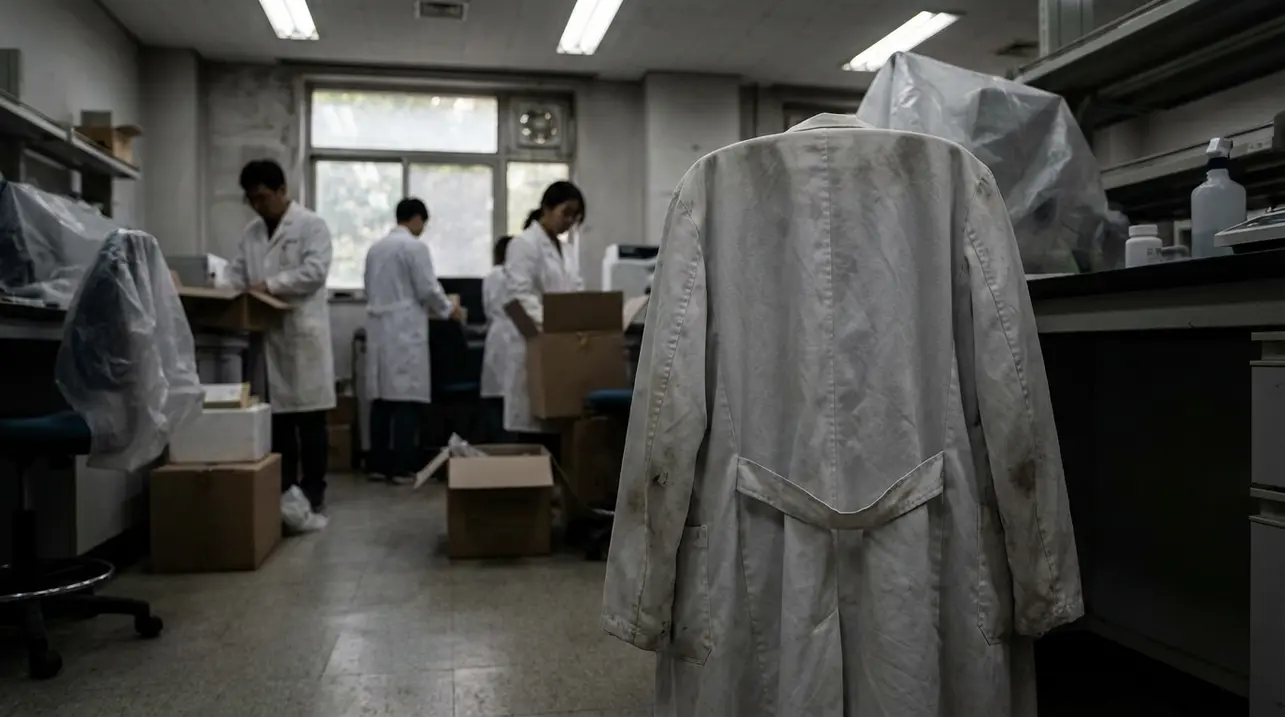
The question of a good death in our current medical system isn't just a philosophical one; it's a frontier of science and technology pressing against the very limits of our biology. For decades, the medical-industrial complex has been engineered for one primary, heroic mission: to prolong life at almost any cost.This has given us incredible, life-saving interventions—from targeted cancer therapies to sophisticated organ transplants—that push the boundaries of human longevity. Yet, this relentless focus on the extension of biological function has often come at the expense of the quality of that final chapter, creating a clinical environment where the machinery of care can sometimes drown out the human narrative it's meant to serve.We find ourselves at a critical juncture, where the tools of our own creation—advanced diagnostics, life-support systems, and even emerging fields like AI-driven prognosis—force us to confront an ancient dilemma with modern urgency: what does it mean to die well when we possess the power to forestall death itself? The traditional model, heavily skewed towards aggressive intervention until the very end, is increasingly being scrutinized. Palliative care and hospice, once seen as a surrender, are now recognized as sophisticated medical disciplines in their own right, focusing on symptom management, pain relief, and psychosocial support.However, access remains uneven, and the cultural shift from 'doing everything' to 'doing what's meaningful' is slow and fraught with emotional and ethical landmines. This is where the next generation of science enters the conversation.Researchers in biotech and digital health are exploring how technologies like CRISPR for managing genetic pain pathways, advanced neuromodulation for refractory suffering, and even AI algorithms that can predict terminal trajectories with greater accuracy could redefine the end-of-life experience. Imagine a future where personalized medicine doesn't just fight disease, but also meticulously curates the final journey, using data to honor patient autonomy with unprecedented precision.The legal and ethical frameworks, however, lag woefully behind the technological possibilities. The debate around Medical Aid in Dying (MAID) highlights the profound societal rift between the right to autonomy and fears of a slippery slope.Furthermore, the economic architecture of healthcare, often rewarding procedures over conversations, creates perverse incentives that can undermine patient-centered goals. To engineer a better death, we must therefore innovate not just in the lab, but in policy, in education, and in our collective courage to have honest, difficult conversations long before a crisis arrives.It requires a systems-level redesign—one that integrates the cutting edge of life science with the timeless values of compassion, dignity, and individual choice. The quest for a good death, then, may be the ultimate test of whether our technological prowess can be matched by our wisdom, ensuring that the final human experience is defined not by fear or futile struggle, but by grace and intention.
#end-of-life care
#medical ethics
#palliative care
#healthcare system
#death with dignity
#editorial picks news