SciencemedicinePublic Health
Hong Kong integrates Chinese and Western medicine for pain management.
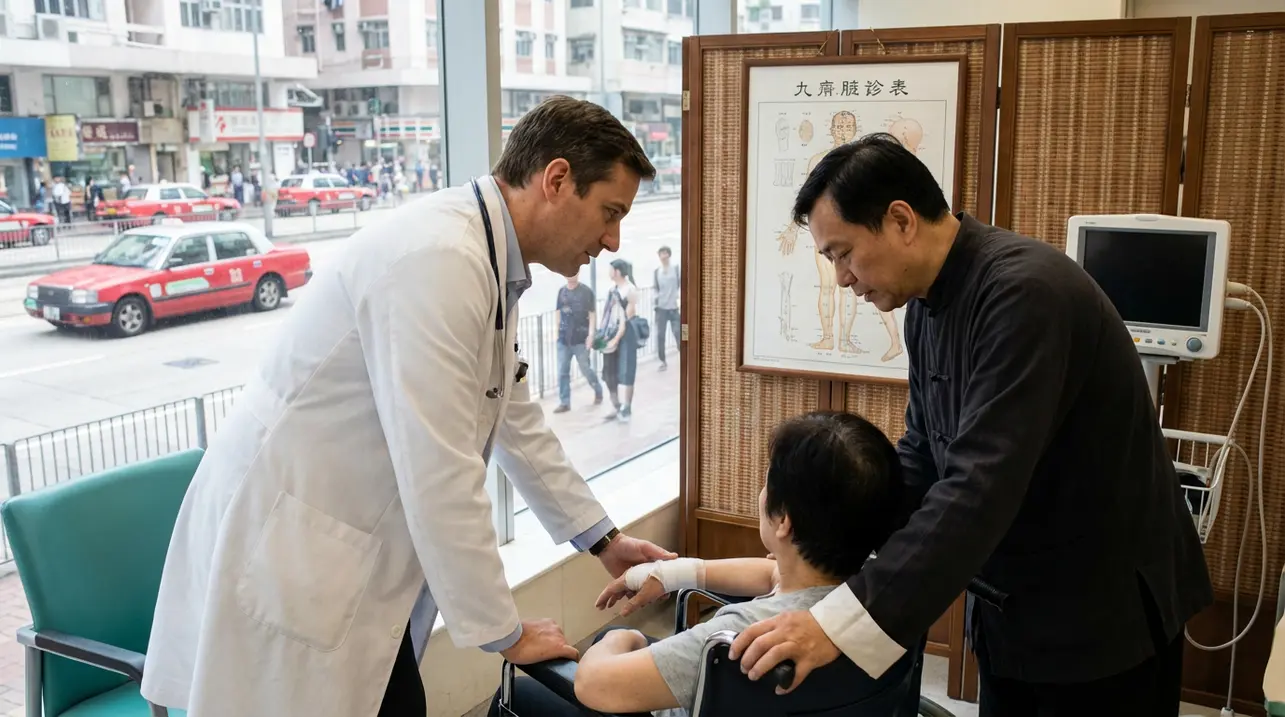
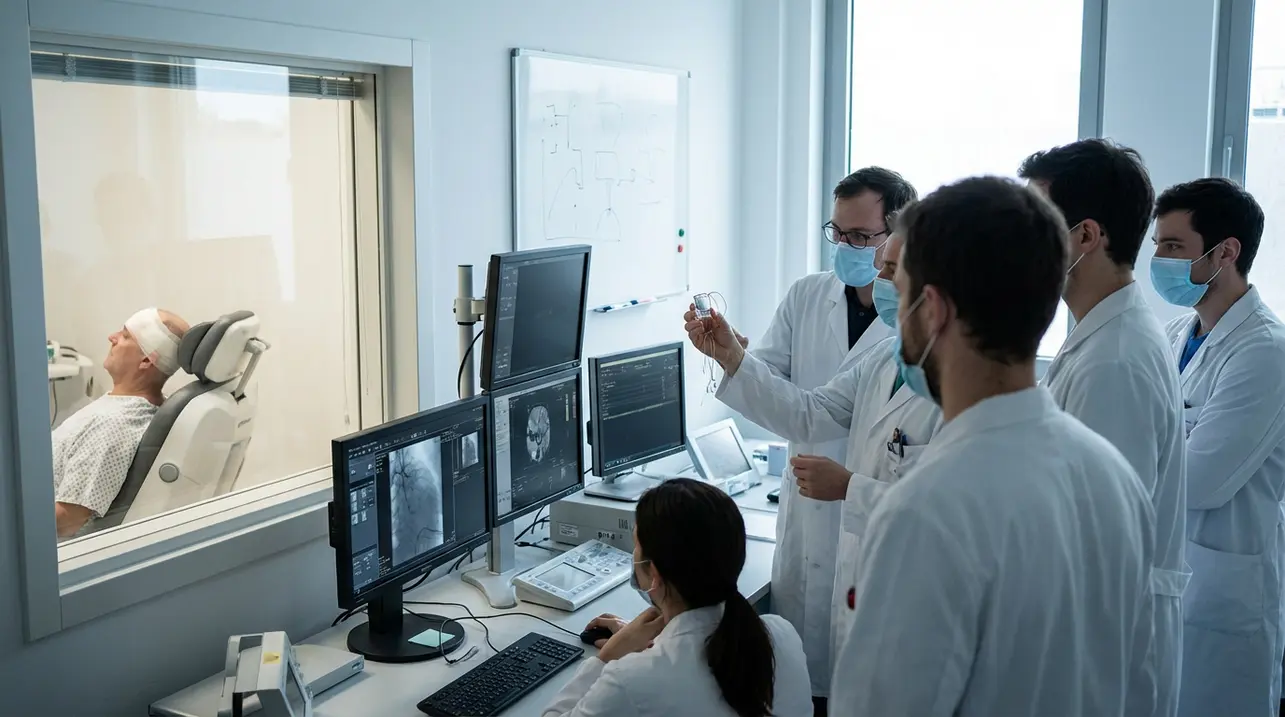
Hong Kong is embarking on a fascinating clinical experiment, one that could redefine the future of medicine by stitching together two historically divergent systems. The city’s health officials have announced a significant push to integrate Traditional Chinese Medicine (TCM) practitioners more closely with their Western medicine counterparts, specifically targeting the complex realms of pain management and post-illness recovery.This isn't just a minor policy tweak; it's a deliberate move to position Chinese medicine as a cornerstone of primary healthcare, with authorities preparing a formal list of conditions for which patients will be actively advised to seek TCM consultation for potentially better outcomes. Leading this charge is Professor Vincent Chung Chi-ho, the Commissioner for Chinese Medicine, whose work symbolizes a broader, global trend toward integrative health strategies.To understand the profound implications, we must look beyond the press release and into the cellular-level dialogue between these paradigms. Western medicine, with its laser focus on pathophysiology—blocking pain receptors with pharmaceuticals or intervening surgically—excels in acute, targeted crisis management.TCM, conversely, operates on a holistic philosophy of restoring balance, or Qi, viewing pain as a manifestation of systemic blockage or deficiency, often treated with acupuncture, herbal formulations, and tuina massage. The potential synergy is immense: imagine a post-operative cancer patient where Western oncology handles tumor eradication, while tailored TCM protocols mitigate chemotherapy-induced neuropathy and accelerate immune system recovery, a concept supported by a growing body of pharmacognosy research into how herbal compounds interact with conventional drugs.Hong Kong, with its unique East-meets-West heritage, serves as the perfect petri dish for this fusion. The city’s public hospitals have already piluted TCM wards, but this new directive aims to systematize collaboration, moving from co-location to co-prescription.The challenges, however, are as intricate as a human genome map. There’s the scientific hurdle of establishing evidence-based protocols that satisfy the rigorous, double-blind study standards of Western science while respecting TCM’s individualized diagnostic principles.Then comes the regulatory maze: standardizing thousands of herbal compounds for purity and potency, and creating liability frameworks for shared patient care. Furthermore, this integration speaks to a larger narrative in biotech and personalized medicine.We are moving from a one-size-fits-all model to bespoke therapeutic cocktails, where your treatment could be a carefully calibrated mix of a monoclonal antibody and a centuries-old herbal decoction based on your genetic and metabolic profile. Critics, of course, remain, citing a lack of robust clinical trials for many TCM modalities and potential herb-drug interactions.Yet, proponents argue that dismissing a system refined over millennia is unscientific in itself. The success of this Hong Kong initiative could create a blueprint for mainland China’s Healthy China 2030 plan and influence healthcare systems worldwide struggling with chronic pain and aging populations.It represents a pragmatic acknowledgment that the future of medicine isn't about one system winning, but about creating a new, hybrid language of healing—where AI might one day analyze your bloodwork and your tongue diagnosis to generate a truly holistic treatment plan. The experiment is live, and its results could very well script the next chapter in medical history.
#Hong Kong
#Chinese medicine
#Western medicine
#pain management
#primary healthcare
#integration
#editorial picks news