
SciencemedicinePublic Health
The Body as Revolution: Che Guevara on Social Medicine
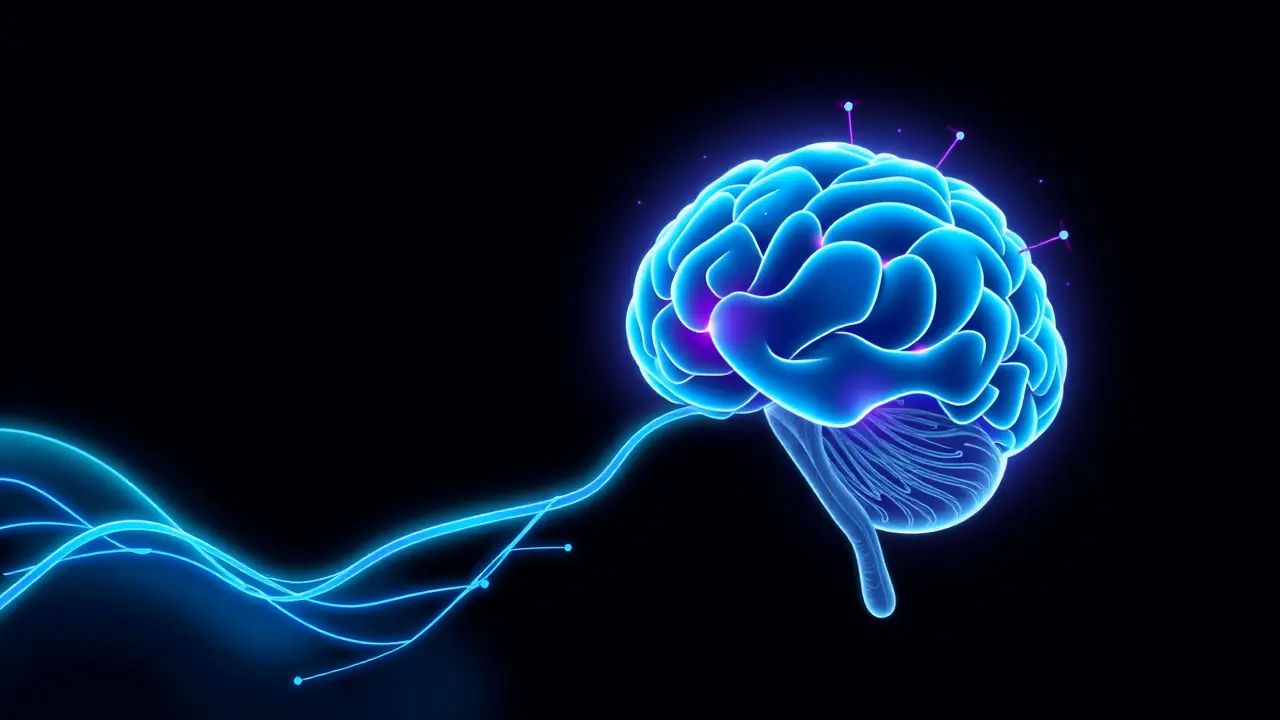
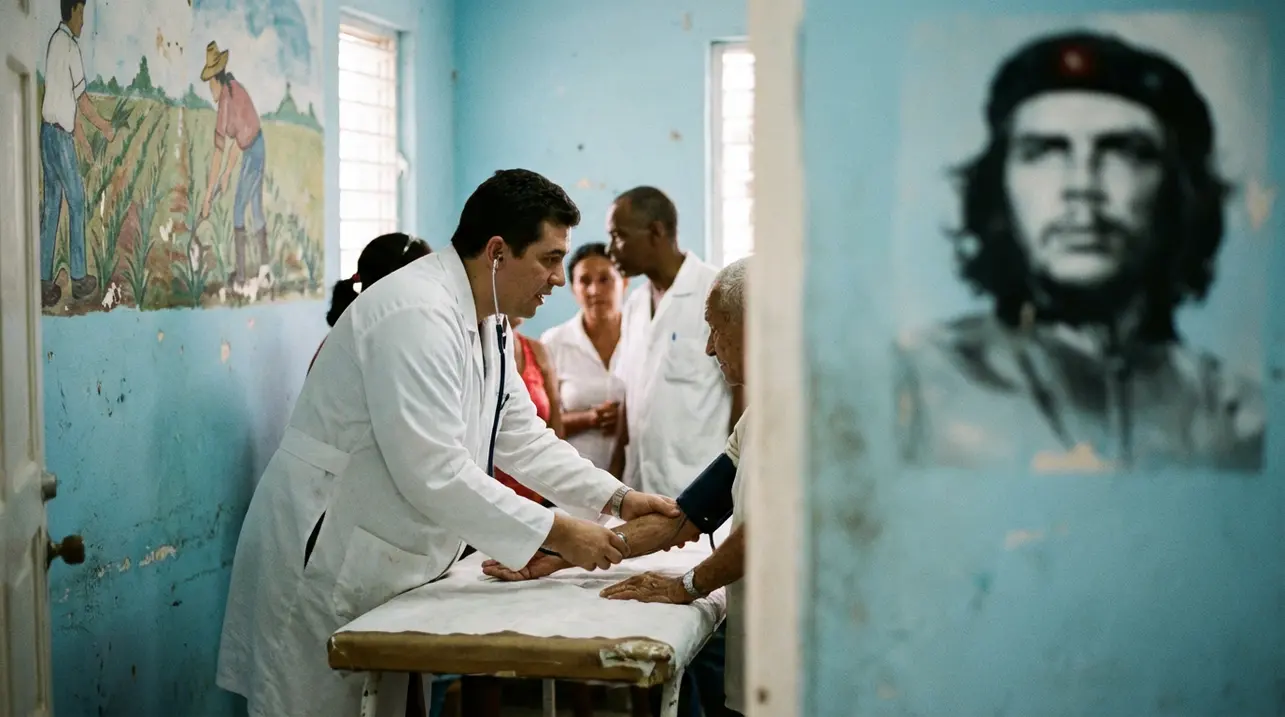
The question of where the soul resides, posed by Walt Whitman in his revolt against Cartesian dualism, finds a startlingly practical answer in the life and philosophy of Ernesto 'Che' Guevara. Long before modern neuroscience began mapping how trauma lodges in the nervous system or how the mind narrates the body's lived experience, Guevara—a trained physician—was enacting a radical theory of social medicine that viewed the body not as a mere biological vessel, but as the primary site of political and social revolution.His journey from a privileged medical student in Buenos Aires to a guerrilla commander in the Sierra Maestra was fundamentally a journey about redefining healing. For Che, the classic medical model, which treated the body in isolation from its social conditions, was a profound failure.He saw malnutrition, parasitic diseases, and industrial injuries not as individual misfortunes but as direct symptoms of systemic exploitation and colonial oppression. His concept of 'revolutionary medicine' was therefore a total inversion: the doctor's duty was not merely to treat the sick individual but to become a 'social reformer' who dismantles the structures that make people sick in the first place.This wasn't abstract theory; it was battlefield triage philosophy. In the Cuban mountains, treating peasant soldiers, he realized true healing required land reform, literacy campaigns, and a collectivized healthcare system that saw prevention as a communal duty.Today, as we stand at the intersection of CRISPR gene-editing, AI-driven diagnostics, and personalized medicine, Guevara’s vision feels both antiquated and urgently prescient. The next-gen science of epigenetics now provides the biological evidence for what he intuited: that poverty, stress, and violence literally write themselves into our cellular biology, affecting gene expression across generations.A modern biotech enthusiast might ask: can we truly edit away disease with a viral vector if we ignore the social determinants that trigger it? Guevara’s answer would be a resounding no. He would likely view our most advanced biotech as another tool that, without a revolutionary social conscience, risks becoming a commodity for the wealthy, exacerbating inequality rather than healing it.His legacy challenges the entire future-of-medicine narrative to integrate the hard science of the body with the harder politics of justice. It asks us to see the physician—and by extension, the scientist—not as a neutral technician, but as a revolutionary actor whose ultimate instrument is not the scalpel or the algorithm, but a profound commitment to eradicating the societal pathogens that sicken the body politic itself.
#Che Guevara
#social medicine
#political activism
#public health
#philosophy of medicine
#editorial picks news